Why Do My Hormones Feel Out of Balance? Common Causes, Symptoms, and What May Help
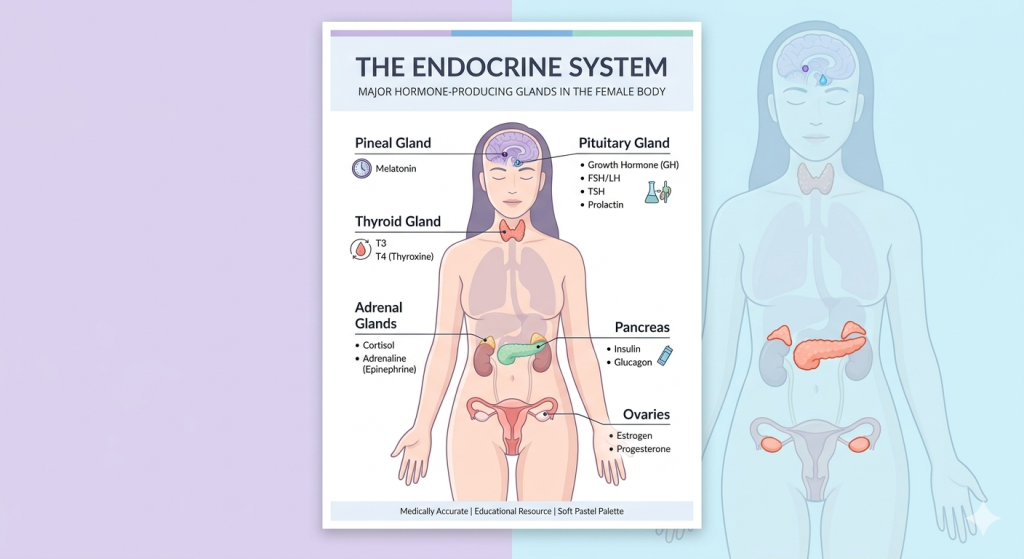
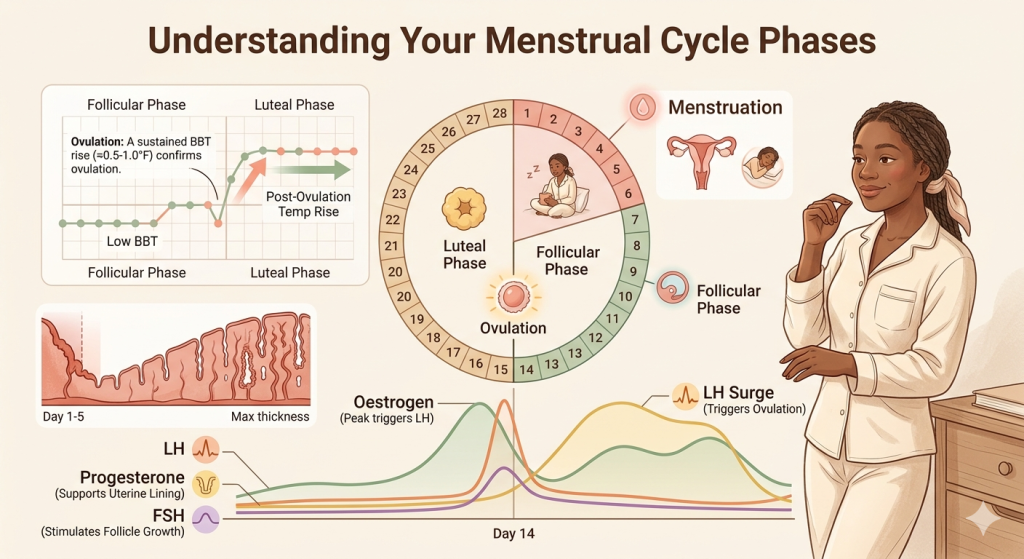
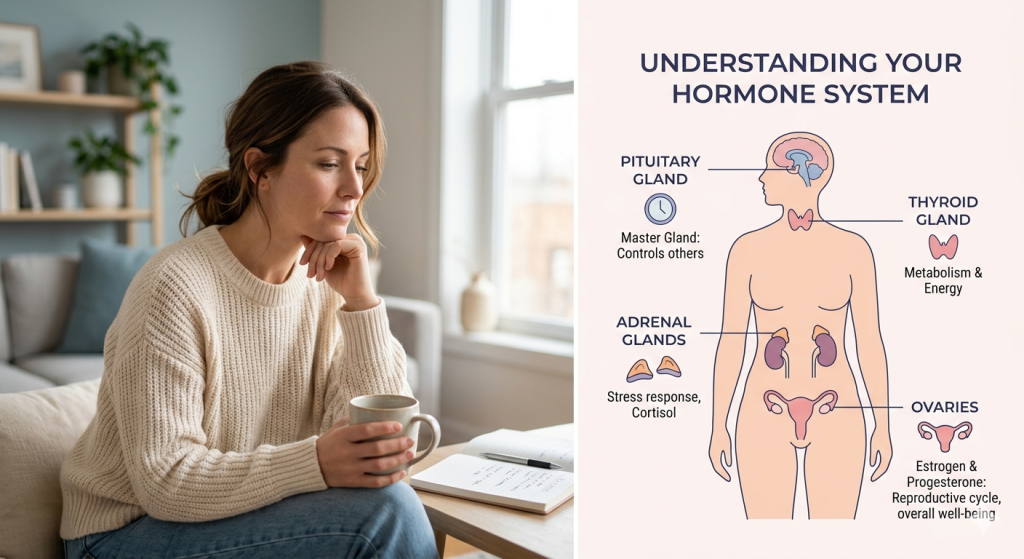
Who this article is for This article is for women who feel “not quite right” in their body and want a clearer, calmer explanation of what people often mean when they say their hormones feel out of balance. Have you been thinking, something feels off, but I cannot put my finger on it? Maybe your periods have changed, your skin is breaking out, your sleep is worse, or your mood feels less steady than usual. It is common to reach for the phrase “my hormones feel out of balance” when several symptoms seem to show up at once. That feeling is real, but the phrase itself can cover a lot of different things. Sometimes it points to a normal life stage, like perimenopause. Sometimes it reflects a specific health issue, such as PCOS or a thyroid condition. And sometimes it is a sign that your body needs a closer look rather than more guessing. Quick answer When your hormones feel out of balance, it usually means one or more hormones may be changing in a way that is affecting how you feel physically or emotionally. Hormones help regulate periods, ovulation, energy, temperature, skin, hair, and metabolism, so that shifts can show up in many ways. Some hormone changes are normal. Others are worth checking if symptoms are ongoing, disruptive, or new for you. What does this symptom or problem mean? Hormones are chemical messengers. They travel through the bloodstream and help control how different parts of the body work. Even small changes can affect big areas of daily life, including menstrual cycles, fertility, sleep, appetite, temperature regulation, and mood. That is why the feeling of being “off” can seem so broad and hard to describe. When women say their hormones feel out of balance, they often mean one of two things. The first is that they are noticing real symptoms that may be linked to hormone shifts. The second is that they are using a familiar phrase to describe a mix of changes that still need proper explanation. In other words, “hormones” may be part of the story, but the next step is figuring out which hormones, what kind of change, and whether it fits a normal pattern or a medical condition. This is important because the same general feeling can come from different causes. Irregular periods and acne may suggest one pattern. Fatigue, feeling cold, and heavier periods may suggest another. Hot flushes, broken sleep, and cycle changes may fit a different life stage entirely. Hormonal Imbalance in Women: Signs, Causes, and When to Seek Help Why does it happen? It happens because hormones work like part of a communication network. The brain, ovaries, thyroid, adrenal glands, pancreas, and other organs all send and respond to signals. If one part of that system changes, the effects can ripple outward. For example, if ovulation is not happening regularly, oestrogen and progesterone patterns can become less predictable, which may affect periods, mood, and bleeding patterns. That is one reason women with PCOS often have irregular or absent periods. NHS guidance notes that women with PCOS may ovulate infrequently or not at all, which can make cycles irregular and affect fertility. If the thyroid is underactive, the body’s functions tend to slow down. This can manifest as fatigue, weight gain, dry skin, hair changes, heavier or irregular periods, and fertility problems. If the thyroid is overactive, body functions can speed up, sometimes causing heat intolerance, a fast heartbeat, shakiness, or weight loss. Hormonal shifts can also occur during life stages. Around menopause, for example, changes in ovarian hormone production can affect periods, sleep, temperature regulation, and mood. That does not mean something is “wrong,” but it can still have a real impact on daily life. Common causes or triggers Some of the most common reasons women feel hormonally “off” include: PCOS This is one of the most common hormone-related conditions in women. Common signs include irregular or absent periods, acne, excess hair growth, thinning hair, and fertility difficulties. Perimenopause or menopause This can cause changing periods, hot flushes, night sweats, mood changes, vaginal dryness, and sleep problems. Thyroid problems An underactive or overactive thyroid can affect energy, weight, temperature tolerance, mood, heart rate, hair, and menstrual patterns. Pregnancy and postpartum changes Hormone levels change dramatically during pregnancy and after birth, which can affect mood, bleeding patterns, body temperature, sleep, and energy levels. Hormone-related symptoms can overlap with normal postpartum recovery, so context matters. Raised prolactin in some cases Higher-than-normal prolactin can affect how the ovaries work and may cause menstrual changes or fertility problems. Hormonal contraception sometimes changes bleeding patterns. Some hormonal contraceptives can cause irregular bleeding or spotting, especially early on. The key point is that “hormones feel out of balance” is not one diagnosis. It is a starting point for understanding what pattern may be underneath. Related hormonal or body changes Hormone-related symptoms rarely come alone. They often travel in clusters, which is why paying attention to patterns can be so helpful. You might notice: periods becoming irregular, lighter, heavier, or stopping unexpectedly acne or oilier skin facial hair growth or hair thinning new sleep problems hot flushes or night sweats low mood, irritability, or feeling more emotionally sensitive unexplained weight changes feeling unusually cold or unusually hot lower sex drive trouble getting pregnant or signs that ovulation is irregular Simple biology sits underneath these changes. Ovarian hormones affect the menstrual cycle and reproductive tissues. Thyroid hormones affect how the body uses energy. Androgens can influence acne, hair growth, and scalp hair thinning. Prolactin can affect ovarian function. Once you see hormones as messengers rather than mysterious forces, the symptoms often make more sense. What Does Implantation Bleeding Look Like? Signs, Timing, and When to Check In What can make it worse? Even when an underlying cause needs medical attention, certain things can make symptoms feel more noticeable or harder to cope with. These can include: poor sleep big changes in routine ongoing
Why Do My Hormones Feel Out of Balance? Common Causes, Symptoms, and What May Help Read More »