Femphases: Helping women understand hormones, emotions, and midlife health.

Trust Bar Marquee

Understanding Your Cycle

Ovulation Pain: What It Feels Like, Why It Happens, and When to See a Doctor

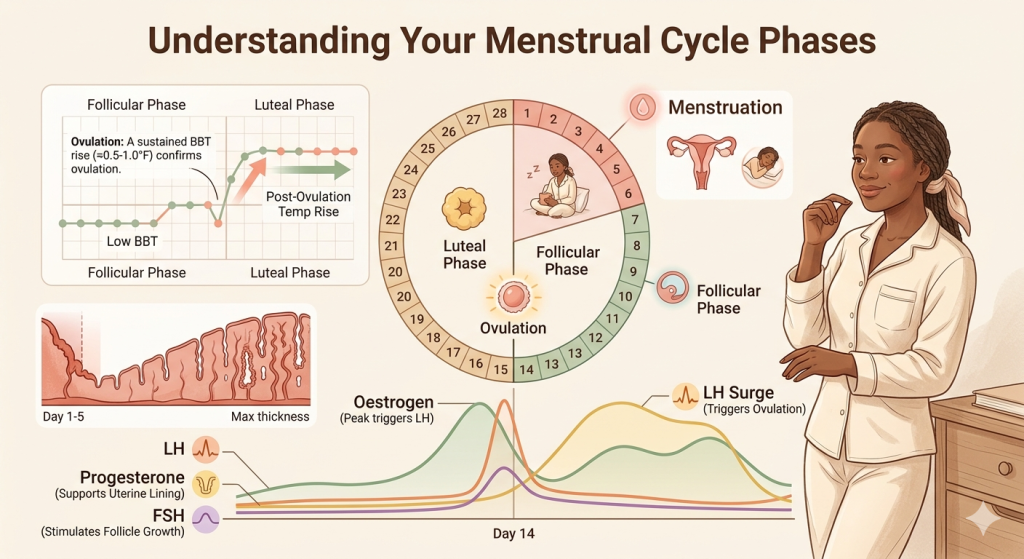
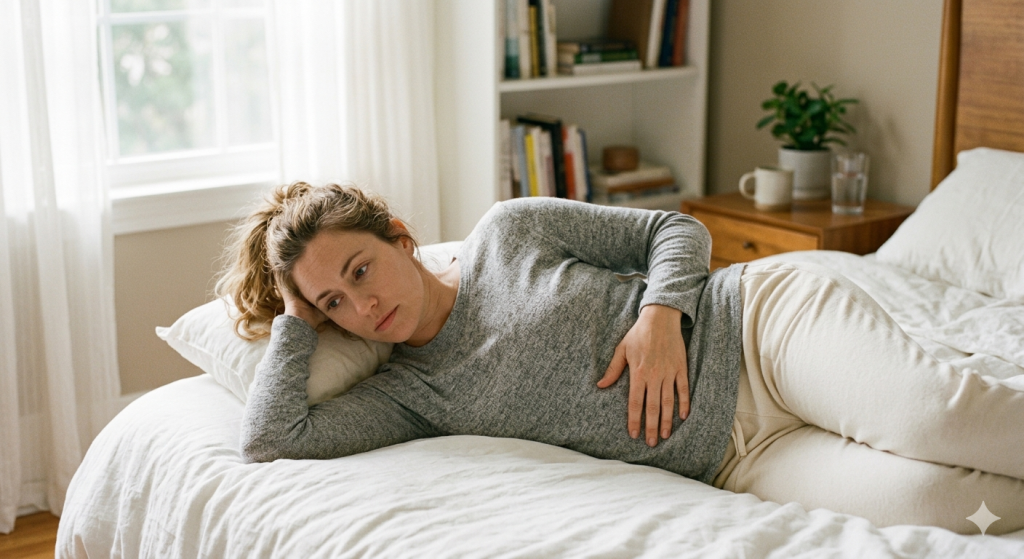
Have you ever felt a sharp twinge or dull ache on one side of your lower belly halfway through your cycle and wondered, “Is this normal?” It can be unsettling, especially if you are not expecting it. Many women notice a brief pain around ovulation and are unsure whether it is harmless, hormonal, or something that needs checking. Quick answer Ovulation pain is a one-sided lower abdominal pain that can happen around the time an ovary releases an egg. It may feel like a mild ache, pressure, cramping, or a sharp twinge, and it usually does not last long. For many women, it is normal and harmless. But if the pain is severe, keeps happening, or comes with heavy bleeding, fever, vomiting, or fainting, it is worth speaking to a doctor. What is Ovulation pain? Ovulation pain is pain or discomfort that happens around the middle of the menstrual cycle, close to the time of ovulation. Ovulation is when one of the ovaries releases an egg. This usually happens about 14 days before the next period, although timing can vary from person to person. This pain is sometimes called mittelschmerz, a German term meaning “middle pain.” The name sounds technical, but the experience is often simple: a cramp, ache, or sudden twinge on one side of the lower abdomen. Some women notice it every month. Others only feel it occasionally, and some never notice it at all. It can switch sides from month to month depending on which ovary releases the egg, though it does not always alternate in a neat pattern. Why does it happen? Ovulation pain is thought to happen because of the normal physical changes that take place when the ovary releases an egg. A few things may contribute: The follicle stretches the ovary: Before ovulation, the egg grows inside a fluid-filled sac called a follicle. As it grows, it may stretch the ovary’s surface and cause discomfort. The egg breaks free: During ovulation, the follicle ruptures to release the egg. That small burst can sometimes cause a sudden, sharp feeling. A small amount of fluid or blood may irritate nearby tissue: After the egg is released, a little fluid or blood can leak into the pelvis and irritate the lining there, which may cause aching or cramping. This is why the pain often feels low down in the abdomen and may be more noticeable on one side. Ovulation pain is not usually a sign that something is wrong. In many cases, it is simply one way the body’s monthly hormonal cycle can be felt. Basal Body Temperature Tracking for Ovulation Signs or symptoms Ovulation pain can feel different from one woman to another. It can also feel different from one cycle to the next. Common descriptions include: A sharp twinge on one side of the lower abdomen A dull ache or mild cramp A feeling of pressure or pulling in the pelvis Pain that lasts a few minutes, a few hours, or sometimes up to a day or two Mild spotting or light discharge at the same time Pain that happens around the middle of the cycle Some women also notice other signs of ovulation around the same time, such as: Clear, slippery, egg-white-like cervical mucus Mild bloating Increased sex drive Breast tenderness A slight rise in basal body temperature after ovulation Ovulation pain is usually much milder than pain caused by conditions like appendicitis, ovarian cyst complications, or pelvic infection. It may be uncomfortable, but it should not leave you unable to function. What is normal, and when to pay attention Ovulation pain is usually considered normal when it: Happens around the middle of the cycle Feels mild to moderate Lasts a short time Stays on one side Goes away on its own Does not come with alarming symptoms Mild ovulation pain can often be managed with simple measures such as: Resting for a while Using a warm compress or hot water bottle on the lower abdomen Drinking fluids Taking simple pain relief if it is safe for you and you have used it before as directed It is worth paying closer attention to the pain: Feels much stronger than usual Lasts longer than two days Happens at times that do not fit with ovulation Starts interfering with work, sleep, exercise, or daily life Keeps returning and seems to be getting worse Although ovulation pain can be normal, not all one-sided pelvic pain is ovulation pain. Pain in the lower abdomen can also have other causes, including: Ovarian cysts Endometriosis Pelvic inflammatory disease Fibroids Appendicitis Ectopic pregnancy Digestive or urinary problems That is why ongoing, severe, or unusual pain should not just be brushed aside. When to speak to a doctor It is a good idea to speak to a doctor if you are not sure the pain is due to ovulation or if something feels off. Seek medical advice if: The pain is severe or sudden It lasts more than 1–2 days You have a fever You feel sick, vomit, or cannot keep fluids down You faint, feel very dizzy, or feel weak You have heavy vaginal bleeding Sex becomes painful You have unusual vaginal discharge You might be pregnant The pain keeps coming back and is affecting your quality of life A medically responsible reminder: severe pelvic pain should not be self-diagnosed as ovulation pain, especially if it is new, intense, or paired with bleeding, fever, or pregnancy concerns. A doctor may ask about your cycle pattern, when the pain happens, how long it lasts, and whether you have other symptoms. In some cases, further checks may be needed to rule out other causes. Key takeaway Ovulation pain is a common type of mid-cycle pelvic pain that may feel like a one-sided ache, cramp, pressure, or sharp twinge. For many women, it is a normal part of the menstrual cycle and settles on its own. The main things to look for are timing, severity, and pattern. If the pain is mild, brief,

Ovulation Pain: What It Feels Like, Why It Happens, and When to See a Doctor Read More »
Why Am I So Bloated Before My Period? Causes, Symptoms, and Relief

Why Am I So Bloated Before My Period? Causes, Relief, and When to Worry

Introduction A lot of women notice the same frustrating pattern every month: their lower stomach feels tight, puffy, heavy, or uncomfortable just before their period starts. Your clothes may feel snug, you may feel gassy, and even if nothing major has changed in your routine, your body suddenly feels different. If you have ever found yourself wondering, Why am I so bloated before my period?. The reassuring news is that this is very common. Bloating is one of the physical symptoms often linked with premenstrual syndrome, or PMS, and it tends to show up in the week or two before a period, then eases once bleeding begins. Quick answer Bloating before your period is usually caused by normal hormonal changes during the second half of the menstrual cycle. These changes can affect how your body holds onto fluid and how your digestive system feels and behaves, which may leave you feeling swollen, full, or gassy. For many women, this is a normal PMS symptom. But if the bloating is severe, happens all month, is getting worse, or comes with heavy bleeding, pelvic pain, or bowel changes, it is worth getting checked. What is Period bloating? Period bloating is the feeling of fullness, tightness, puffiness, or swelling that can hapSet featured imagepen before your period. Some women mainly feel bloated, while others also notice visible swelling around the lower tummy. Cleveland Clinic describes bloating as a feeling of tightness, pressure, or fullness in the belly, and sometimes the abdomen may look distended too. When this happens before a period, it is usually part of PMS. The NHS and the Office on Women’s Health both list bloating as a common premenstrual symptom, along with things like breast tenderness, tiredness, headaches, and mood changes. Why does it happen? The main reason is hormonal change. In the second half of the menstrual cycle, after ovulation, levels of hormones such as progesterone rise and then fall again before your period. PMS is thought to be linked to these changing hormone levels. These shifts can affect your body in a few ways: Fluid retention: Hormonal changes can make you hold onto more water, which can leave you feeling puffy or swollen. A premenstrual NHS patient guide links this bloated feeling with progesterone. Digestive slowdown or sensitivity: Hormones can also influence the gut, which may make you feel more full, gassy, or uncomfortable. Cleveland Clinic notes that hormone fluctuations can cause cyclical bloating. PMS-related body changes: Bloating often shows up alongside other familiar premenstrual symptoms, which is why many women notice it as part of a wider monthly pattern. Stress, changes in eating habits, constipation, or an existing digestive condition such as IBS may also make pre-period bloating feel worse. Women’s Health.gov notes that stress can worsen IBS symptoms such as gas and bloating. Signs or symptoms Bloating before a period can feel different from person to person. Common signs include: a swollen or puffy lower tummy a feeling of fullness or heaviness tight waistbands or clothes feeling less comfortable increased gas mild tummy discomfort constipation or looser stools in some women bloating alongside breast tenderness, fatigue, cramps, headaches, or mood changes For many women, the timing is the biggest clue. PMS symptoms often begin in the week or two before a period and then improve after the period starts. What is normal and when to pay attention Some before-period bloating can be completely normal, especially if: it happens around the same time each cycle it improves once your period starts it is mild to moderate rather than severe it comes with other familiar PMS symptoms It is worth paying closer attention if the bloating: is severe or painful lasts beyond your period or happens most of the month is getting worse over time comes with heavy, very painful, or irregular periods comes with ongoing bowel changes, nausea, or trouble eating normally makes daily life harder every month Sometimes bloating that seems “period-related” may overlap with another issue, such as IBS, endometriosis, adenomyosis, or another digestive or pelvic condition. That does not mean something is seriously wrong, but it does mean your symptoms deserve attention if they are persistent or unusually intense. When to speak to a doctor Speak to a doctor or qualified health professional if: your bloating is severe, new, or noticeably worsening you also have significant pelvic pain your periods are very heavy, very painful, or irregular you have bloating that does not go away after your period you notice blood in the stool, unexplained weight loss, vomiting, or ongoing bowel changes PMS symptoms are affecting work, sleep, relationships, or everyday life A medically responsible reminder here: online information can help you understand what may be going on, but it cannot diagnose the cause of ongoing or severe bloating. If something feels different from your usual pattern, getting checked is the safest step. Key takeaway Feeling bloated before your period is common and is often linked to normal hormonal changes that happen in the second half of the menstrual cycle. In many cases, it is a typical PMS symptom that settles once your period begins. The important thing is pattern. If the bloating is mild, cyclical, and familiar, it is usually not a sign of anything serious. But if it is severe, persistent, or comes with other concerning symptoms, do not brush it aside. Your body is worth listening to. FAQs Is it normal to feel very bloated before your period? Yes, bloating is a common PMS symptom. It often begins in the week or two before your period and improves once bleeding starts. How many days before a period does bloating start? For many women, bloating starts in the 1 to 2 weeks before a period, alongside other PMS symptoms. Is period bloating caused by hormones? Usually, yes. PMS is thought to be linked to changing hormone levels during the menstrual cycle, and these changes may affect fluid balance and digestion. When is bloating before a period not normal? It is worth

Why Am I So Bloated Before My Period? Causes, Relief, and When to Worry Read More »

Why Do My Hormones Feel Out of Balance? Common Causes, Symptoms, and What May Help

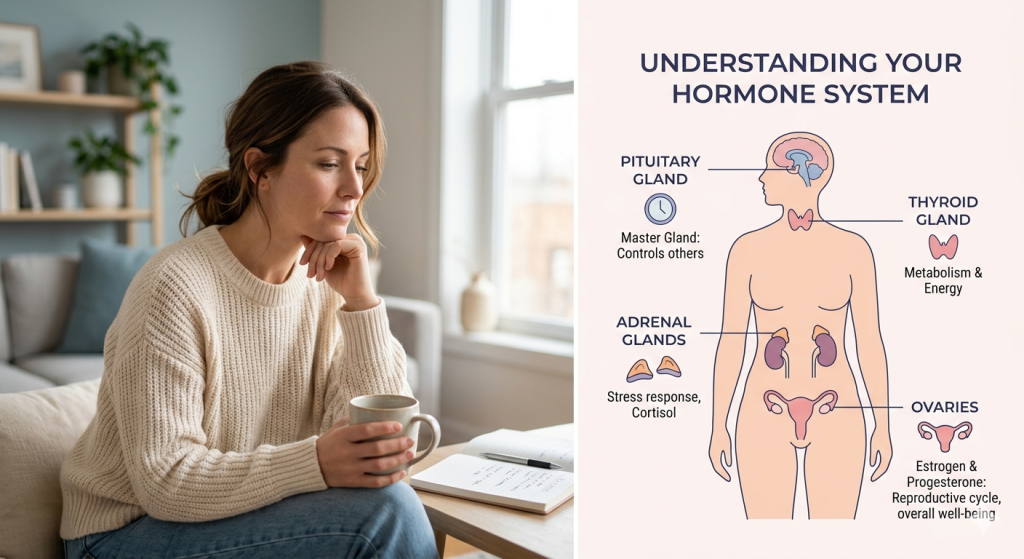
Who this article is for This article is for women who feel “not quite right” in their body and want a clearer, calmer explanation of what people often mean when they say their hormones feel out of balance. Have you been thinking, something feels off, but I cannot put my finger on it? Maybe your periods have changed, your skin is breaking out, your sleep is worse, or your mood feels less steady than usual. It is common to reach for the phrase “my hormones feel out of balance” when several symptoms seem to show up at once. That feeling is real, but the phrase itself can cover a lot of different things. Sometimes it points to a normal life stage, like perimenopause. Sometimes it reflects a specific health issue, such as PCOS or a thyroid condition. And sometimes it is a sign that your body needs a closer look rather than more guessing. Quick answer When your hormones feel out of balance, it usually means one or more hormones may be changing in a way that is affecting how you feel physically or emotionally. Hormones help regulate periods, ovulation, energy, temperature, skin, hair, and metabolism, so that shifts can show up in many ways. Some hormone changes are normal. Others are worth checking if symptoms are ongoing, disruptive, or new for you. What does this symptom or problem mean? Hormones are chemical messengers. They travel through the bloodstream and help control how different parts of the body work. Even small changes can affect big areas of daily life, including menstrual cycles, fertility, sleep, appetite, temperature regulation, and mood. That is why the feeling of being “off” can seem so broad and hard to describe. When women say their hormones feel out of balance, they often mean one of two things. The first is that they are noticing real symptoms that may be linked to hormone shifts. The second is that they are using a familiar phrase to describe a mix of changes that still need proper explanation. In other words, “hormones” may be part of the story, but the next step is figuring out which hormones, what kind of change, and whether it fits a normal pattern or a medical condition. This is important because the same general feeling can come from different causes. Irregular periods and acne may suggest one pattern. Fatigue, feeling cold, and heavier periods may suggest another. Hot flushes, broken sleep, and cycle changes may fit a different life stage entirely.              Hormonal Imbalance in Women: Signs, Causes, and When to Seek Help Why does it happen? It happens because hormones work like part of a communication network. The brain, ovaries, thyroid, adrenal glands, pancreas, and other organs all send and respond to signals. If one part of that system changes, the effects can ripple outward. For example, if ovulation is not happening regularly, oestrogen and progesterone patterns can become less predictable, which may affect periods, mood, and bleeding patterns. That is one reason women with PCOS often have irregular or absent periods. NHS guidance notes that women with PCOS may ovulate infrequently or not at all, which can make cycles irregular and affect fertility. If the thyroid is underactive, the body’s functions tend to slow down. This can manifest as fatigue, weight gain, dry skin, hair changes, heavier or irregular periods, and fertility problems. If the thyroid is overactive, body functions can speed up, sometimes causing heat intolerance, a fast heartbeat, shakiness, or weight loss. Hormonal shifts can also occur during life stages. Around menopause, for example, changes in ovarian hormone production can affect periods, sleep, temperature regulation, and mood. That does not mean something is “wrong,” but it can still have a real impact on daily life. Common causes or triggers Some of the most common reasons women feel hormonally “off” include: PCOS This is one of the most common hormone-related conditions in women. Common signs include irregular or absent periods, acne, excess hair growth, thinning hair, and fertility difficulties. Perimenopause or menopause This can cause changing periods, hot flushes, night sweats, mood changes, vaginal dryness, and sleep problems. Thyroid problems An underactive or overactive thyroid can affect energy, weight, temperature tolerance, mood, heart rate, hair, and menstrual patterns. Pregnancy and postpartum changes Hormone levels change dramatically during pregnancy and after birth, which can affect mood, bleeding patterns, body temperature, sleep, and energy levels. Hormone-related symptoms can overlap with normal postpartum recovery, so context matters. Raised prolactin in some cases Higher-than-normal prolactin can affect how the ovaries work and may cause menstrual changes or fertility problems. Hormonal contraception sometimes changes bleeding patterns. Some hormonal contraceptives can cause irregular bleeding or spotting, especially early on. The key point is that “hormones feel out of balance” is not one diagnosis. It is a starting point for understanding what pattern may be underneath. Related hormonal or body changes Hormone-related symptoms rarely come alone. They often travel in clusters, which is why paying attention to patterns can be so helpful. You might notice: periods becoming irregular, lighter, heavier, or stopping unexpectedly acne or oilier skin facial hair growth or hair thinning new sleep problems hot flushes or night sweats low mood, irritability, or feeling more emotionally sensitive unexplained weight changes feeling unusually cold or unusually hot lower sex drive trouble getting pregnant or signs that ovulation is irregular Simple biology sits underneath these changes. Ovarian hormones affect the menstrual cycle and reproductive tissues. Thyroid hormones affect how the body uses energy. Androgens can influence acne, hair growth, and scalp hair thinning. Prolactin can affect ovarian function. Once you see hormones as messengers rather than mysterious forces, the symptoms often make more sense. What Does Implantation Bleeding Look Like? Signs, Timing, and When to Check In What can make it worse? Even when an underlying cause needs medical attention, certain things can make symptoms feel more noticeable or harder to cope with. These can include: poor sleep big changes in routine ongoing

Why Do My Hormones Feel Out of Balance? Common Causes, Symptoms, and What May Help Read More »