

FemPhases

Trust Bar Marquee

In Her Words

Real stories from women navigating sleep, fatigue, changing bodies and life’s challenges. Read, connect and remember you’re not alone. These stories are shared for support and education and should not replace advice from a qualified healthcare professional.

The Appointment That Finally Made Me Feel Heard: A Perimenopause Story | FemPhases

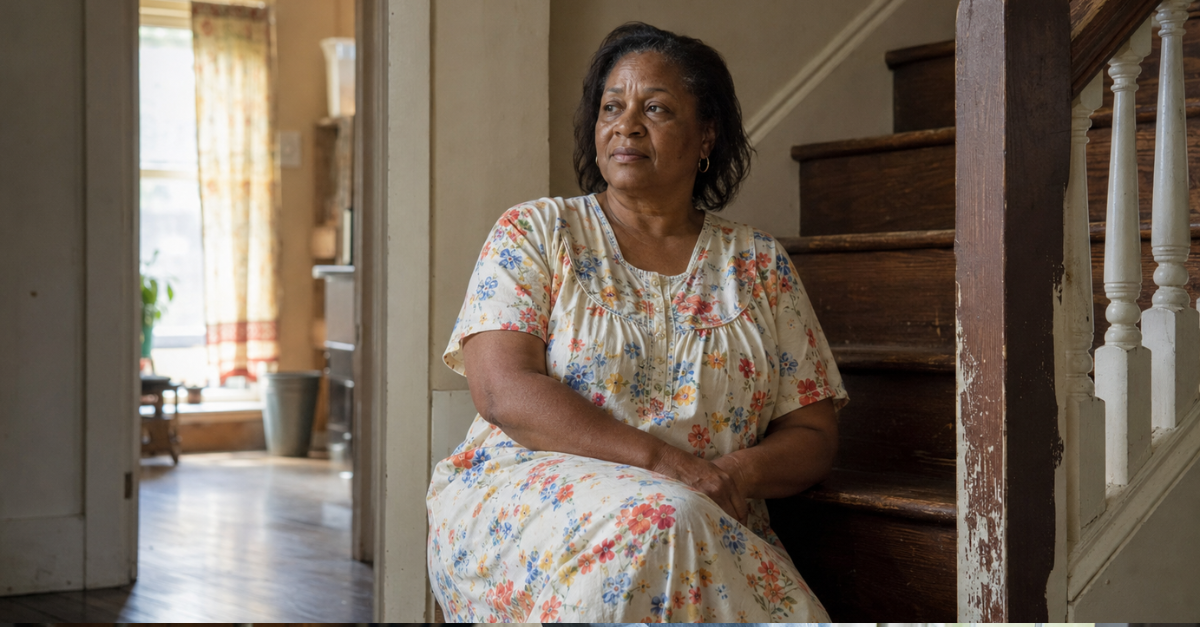
Age: 44 My Story I keep a notebook in my handbag. Not a journal, nothing so grand. Just a small, lined notebook from WHSmith that I use to write things down before appointments so I don’t forget them. Shopping lists, questions for the dentist, things to ask at parents’ evening ordinary stuff. But for about two years, that notebook had a different kind of list in it. Symptoms. Written in my own handwriting, getting longer and messier every few months. Waking at 4 am. Heart racing. Periods every 19 days. Heavy. Clots. Joint pain in hands; mornings worst. Mood drops around day 14. Itchy skin. Can’t concentrate at work. Headaches before period. Feeling flat. Weight around middle. Can’t lose it. I’d written that list, or versions of it, so many times. I’d sat in waiting rooms with it folded in my lap. I’d rehearsed what I’d say, how I’d say it clearly and calmly, so I’d be taken seriously. And each time, I’d leave feeling like I’d somehow explained it wrong. The first time I went, I was forty-one. I told the GP I was exhausted and my periods had changed. He nodded and said it was probably stress. He suggested I try to get more sleep. I wanted to say that I was a full-time office manager and a mother of three, and that “try to get more sleep” was not actionable advice, but I smiled, said thank you, and left. The second time, about eight months later, I went back for the joint pain. Different GP. She ran some blood tests: thyroid, iron, inflammation markers. Everything came back normal. She said that was good news, and it was, but it didn’t explain why my fingers ached so badly in the mornings that I couldn’t open the jam jar. She suggested ibuprofen and glucosamine. The third time, I specifically mentioned perimenopause. I’d done some reading by then. I’d been on forums. I’d started to piece together that the things I was experiencing might be connected, not separate, random ailments but parts of a single picture. The GP, a third one, because the rota never seemed to land me with the same person twice, looked at my notes, said my bloods had been normal, and told me I was “a bit young to be worrying about menopause.” He said it gently, almost reassuringly, like he was doing me a favour. I sat in the car afterwards and felt something I can only describe as small. Like I’d been patted on the head. Like my own knowledge of my own body had been politely set aside. My husband asked how it went when I got home. I said, “Fine. They don’t think it’s anything.” He looked relieved. And I put the kettle on and carried on, because that’s what you do. But things didn’t get better. They got more complicated. The brain fog thickened. I’d stand in the middle of a room and forget why I was there. I’d search for words mid-sentence, ordinary words like “envelope” or “Wednesday,” and my mouth would just stop while my brain flicked through files. At work, I started writing everything down because I couldn’t trust my memory anymore. I’d double-check emails three times before sending them. My manager asked if everything was all right, and I said yes, and then I went to the ladies’ and stood there with my forehead against the cool tiles for a minute. The anxiety got louder, too. Not panic attacks I’ve never had one of those but a persistent feeling of unease, like I’d left the iron on. A tightness in my chest at odd moments. A sense of dread when my phone rang, even if it was just my sister. And through all of it, the periods. Every nineteen days, sometimes seventeen, sometimes flooding so badly I had to leave a meeting once with my cardigan tied around my waist. I started keeping a change of clothes in my desk drawer. I wore dark trousers exclusively, Monday to Friday, for over a year. I stopped going to the GP. What was the point? I’d been three times and each time I’d been told it was stress, or normal, or nothing. I started to believe them. Maybe this was just what forty-two, forty-three felt like. Maybe everyone was quietly struggling, and I simply hadn’t noticed. Then my friend Priya mentioned she’d found a GP at a different surgery who had a special interest in women’s health. “You should see her,” Priya said over lunch one day, pushing a name and number across the table on a torn piece of napkin. “She actually listens.” I nearly didn’t go. I’d lost confidence in appointments by then. The idea of sitting in another consulting room, reading from another version of my list, and being told I was fine I couldn’t face it. The notebook sat on the kitchen counter for three weeks before I made the call. Looking Back I think about those two years now, and what strikes me most is the energy it took. Not the symptoms themselves, though they were exhausting. The energy of advocating for yourself and being turned away. The energy of doubting your own experience because someone with a medical degree has told you there’s nothing to find. I wasn’t angry with those GPs, not exactly. They were busy. Appointments are ten minutes. They were looking at individual symptoms: the fatigue here, the joint pain there, and each one, in isolation, probably looked like nothing much. But nobody joined the dots. Nobody stepped back and looked at the whole picture: a woman in her early forties whose body was changing in a dozen ways at once. And I played a part in that, too. I was polite. I was measured. I downplayed things. I said “a bit tired” when I meant “barely functioning by three o’clock.” I said “my periods are a bit heavier” when I meant “I bled through my clothes at work.”

The Appointment That Finally Made Me Feel Heard: A Perimenopause Story | FemPhases Read More »

Nobody Told Me Perimenopause Could Start This Early: A Real Story at 38 | FemPhases

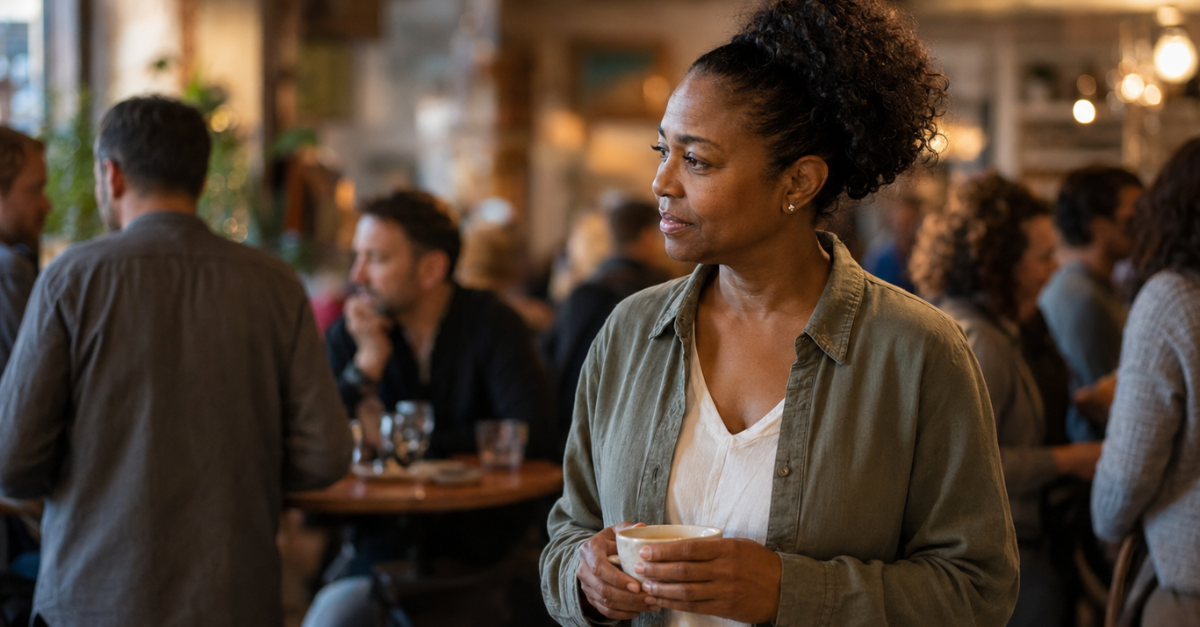
Age: 38 My Story I was thirty-six when my periods started doing something strange. Not dramatically strange, not the kind of thing you’d ring your mum about. My cycle had always been predictable, almost boringly so, just a shift. Twenty-eight days, give or take. Then suddenly it was twenty-three days. Then thirty-five. Then I’d skip one entirely, and just as I started to wonder, it would come back heavier than ever, like it was making up for lost time. I didn’t think much of it. Bodies do odd things sometimes. I’d had two children; my son was five, my daughter had just turned three, and I assumed everything was still settling after that. I was tired, obviously, but who isn’t with two small children and a part-time admin job? I drank my coffee. I got on with it. But there were other things I couldn’t quite file away so neatly. The heat, for one. Not hot flushes, at least not what I imagined hot flushes to be. More like a sudden internal warming that would rise through my chest at odd moments. Waiting at the school gates. Sitting at my desk and lying in bed at night, pushing the duvet off, pulling it back on, pushing it off again while my husband slept through the whole performance. Then there was the sleep. Or rather, the waking. I’d fall asleep fine but jolt awake at three in the morning, completely alert, my heart beating a little too fast, my mind already racing through tomorrow’s to-do list. I’d lie there for an hour, sometimes two, then finally drift off twenty minutes before the alarm. And the anxiety. That was the one I really couldn’t explain. I’d never been an anxious person, not particularly. But something had crept in, this low hum of dread that sat behind my ribs. I’d be driving to the supermarket and suddenly feel like something terrible was about to happen. Nothing had happened. Nothing was wrong. But my body didn’t seem to know that. I went to the GP about the anxiety first, not the periods. I was embarrassed, actually. I sat in the waiting room rehearsing what I’d say, trying to make it sound reasonable. I told her I’d been feeling on edge. That my sleep was disrupted. That I sometimes felt like I was standing slightly outside my own life, watching myself go through the motions. She was kind. She asked about stress, about the children, about work. She mentioned a low mood questionnaire. And I filled it in, and the score was borderline, and she suggested we try some talking therapy and see how things went. I didn’t mention the periods. They didn’t seem relevant. It was another six months before I brought them up, and only because they’d become impossible to ignore. One month I bled for twelve days. The next, nothing at all. I was getting through super-plus tampons in a couple of hours. I started carrying a spare pair of trousers in the car, just in case. This time I saw a different GP. She was younger, maybe my age. She asked how long this had been going on. I said a year or so. She asked about other symptoms: sleep, mood, temperature changes, joint pain, brain fog. I said yes to nearly all of them and felt something peculiar as I did, a kind of slow recognition, like watching a picture come into focus. “Has anyone mentioned perimenopause to you?” she asked. I almost laughed. “I’m thirty-seven,” I said. “Isn’t that a bit early?” She told me it wasn’t. That perimenopause can begin in the mid-thirties for some women, sometimes even earlier. That the average age people think of late forties, early fifties is for menopause itself, not the transition leading up to it. The transition, she said, can last years. I sat in my car afterwards and cried. Not because the news was devastating, but because I’d spent over a year thinking something was wrong with me, with my mind, my resilience, my ability to cope, and it turned out my body had been doing something completely natural that nobody had ever warned me about. Not my mother. Not my friends. Not any of the pregnancy books or health-visitor leaflets or well-woman check-ups. Nobody. Looking Back What I keep returning to is how invisible it all was, not just to the people around me, but to me. I had no template for this. When I thought of perimenopause on the rare occasions I thought of it at all, I pictured women in their late forties. Women whose children had left home. Women who looked older than me. I didn’t picture someone still wiping yoghurt off a toddler’s chin. Someone who’d only just stopped breastfeeding. Someone who still got carded at the off-licence occasionally, if the lighting was right. And because I couldn’t see it, I looked for other explanations. I told myself I was burnt out. I told myself I wasn’t exercising enough. I downloaded a meditation app and lasted four days. I bought iron supplements based on a quick internet search. I quietly wondered if my marriage was the problem, if motherhood was the problem, if I was the problem. The anxiety was the cruellest part, because it made me doubt my own thinking. When you feel dread for no reason, you start inventing reasons. You start scanning your life for evidence that something is genuinely wrong. And you find it, because if you look hard enough at any life, you’ll find cracks. I was so focused on holding everything together that I didn’t stop to ask whether the ground had shifted underneath me. What Helped Me Getting the blood tests done was the first step. Not because the numbers told a clear, tidy story they often don’t, my GP explained, since hormone levels fluctuate throughout perimenopause but because the process of being investigated meant I was finally being taken seriously and including by myself. The second GP

Nobody Told Me Perimenopause Could Start This Early: A Real Story at 38 | FemPhases Read More »

I Thought I Was Just Lazy: A Woman’s Story of Perimenopause Fatigue | FemPhases

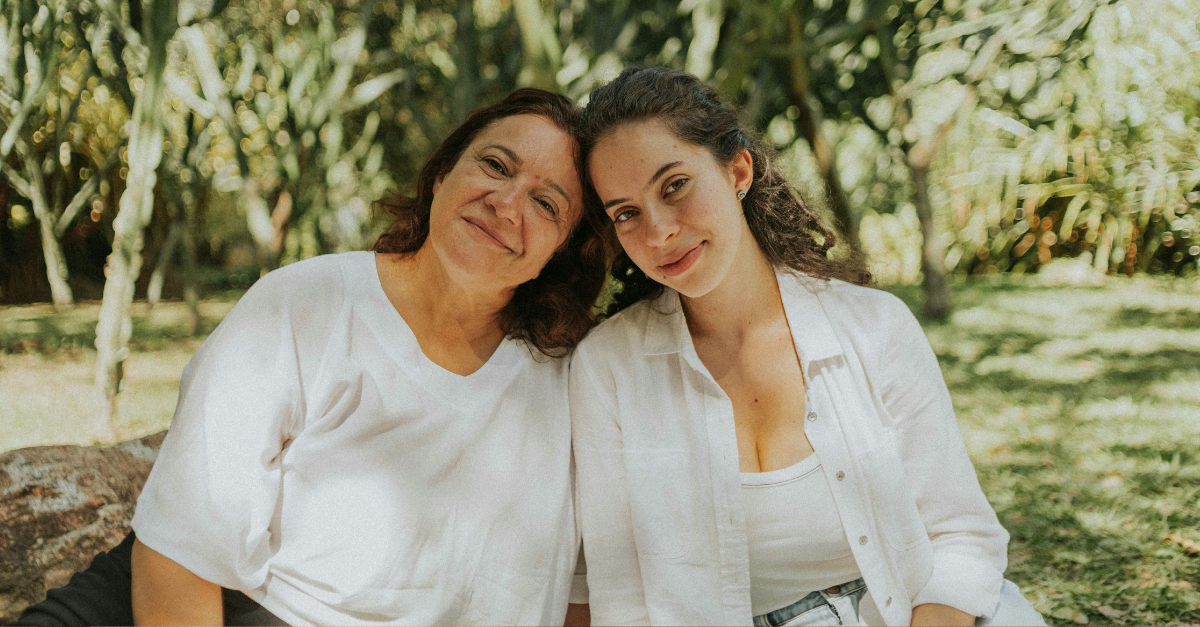
Age: 41 My Story It started with the school run. Not anything specific about it, just that I couldn’t make myself care about being on time anymore. I’d hear the alarm and lie there, staring at the ceiling, counting the minutes until it became a problem. My daughter would be downstairs eating cereal in her uniform, and I’d still be under the duvet, bargaining with myself. Five more minutes. Just five. I’d always been a morning person. The kind who set out clothes the night before, who had lunches packed by half seven. My friends used to joke about it. “You make the rest of us look bad,” my neighbour Sarah once said, passing me a coffee over the garden fence. That version of me felt like someone I’d read about in a book. At first, I blamed the winter. Then I blamed work I’m a teaching assistant, and the year had been relentless. Then I blamed my phone, my sleep, my diet, the news, the rain. I had a running list of reasons, and every single one of them pointed to the same conclusion: I wasn’t trying hard enough. My husband noticed before I did, in his own quiet way. He started putting the kettle on before I came downstairs. He stopped asking if I wanted to go for a walk after dinner. One evening, while I was folding laundry on the sofa, which had become the only place I wanted to be, he sat down next to me and said, “You don’t seem like yourself lately.” I told him I was fine. Just tired. Just busy. Just getting through it. But I wasn’t getting through it. I was falling behind. The laundry sat in the machine for days. I forgot to sign permission slips. I started cancelling plans: a coffee with a friend, a weekend trip to see my sister, not because I didn’t want to go, but because even thinking about getting ready felt like lifting something very heavy. The guilt was the worst part. I’d look at other women my age colleagues, school-gate mums, women on the internet and they seemed to be managing. They were exercising, batch-cooking, and redecorating their spare rooms. And I was sitting in my car in the Tesco car park, unable to go in for milk. I remember one afternoon, maybe March or April, sitting in that car park for a good twenty minutes. The engine was off. I wasn’t on my phone. I was just sitting there, hands in my lap, with this low, flat feeling that I couldn’t name. It wasn’t sadness, exactly. It was more like someone had turned the volume down on everything. Colours looked duller. Food tasted like nothing. Even the things I loved reading, gardening, a Friday night film with my daughter felt like items on a list I was supposed to tick off. I genuinely thought I was becoming lazy. That I was weak. That other women handled this stage of life with more grace, and I was the one who couldn’t keep up. It was my doctor who first mentioned hormones. I’d gone in for something else — a recurring headache, I think — and she asked how I’d been sleeping. I said badly. She asked about my periods. I said they’d been all over the place for about a year. Heavier some months, barely there the next. She asked about my mood. And I started crying in a way I hadn’t expected the kind where your voice goes thin, and you can’t finish the sentence. She didn’t rush me. She said something I still think about: “What you’re describing is really common, and it’s not a character flaw.” That sentence cracked something open. I wasn’t lazy. My body was changing quietly, without warning, without anyone preparing me for what it might feel like. The fatigue, the flatness, the foggy thinking, the weeks where I couldn’t summon enthusiasm for anything none of it meant I was failing. It meant something was shifting beneath the surface, and I hadn’t known to look for it. Looking Back When I think about that period now, what strikes me most is how long I spent blaming myself. Months and months of quiet shame. I’d lie awake at night making mental lists of all the things I hadn’t done, all the ways I was falling short. I compared myself constantly to a version of me that no longer existed the one who bounced out of bed, who ran the household like clockwork, who never needed to sit in a car park and stare at nothing. I didn’t talk about it because I didn’t have the words. “I’m tired all the time” doesn’t begin to capture it. And tired is what everyone is, isn’t it? Tired is normal. So, I assumed I was just handling normal badly. Looking back, I can see that the signs were there much earlier than I realised. The irritability that would flare up over nothing, snapping at my daughter for leaving her shoes in the hallway, then feeling wretched about it afterwards. The brain fog that made me lose track of conversations. The strange new anxiety that crept in around four in the afternoon, every day, like clockwork. My body had been trying to tell me something for a long time. I just didn’t have the framework to understand what I was hearing. What Helped Me The first thing that helped was simply being told it wasn’t my fault. That sounds small, but it changed everything. Once I stopped spending all my energy on self-blame, I had a little bit left over actually to look after myself. My doctor referred me for blood work, and we talked through my options. I’m not going to go into specifics because every woman’s situation is different, but having a conversation with someone who took me seriously and didn’t dismiss what I was feeling as “just stress” was the turning point. I started being honest with the

I Thought I Was Just Lazy: A Woman’s Story of Perimenopause Fatigue | FemPhases Read More »