Femphases: Helping women understand hormones, emotions, and midlife health.

Trust Bar Marquee

Nurse Advice & Daily Care

Hormonal Imbalance in Women: Causes & Symptoms

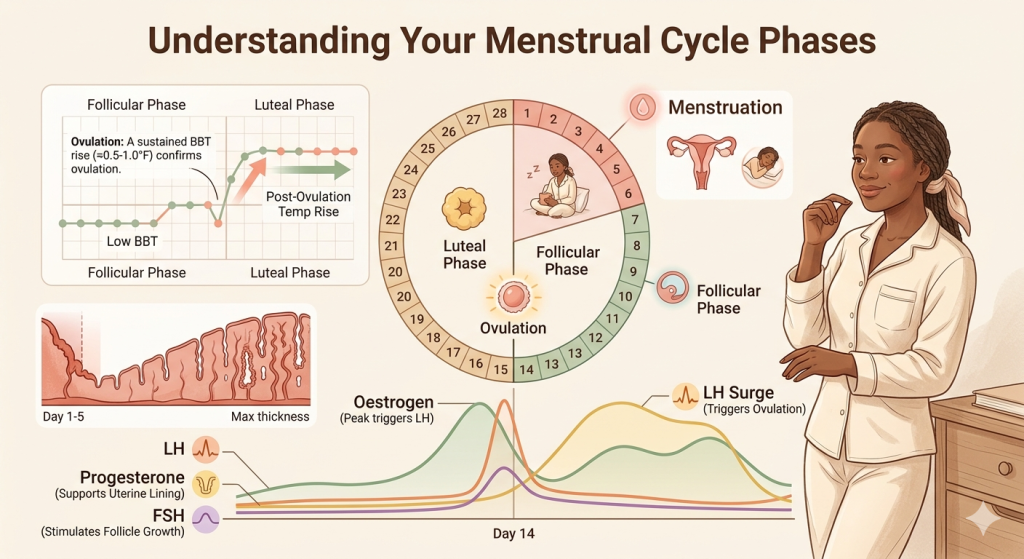
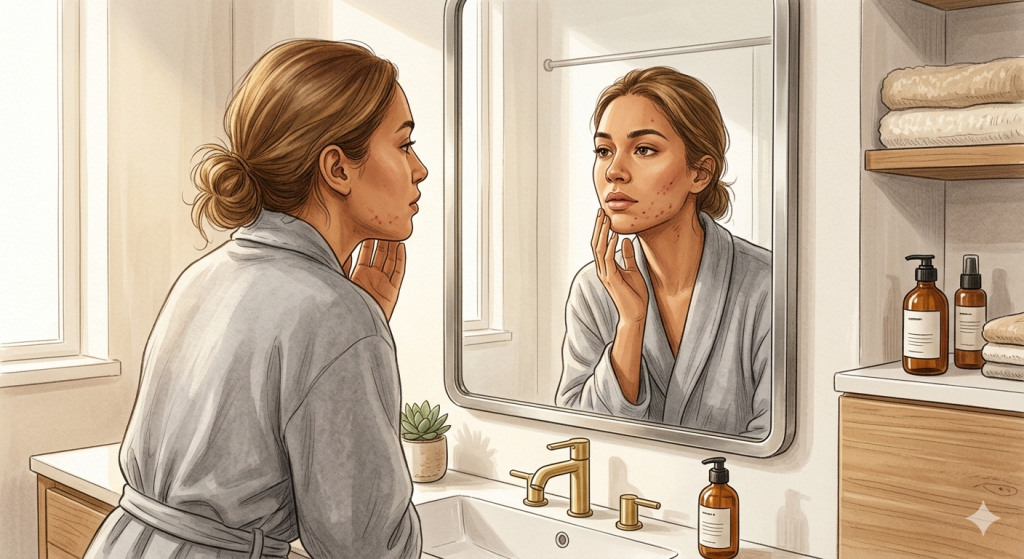
Introduction When your body starts behaving differently, it can feel unsettling. Maybe your periods have changed, your moods feel harder to steady, your sleep is broken, your skin is flaring, or you feel tired in a way that rest does not fix. Many of us wonder, quietly, “Is this hormones?” The causes of hormonal imbalance in women can include normal life stages, stress, thyroid problems, PCOS, perimenopause, medication effects, pregnancy-related changes, and other medical conditions. This guide explains what hormonal imbalance is, why it happens, the symptoms to watch for, what is common, and when it is safer to get checked. What Is Hormonal Imbalance? Hormonal imbalance means one or more hormones are higher, lower, or fluctuating in a way that affects how the body feels or functions. Hormones are chemical messengers. They help regulate periods, ovulation, fertility, mood, metabolism, sleep, temperature control, skin, hair growth, appetite, energy, and sexual well-being. Important hormones in women’s health include oestrogen, progesterone, testosterone, thyroid hormones, insulin, cortisol, prolactin, and reproductive hormones such as FSH and LH. A hormonal imbalance can affect women and people assigned female at birth at any age. It may happen during puberty, after stopping contraception, during pregnancy or after birth, during perimenopause and menopause, or because of conditions such as PCOS or thyroid disease. PCOS is described by the Office on Women’s Health as a condition involving hormonal imbalance and metabolism problems, affecting about 1 in 10 women of childbearing age. (Office on Women’s Health) PCOS Symptoms: What Irregular Periods May Be Telling You Why Does It Happen? The causes of hormonal imbalance in women are not always one single thing. Sometimes hormones shift during a normal transition. Other times, symptoms are a sign that something needs to be assessed. i. Life stage hormone changes Hormones naturally fluctuate across the menstrual cycle. Oestrogen and progesterone rise and fall each month, which can affect mood, energy, sleep, appetite, breast tenderness, discharge, and bleeding patterns. Perimenopause is another major hormone transition. Oestrogen can fluctuate unpredictably before periods stop, and this may cause hot flushes, night sweats, sleep disturbance, mood changes, brain fog, vaginal dryness, joint aches, heavier or irregular periods, and changes in libido. NICE guidance covers identifying and managing menopause, including premature ovarian insufficiency. (NICE) Pregnancy, miscarriage, abortion, breastfeeding, and the months after birth can also bring strong hormone shifts. These changes can affect bleeding, mood, hair shedding, sleep, skin, pelvic symptoms, and energy. ii. PCOS and ovulation problems PCOS is one of the common causes of hormonal imbalance in women, especially when symptoms include irregular periods, acne, increased facial or body hair, scalp hair thinning, weight changes, or difficulty getting pregnant. NHS guidance notes that women with PCOS may ovulate infrequently, leading to irregular or absent periods and fertility difficulties. (nhs.uk) iii. Thyroid problems The thyroid helps regulate metabolism, body temperature, heart rate, bowel habits, menstrual cycles, mood, and energy. An underactive thyroid may cause fatigue, weight gain, constipation, low mood, dry skin, hair thinning, heavy periods, and feeling cold. An overactive thyroid may cause anxiety, palpitations, weight loss, sweating, diarrhoea, tremor, lighter or irregular periods, and heat intolerance. iv. Stress, sleep, and blood sugar Stress does not “ruin” hormones overnight, but chronic stress, poor sleep, under-eating, over-exercising, alcohol, high caffeine intake, and unstable blood sugar can worsen symptoms. Cortisol, insulin, reproductive hormones, and thyroid function all interact. This is why the causes of hormonal imbalance in women often include both medical and lifestyle contributors. vi. Other possible medical causes Symptoms may also be linked to endometriosis, fibroids, adenomyosis, high prolactin, diabetes or insulin resistance, eating disorders, adrenal conditions, premature ovarian insufficiency, medication side effects, or gynaecological conditions affecting the womb or ovaries. Hormonal Acne: Causes and Treatment Options Signs and Symptoms Hormonal symptoms can be obvious, subtle, or easily mistaken for stress, burnout, ageing, or “just life.” Common symptoms include: Irregular periods Missed periods Heavy bleeding or flooding Bleeding between periods Painful periods Hot flushes or night sweats Mood swings, anxiety, irritability, or low mood Poor sleep or waking in the early hours Fatigue that feels out of proportion Brain fog or poor concentration Acne or oily skin Facial hair growth or scalp hair thinning Weight gain or difficulty losing weight Breast tenderness Low libido Vaginal dryness or pain with sex Headaches or migraines that follow a cycle Bloating, cravings, or appetite changes Palpitations or feeling shaky Feeling unusually cold or hot Constipation or diarrhoea Less obvious symptoms may include recurrent thrush-like irritation, urinary symptoms, joint aches, dry eyes, worsening PMS, emotional sensitivity, dizziness, and reduced exercise tolerance. What Is Normal and When to Pay Attention? Some hormonal changes are common, but “common” does not always mean “ignore it.” The key question is whether symptoms are new, worsening, disruptive, unusual for you, or linked with red flags. a. Common Changes These can be common but are still worth tracking: Mild PMS before a period Slight cycle variation from month to month Breast tenderness before bleeding Heavier or irregular periods during perimenopause Temporary cycle changes after illness, travel, stress, or stopping hormonal contraception Hair shedding after childbirth Mild hot flushes during perimenopause Mood changes that improve once bleeding starts b. Needs Urgent Attention Please seek urgent medical help or same-day advice if you have: Very heavy bleeding, soaking pads quickly, or passing large clots Bleeding after menopause Bleeding after sex Severe pelvic or abdominal pain Chest pain, shortness of breath, fainting, or sudden weakness Pregnancy with pain, bleeding, dizziness, or shoulder-tip pain New breast lump, nipple discharge, or skin changes Unexplained weight loss Symptoms of anaemia such as breathlessness, dizziness, racing heart, or extreme fatigue Severe mood changes, feeling unsafe, or thoughts of self-harm NHS guidance states that postmenopausal bleeding should be assessed and that people should be referred to a specialist clinic or hospital. (nhs.uk) ACOG also highlights that bleeding after menopause should be discussed with an obstetrician-gynaecologist. (acog.org) Evidence-Based Solutions Treatment depends on the cause, severity, age, pregnancy status, menopause stage, medical history, medication use, fertility

Hormonal Imbalance in Women: Causes & Symptoms Read More »
Why Do My Hormones Feel Out of Balance? Common Causes, Symptoms, and What May Help

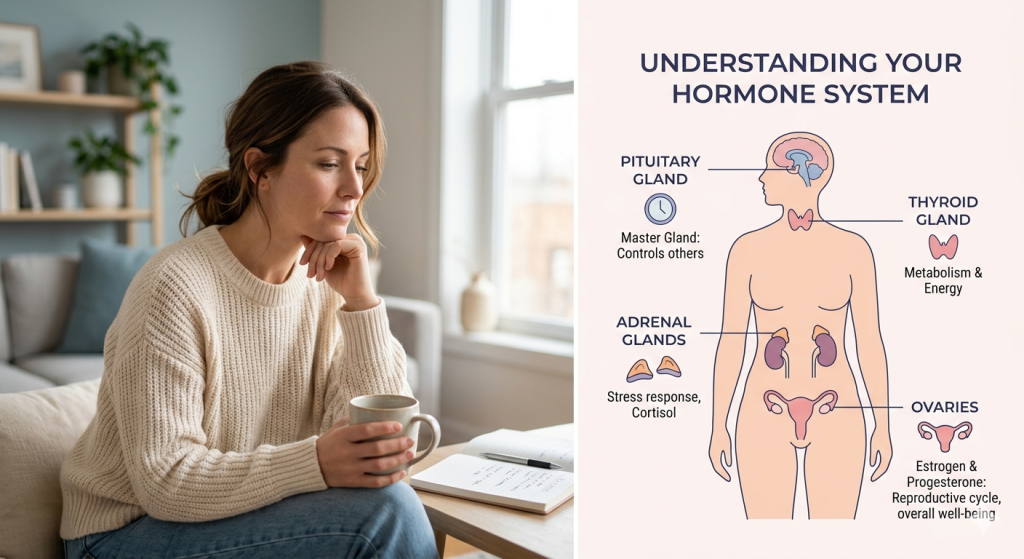
Who this article is for This article is for women who feel “not quite right” in their body and want a clearer, calmer explanation of what people often mean when they say their hormones feel out of balance. Have you been thinking, something feels off, but I cannot put my finger on it? Maybe your periods have changed, your skin is breaking out, your sleep is worse, or your mood feels less steady than usual. It is common to reach for the phrase “my hormones feel out of balance” when several symptoms seem to show up at once. That feeling is real, but the phrase itself can cover a lot of different things. Sometimes it points to a normal life stage, like perimenopause. Sometimes it reflects a specific health issue, such as PCOS or a thyroid condition. And sometimes it is a sign that your body needs a closer look rather than more guessing. Quick answer When your hormones feel out of balance, it usually means one or more hormones may be changing in a way that is affecting how you feel physically or emotionally. Hormones help regulate periods, ovulation, energy, temperature, skin, hair, and metabolism, so that shifts can show up in many ways. Some hormone changes are normal. Others are worth checking if symptoms are ongoing, disruptive, or new for you. What does this symptom or problem mean? Hormones are chemical messengers. They travel through the bloodstream and help control how different parts of the body work. Even small changes can affect big areas of daily life, including menstrual cycles, fertility, sleep, appetite, temperature regulation, and mood. That is why the feeling of being “off” can seem so broad and hard to describe. When women say their hormones feel out of balance, they often mean one of two things. The first is that they are noticing real symptoms that may be linked to hormone shifts. The second is that they are using a familiar phrase to describe a mix of changes that still need proper explanation. In other words, “hormones” may be part of the story, but the next step is figuring out which hormones, what kind of change, and whether it fits a normal pattern or a medical condition. This is important because the same general feeling can come from different causes. Irregular periods and acne may suggest one pattern. Fatigue, feeling cold, and heavier periods may suggest another. Hot flushes, broken sleep, and cycle changes may fit a different life stage entirely.              Hormonal Imbalance in Women: Signs, Causes, and When to Seek Help Why does it happen? It happens because hormones work like part of a communication network. The brain, ovaries, thyroid, adrenal glands, pancreas, and other organs all send and respond to signals. If one part of that system changes, the effects can ripple outward. For example, if ovulation is not happening regularly, oestrogen and progesterone patterns can become less predictable, which may affect periods, mood, and bleeding patterns. That is one reason women with PCOS often have irregular or absent periods. NHS guidance notes that women with PCOS may ovulate infrequently or not at all, which can make cycles irregular and affect fertility. If the thyroid is underactive, the body’s functions tend to slow down. This can manifest as fatigue, weight gain, dry skin, hair changes, heavier or irregular periods, and fertility problems. If the thyroid is overactive, body functions can speed up, sometimes causing heat intolerance, a fast heartbeat, shakiness, or weight loss. Hormonal shifts can also occur during life stages. Around menopause, for example, changes in ovarian hormone production can affect periods, sleep, temperature regulation, and mood. That does not mean something is “wrong,” but it can still have a real impact on daily life. Common causes or triggers Some of the most common reasons women feel hormonally “off” include: PCOS This is one of the most common hormone-related conditions in women. Common signs include irregular or absent periods, acne, excess hair growth, thinning hair, and fertility difficulties. Perimenopause or menopause This can cause changing periods, hot flushes, night sweats, mood changes, vaginal dryness, and sleep problems. Thyroid problems An underactive or overactive thyroid can affect energy, weight, temperature tolerance, mood, heart rate, hair, and menstrual patterns. Pregnancy and postpartum changes Hormone levels change dramatically during pregnancy and after birth, which can affect mood, bleeding patterns, body temperature, sleep, and energy levels. Hormone-related symptoms can overlap with normal postpartum recovery, so context matters. Raised prolactin in some cases Higher-than-normal prolactin can affect how the ovaries work and may cause menstrual changes or fertility problems. Hormonal contraception sometimes changes bleeding patterns. Some hormonal contraceptives can cause irregular bleeding or spotting, especially early on. The key point is that “hormones feel out of balance” is not one diagnosis. It is a starting point for understanding what pattern may be underneath. Related hormonal or body changes Hormone-related symptoms rarely come alone. They often travel in clusters, which is why paying attention to patterns can be so helpful. You might notice: periods becoming irregular, lighter, heavier, or stopping unexpectedly acne or oilier skin facial hair growth or hair thinning new sleep problems hot flushes or night sweats low mood, irritability, or feeling more emotionally sensitive unexplained weight changes feeling unusually cold or unusually hot lower sex drive trouble getting pregnant or signs that ovulation is irregular Simple biology sits underneath these changes. Ovarian hormones affect the menstrual cycle and reproductive tissues. Thyroid hormones affect how the body uses energy. Androgens can influence acne, hair growth, and scalp hair thinning. Prolactin can affect ovarian function. Once you see hormones as messengers rather than mysterious forces, the symptoms often make more sense. What Does Implantation Bleeding Look Like? Signs, Timing, and When to Check In What can make it worse? Even when an underlying cause needs medical attention, certain things can make symptoms feel more noticeable or harder to cope with. These can include: poor sleep big changes in routine ongoing

Why Do My Hormones Feel Out of Balance? Common Causes, Symptoms, and What May Help Read More »

Hormonal Imbalance in Women: Signs, Causes, and When to Seek Help

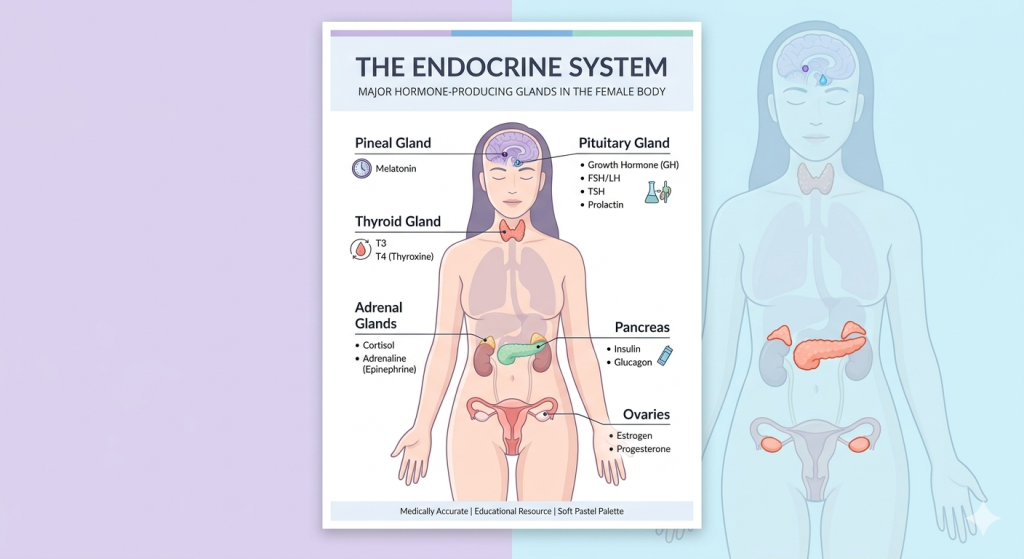
Introduction Have you ever felt as though your body is suddenly “off” and you cannot quite explain why? Maybe your periods have changed, your skin is breaking out, your sleep feels different, or your mood seems less steady than usual. It is very common to wonder, “Is this a hormonal imbalance?” That phrase gets used a lot, but it can feel vague and confusing. The good news is that it does have a real meaning. The more important part is understanding what hormones do, how changes can show up in daily life, and when a symptom is worth checking properly rather than guessing. Quick answer A hormonal imbalance means one or more hormones are too high, too low, or not working in the usual way for your body. Hormones help control things like periods, ovulation, metabolism, mood, sleep, and temperature regulation, so shifts can affect many parts of how you feel. Sometimes these changes are part of a normal life stage, but at other times they point to a condition that needs medical review. (MedlinePlus) What is Hormonal Imbalance? Hormones are chemical messengers made by glands in the endocrine system. They travel through the blood and help regulate important functions such as growth, metabolism, fertility, sexual function, mood, and energy use. Even a small change in hormone levels can affect how the body works. (MedlinePlus) When people say “hormonal imbalance,” they usually mean that hormone levels have shifted in a way that is causing symptoms. In women, this often refers to changes involving oestrogen, progesterone, testosterone or other androgens, thyroid hormones, insulin, or stress hormones. It can also be related to life stages such as puberty, pregnancy, perimenopause, and menopause. (Cleveland Clinic) It is worth remembering that hormones naturally rise and fall. So not every fluctuation is a problem. The question is whether the change fits a normal pattern or is causing symptoms that are persistent, disruptive, or unusual for you. Why does it happen? There is no single cause. Hormonal changes can happen for several reasons, and the cause depends on which hormone is involved. Common reasons include: Normal life stages such as puberty, pregnancy, postpartum changes, perimenopause, and menopause (MedlinePlus) PCOS, which can affect ovulation and androgen levels and often causes irregular periods, acne, and excess hair growth (nhs.uk) Thyroid conditions such as hypothyroidism or hyperthyroidism, which can affect weight, mood, energy, heart rate, and periods (MedlinePlus) Insulin resistance or metabolic changes, especially in conditions like PCOS (Cleveland Clinic) Certain medicines or health conditions, depending on your situation (MedlinePlus) In everyday life, many women use “hormonal imbalance” as a catch-all phrase for symptoms that may actually have different underlying causes. That is why it is important not to self-diagnose based on a single symptom. Signs or symptoms Symptoms vary widely because different hormones do different jobs. A change in estrogen will not always look the same as a thyroid problem or PCOS. Possible signs can include: irregular periods, missed periods, or very heavy bleeding acne or oily skin unwanted facial or body hair thinning hair or hair loss hot flushes or night sweats sleep problems mood changes low energy or fatigue unexplained weight change reduced sex drive vaginal dryness fertility difficulties or trouble ovulating (nhs.uk) Not all of these symptoms automatically mean a hormone disorder. For example, hot flushes and cycle changes are common around menopause, while acne and irregular periods may point more toward PCOS in some women. Thyroid problems can also mimic many other issues because thyroid hormones affect how the body uses energy. (NIDDK) A medically responsible reminder here: symptoms alone cannot tell you exactly which hormone is involved. Testing, timing, and a full clinical picture matter. What is normal, and when to pay attention Hormonal fluctuations are a normal part of being human. Menstrual cycles are not perfectly identical every month. Perimenopause can bring changing periods, sleep disruption, and temperature changes. Pregnancy and the months after birth also involve major hormonal shifts. (MedlinePlus) What deserves closer attention is when symptoms are: new and persistent getting worse interfering with daily life affecting your periods, fertility, sleep, or mental well-being paired with other body changes such as hair loss, excess hair growth, or rapid weight change Pay particular attention if your periods become very irregular, stop unexpectedly when pregnancy is not the reason, become unusually heavy, or are joined by symptoms such as acne, unwanted hair growth, or fertility difficulty. That pattern can sometimes be seen with PCOS, but it still needs proper assessment. (nhs.uk) It also helps to look for patterns rather than isolated bad days. Keeping a simple record of your cycle, sleep, mood, skin changes, headaches, and energy can make it easier to spot recurring patterns and help a doctor assess you.   When to speak to a doctor Speak to a doctor or qualified healthcare professional if: your periods have changed significantly you are missing periods and are not pregnant you are struggling with severe acne, excess hair growth, or hair thinning you have symptoms of menopause that are affecting daily life you have ongoing fatigue, weight change, or mood changes without a clear reason you are trying to conceive, and your cycles seem irregular something does not feel right, and it is not settling A doctor may ask about your cycle, symptoms, medications, and health history. Depending on the picture, they may suggest blood tests or other checks. Hormone testing is sometimes useful, but it is not always as simple as testing “all hormones” once, because some hormones naturally change during the month, and results need context. (MedlinePlus) Seek urgent medical advice if heavy bleeding is severe, you feel faint, have chest pain, or have other sudden or alarming symptoms. Key takeaway A hormonal imbalance is not a single diagnosis. It is a way of describing symptoms that may happen when hormones are too high, too low, or behaving differently than expected. Sometimes this is part of a normal life stage. Sometimes it is linked to conditions such as PCOS

Hormonal Imbalance in Women: Signs, Causes, and When to Seek Help Read More »