

When your body starts behaving differently, it can feel unsettling. Maybe your periods have changed, your moods feel harder to steady, your sleep is broken, your skin is flaring, or you feel tired in a way that rest does not fix. Many of us wonder, quietly, “Is this hormones?” The causes of hormonal imbalance in women can include normal life stages, stress, thyroid problems, PCOS, perimenopause, medication effects, pregnancy-related changes, and other medical conditions.
This guide explains what hormonal imbalance is, why it happens, the symptoms to watch for, what is common, and when it is safer to get checked.
What Is Hormonal Imbalance?
Hormonal imbalance means one or more hormones are higher, lower, or fluctuating in a way that affects how the body feels or functions.
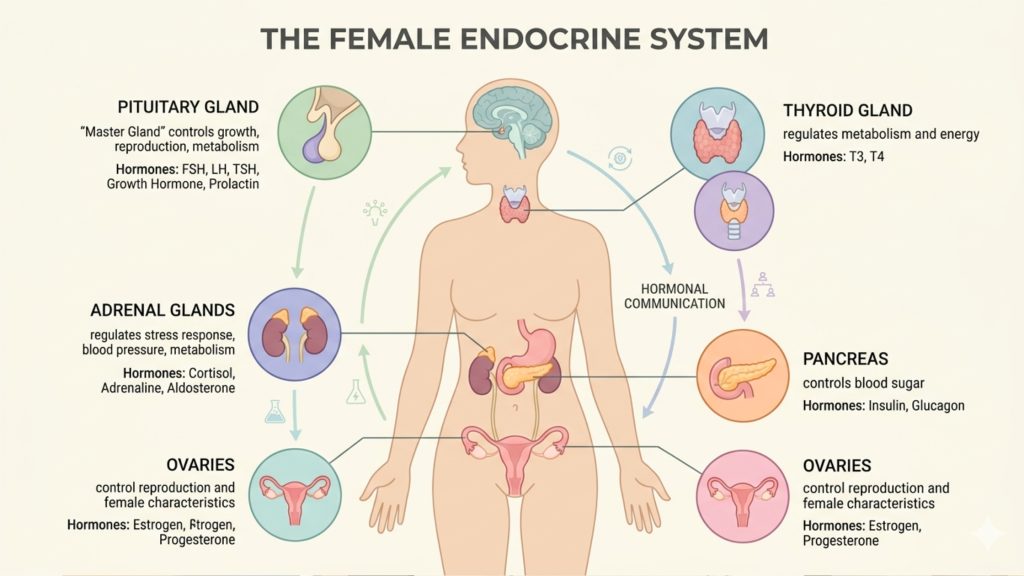
Hormones are chemical messengers. They help regulate periods, ovulation, fertility, mood, metabolism, sleep, temperature control, skin, hair growth, appetite, energy, and sexual well-being. Important hormones in women’s health include oestrogen, progesterone, testosterone, thyroid hormones, insulin, cortisol, prolactin, and reproductive hormones such as FSH and LH.
A hormonal imbalance can affect women and people assigned female at birth at any age. It may happen during puberty, after stopping contraception, during pregnancy or after birth, during perimenopause and menopause, or because of conditions such as PCOS or thyroid disease. PCOS is described by the Office on Women’s Health as a condition involving hormonal imbalance and metabolism problems, affecting about 1 in 10 women of childbearing age. (Office on Women’s Health)
PCOS Symptoms: What Irregular Periods May Be Telling You
Why Does It Happen?
The causes of hormonal imbalance in women are not always one single thing. Sometimes hormones shift during a normal transition. Other times, symptoms are a sign that something needs to be assessed.
i. Life stage hormone changes
Hormones naturally fluctuate across the menstrual cycle. Oestrogen and progesterone rise and fall each month, which can affect mood, energy, sleep, appetite, breast tenderness, discharge, and bleeding patterns.
Perimenopause is another major hormone transition. Oestrogen can fluctuate unpredictably before periods stop, and this may cause hot flushes, night sweats, sleep disturbance, mood changes, brain fog, vaginal dryness, joint aches, heavier or irregular periods, and changes in libido. NICE guidance covers identifying and managing menopause, including premature ovarian insufficiency. (NICE)
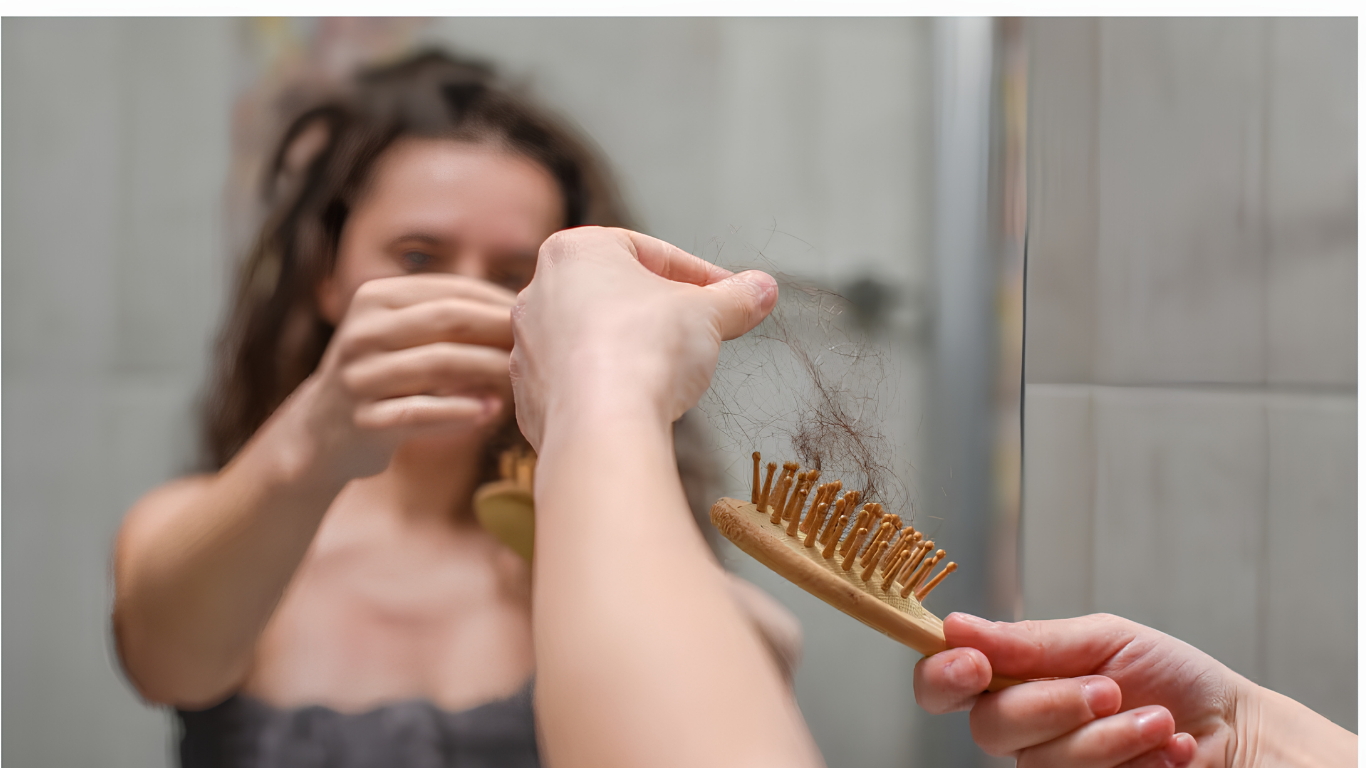
Pregnancy, miscarriage, abortion, breastfeeding, and the months after birth can also bring strong hormone shifts. These changes can affect bleeding, mood, hair shedding, sleep, skin, pelvic symptoms, and energy.
ii. PCOS and ovulation problems
PCOS is one of the common causes of hormonal imbalance in women, especially when symptoms include irregular periods, acne, increased facial or body hair, scalp hair thinning, weight changes, or difficulty getting pregnant. NHS guidance notes that women with PCOS may ovulate infrequently, leading to irregular or absent periods and fertility difficulties. (nhs.uk)
iii. Thyroid problems
The thyroid helps regulate metabolism, body temperature, heart rate, bowel habits, menstrual cycles, mood, and energy. An underactive thyroid may cause fatigue, weight gain, constipation, low mood, dry skin, hair thinning, heavy periods, and feeling cold. An overactive thyroid may cause anxiety, palpitations, weight loss, sweating, diarrhoea, tremor, lighter or irregular periods, and heat intolerance.
iv. Stress, sleep, and blood sugar
Stress does not “ruin” hormones overnight, but chronic stress, poor sleep, under-eating, over-exercising, alcohol, high caffeine intake, and unstable blood sugar can worsen symptoms. Cortisol, insulin, reproductive hormones, and thyroid function all interact. This is why the causes of hormonal imbalance in women often include both medical and lifestyle contributors.
vi. Other possible medical causes
Symptoms may also be linked to endometriosis, fibroids, adenomyosis, high prolactin, diabetes or insulin resistance, eating disorders, adrenal conditions, premature ovarian insufficiency, medication side effects, or gynaecological conditions affecting the womb or ovaries.
Signs and Symptoms
Hormonal symptoms can be obvious, subtle, or easily mistaken for stress, burnout, ageing, or “just life.”
Common symptoms include:
- Irregular periods
- Missed periods
- Heavy bleeding or flooding
- Bleeding between periods
- Painful periods
- Hot flushes or night sweats
- Mood swings, anxiety, irritability, or low mood
- Poor sleep or waking in the early hours
- Fatigue that feels out of proportion
- Brain fog or poor concentration
- Acne or oily skin
- Facial hair growth or scalp hair thinning
- Weight gain or difficulty losing weight
- Breast tenderness
- Low libido
- Vaginal dryness or pain with sex
- Headaches or migraines that follow a cycle
- Bloating, cravings, or appetite changes
- Palpitations or feeling shaky
- Feeling unusually cold or hot
- Constipation or diarrhoea
Less obvious symptoms may include recurrent thrush-like irritation, urinary symptoms, joint aches, dry eyes, worsening PMS, emotional sensitivity, dizziness, and reduced exercise tolerance.
What Is Normal and When to Pay Attention?
Some hormonal changes are common, but “common” does not always mean “ignore it.” The key question is whether symptoms are new, worsening, disruptive, unusual for you, or linked with red flags.
a. Common Changes
These can be common but are still worth tracking:
- Mild PMS before a period
- Slight cycle variation from month to month
- Breast tenderness before bleeding
- Heavier or irregular periods during perimenopause
- Temporary cycle changes after illness, travel, stress, or stopping hormonal contraception
- Hair shedding after childbirth
- Mild hot flushes during perimenopause
- Mood changes that improve once bleeding starts
b. Needs Urgent Attention
Please seek urgent medical help or same-day advice if you have:
- Very heavy bleeding, soaking pads quickly, or passing large clots
- Bleeding after menopause
- Bleeding after sex
- Severe pelvic or abdominal pain
- Chest pain, shortness of breath, fainting, or sudden weakness
- Pregnancy with pain, bleeding, dizziness, or shoulder-tip pain
- New breast lump, nipple discharge, or skin changes
- Unexplained weight loss
- Symptoms of anaemia such as breathlessness, dizziness, racing heart, or extreme fatigue
- Severe mood changes, feeling unsafe, or thoughts of self-harm
NHS guidance states that postmenopausal bleeding should be assessed and that people should be referred to a specialist clinic or hospital. (nhs.uk) ACOG also highlights that bleeding after menopause should be discussed with an obstetrician-gynaecologist. (acog.org)
Evidence-Based Solutions
Treatment depends on the cause, severity, age, pregnancy status, menopause stage, medical history, medication use, fertility goals, and personal preferences. The safest first step is not to guess. It is to notice the pattern, document the symptoms, and arrange a proper assessment when symptoms are persistent, disruptive, or concerning.
a. Medical Interventions
Your doctor, nurse practitioner, gynaecologist, or endocrinologist may discuss:
- Symptom history and cycle tracking: Timing matters. Symptoms before a period may point toward PMS or PMDD, while missed periods, acne, or facial hair may suggest PCOS.
- Blood tests: These may include thyroid function, full blood count, ferritin/iron, pregnancy test, prolactin, testosterone or androgens, glucose or HbA1c, and other tests depending on symptoms.
- Hormone testing: Hormone tests can be useful in some situations, but they are not always needed for perimenopause in women over 45 when symptoms are typical. NICE guides menopause identification and management. (NICE)
- Ultrasound: This may be used for heavy bleeding, pelvic pain, suspected fibroids, ovarian cysts, or womb-lining concerns.
- Hormonal contraception: The combined pill, patch, ring, progestogen-only methods, injection, implant, or hormonal coil may help with bleeding, pain, acne, cycle control, or contraception.
- HRT: For suitable women, hormone replacement therapy may help menopausal symptoms such as hot flushes, night sweats, sleep disturbance, vaginal symptoms, and mood changes. NICE and the British Menopause Society both provide guidance and support on treatment options for menopause. (NICE)
- Non-hormonal medication: Some women cannot or prefer not to use hormonal treatment. Non-hormonal options may be considered for heavy bleeding, pain, hot flushes, mood symptoms, or sleep, depending on the cause.
- Iron treatment: Heavy bleeding can lead to low iron or anaemia. Iron replacement may be needed if blood tests confirm deficiency.
- Referral: A specialist referral may be needed for complex PCOS, thyroid disease, fertility concerns, severe menopause symptoms, pelvic pain, abnormal bleeding, suspected endometriosis, or postmenopausal bleeding.
- Surgery or procedures: Fibroids, polyps, endometriosis, ovarian cysts, or abnormal womb lining may sometimes require procedures, but this depends on diagnosis and individual circumstances.
b. Holistic and Lifestyle Support
Lifestyle support does not replace medical assessment, but it can reduce symptom load and help the body feel steadier.
- Nutrition: Aim for regular meals with enough protein, fibre, healthy fats, and colourful plant foods.
- Blood sugar support: Pair carbohydrates with protein or fibre to reduce energy crashes, cravings, shakiness, and irritability.
- Protein: Include protein at breakfast where possible, especially if you wake tired or crave sugar later.
- Fibre: Fibre supports gut health, cholesterol, blood sugar balance, and regular bowel movements.
- Sleep: Keep a consistent sleep rhythm where possible. Night sweats, anxiety, pain, or frequent urination should be assessed if they continue.
- Stress management: Breathwork, therapy, journaling, rest, boundaries, and reducing overload can help calm the nervous system.
- Movement: Walking, mobility work, and gentle cardio can support mood and insulin sensitivity.
- Strength training: Resistance exercise is especially helpful during perimenopause and menopause for muscle, bone, metabolism, and confidence.
- Alcohol and caffeine: Reducing alcohol and high caffeine intake may help hot flushes, anxiety, palpitations, sleep, and breast tenderness.
- Symptom tracking: Track bleeding, cycle length, pain, mood, sleep, skin, hot flushes, migraines, weight changes, and triggers.
- Supplements: Be cautious. Supplements can interact with medication, pregnancy, breastfeeding, surgery, thyroid treatment, or hormone-sensitive conditions. They should not be presented as cures.
When to See a Doctor
Book a medical appointment if symptoms are new, persistent, worsening, or affecting daily life. You should also seek help if you have irregular periods for several months, missed periods without a clear reason, fertility concerns, acne or hair growth changes, heavy bleeding, bleeding between periods, pelvic pain, symptoms of thyroid disease, or menopause symptoms that are difficult to manage.
Get urgent help for heavy bleeding, bleeding after menopause, bleeding after sex, severe pain, fainting, chest pain, shortness of breath, sudden weakness, pregnancy concerns, new breast changes, unexplained weight loss, anaemia symptoms, severe mood changes, or thoughts of self-harm.
Key Takeaway
The causes of hormonal imbalance in women can range from normal life-stage changes to treatable conditions such as PCOS, thyroid disease, perimenopause, insulin resistance, fibroids, or other gynaecological concerns. Track what is changing, notice when symptoms happen, and seek medical advice if symptoms are intense, persistent, unusual for you, or linked with bleeding, pain, pregnancy, breast changes, anaemia symptoms, or severe mood changes.
You are not overreacting for wanting answers. Your body is giving information, and you deserve to be listened to.

Frequently Asked Questions
1. What are the most common causes of hormonal imbalance in women?
Common causes include menstrual cycle changes, PCOS, thyroid problems, perimenopause, pregnancy-related changes, stress, sleep disruption, insulin resistance, certain medications, and gynaecological conditions.
2. How do I know if my symptoms are hormonal?
Symptoms may be hormonal if they follow a cycle, change around periods, appear during perimenopause, or include irregular bleeding, hot flushes, acne, hair changes, mood shifts, fatigue, or fertility changes. Testing may be needed.
3. Can stress cause hormonal imbalance in women?
Stress can worsen hormonal symptoms by affecting sleep, cortisol, appetite, blood sugar, and cycle regularity. But stress should not be blamed automatically, especially when symptoms are new, severe, or persistent.
4. Can hormonal imbalance cause weight gain?
Yes, some hormone-related conditions can contribute to weight changes, including PCOS, thyroid disease, insulin resistance, perimenopause, poor sleep, and some medications. Weight gain should be assessed alongside other symptoms.
5. What blood tests check hormone imbalance?
Tests may include thyroid function, full blood count, ferritin, pregnancy test, prolactin, testosterone or androgen levels, glucose or HbA1c, and reproductive hormones. The right tests depend on symptoms and life stage.
6. Is hormonal imbalance treatable?
Often, yes. Treatment may include managing PCOS or thyroid disease, treating heavy bleeding or anaemia, HRT for suitable menopausal symptoms, contraception options, non-hormonal medicines, lifestyle support, or specialist referral.
7. When should I worry about hormonal symptoms?
Worry less about the word “hormonal” and more about red flags: heavy bleeding, bleeding after menopause or sex, severe pain, pregnancy concerns, fainting, chest pain, breathlessness, new breast changes, unexplained weight loss, or thoughts of self-harm.
Not sure where your symptoms fit? Take the Tools and Quizzes to understand your pattern.
Medical Disclaimer
This article is for educational purposes only and does not replace personalised medical advice, diagnosis, or treatment. If you are worried about your symptoms, if your symptoms are getting worse, or if something does not feel right in your body, please speak with your doctor, nurse practitioner, gynaecologist, endocrinologist, or another qualified healthcare professional. Seek urgent medical help for severe, sudden, or concerning symptoms.