
Femphases: Helping women understand hormones, emotions, and midlife health.

Trust Bar Marquee

Nervous System Regulation

Nervous System-Friendly Living for Women

Introduction You know that feeling when your phone buzzes one more time and suddenly you want to cry? Or when someone asks you a simple question and your brain freezes, even though you used to handle ten things at once without thinking? For many women, that constant sense of being “on edge” has become so normal that they barely notice it anymore. The racing thoughts at 2am. The tight shoulders. The exhaustion that sleep does not fix. The irritability that feels unlike you. The sense that your body is stuck in survival mode. This is partly why nervous system-friendly living has become such an important conversation in women’s health. It is not just another wellness trend. In many ways, it is a response to how overwhelmed modern life has become — especially for women balancing work, caregiving, hormones, mental load, emotional labour, financial stress, and constant digital stimulation. At the same time, more research is helping us understand how chronic stress affects the nervous system, hormone health, sleep, inflammation, mood, and even symptoms during perimenopause and menopause. Many women are not “failing to cope.” Their nervous systems are overloaded. And that changes the conversation completely. What Does “Nervous System-Friendly Living” Actually Mean? At its core, nervous system-friendly living means creating daily habits, routines, environments, and expectations that help your body feel safer, calmer, and less overwhelmed. It does not mean avoiding stress completely. That is impossible. Instead, it means reducing unnecessary stress overload while helping your nervous system recover more effectively from everyday life. Your nervous system is constantly scanning for safety and danger. This happens automatically, often without conscious awareness. When stress becomes chronic, the body can remain stuck in a prolonged “fight, flight, freeze, or fawn” state. Over time, this may contribute to symptoms such as: Anxiety Irritability Poor sleep Fatigue Brain fog Digestive issues Muscle tension Heart palpitations Emotional overwhelm Burnout Increased sensitivity to stress Feeling emotionally numb or disconnected For women in perimenopause or menopause, fluctuating hormones can make the nervous system even more sensitive to stress. Declining oestrogen levels may affect mood regulation, sleep quality, temperature control, and stress resilience. British Menopause Society That means the same workload or emotional pressure you managed at 35 may suddenly feel much harder at 45. Not because you are weak. Because your body is changing. Why So Many Women Feel Permanently Overstimulated Modern life places enormous demands on the nervous system. Many women spend years functioning in a constant state of hypervigilance without realising it. You answer messages while making dinner. You remember school forms while attending meetings. You carry emotional responsibility for family members. You worry about ageing parents, finances, children, relationships, work deadlines, and your own health — often all at once. Meanwhile, your nervous system rarely gets genuine rest. Scrolling late at night, multitasking all day, constant notifications, poor sleep, and chronic emotional stress all keep the body physiologically activated. Eventually, the body starts sending signals. Sometimes softly at first. Sometimes loudly. The Link Between Stress Hormones and Women’s Health When we talk about stress, many people think only about emotions. However, stress is also biological. The body releases hormones such as cortisol and adrenaline during stress responses. In short bursts, this is helpful. It helps us respond to danger. The problem happens when stress becomes chronic. Long-term nervous system activation may affect: Sleep quality Blood sugar regulation Appetite and cravings Immune function Mood Menstrual cycles Energy levels Cardiovascular health Research also shows that chronic stress can worsen menopausal symptoms, including hot flushes, anxiety, sleep disturbances, and mood changes. NHS Menopause Overview Importantly, stress does not always come from dramatic trauma. It can also come from: Chronic overwork Emotional caregiving Lack of rest Financial strain Feeling unsafe or unsupported Poor sleep Ongoing uncertainty Constant sensory stimulation This matters because many women minimise their own stress. They tell themselves: “I should be coping better.” “Other people have it worse.” “It’s probably just me.” Yet the body still keeps score. Nervous System-Friendly Living Is Not Laziness This is one of the biggest misconceptions. Rest is often misunderstood in cultures that reward constant productivity. Many women have been conditioned to believe their worth depends on how much they can tolerate, carry, achieve, or sacrifice. As a result, slowing down can feel uncomfortable, unfamiliar, or even guilt-inducing. However, nervous system regulation is not about becoming unproductive. It is about sustainability. Your body was never designed for endless stress without recovery. In fact, recovery is biologically necessary. The nervous system needs periods of safety, calm, pleasure, connection, movement, and restoration to function well. Without those moments, even strong people eventually struggle. Signs Your Nervous System May Be Overloaded Sometimes women do not recognise stress because they are still functioning externally. You can appear capable while feeling completely overwhelmed on the inside. Possible signs of nervous system overload include: Feeling “tired but wired” Snapping over small things Trouble relaxing Constant muscle tension Feeling emotionally flat Waking at 3 am with racing thoughts Difficulty concentrating Increased anxiety before periods or during perimenopause Digestive discomfort during stressful periods Feeling exhausted after social interaction Becoming highly sensitive to noise or stimulation Feeling like you are always behind These experiences are common. They are also deeply human. What Actually Helps the Nervous System? There is no single magical solution. Nervous system regulation is usually built through consistent small changes rather than dramatic overhauls. That is important because many overwhelmed women do not need more pressure disguised as “self-improvement.” They need support that feels realistic. Implementing small, consistent habits can make women feel capable and hopeful about improving their nervous system health. 1. Prioritising Sleep Without Perfectionism Sleep is one of the most important forms of nervous system recovery. However, many women struggle with sleep during periods of hormonal transition, stress, anxiety, or burnout. Helpful strategies may include: Reducing screen exposure before bed Keeping wake-up times consistent Limiting excessive caffeine late in the day Creating calming evening routines Lowering stimulation before sleep Seeking medical advice

Nervous System-Friendly Living for Women Read More »

Symptoms Women Should Never Ignore

Introduction  It often starts quietly. You tell yourself you’re probably just tired. Maybe stressed. Maybe hormonal. Maybe you’ve simply been carrying too much for too long. You wake up exhausted even after sleeping. Your periods suddenly become heavier. Your heart races while you’re sitting still. You notice brain fog, dizziness, or a strange sense that something in your body feels “off,” even if you can’t fully explain why. And like many women, you keep going anyway. You work. Care for people. Answer messages. Push through the fatigue. Minimise the symptoms. Delay the appointment. Not because you’re careless about your health, but because women are often taught to tolerate discomfort for far too long. The truth is that many symptoms women should never ignore are commonly dismissed as stress, ageing, burnout, anxiety, motherhood, or “just hormones.” Sometimes they are harmless or temporary. However, sometimes they are your body’s early warning system asking for attention, support, and medical evaluation. This article is not here to frighten you. It is here to help you feel calmer, clearer, and more informed about what deserves attention, when to seek help, and why listening to your body matters. Because noticing symptoms early is not overreacting, it is healthcare. Why Women Often Ignore Symptoms Many women become experts at functioning while unwell. Research consistently shows that women’s symptoms are more likely to be minimised, misattributed to anxiety, or overlooked within healthcare systems compared to men. In addition, many women spend years caring for others before themselves. There is also the emotional side of symptom uncertainty. You may wonder: “Am I being dramatic?” “Maybe I’m just stressed.” “Everyone my age feels like this.” “I don’t want to waste anyone’s time.” Those thoughts are incredibly common. Yet persistent, worsening, unusual, or disruptive symptoms deserve attention even if they seem subtle. Knowing the symptoms women should never ignore emphasises early detection, reduces complications, and empowers self-advocacy. Hormone Health Tracker Tool 1. Chest Pain, Pressure, or Shortness of Breath Many women do not realise that heart disease symptoms can look very different in women compared to the classic “crushing chest pain” often described in men. Women may experience: Chest tightness or pressure Jaw pain Shoulder or upper back pain Nausea Sudden sweating Breathlessness Extreme fatigue Dizziness A sense of impending doom Sometimes symptoms are subtle. Sometimes they come and go. Recognising symptoms like chest pain, pressure, or shortness of breath is crucial because cardiovascular disease remains a leading cause of death in women worldwide, empowering you to seek help early. If symptoms are sudden, severe, or involve breathing difficulty, seek urgent medical attention immediately to prevent serious outcomes. Trusted resource: NHS Heart Attack Symptoms 2. Unusual Vaginal Bleeding Changes in bleeding patterns are common during perimenopause. However, some bleeding changes should always be medically evaluated. This includes: Bleeding after menopause Bleeding between periods Extremely heavy periods Bleeding after sex Periods lasting much longer than usual Passing very large clots Sudden major changes in cycle patterns While causes may include hormonal fluctuations, fibroids, adenomyosis, or polyps, abnormal bleeding can occasionally signal endometrial cancer, cervical abnormalities, or other gynaecological conditions. Many women normalise heavy bleeding for years, especially if they have always had painful or difficult periods. Yet severe blood loss can also contribute to iron deficiency anaemia, exhaustion, palpitations, and brain fog. If your bleeding feels significantly different from your normal, trust your instincts and seek medical evaluation promptly. Trusted resource: RCOG Heavy Menstrual Bleeding Information 3. Persistent Exhaustion That Does Not Improve Fatigue is common. Modern life is exhausting. However, profound or persistent exhaustion that continues despite rest deserves medical evaluation. Especially if fatigue is associated with: Breathlessness Weight changes Dizziness Hair loss Poor concentration Night sweats Low mood Sleep disruption Palpitations Persistent fatigue can sometimes be related to: Iron deficiency Thyroid disorders Perimenopause Sleep apnoea Autoimmune conditions Depression or anxiety Diabetes Vitamin deficiencies Chronic stress and nervous system overload Women are frequently praised for functioning through exhaustion. Unfortunately, this can delay diagnosis. Your body is not supposed to feel permanently depleted, and recognising persistent fatigue can help you feel validated and motivated to seek help. Waking Up at 3AM in Perimenopause 4. Sudden Severe Headaches or Neurological Symptoms A sudden severe headache, unlike your usual headaches, should never be ignored. Seek urgent medical attention if a headache occurs alongside: Weakness Facial drooping Vision loss Confusion Difficulty speaking Numbness Loss of balance Seizures These symptoms may indicate neurological emergencies, including stroke. Women also experience migraines more frequently than men, particularly during hormonal transitions. However, new or changing headache patterns should still be assessed. Trusted resource: NHS Stroke Symptoms 5. Unexplained Weight Loss or Appetite Changes Losing weight without trying may sound appealing in diet culture conversations, but medically unexplained weight loss deserves attention. Possible causes include: Thyroid disease Gastrointestinal disorders Diabetes Chronic infections Cancer Depression Anxiety Hormonal conditions Similarly, major appetite changes, ongoing nausea, or a feeling of fullness should not be dismissed as stress without proper evaluation. 6. Ongoing Bloating or Pelvic Pain Many women are told bloating is “normal.” And occasional bloating absolutely can be. However, persistent bloating that lasts most days for several weeks — especially alongside pelvic pain, early fullness, urinary symptoms, or changes in bowel habits — deserves assessment. This is important because ovarian cancer symptoms can initially appear vague and easy to overlook. Symptoms may include: Persistent bloating Pelvic or abdominal pain Feeling full quickly Increased urinary urgency Ongoing digestive changes Most bloating is not ovarian cancer. Nevertheless, persistent symptoms should never be ignored. Trusted resource: NHS Ovarian Cancer Symptoms 7. Severe Mood Changes, Anxiety, or Emotional Symptoms Mental and emotional symptoms are real health symptoms. Women often minimise emotional distress because they believe they should be coping better. However, persistent anxiety, panic attacks, emotional numbness, rage, hopelessness, insomnia, or severe mood shifts deserve support and evaluation. Hormonal transitions can strongly affect emotional well-being, particularly during: Perimenopause Postpartum periods PMDD Thyroid dysfunction Chronic stress states At the same time, emotional symptoms should not automatically

Symptoms Women Should Never Ignore Read More »

Perimenopause Brain Fog: Why It Happens and What Helps

Introduction If you have walked into a room and forgotten why you were there, struggled to find simple words mid-sentence, reread the same email three times, or felt mentally “foggy” for no obvious reason, you are not imagining it. Perimenopause brain fog is a very real experience for many women, and it can feel frustrating, unsettling, and sometimes frightening. Understanding how it affects your daily life can help you seek effective strategies and support. Many of us worry we are becoming forgetful, losing our sharpness, or simply “not coping” anymore. But in many cases, these changes are linked to the hormonal shifts of perimenopause rather than a serious neurological problem. The good news is that perimenopause brain fog is common, understood more clearly than ever before, and often improves with the right support, inspiring hope for better days. Perimenopause Symptom Quiz What Is Perimenopause Brain Fog? Perimenopause brain fog describes changes in memory, concentration, mental clarity, and thinking that happen during the years leading up to menopause. Perimenopause is the transition stage before menopause, when hormone levels begin fluctuating. It can start in our late 30s or 40s and may last several years before periods stop completely. Brain fog is not a formal medical diagnosis. It is a term women often use to describe symptoms such as: Forgetfulness Mental sluggishness Difficulty concentrating Losing track of conversations Word-finding problems Feeling mentally overwhelmed These symptoms can affect work, relationships, and confidence, making women feel more understood and less alone in their experience.  “Perimenopause brain fog is a group of cognitive symptoms linked to hormonal changes during the menopause transition.” Research suggests fluctuating oestrogen levels may affect areas of the brain involved in memory, attention, language, and processing speed. Sleep disruption, stress, anxiety, and fatigue often make symptoms worse. For more information about perimenopause symptoms, the NHS menopause overview provides a helpful overview. Why Does It Happen? Hormonal Changes Oestrogen does much more than regulate periods. It also affects brain chemicals involved in mood, attention, and memory, including serotonin, dopamine, and acetylcholine. During perimenopause, hormone levels fluctuate unpredictably rather than declining smoothly. These rapid changes may affect how efficiently the brain processes information.  “Fluctuating oestrogen levels during perimenopause can affect memory, concentration, and mental clarity.” Some women notice symptoms worsen around their period or alongside hot flushes and sleep disturbances. Sleep Disruption Many women in perimenopause experience: Night sweats Insomnia Frequent waking Poor-quality sleep Even mild sleep deprivation can affect focus, memory, reaction time, and emotional regulation. “Poor sleep can significantly worsen perimenopause brain fog, even when hormone changes are the original trigger.” Stress and Mental Load Women in midlife are often balancing multiple pressures at once: Careers Caring for children Looking after ageing parents Financial stress Relationship changes Emotional burnout Chronic stress raises cortisol levels, which can affect concentration and memory over time. Anxiety and Mood Changes Perimenopause can increase the risk of anxiety and low mood, even in women who have never experienced them before. Anxiety itself can make the brain feel overloaded and less able to process information clearly. Other Medical Causes That Can Overlap Not every case of brain fog is caused by perimenopause alone. Other conditions can mimic or worsen symptoms, including: Iron deficiency anaemia Thyroid disorders Vitamin B12 deficiency Depression ADHD Sleep apnoea Long COVID Medication side effects This is why persistent or severe symptoms deserve proper assessment, helping women feel empowered to seek support when needed. The British Menopause Society explains that menopause symptoms can affect cognitive function and quality of life significantly. Signs and Symptoms Perimenopause brain fog can look different from one woman to another. Common symptoms include: Forgetting appointments or tasks Difficulty concentrating Losing words during conversations Forgetting names Mental fatigue Feeling “scattered” Trouble multitasking Slower thinking speed Difficulty learning new information Feeling overwhelmed by decisions Losing focus while reading Increased irritability from mental overload Less obvious symptoms may include: Reduced confidence at work Social withdrawal Anxiety about memory problems Avoiding conversations Increased dependence on lists or reminders Feeling emotionally “flat” or disconnected Some women describe it as feeling mentally exhausted even after a full night’s sleep. What Is Normal and When to Pay Attention? Women should be aware of symptoms that require urgent medical evaluation. If you experience sudden confusion, severe memory loss, or neurological symptoms like weakness or difficulty speaking, seek immediate medical attention to rule out serious conditions. a. Common Changes These changes can be common during perimenopause but are still worth monitoring: Mild forgetfulness Occasional word-finding difficulty Reduced concentration during stress or poor sleep Mental fatigue that improves with rest Symptoms linked to hormonal fluctuations Tracking symptoms alongside your menstrual cycle, sleep, mood, and stress levels can help identify patterns. b. Needs Urgent Attention Some symptoms should never be dismissed as “just hormones.” Speak to a healthcare professional urgently if you experience: Sudden confusion Severe memory loss Personality changes Difficulty speaking One-sided weakness Fainting Chest pain Shortness of breath Severe headaches Thoughts of self-harm Rapid cognitive decline New neurological symptoms These symptoms may indicate another medical condition requiring urgent assessment. Evidence-Based Solutions There is no single cure for perimenopause brain fog, but many women improve significantly with a combination of medical support, lifestyle changes, symptom management, and treatment of underlying contributors. “Treatment for perimenopause brain fog depends on hormone changes, sleep quality, stress levels, overall health, and individual medical history.” Medical Interventions Medical Assessment A healthcare professional may discuss: Your menstrual history Sleep patterns Mood symptoms Medication use Stress levels Family history Lifestyle factors Blood tests may sometimes be recommended to check: Iron levels Thyroid function Vitamin B12 Vitamin D Blood sugar levels Hormone blood tests are not always necessary for diagnosing perimenopause in women over 45 because symptoms and menstrual changes are often more useful clinically. Hormone Replacement Therapy (HRT) For some women, HRT may improve brain fog, especially when symptoms are linked to hot flushes, sleep disruption, and mood changes. HRT replaces some of the hormones that decline during menopause. It may help by: Improving sleep

Perimenopause Brain Fog: Why It Happens and What Helps Read More »

Does HRT Increase Breast Cancer Risk? What the Latest Evidence Says

Introduction:  If you have been thinking about HRT but feel nervous because of breast cancer headlines, you are not alone. HRT and breast cancer risk is one of the most searched, most misunderstood, and most emotionally loaded menopause topics. Many women are left wondering: Am I putting myself in danger, or am I avoiding treatment that could genuinely help me feel well again? The clearest answer is this: HRT and breast cancer risk depend on the type of HRT, how long it is used, your personal breast cancer risk, and whether you have a uterus or a history of breast cancer. NICE says oestrogen-only HRT has little or no increase in breast cancer risk, while combined HRT can increase risk, especially with longer use. (NICE) In this article, we will walk through what the evidence actually means, what is worth paying attention to, and how to have a calm, informed conversation with your clinician. What Is Hormone Replacement Therapy? HRT, or hormone replacement therapy, is treatment used to replace or support falling hormone levels during perimenopause and menopause. It is most often used to help symptoms such as hot flushes, night sweats, poor sleep, vaginal dryness, low mood, joint aches, brain fog, and reduced quality of life. There are different types: Oestrogen-only HRT: usually for women who have had a hysterectomy. Combined HRT: oestrogen plus a progestogen, used when the uterus is still present to protect the womb lining. Vaginal oestrogen: low-dose local treatment for vaginal dryness, bladder symptoms, painful sex, and recurrent urinary symptoms. Systemic HRT: tablets, patches, gels, sprays, or implants that affect the whole body. When people talk about HRT and breast cancer risk, they are usually talking about systemic HRT, especially combined oestrogen-progestogen therapy. Low-dose vaginal oestrogen is generally treated differently because very little is absorbed into the bloodstream, and major guidance does not link it with the same breast cancer risk pattern as systemic therapy. (The Lancet) FemPhases Menopause Symptom Checker Why Does It Happen? Breast tissue is hormone-sensitive. Oestrogen and progesterone can influence the growth of some breast cells. This does not mean HRT “automatically causes cancer,” but it helps explain why certain hormone combinations may slightly increase the chance of breast cancer being diagnosed in some women. i. The type of HRT matters The latest guidance consistently separates oestrogen-only HRT from combined HRT. NICE states there is “very little or no increase” in breast cancer risk with oestrogen-only HRT, while combined HRT is associated with an increased risk. (NICE) Combined HRT is often necessary for women with a uterus because taking oestrogen without enough progestogen can increase the risk of endometrial cancer. So this is not about one hormone being “good” and another being “bad.” It is about matching the safest treatment to your body. ii. Duration matters The longer systemic HRT is used, the more important individual risk review becomes. The large 2019 Lancet individual participant meta-analysis found that breast cancer risk increased with duration of menopausal hormone therapy use, except for vaginal oestrogens. (The Lancet) That does not mean every woman must stop HRT after a set number of years. It means the decision should be reviewed regularly, especially if symptoms or risk factors have changed, or the original reason for starting HRT has changed. iii. Your baseline risk matters A small relative increase can mean different things for different women. A woman with a strong family history, previous high-risk breast biopsy, dense breasts, obesity, high alcohol intake, or previous breast cancer may need more specialist guidance than someone with low baseline risk. The British Menopause Society highlights that HRT risk should be discussed alongside other breast cancer risk factors, including alcohol and obesity, rather than in isolation. (British Menopause Society) Signs and Symptoms HRT and breast cancer risk is not usually something you can “feel.” Breast cancer risk is about probability, not a pattern of symptoms. Still, breast awareness matters whether you use HRT or not. Common menopause symptoms that may lead women to consider HRT include: Hot flushes Night sweats Waking at 3–4 a.m. Mood changes or anxiety Brain fog Vaginal dryness or soreness Painful sex Recurrent urinary symptoms Joint aches Palpitations Low libido Fatigue Skin and hair changes Breast changes that should be checked include: A new breast lump or thickening Nipple discharge, especially if bloody New nipple inversion Dimpling or puckering of breast skin A rash or crusting around the nipple Persistent breast pain in one area Swelling, redness, or warmth A lump in the armpit Any change that feels unusual for you What Is Normal and When to Pay Attention? Some breast tenderness can happen when starting or adjusting HRT, especially if the dose or progestogen pattern changes. But new, persistent, one-sided, or unusual breast changes should always be assessed. a. Common Changes These may be common but are still worth monitoring: Mild breast tenderness after starting HRT Temporary bloating or fluid retention Light bleeding in the first few months of some HRT regimens Changes in sleep, mood, or energy while adjusting treatment Vaginal discharge with local oestrogen Cyclical breast discomfort with sequential combined HRT b. Needs Urgent Attention Do not ignore: A new breast lump Nipple bleeding or new discharge Bleeding after sex Heavy or persistent abnormal bleeding Severe pelvic pain Chest pain, shortness of breath, fainting, or sudden weakness Symptoms of anaemia, such as breathlessness, dizziness, or extreme fatigue Unexplained weight loss Severe mood changes or thoughts of self-harm Evidence-Based Solutions The safest approach to HRT and breast cancer risk is not panic or avoidance. It is personalised decision-making. A good menopause consultation should consider: Your age Menopause stage Whether you have a uterus Personal or family history of breast cancer Previous breast biopsies or genetic risk Your symptoms and how much they affect daily life Blood clot, stroke, heart disease, and migraine history Bone health Current medicines Your values and preferences For many healthy women under 60, or within 10 years of menopause, HRT can be an appropriate and effective treatment for

Does HRT Increase Breast Cancer Risk? What the Latest Evidence Says Read More »

Hormonal Imbalance in Women: Signs, Causes, and When to Seek Help

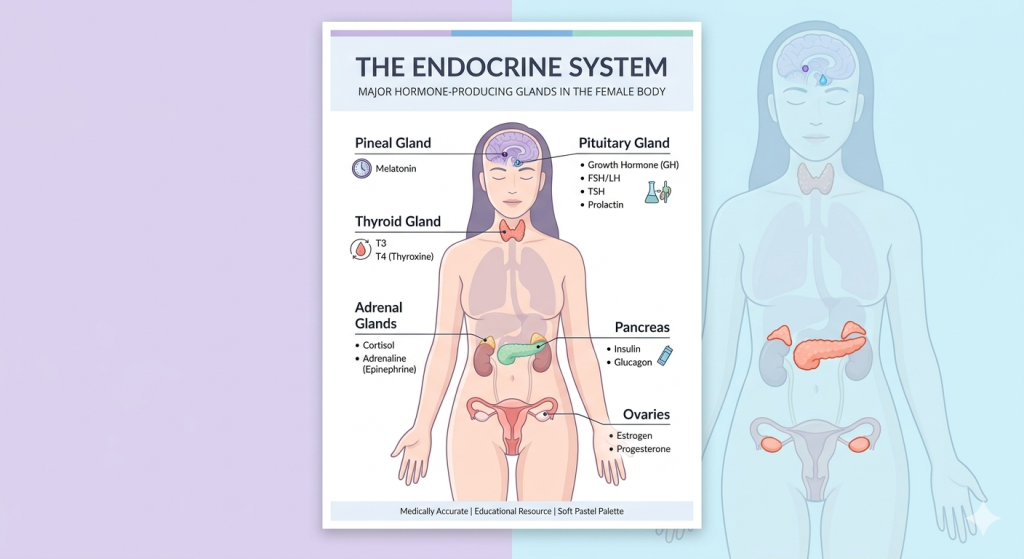
Introduction Have you ever felt as though your body is suddenly “off” and you cannot quite explain why? Maybe your periods have changed, your skin is breaking out, your sleep feels different, or your mood seems less steady than usual. It is very common to wonder, “Is this a hormonal imbalance?” That phrase gets used a lot, but it can feel vague and confusing. The good news is that it does have a real meaning. The more important part is understanding what hormones do, how changes can show up in daily life, and when a symptom is worth checking properly rather than guessing. Quick answer A hormonal imbalance means one or more hormones are too high, too low, or not working in the usual way for your body. Hormones help control things like periods, ovulation, metabolism, mood, sleep, and temperature regulation, so shifts can affect many parts of how you feel. Sometimes these changes are part of a normal life stage, but at other times they point to a condition that needs medical review. (MedlinePlus) What is Hormonal Imbalance? Hormones are chemical messengers made by glands in the endocrine system. They travel through the blood and help regulate important functions such as growth, metabolism, fertility, sexual function, mood, and energy use. Even a small change in hormone levels can affect how the body works. (MedlinePlus) When people say “hormonal imbalance,” they usually mean that hormone levels have shifted in a way that is causing symptoms. In women, this often refers to changes involving oestrogen, progesterone, testosterone or other androgens, thyroid hormones, insulin, or stress hormones. It can also be related to life stages such as puberty, pregnancy, perimenopause, and menopause. (Cleveland Clinic) It is worth remembering that hormones naturally rise and fall. So not every fluctuation is a problem. The question is whether the change fits a normal pattern or is causing symptoms that are persistent, disruptive, or unusual for you. Why does it happen? There is no single cause. Hormonal changes can happen for several reasons, and the cause depends on which hormone is involved. Common reasons include: Normal life stages such as puberty, pregnancy, postpartum changes, perimenopause, and menopause (MedlinePlus) PCOS, which can affect ovulation and androgen levels and often causes irregular periods, acne, and excess hair growth (nhs.uk) Thyroid conditions such as hypothyroidism or hyperthyroidism, which can affect weight, mood, energy, heart rate, and periods (MedlinePlus) Insulin resistance or metabolic changes, especially in conditions like PCOS (Cleveland Clinic) Certain medicines or health conditions, depending on your situation (MedlinePlus) In everyday life, many women use “hormonal imbalance” as a catch-all phrase for symptoms that may actually have different underlying causes. That is why it is important not to self-diagnose based on a single symptom. Signs or symptoms Symptoms vary widely because different hormones do different jobs. A change in estrogen will not always look the same as a thyroid problem or PCOS. Possible signs can include: irregular periods, missed periods, or very heavy bleeding acne or oily skin unwanted facial or body hair thinning hair or hair loss hot flushes or night sweats sleep problems mood changes low energy or fatigue unexplained weight change reduced sex drive vaginal dryness fertility difficulties or trouble ovulating (nhs.uk) Not all of these symptoms automatically mean a hormone disorder. For example, hot flushes and cycle changes are common around menopause, while acne and irregular periods may point more toward PCOS in some women. Thyroid problems can also mimic many other issues because thyroid hormones affect how the body uses energy. (NIDDK) A medically responsible reminder here: symptoms alone cannot tell you exactly which hormone is involved. Testing, timing, and a full clinical picture matter. What is normal, and when to pay attention Hormonal fluctuations are a normal part of being human. Menstrual cycles are not perfectly identical every month. Perimenopause can bring changing periods, sleep disruption, and temperature changes. Pregnancy and the months after birth also involve major hormonal shifts. (MedlinePlus) What deserves closer attention is when symptoms are: new and persistent getting worse interfering with daily life affecting your periods, fertility, sleep, or mental well-being paired with other body changes such as hair loss, excess hair growth, or rapid weight change Pay particular attention if your periods become very irregular, stop unexpectedly when pregnancy is not the reason, become unusually heavy, or are joined by symptoms such as acne, unwanted hair growth, or fertility difficulty. That pattern can sometimes be seen with PCOS, but it still needs proper assessment. (nhs.uk) It also helps to look for patterns rather than isolated bad days. Keeping a simple record of your cycle, sleep, mood, skin changes, headaches, and energy can make it easier to spot recurring patterns and help a doctor assess you.   When to speak to a doctor Speak to a doctor or qualified healthcare professional if: your periods have changed significantly you are missing periods and are not pregnant you are struggling with severe acne, excess hair growth, or hair thinning you have symptoms of menopause that are affecting daily life you have ongoing fatigue, weight change, or mood changes without a clear reason you are trying to conceive, and your cycles seem irregular something does not feel right, and it is not settling A doctor may ask about your cycle, symptoms, medications, and health history. Depending on the picture, they may suggest blood tests or other checks. Hormone testing is sometimes useful, but it is not always as simple as testing “all hormones” once, because some hormones naturally change during the month, and results need context. (MedlinePlus) Seek urgent medical advice if heavy bleeding is severe, you feel faint, have chest pain, or have other sudden or alarming symptoms. Key takeaway A hormonal imbalance is not a single diagnosis. It is a way of describing symptoms that may happen when hormones are too high, too low, or behaving differently than expected. Sometimes this is part of a normal life stage. Sometimes it is linked to conditions such as PCOS

Hormonal Imbalance in Women: Signs, Causes, and When to Seek Help Read More »