Femphases · Nurse-founded guidance for every phase of your cycle and your life.

Trust Bar Marquee

Mental Health

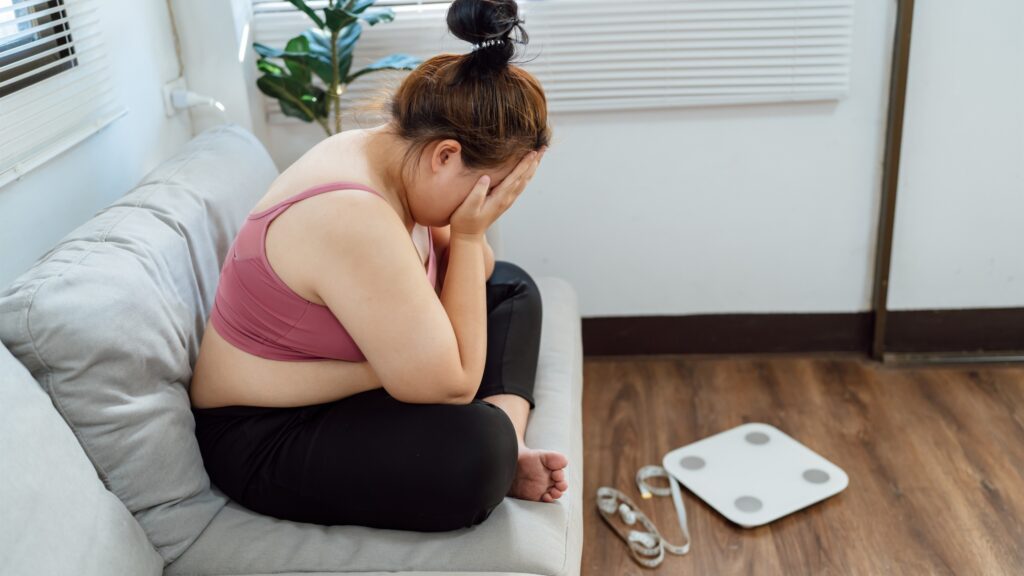
Menopause and Weight Gain: How to Care for Yourself

If menopause and weight gain are impairing your confidence, sleep, mood, or relationships, you need assistance. Please do not wait till the symptoms are severe. An experienced healthcare provider will assess your blood pressure, metabolic markers, thyroid function, bleeding patterns, medication list, and menopausal symptoms. You’re not being vain or difficult. You are asking for comprehensive care. If you have been eating much the same way, moving as much as you can, and still noticing your waistline changing, you are not imagining it. Menopause and weight gain can feel confusing, frustrating, and deeply personal, especially when your body seems to be changing faster than your habits. Many women describe the same thing in clinics and support communities: jeans feeling tighter around the middle, cravings becoming harder to manage, energy dipping after poor sleep, and a quiet worry that their body no longer feels like their own. Some women say they feel embarrassed at work, less confident during intimacy, or discouraged because the strategies that worked in their 30s no longer seem to work in their 40s, 50s, or 60s. This article explains why menopause and weight gain often happen together, what signs to look for, what is normal, when to seek medical advice, and how to care for yourself with evidence-based, compassionate steps. The goal is not punishment, restriction, or the pursuit of a younger body. The goal is health, strength, confidence, and feeling more at home in yourself again. What Is Menopause and Weight Gain? Menopause is the point when you have not had a menstrual period for 12 months, not due to pregnancy, medication, or another medical cause. Perimenopause is the transition leading up to menopause, when hormone levels fluctuate and symptoms often begin. Post menopause refers to the years after menopause. Menopause and weight gain usually refer to the gradual increase in body weight, body fat, or waist size that many women notice during perimenopause, menopause, and post menopause. It often appears around the abdomen and is sometimes called “menopause belly,” “meno belly,” or “central weight gain.” This does not mean menopause alone causes every pound gained. Ageing, muscle loss, sleep disruption, stress, genetics, activity levels, medication, diet patterns, thyroid problems, insulin resistance, and medical conditions can all play a role. Why the weight often shift to the middle Before menopause, many women store more fat around the hips and thighs. As oestrogen levels decline, fat distribution may shift toward the abdomen. This matters because abdominal fat, especially visceral fat – fat stored deeper around the organs – is more strongly linked to metabolic risks such as high blood pressure, type 2 diabetes, abnormal cholesterol levels, and fatty liver disease. That said, this should not be framed as a personal failure. The body is adapting to changes in hormones, ageing, sleep patterns, stress levels, and muscle changes. The most helpful approach is practical, steady, and medically informed. Risk factors for menopause-related weight gain You may be more likely to notice weight gain during menopause if you have: A family history of central weight gain, type 2 diabetes, or metabolic syndrome Reduced muscle mass or lower physical activity Poor sleep, night sweats, or sleep apnoea High stress or caring responsibilities A history of dieting, restrictive eating, or weight cycling Thyroid disease, insulin resistance, polycystic ovary syndrome, or depression Medications that may influence appetite, fluid retention, or metabolism Joint pain, fatigue, or low mood that reduces movement A diet low in protein, fibre, or regular meal structure Common Signs and Symptoms Menopause and weight gain can look different from woman to woman. Some gain weight gradually over several years. Others notice their shape change even when the scale barely moves. Some women do not gain weight but feel softer, less toned, or more bloated. Early signs Common early signs include: Waistbands feeling tighter Weight settling around the stomach or upper body Reduced muscle tone More cravings, especially after poor sleep Feeling fuller, puffier, or bloated Less energy for exercise Slower recovery after workouts Needing more effort to maintain the same weight Less recognised symptoms women often report Women may also describe: Feeling hungry soon after meals Emotional eating during stress Lower confidence in clothing Avoiding social events or intimacy Feeling frustrated by “doing everything right” Waking at night and snacking more often Joint aches that make movement harder Brain fog that affects planning meals or exercise Low mood linked to body changes These experiences are common, but they still deserve care. Weight gain is not only about appearance. It can affect confidence, sleep, work, relationships, sexual well-being, and mental health. Cardiovascular Risk After Menopause Evidence-Based Solutions There is no single “menopause diet” that works for every woman. The strongest approach to managing menopause and weight gain is usually a combination of nutrition, resistance training, daily movement, sleep support, stress management, symptom management, and medical assessment when needed. 1. Start with self-compassion, not self-blame Many women arrive at midlife carrying years of body criticism. But shame rarely leads to sustainable health. A more useful question is: “What support does my body need now?” Try shifting from punishment goals to care goals: “I want to feel stronger.” “I want steadier energy.” “I want my blood pressure and blood sugar checked.” “I want to sleep better.” “I want to protect my bones.” “I want to feel comfortable in my body again.” That mindset matters. It makes health feel like a partnership, not a war. 2. Build meals around protein, fibre, and colour A practical midlife plate often includes: Protein: eggs, fish, chicken, Greek yoghurt, tofu, lentils, beans, lean meat, cottage cheese, tempeh, or protein-rich grains High-fibre carbohydrates: oats, brown rice, quinoa, beans, lentils, wholegrain bread, sweet potato, fruit Healthy fats: olive oil, avocado, nuts, seeds, oily fish Vegetables: leafy greens, peppers, broccoli, tomatoes, carrots, courgettes, mushrooms, salad Calcium-rich foods: yoghurt, milk, fortified plant milks, tofu set with calcium, sardines, kale Protein helps preserve muscle and supports a feeling of fullness. Fibre supports digestion, cholesterol, blood sugar, and satiety. A balanced plate is

Menopause and Weight Gain: How to Care for Yourself Read More »

Why Women Are Choosing Rest Over Hustle in 2026

Introduction You wake up tired before the day has even started. Your phone is already buzzing. Someone needs something. There are emails to answer, meals to plan, deadlines to meet, appointments to remember, laundry to fold, and somehow you are also supposed to drink more water, exercise consistently, meditate, look rested, and keep smiling through it all. For years, many women were told that exhaustion was normal. That being “busy” meant you were successful. That pushing through was a strength. But something has shifted. Why women are prioritising rest over hustle in 2026 is not simply a wellness trend. It is a response to years of physical exhaustion, emotional overload, rising stress levels, hormonal changes, caregiving pressures, workplace burnout, and the growing realisation that constant productivity is unsustainable for the human body. Women are increasingly recognising that rest is not laziness. It is healthcare. It is nervous system regulation. It is hormone support. It is emotional recovery. And for many women, it is survival. This shift is happening quietly in homes, workplaces, therapy rooms, GP appointments, menopause clinics, and online communities where women are finally admitting: “I cannot keep living like this.” And honestly, many bodies have been trying to say that for years. The “Always On” Lifestyle Has Real Health Consequences For a long time, hustle culture rewarded women for ignoring their needs. Skipping meals. Working through exhaustion. Functioning on little sleep. Putting everyone else first. Smiling while overwhelmed. The problem is that the body keeps score. Chronic stress affects almost every system in the body, including: Hormones Sleep regulation Blood sugar balance Mental health Immune function Heart health Digestion Menstrual cycles Menopause symptoms Research continues to show strong links between long-term stress and increased risks of anxiety, depression, cardiovascular disease, sleep disorders, and burnout. The body was never designed to remain in a constant state of alertness. According to the World Health Organisation (WHO), burnout is now recognised as an occupational phenomenon associated with chronic workplace stress that has not been successfully managed. For many women, though, stress is not limited to work. It is happening everywhere. Women Are Carrying Invisible Labour That Often Goes Unrecognised One reason why women are prioritising rest over hustle in 2026 is that many women are mentally overloaded in ways that are difficult to measure. Even in loving households and successful careers, women often carry the invisible management of life itself: Remembering appointments Planning meals Emotional caregiving Managing family schedules Monitoring children’s emotional needs Caring for ageing parents Coordinating household tasks Maintaining social relationships Anticipating everyone else’s needs This constant mental tracking creates what psychologists sometimes call cognitive load. You may look “fine” externally while internally feeling mentally crowded all the time. Many women describe it as: “My brain never switches off.” “I’m tired in my bones.” “I feel overstimulated constantly.” “I can’t recover properly anymore.” These experiences are real. They are not weaknesses. And they are increasingly being recognised as legitimate health concerns rather than personal failings. Hormonal balance Quiz Hormones, Stress, and Exhaustion Are Deeply Connected One of the most important reasons women are prioritising rest over hustle in 2026 is the growing awareness of how stress affects female hormone health. The nervous system and endocrine system work closely together. When stress becomes chronic, the body increases production of stress hormones like cortisol and adrenaline. Over time, this can influence: Sleep quality Mood regulation Appetite Energy levels Menstrual cycles Perimenopause symptoms Blood sugar regulation Libido Cognitive function For women in perimenopause and menopause, especially, prolonged stress can intensify symptoms such as: Hot flushes Anxiety Heart palpitations Brain fog Fatigue Sleep disruption Irritability Low mood The British Menopause Society and NHS menopause guidance both acknowledge the significant impact menopause symptoms can have on quality of life, sleep, work performance, and emotional well-being. Many women are only now realising that the exhaustion they blamed on “not coping well enough” may actually reflect a body under prolonged physiological strain. That realisation can feel emotional. Because once you understand what stress is doing inside the body, rest stops feeling indulgent and starts feeling necessary. Rest Is Not Just Sleep When people hear the word “rest,” they often imagine naps or sleeping in. But true rest is much broader than that. Some women sleep for eight hours and still feel exhausted because their nervous systems never fully relax. Real rest may include: i. Physical Rest Sleep Gentle movement Taking breaks Recovery days Reducing overcommitment ii. Mental Rest Less multitasking Reduced screen exposure Quiet time Fewer decisions Boundaries around work iii. Emotional Rest Being able to say “I’m struggling” Feeling emotionally safe Not masking constantly Time away from emotional caregiving iv. Sensory Rest Lower noise levels Reduced notifications Time away from overstimulation Calm environments v. Social Rest Spending time with people who feel safe Reducing emotionally draining interactions Allowing yourself solitude without guilt Many women are discovering they do not necessarily need to become “more productive.” They need opportunities to recover. The Pandemic Changed Women’s Relationship With Productivity Part of why women are prioritising rest over hustle in 2026 comes from collective burnout following years of social, economic, and emotional strain. The pandemic intensified: Caregiving demands Workplace stress Financial anxiety Health fears Emotional isolation Grief Parenting pressures Exhaustion among healthcare workers and carers For many women, it became impossible to ignore how unsustainable their pace of life had become. Some women left toxic workplaces. Others reduced working hours. Some stopped glorifying overwork entirely. There has also been a growing public discussion around: Nervous system regulation Burnout recovery Menopause in the workplace Emotional labour Mental health Boundaries Cycle-aware well-being Not all online advice is evidence-based, of course. But the broader cultural shift toward rest reflects something important: women are questioning systems that reward depletion. And many are choosing differently. Rest Improves Health Outcomes More Than Many Women Realise Rest is not passive. The body is highly active during recovery. Adequate rest supports: Memory consolidation Hormone regulation Immune function Emotional processing Tissue repair Cardiovascular health Blood pressure

Why Women Are Choosing Rest Over Hustle in 2026 Read More »