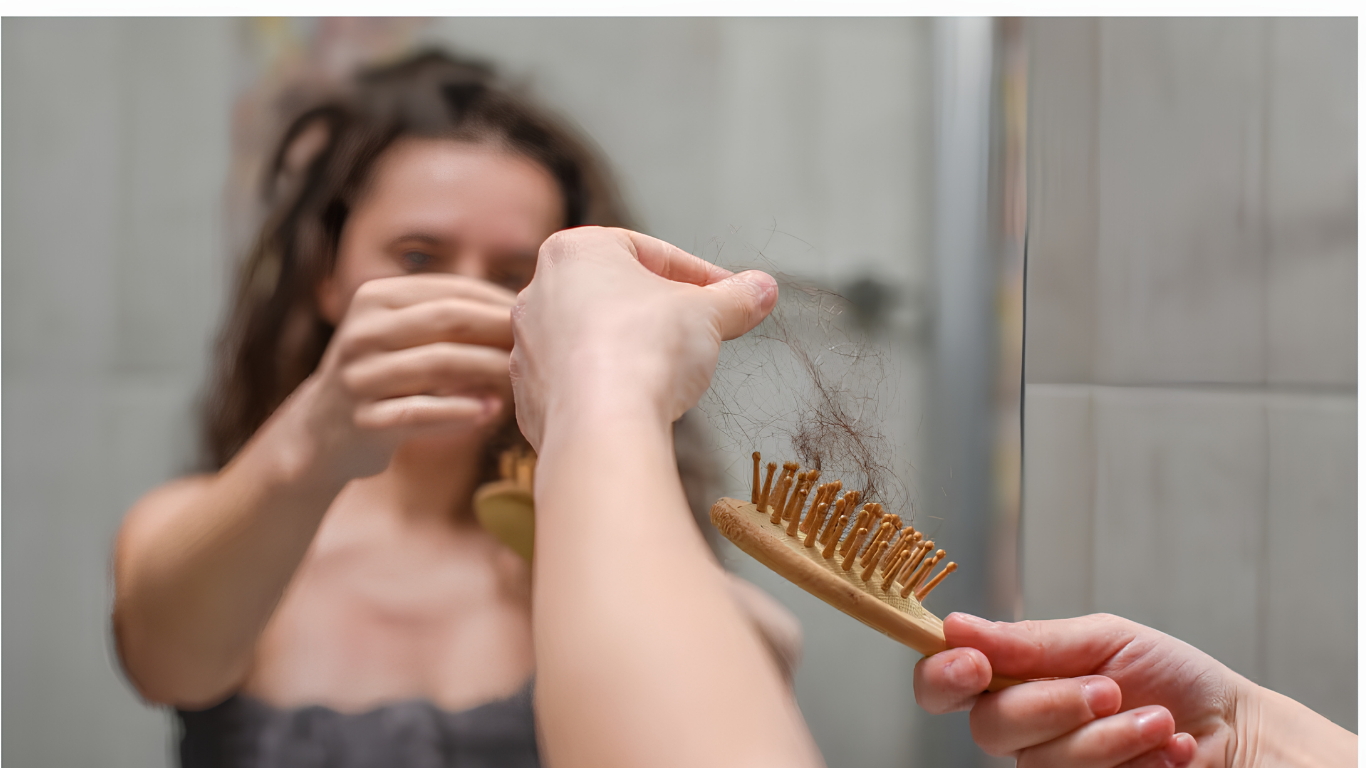


If you have been eating much the same way, moving as much as you can, and still noticing your waistline changing, you are not imagining it. Menopause and weight gain can feel confusing, frustrating, and deeply personal, especially when your body seems to be changing faster than your habits.
Many women describe the same thing in clinics and support communities: jeans feeling tighter around the middle, cravings becoming harder to manage, energy dipping after poor sleep, and a quiet worry that their body no longer feels like their own. Some women say they feel embarrassed at work, less confident during intimacy, or discouraged because the strategies that worked in their 30s no longer seem to work in their 40s, 50s, or 60s.
This article explains why menopause and weight gain often happen together, what signs to look for, what is normal, when to seek medical advice, and how to care for yourself with evidence-based, compassionate steps. The goal is not punishment, restriction, or the pursuit of a younger body. The goal is health, strength, confidence, and feeling more at home in yourself again.
What Is Menopause and Weight Gain?
Menopause is the point when you have not had a menstrual period for 12 months, not due to pregnancy, medication, or another medical cause. Perimenopause is the transition leading up to menopause, when hormone levels fluctuate and symptoms often begin. Post menopause refers to the years after menopause.
Menopause and weight gain usually refer to the gradual increase in body weight, body fat, or waist size that many women notice during perimenopause, menopause, and post menopause. It often appears around the abdomen and is sometimes called “menopause belly,” “meno belly,” or “central weight gain.”
This does not mean menopause alone causes every pound gained. Ageing, muscle loss, sleep disruption, stress, genetics, activity levels, medication, diet patterns, thyroid problems, insulin resistance, and medical conditions can all play a role.
Why the weight often shift to the middle
Before menopause, many women store more fat around the hips and thighs. As oestrogen levels decline, fat distribution may shift toward the abdomen. This matters because abdominal fat, especially visceral fat – fat stored deeper around the organs – is more strongly linked to metabolic risks such as high blood pressure, type 2 diabetes, abnormal cholesterol levels, and fatty liver disease.
That said, this should not be framed as a personal failure. The body is adapting to changes in hormones, ageing, sleep patterns, stress levels, and muscle changes. The most helpful approach is practical, steady, and medically informed.
Risk factors for menopause-related weight gain
You may be more likely to notice weight gain during menopause if you have:
- A family history of central weight gain, type 2 diabetes, or metabolic syndrome
- Reduced muscle mass or lower physical activity
- Poor sleep, night sweats, or sleep apnoea
- High stress or caring responsibilities
- A history of dieting, restrictive eating, or weight cycling
- Thyroid disease, insulin resistance, polycystic ovary syndrome, or depression
- Medications that may influence appetite, fluid retention, or metabolism
- Joint pain, fatigue, or low mood that reduces movement
- A diet low in protein, fibre, or regular meal structure
Common Signs and Symptoms
Menopause and weight gain can look different from woman to woman. Some gain weight gradually over several years. Others notice their shape change even when the scale barely moves. Some women do not gain weight but feel softer, less toned, or more bloated.
Early signs
Common early signs include:
- Waistbands feeling tighter
- Weight settling around the stomach or upper body
- Reduced muscle tone
- More cravings, especially after poor sleep
- Feeling fuller, puffier, or bloated
- Less energy for exercise
- Slower recovery after workouts
- Needing more effort to maintain the same weight
Less recognised symptoms women often report
Women may also describe:
- Feeling hungry soon after meals
- Emotional eating during stress
- Lower confidence in clothing
- Avoiding social events or intimacy
- Feeling frustrated by “doing everything right”
- Waking at night and snacking more often
- Joint aches that make movement harder
- Brain fog that affects planning meals or exercise
- Low mood linked to body changes
These experiences are common, but they still deserve care. Weight gain is not only about appearance. It can affect confidence, sleep, work, relationships, sexual well-being, and mental health.
Cardiovascular Risk After Menopause
Evidence-Based Solutions
There is no single “menopause diet” that works for every woman. The strongest approach to managing menopause and weight gain is usually a combination of nutrition, resistance training, daily movement, sleep support, stress management, symptom management, and medical assessment when needed.
1. Start with self-compassion, not self-blame
Many women arrive at midlife carrying years of body criticism. But shame rarely leads to sustainable health. A more useful question is: “What support does my body need now?”
Try shifting from punishment goals to care goals:
- “I want to feel stronger.”
- “I want steadier energy.”
- “I want my blood pressure and blood sugar checked.”
- “I want to sleep better.”
- “I want to protect my bones.”
- “I want to feel comfortable in my body again.”
That mindset matters. It makes health feel like a partnership, not a war.
2. Build meals around protein, fibre, and colour
A practical midlife plate often includes:
- Protein: eggs, fish, chicken, Greek yoghurt, tofu, lentils, beans, lean meat, cottage cheese, tempeh, or protein-rich grains
- High-fibre carbohydrates: oats, brown rice, quinoa, beans, lentils, wholegrain bread, sweet potato, fruit
- Healthy fats: olive oil, avocado, nuts, seeds, oily fish
- Vegetables: leafy greens, peppers, broccoli, tomatoes, carrots, courgettes, mushrooms, salad
- Calcium-rich foods: yoghurt, milk, fortified plant milks, tofu set with calcium, sardines, kale
Protein helps preserve muscle and supports a feeling of fullness. Fibre supports digestion, cholesterol, blood sugar, and satiety. A balanced plate is usually more sustainable than cutting out whole food groups.
A simple plate guide:
- ¼ plate protein
- ¼ plate high-fibre carbohydrate
- ½ plate of vegetables or salad
- Add a small amount of healthy fat
3. Avoid extreme restriction
Very low-calorie diets, detox plans, and “menopause cleanses” often promise quick results. They may lead to short-term weight loss, but they can also worsen fatigue, cravings, mood, and muscle loss. For many women, they trigger a cycle of restriction and rebound eating.
The British Menopause Society advises against one-size-fits-all restrictive approaches and supports sustainable dietary change combined with exercise, including strength exercise.
4. Strength train two to three times per week
For menopause and weight gain, strength training is one of the most useful tools because it helps maintain muscle, supports metabolism, improves insulin sensitivity, and protects bone health.
Strength training can include:
- Bodyweight squats
- Wall push-ups
- Resistance bands
- Dumbbells
- Kettlebells
- Machines at the gym
- Pilates-style resistance work
- Supervised strength classes
Start where you are. If you are new to exercise, begin with 10–15 minutes twice weekly and build gradually. If you have osteoporosis, arthritis, heart disease, pelvic floor symptoms, or a previous injury, ask a physiotherapist, GP, nurse practitioner, or qualified trainer for guidance.
5. Walk more, sit less
Formal exercise matters, but so does everyday movement. Walking after meals, taking stairs, gardening, dancing, carrying shopping, cleaning, stretching, and standing breaks all contribute.
A gentle goal could be:
- 10 minutes after lunch or dinner
- A walking meeting
- A 5-minute movement break every hour
- Parking slightly farther away
- Weekend nature walks
- Gentle cycling or swimming if joints hurt
Consistency beats intensity for most women.
6. Prioritise sleep as metabolic care
Sleep problems are not just annoying; they can affect appetite, energy, mood, and weight regulation.
Try:
- Keeping a regular bedtime and wake time
- Cooling the bedroom
- Wearing breathable layers
- Limiting alcohol close to bedtime
- Reducing late caffeine
- Keeping the phone away from the bed
- Using relaxation breathing or body scans
- Speaking to a clinician about night sweats, insomnia, anxiety, bladder symptoms, or suspected sleep apnoea
If hot flushes and night sweats are driving poor sleep, treating menopause symptoms may indirectly support weight care.
7. Manage stress in realistic ways
You do not need a perfect morning routine. You need small recovery points during the day.
Helpful options include:
- A 5-minute breathing break
- A short walk outside
- Journaling before bed
- Saying no to one unnecessary commitment
- Asking for practical help
- Therapy or CBT
- Gentle yoga or stretching
- Support groups
- Reducing alcohol use as stress relief
Stress management is not about pretending life is easy. It is about helping your nervous system recover enough to support your body.
8. Review alcohol and caffeine
Alcohol can worsen sleep, hot flushes, mood, and calorie intake for some women. Caffeine may worsen anxiety, palpitations, sleep disruption, and hot flushes in sensitive women.
You do not have to cut everything out. Try observing patterns:
- Do night sweats worsen after wine?
- Do cravings increase after poor sleep?
- Does afternoon caffeine affect sleep?
- Does alcohol make a low mood worse the next day?
A two-week experiment can be more useful than strict rules.
9. Consider medical treatment for menopause symptoms
Hormone replacement therapy, or HRT, can be very helpful for symptoms such as hot flushes, night sweats, sleep disruption, vaginal dryness, and some mood-related symptoms. NICE recommends offering HRT for vasomotor symptoms, such as hot flushes and night sweats, after discussing individual benefits and risks.
HRT is not prescribed as a weight-loss treatment. However, improving sleep, reducing hot flushes, and enhancing quality of life may make healthy routines easier to maintain. Some women experience bloating or fluid retention when starting HRT, which often settles, but persistent symptoms should be reviewed.
HRT may not be suitable for everyone. Your clinician will consider your age, time since menopause, personal and family history, migraine history, clot risk, breast cancer history, womb status, bleeding pattern, and treatment preferences.
10. Ask about weight-management medication when appropriate
Some women with obesity, type 2 diabetes, prediabetes, high blood pressure, sleep apnoea, or other weight-related health risks may be eligible for medical weight-management support. GLP-1 and related incretin-based medicines, such as semaglutide and tirzepatide, are used to treat type 2 diabetes and obesity in eligible patients.
These medicines are not cosmetic treatments and are not suitable for everyone. They can cause gastrointestinal side effects and have important contraindications and prescribing considerations. Women using HRT should tell their clinician, especially if they use oral progesterone or oral contraceptives, because some weight-loss injections can affect the absorption of oral medicines.
11. Track health markers, not only weight
The scale is one measurement, but it is not the whole story. Consider tracking:
- Waist measurement
- Blood pressure
- Cholesterol
- HbA1c or fasting glucose
- Energy levels
- Sleep quality
- Strength
- Walking distance
- Mood
- Joint pain
- Hot flush frequency
- Confidence and well-being
Sometimes your weight changes slowly while your waist, strength, blood sugar, and energy improve.

When to Seek Medical Advice
You should speak with a GP, nurse practitioner, menopause specialist, or qualified healthcare professional if:
- Weight gain is sudden, unexplained, or rapid
- You have extreme fatigue, constipation, feeling cold, hair loss, or low mood
- You have new or worsening breathlessness, swelling, or chest discomfort
- You have symptoms of diabetes, such as increased thirst, frequent urination, or blurred vision
- You have heavy, irregular, or worsening bleeding
- You bleed after 12 months without a period
- You have new pelvic pain, bloating, or unexplained abdominal swelling
- You have severe depression, panic, or thoughts of self-harm
- You suspect sleep apnoea, especially snoring, choking at night, or morning headaches
- You have easy bruising, muscle weakness, a rounded face, or purple stretch marks
- You are considering HRT, GLP-1 medicines, supplements, or major diet changes
Seek urgent medical help for chest pain, stroke symptoms, severe shortness of breath, sudden severe headache, fainting, heavy bleeding with dizziness, or thoughts of harming yourself.
Questions to Ask Your Doctor
Bring these to your next appointment:
- Could my weight gain be related to menopause, thyroid function, insulin resistance, medication, sleep apnoea, or another condition?
- Should I have blood pressure, cholesterol, HbA1c, thyroid function, liver function, or iron levels checked?
- Am I a suitable candidate for HRT for my menopause symptoms?
- Which type of HRT is safest for my personal risk factors?
- If I have a uterus, what progesterone protection do I need with oestrogen?
- Could any of my current medications contribute to weight gain or fatigue?
- Would a referral to a dietitian, a physiotherapist, a menopause clinic, or a weight-management service help?
- Is my waist measurement or metabolic risk more important than BMI in my case?
- Could GLP-1 or other weight-management medication be appropriate for me?
- What symptoms would need urgent assessment?
Frequently Asked Questions
1. Is menopause and weight gain inevitable?
No. Many women notice body changes during midlife, but weight gain is not inevitable. Ageing, hormones, sleep, stress, activity, muscle mass, diet, medications, and medical conditions all play a role. The most effective approach is usually steady lifestyle support plus medical care when needed.
2. Why am I gaining belly fat during menopause?
Lower oestrogen may encourage more fat storage around the abdomen. Age-related muscle loss and reduced activity can also lower energy needs. Poor sleep, stress, alcohol, and insulin resistance may increase the likelihood of abdominal weight gain.
3. Does HRT cause weight gain?
There is no strong evidence that HRT directly causes long-term fat gain. Some women notice bloating, breast tenderness, or fluid retention when starting or changing HRT. HRT is used to treat menopause symptoms, not as a weight-loss medicine.
4. Can HRT help with menopause and weight gain?
HRT may help indirectly if hot flushes, night sweats, poor sleep, mood symptoms, or joint aches are making it difficult to move, sleep, or eat consistently. It should not be promised as a weight-loss treatment.
5. What is the best diet for menopause weight gain?
There is no single best diet for every woman. A balanced pattern rich in protein, fibre, vegetables, fruit, whole grains, calcium-rich foods, and healthy fats is a strong starting point. The best diet is one you can maintain without feeling deprived or unwell.
6. Should I cut carbs during menopause?
Not necessarily. Many women do better by improving the quality of carbohydrates rather than removing carbs completely. Choose high-fibre options such as oats, beans, lentils, fruit, whole grains, and starchy vegetables. Pairing carbs with protein and healthy fat can support fullness and blood sugar stability.
7. How much exercise do I need during menopause?
A good goal is at least 150 minutes of moderate-intensity activity per week, plus muscle-strengthening activities on 2 days per week. If that feels too much, begin with shorter walks and simple resistance exercises. Some movement is better than none.
8. Why am I gaining weight even though I exercise?
Exercise is important, but weight is also affected by sleep, stress, nutrition, muscle mass, medications, alcohol, hormones, and medical conditions. Also, some women gain muscle while losing fat, so the scale may not tell the whole story.
9. Can supplements fix menopause weight gain?
No supplement has been proven to “fix” menopause weight gain. Some supplements may help specific deficiencies, such as vitamin D or calcium when appropriate, but they should not replace food, movement, sleep care, or medical assessment. Always check with a clinician before using herbal products, especially if you take medication or have a history of breast cancer, clotting problems, liver disease, or hormone-sensitive conditions.
10. When should I worry about weight gain in menopause?
Seek medical advice if weight gain is rapid, unexplained, or linked with symptoms such as extreme tiredness, constipation, feeling cold, breathlessness, swelling, heavy bleeding, postmenopausal bleeding, easy bruising, muscle weakness, excessive thirst, or low mood.
11. Can GLP-1 medicines help with menopause weight gain?
GLP-1 and related medicines may help some women with obesity, type 2 diabetes, or weight-related health risks. They are prescription medicines and need medical assessment. They are not suitable for everyone and work best when paired with nutrition, movement, protein intake, and long-term follow-up.
12. How can I feel confident again while my body is changing?
Start with clothes that fit your body now, not the body you feel pressured to return to. Focus on strength, energy, sleep, pleasure, connection, and health markers. It is possible to care about your health without criticising your body.
Key Takeaways
- Menopause and weight gain are common, especially around the abdomen, but they are not simply about willpower.
- Lower oestrogen, ageing, sleep disruption, stress, muscle loss, and lifestyle changes can all contribute.
- Strength training, protein, fibre, regular meals, daily movement, sleep care, and stress support are evidence-based foundations.
- HRT can help with menopause symptoms but should not be marketed as a weight-loss treatment.
- Sudden, severe, or unexplained weight gain should be medically assessed.
- Weight is only one marker; waist size, blood pressure, blood sugar, cholesterol, strength, sleep, and mood also matter.
- Compassionate, realistic care works better than shame, restriction, or miracle claims.
Conclusion
Menopause and weight gain can feel like your body has changed the rules without warning. But there is a way through that does not involve blaming yourself, chasing extreme diets, or ignoring your symptoms.
Start with the basics: sleep, strength, protein, fibre, walking, stress recovery, and medical review when something does not feel right. Ask for help if hot flushes, night sweats, low mood, joint pain, or fatigue are making daily life harder. Your body is not broken. It is changing — and it deserves informed, kind, practical care.
Medical Disclaimer
This article is for educational purposes only and does not replace professional medical advice, diagnosis, or treatment. Always speak with a qualified healthcare professional about personal symptoms, medication, menopause treatment, weight-management options, or urgent health concerns.