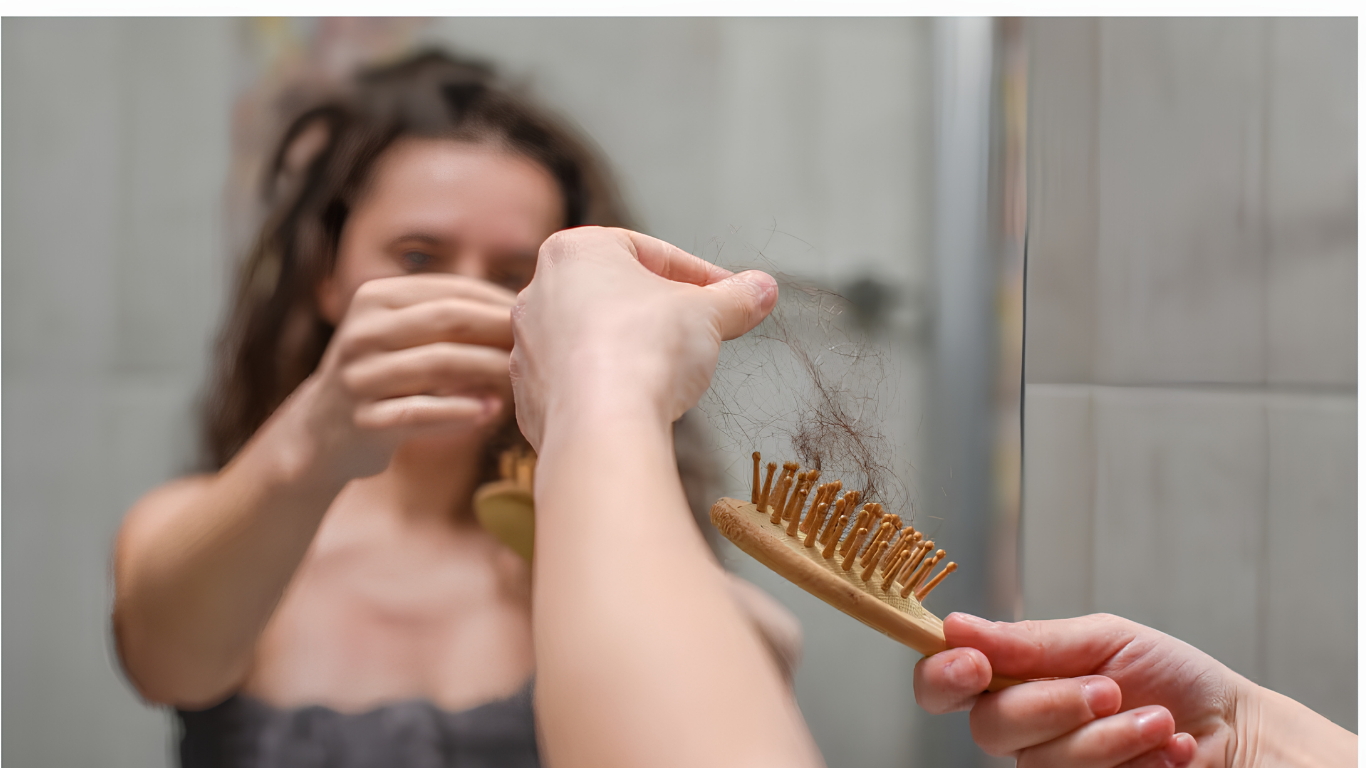


Midlife weight gain is common, especially around the waist, but menopause is rarely the only reason. Hormonal change, ageing, muscle loss, sleep, stress, medicines and health conditions can all influence your weight and body shape.
Why Your Body May Be Changing in Midlife
You may be eating much as you always have. Perhaps you are walking more, buying fewer snacks or making an effort to look after yourself—and yet your waistband feels less forgiving.
Sometimes the number on the scales has changed. Sometimes it has barely moved, but your shape has-this can help you feel reassured that physical changes are normal and not solely about weight.
That can be surprisingly emotional. Clothes fit differently. Photographs catch you off guard. Advice that worked ten years ago suddenly feels useless, and it is easy to turn a physical change into a judgement about discipline or willpower.
Midlife weight change is often more complex than just hormonal shifts. Ageing, genetics, sleep, stress, medications, and health conditions all influence your body shape and weight, making each experience unique.
The NHS recognises weight gain, particularly around the stomach and upper body, as something that can occur during perimenopause and menopause. However, menopause happens alongside ageing, and those two processes are difficult to separate.
Read the NHS guide to menopause and perimenopause symptoms
Hormones may affect where your body stores fat
During perimenopause, oestrogen levels become more variable before eventually settling at lower levels after menopause.
Evidence suggests that the menopause transition can influence body composition—the proportions and distribution of fat and muscle—even when the change on the scales is relatively modest. Some women notice more fat settling around the middle than around the hips and thighs.
That does not mean every change in your waist is caused by oestrogen-recognizing other factors can help you feel more in control and less overwhelmed.
Ageing, genetics, food intake, movement, sleep, medications and existing health conditions can all play a part. The Office on Women’s Health also notes that both lower oestrogen and age-related changes, including loss of muscle mass, may contribute to weight changes after menopause.
Explore menopause and health at the Office on Women’s Health
If other changes have appeared alongside your weight or shape changes, you may also find What Are the First Signs of Menopause? helpful.
What Midlife Weight Changes Can Look Like in Everyday Life
The change is not always a steadily climbing number on the scales.
You may notice:
- jeans becoming tighter around the waist
- a softer middle even though your weight is similar
- less muscle definition in your arms or legs
- weight feeling harder to shift than it once did
- changes in appetite or cravings
- lower energy for exercise after a poor night’s sleep
- feeling more uncomfortable or self-conscious in clothes
- frustration because your usual routines no longer seem to give the same results
Muscle matters here too. Adults tend to lose muscle as they age unless they actively maintain it. With less muscle, body composition and energy requirements can gradually change.
This is one reason strength work becomes particularly useful in adult life, not as punishment for gaining weight, but as a way of supporting muscle, bone, mobility and long-term independence.
The NHS recommends muscle-strengthening activity involving the major muscle groups on at least two days each week, alongside regular aerobic movement.
See NHS physical activity guidance for adults
Sleep and stress belong in the conversation too
A night of broken sleep can make the following day feel very different.
If hot flushes wake you repeatedly, you may start the morning tired, rely more heavily on convenience foods or caffeine, and have far less enthusiasm for a walk after work.
Stress can shape routines too. Caring for parents, supporting children, managing work, financial pressures or relationship changes may leave little time for meal planning, movement or genuine rest.
Stress is not a simple explanation for weight gain, and neither is poor sleep. But both can influence appetite, eating behaviour, activity and overall wellbeing.
If exhaustion has become a bigger issue than weight itself, read Why Am I So Tired? Midlife Fatigue Explained.
What Can Help Your Body Feel Better Supported?
You do not need to declare war on your body because it has changed.
A steadier approach is usually more useful.
1. Make strength part of ordinary life
Weights are one option, but not the only one.
Resistance bands, squats, wall push-ups, Pilates, carrying shopping, hill walking and other resistance-based movements can all challenge muscle.
Start at a level that fits your current health and fitness, not the version of you from ten years ago.
2. Build meals around nourishment, not restriction
Rather than immediately cutting more foods out, look at what may be missing.
Meals containing a source of protein alongside vegetables, fruit, wholegrains, pulses, nuts or seeds can support overall nutrition and help preserve muscle when combined with resistance exercise.
There is no special “menopause diet” that melts abdominal fat, and extreme restriction can make an already difficult relationship with food and body image worse.
3. Look beyond the scales
For a few weeks, notice patterns in:
- sleep
- appetite
- menstrual changes
- energy
- movement
- alcohol intake
- stress
- medications
- how your clothes fit
- strength and stamina
Sometimes this gives a much more useful picture than weighing yourself every morning.
4. Give sleep the attention it deserves
If night sweats, anxiety, or repeated waking regularly disrupt your sleep, treating the sleep problem may be more useful than demanding greater willpower from an exhausted body.
If poor sleep persists despite lifestyle changes, discuss it with a healthcare professional rather than assuming it is just part of menopause. Addressing sleep issues can significantly support overall health.
5. Be cautious with quick fixes
Supplements, detoxes, restrictive diets and online programmes promising to “reset” or “balance” midlife hormones deserve healthy scepticism.
Your body is changing, but it is not a problem to be aggressively corrected.
What Else May Be Worth Considering?
Not every episode of weight gain in your forties or fifties is menopause-related.
Possible contributors can include an underactive thyroid, changes in medication, reduced mobility because of pain, depression, sleep apnoea and other health conditions.
This is why sudden or unexplained changes deserve curiosity rather than assumptions.
HRT can also become tangled up in weight concerns. Current NHS guidance says there is little evidence that most types of HRT cause weight gain; women may gain weight around menopause whether or not they use HRT. HRT is prescribed for appropriate menopause symptoms and is not a weight-loss treatment.
Read NHS guidance on HRT and weight gain
If you are preparing to discuss a wider pattern of symptoms, Your Perimenopause Appointment: Questions Worth Asking may help you organise your thoughts beforehand.
When to Speak to a Healthcare Professional
A gradual change in body shape during midlife may be common, but a significant or unexplained change should not automatically be blamed on menopause.
It is worth getting support if…
- your weight changes rapidly or unexpectedly
- you have persistent or severe fatigue
- you develop unexplained swelling or breathlessness
- you have marked constipation, feeling unusually cold or other new symptoms
- you are extremely thirsty or urinating much more frequently
- snoring or daytime sleepiness has become pronounced
- you have new or concerning menstrual bleeding
- weight or body-image concerns are affecting your eating, mood, relationships or quality of life
A healthcare professional can look at the whole picture—including symptoms, medications, menstrual history, sleep and relevant medical conditions—and decide whether tests or further assessment are appropriate.
You do not need to arrive knowing whether the cause is hormones. That is what assessment is for.
Conclusion
A changing body can bring up feelings that have very little to do with kilograms.
You may miss the ease you once had with clothes, food or exercise. You may feel frustrated that the old rules no longer seem to work. You may simply want to feel comfortable in your body again.
Midlife asks for adjustment, not surrender.
Hormonal changes may be one part of what is happening, but ageing, muscle, sleep, stress, medication, health and everyday life all belong in the conversation too.
The aim does not have to be getting your twenty-five-year-old body back. It can be building strength, protecting your health, and finding a way to care for the body you live in now.
For the emotional side of physical change, you may also like When You No Longer Feel Like the Woman You Used to Be.
Frequently Asked Questions Women Often Ask
Why am I gaining weight when I have not changed what I eat?
Ageing can affect muscle mass and energy needs, while sleep, activity, medication and menopause-related body-composition changes may also contribute. If the change is significant or unexplained, it is worth discussing with a healthcare professional.
Does menopause cause belly fat?
Some women notice more fat accumulating around the abdomen during and after the menopause transition. Hormonal change may contribute to this shift in fat distribution, although ageing, genetics and lifestyle factors are also involved.
Does HRT make you gain weight?
There is little evidence that most HRT causes weight gain. Weight change is common around menopause regardless of HRT use. HRT should be considered for appropriate menopause symptoms rather than as a weight-management treatment.
What exercise is useful in midlife?
A combination of regular aerobic movement and muscle-strengthening exercise is useful for general health. The NHS recommends strengthening the major muscle groups at least twice weekly.
Should I diet more strictly after menopause?
Not automatically. Severe restriction is not required simply because you are in menopause. A sustainable eating pattern, adequate nutrition, regular activity and attention to sleep and health conditions are usually more useful starting points.
Key Takeaways
- Midlife weight gain is common, but menopause is rarely the only possible explanation.
- Body shape can change even when the number on the scales changes very little.
- Ageing and loss of muscle may influence body composition and energy needs.
- Sleep, stress, medication, activity and health conditions also deserve consideration.
- Strength training supports muscle, mobility and long-term health.
- HRT is not a weight-loss treatment, and most HRT has not been shown to cause weight gain.
- Sudden, unexplained or worrying changes deserve professional assessment.
Medical Disclaimer
This article is for educational purposes only and does not replace personalised medical advice, diagnosis or treatment. If you are worried that your symptoms are getting worse, or if something does not feel right in your body, please speak with your doctor, nurse practitioner, gynaecologist, endocrinologist, or another qualified healthcare professional. Seek urgent medical help for severe, sudden or concerning symptoms.