Femphases · Nurse-founded guidance for every phase of your cycle and your life.

Trust Bar Marquee

Women’s Health Education

What Are the First Signs of Hormonal Changes in Women?

Many women describe it in the same quiet, uncertain way: “I don’t feel like myself, but I can’t explain why.” Maybe your periods have become unpredictable. Maybe you are waking at 3 a.m. with your mind racing. Maybe your patience feels thinner, your skin feels different, your energy dips without warning, or your usual jeans suddenly feel tighter around the middle. For many women, these subtle shifts are among the first signs of hormonal changes in women, especially in the years leading up to menopause. Hormonal changes can begin gradually, often in the late 30s or 40s, although timing varies. They may affect your cycle, sleep, mood, metabolism, sex life, skin, joints, concentration, and confidence. Some women notice one or two symptoms. Others feel as if their whole bodies have changed their rhythm. This article explains the first signs of hormonal changes in women, why they happen, what is normal, what needs medical review, and what practical, evidence-based steps may help you feel steadier, more informed, and supported. What Are Hormonal Changes in Women? Hormonal changes happen when the body’s chemical messengers shift in amount, timing, or pattern. Hormones are substances made by glands, such as the ovaries, thyroid, adrenal glands, and pancreas. They help regulate periods, fertility, mood, sleep, metabolism, temperature control, bone strength, blood sugar, and sexual function. For women aged 35–65, the most common hormonal transition is the movement from reproductive years into perimenopause, menopause, and postmenopause. Perimenopause means “around menopause.” It is the transition stage before menopause when ovarian hormone production becomes more unpredictable. Menopause is diagnosed after 12 consecutive months without a menstrual period, not caused by pregnancy, medication, or another medical condition. Postmenopause refers to the years after menopause. The main hormones involved include: Oestrogen: Supports the menstrual cycle, vaginal and urinary tissues, bones, brain function, skin, blood vessels, and temperature regulation. Progesterone: Helps regulate the menstrual cycle and supports sleep and a sense of calm in some women. Testosterone: Present in women in smaller amounts and involved in libido, energy, muscle strength, and well-being. Thyroid hormones: Regulate metabolism, temperature, heart rate, digestion, and energy. Insulin and cortisol influence blood sugar, stress response, appetite, sleep, and weight. The first signs of hormonal changes in women often appear when oestrogen and progesterone begin to fluctuate rather than decline. This is why symptoms can feel unpredictable. You may feel fine for weeks, then suddenly have heavier periods, poor sleep, anxiety, breast tenderness, or hot flushes. Trusted guidance from the NHS and Office on Women’s Health explains that hormone levels may change unevenly during the menopause transition, which is why symptoms can come and go. Common Signs and Symptoms The first signs of hormonal changes in women are not always dramatic. Many are easy to dismiss as stress, ageing, overwork, parenting, caregiving, or “just being busy.” In real life, women often report that symptoms build slowly until they start affecting sleep, patience, relationships, work performance, or confidence. a. Period Changes Changes in your menstrual cycle are often one of the earliest clues. You may notice: Periods coming closer together Longer gaps between periods Heavier bleeding Lighter bleeding More clots than usual Worse cramps Spotting before a period Periods that feel less predictable than before The NHS notes that a change in the usual pattern of periods is often one of the first signs of perimenopause. However, heavy bleeding, bleeding after sex, bleeding between periods, or bleeding after menopause should always be assessed. b. Sleep Disruption Many women say, “I’m exhausted, but I can’t sleep properly.” Sleep changes may include: Waking in the early hours Night sweats Lighter, more broken sleep Difficulty falling asleep Waking with anxiety or a racing heart Feeling unrefreshed despite enough hours in bed Poor sleep can make other symptoms feel worse, including irritability, brain fog, cravings, low mood, headaches, and fatigue. c. Mood and Anxiety Shifts Hormonal changes can affect brain chemicals involved in mood regulation. Women commonly describe: New or worsening anxiety Irritability Tearfulness Mood swings Lower confidence Feeling emotionally “thin-skinned” Panic-like feelings Low mood Reduced motivation This does not mean your symptoms are “all in your head.” Hormones, sleep, stress, life responsibilities, and past mental health history can all interact. Women with a history of PMS, postnatal depression, anxiety, depression, trauma, or PMDD may be more sensitive to hormonal shifts. d. Hot Flushes and Night Sweats Hot flushes are sudden waves of heat, often felt in the face, neck, chest, or upper body. They may come with sweating, flushing, palpitations, or chills afterwards. When they happen at night, they are called night sweats. Some women have obvious hot flushes early. Others only notice they are suddenly intolerant of warm rooms, alcohol, spicy foods, stress, or heavy bedding. e. Brain Fog and Concentration Changes Brain fog can feel frightening, especially for women who are used to being organised and mentally sharp. It may show up as: Forgetting words Losing your train of thought Difficulty concentrating Feeling mentally slower Forgetting why you walked into a room Struggling with multitasking Feeling less confident at work Brain fog is often worsened by poor sleep, stress, low mood, thyroid issues, anaemia, medication side effects, or vitamin deficiencies, so it is worth discussing persistent symptoms with a healthcare professional. f. Weight and Body Shape Changes Many women notice weight gain around the abdomen, even without major changes in eating habits. Hormonal changes can influence fat distribution, insulin sensitivity, appetite, muscle mass, sleep, and energy expenditure. This can feel deeply frustrating, especially when old routines no longer produce the same results. It is not a personal failure. Midlife metabolism is affected by hormones, muscle loss, sleep, stress, alcohol intake, activity levels, and genetics. g. Vaginal, Urinary, and Sexual Changes Lower oestrogen can affect the tissues of the vagina, vulva, bladder, and urethra. Symptoms may include: Vaginal dryness Pain or discomfort during sex Reduced libido Vulval itching or burning Recurrent urinary tract infections Urinary urgency Needing to pass urine more often Reduced arousal or sensitivity These symptoms are

What Are the First Signs of Hormonal Changes in Women? Read More »
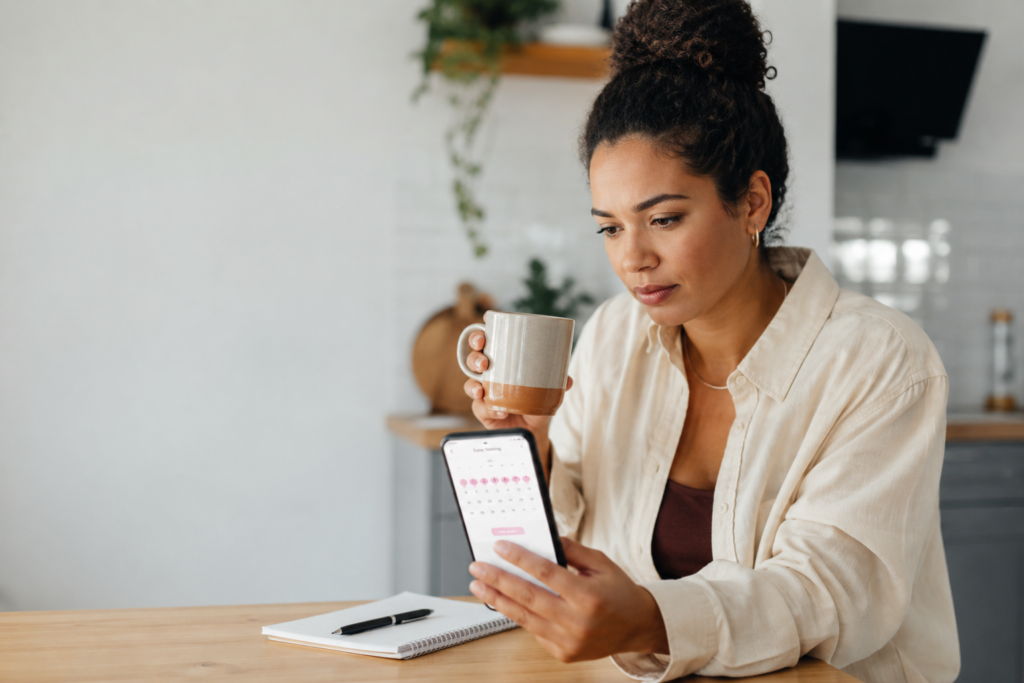
PCOS Symptoms: Early Signs, Diagnosis, and When to Get Checked

Introduction For many women, PCOS symptoms begin quietly. A few missed periods. Acne that does not improve with age. Weight changes that feel difficult to explain. Extra facial hair. Exhaustion. Mood swings. Fertility struggles. What often starts as “something feels off” can slowly become years of unanswered questions. Polycystic ovary syndrome (PCOS) is one of the most common hormonal conditions affecting women of reproductive age. It is estimated to affect around 1 in 10 women globally, although many remain undiagnosed for years. PCOS affects hormone balance, ovulation, metabolism, skin health, fertility, and long-term health risks, including diabetes and cardiovascular disease. Despite its name, PCOS is not simply a condition involving ovarian cysts. It is a complex endocrine disorder involving hormones such as insulin, testosterone, and luteinising hormone (LH), as well as inflammatory pathways. Modern research increasingly recognises PCOS as a whole-body condition, not just a reproductive issue. According to guidance from the NHS and NICE, early recognition and treatment can help reduce complications and improve quality of life. Many women dismiss early PCOS symptoms because they are told irregular periods are “normal,” weight changes are simply lifestyle-related, or acne is cosmetic rather than hormonal. But your symptoms deserve attention. Recognising these signs early can empower you to seek support sooner and take control of your long-term health. What Causes PCOS? PCOS does not have one single cause. Current evidence suggests it develops from a combination of: Genetics Insulin resistance Hormonal imbalance Chronic low-grade inflammation Environmental and lifestyle factors Women with close relatives who have PCOS are more likely to develop the condition themselves, suggesting a strong hereditary component. i. Insulin Resistance and Hormone Disruption One of the most important mechanisms behind PCOS symptoms is insulin resistance. This means the body’s cells do not respond effectively to insulin, the hormone that regulates blood sugar. As a result, the body produces more insulin to compensate. High insulin levels stimulate the ovaries to produce excess androgens, often called “male hormones,” including testosterone. This hormonal shift can contribute to: Irregular ovulation Acne Excess facial or body hair Scalp hair thinning Weight gain Fatigue Research from the Endocrine Society continues to support insulin resistance as a major driver of metabolic and reproductive complications in PCOS. ii. Inflammation and PCOS Emerging evidence from 2024–2026 research also highlights the role of chronic inflammation in PCOS. Low-grade inflammation may worsen insulin resistance and disrupt ovarian function. This helps explain why some women with PCOS experience: Persistent fatigue Joint discomfort Brain fog Mood symptoms Difficulty losing weight despite lifestyle changes PCOS is increasingly understood as a condition involving metabolic, psychological, and inflammatory pathways together. Why PCOS Looks Different in Different Women Not every woman experiences the same PCOS symptoms. Some women are lean and struggle mainly with irregular periods or fertility issues. Others experience severe metabolic symptoms, including weight gain and prediabetes. Ethnicity, genetics, age, and hormone patterns all influence how PCOS appears clinically. Some women also develop symptoms gradually over time, especially during: Puberty Perimenopause Periods of chronic stress Weight changes After stopping hormonal contraception Symptoms, Diagnosis & Barriers a. Common Early PCOS Symptoms The initial signs of PCOS, such as irregular or missed periods and hormonal changes, are crucial for early detection because recognising them promptly can lead to earlier support and management. Common signs include: Irregular or missed periods Heavy or unpredictable bleeding Acne, especially along the jawline Increased facial or body hair (hirsutism) Weight gain or difficulty losing weight Scalp hair thinning Oily skin Fatigue Fertility difficulties Mood changes or anxiety Darkened skin patches (acanthosis nigricans) are often linked to insulin resistance When to Get Checked You should consider speaking with a healthcare professional if you experience: Periods more than 35 days apart Missing periods for several months Persistent hormonal acne Excess hair growth Fertility difficulties after trying to conceive Rapid weight changes Signs of insulin resistance Severe fatigue or worsening symptoms Early assessment matters because untreated PCOS can increase the risk of: Type 2 diabetes High blood pressure Sleep apnoea Endometrial hyperplasia Infertility Anxiety and depression b. How PCOS Is Diagnosed There is no single test for PCOS. Diagnosis usually involves a combination of symptoms, blood tests, and ultrasound findings. Most clinicians use the Rotterdam Criteria, which require two out of three features: Irregular ovulation or irregular periods Signs of excess androgens Polycystic ovaries seen on ultrasound Tests may include: Testosterone levels Blood glucose and HbA1c Lipid profile Thyroid function Prolactin levels Pelvic ultrasound According to the Office on Women’s Health, diagnosis can sometimes take years because symptoms overlap with other conditions. The Reality of Medical Advocacy Many women with PCOS symptoms report feeling dismissed, particularly if symptoms are gradual or weight-related. If you feel your concerns are not being taken seriously: Track your symptoms Bring cycle records to appointments Request hormone and metabolic testing Ask questions about long-term risks Seek a second opinion if necessary Your symptoms are valid, even if they fluctuate or do not fit a textbook picture. Feeling heard and understood is essential for your confidence and emotional well-being. Solutions & Support i. Medical Treatments Treatment depends on symptoms, fertility goals, metabolic health, and personal preference. Common evidence-based medical approaches include: Combined hormonal contraception for cycle regulation Metformin for insulin resistance Fertility medications if trying to conceive Anti-androgen medications for excess hair growth Acne treatments Weight management support The ACOG recommends individualised treatment plans based on reproductive and metabolic needs. ii. Lifestyle and Metabolic Support Lifestyle interventions are not about blame or “fixing” your body. They are about supporting hormone regulation and reducing long-term health risks. Research consistently shows benefits from: Balanced blood sugar support Regular movement Strength training Sleep optimisation reduction Sustainable nutrition habits Even modest improvements in insulin sensitivity may improve ovulation and energy levels. Helpful strategies may include: Prioritising protein and fibre Reducing ultra-processed foods Walking after meals Building muscle mass Managing chronic stress iii. Mental Health and Emotional Impact Living with ongoing PCOS symptoms can affect self-esteem, body image, relationships, and emotional well-being. Women with

PCOS Symptoms: Early Signs, Diagnosis, and When to Get Checked Read More »

Do you need birth control in perimenopause if you are in HRT and Contraception:

Hormone replacement therapy can ease hot flushes, sleep disruption, and mood changes, but many women still ask the same practical question: Do you still need birth control during menopause transition if you’re on HRT? It is a very real concern, especially when periods become irregular, and your body starts sending mixed signals. You may feel less fertile, but that does not always mean you are unable to get pregnant. Quick answer: Yes, in most cases, you still need birth control during menopause transition, even if you are taking HRT. HRT helps with symptoms, but it is not a contraceptive. You usually need contraception until menopause is confirmed, or until age 55 in many cases, depending on your situation and the method you use. What is Hormone Replacement Therapy? i. HRT and contraception are not the same thing Hormone Replacement Therapy (HRT) is a treatment for menopause symptoms. It replaces some of the hormones that naturally fall during perimenopause and menopause, especially oestrogen, and sometimes progesterone. It can help with hot flushes, night sweats, vaginal dryness, sleep problems, and low mood. Contraception, on the other hand, is there to prevent pregnancy. That is the key point that many women are not clearly told: HRT does not count as birth control during menopause transition. Even if it helps your symptoms and changes your bleeding pattern, it does not reliably stop ovulation. ii. What does menopause transition mean Menopause transition, often called perimenopause, is the time when hormone levels begin to fluctuate and periods become less predictable. Fertility drops, but pregnancy can still happen until menopause is reached. Menopause is usually confirmed after 12 months without a period if you are not using hormonal contraception that affects bleeding. Perimenopause symptoms: How to tell if your changing periods are normal Why does it happen? i. Ovulation can still happen, even with irregular periods During perimenopause, ovulation becomes less regular, not necessarily absent. That means you may skip periods for weeks or months, then ovulate unexpectedly. This is why birth control during menopause transition can still matter, even when your cycles seem to be winding down. ii. HRT treats symptoms, but does not reliably prevent pregnancy Some women assume that because HRT contains hormones, it must also prevent pregnancy. Understandable, but not correct. Standard HRT doses are not designed or licensed to work as contraception. If pregnancy is possible for you and you do not want to conceive, you need a separate contraceptive plan. Common situations where this question comes up Your periods are irregular, so you are unsure whether you are still fertile You have started HRT and assumed it would cover both symptoms and contraception You have a coil, mini-pill, or implant and wonder whether you can use it with HRT You are over 50 and trying to work out when contraception can safely stop   Signs or symptoms i. Signs you may still need contraception If any of these apply, birth control during menopause transition is still worth discussing: You are still getting periods, even if they are far apart You are under 55 and still sexually active with a male partner You are taking HRT You are using a hormonal contraceptive that makes bleeding stop, so your periods are no longer a reliable clue You are not yet sure whether menopause has been reached ii. Symptoms that can confuse the picture Perimenopause can bring: Irregular periods Hot flushes Night sweats Mood changes Sleep problems Vaginal dryness These symptoms can happen while pregnancy is still technically possible. Symptoms alone cannot tell you whether you still need birth control during menopause transition. Why Is My Period Late but I’m Not Pregnant? Common Causes, Hormone Changes, and When to Worry What is normal, and when to pay attention i. What is usually normal For many women, it is normal to need both symptom relief and contraception at the same time. This overlap can last for a few years. It is also normal for bleeding patterns to change once HRT or hormonal contraception is started. ii. General timing rules, women are often given In general, contraception can often be stopped: 1 year after the last natural period if you are over 50 2 years after the last natural period if you are under 50 At age 55, when a natural pregnancy becomes exceptionally rare for most women iii. Important reminder These timing rules can get trickier if you are using hormonal contraception or HRT, because they may affect bleeding and make menopause harder to judge. Hormone blood tests, such as FSH, are also not reliable for women using combined hormonal contraception or HRT. Practical options that may be discussed with a clinician Depending on your age and medical history, a doctor or sexual health clinician may discuss: A progestogen-only pill alongside HRT A hormonal coil that may help with contraception and, in some cases, can be used as the progesterone part of HRT if it is the right type and changed on schedule. A copper coil A contraceptive implant Switching off the combined pill around age 50 and moving to another method if appropriate When to speak to a doctor i. Make an appointment if: You are starting HRT and are unsure what to do about contraception. Your periods have stopped, but you are using hormones and cannot tell whether menopause has happened. You want to know when it is safe to stop birth control during menopause transition. You have new, heavy, prolonged, or unpredictable bleeding. You think you might be pregnant. You have migraines with aura, a history of blood clots, smoking over age 35, high blood pressure, breast cancer history, or other conditions that may affect which options are safe for you. A medically responsible next step is simple: do not stop contraception based on age, symptoms, or missed periods alone if you are using HRT or hormonal contraception. Get personalised advice. What Does a Hot Flush Feel Like? Signs, Causes and Relief Key takeaway If you remember one thing, let it

Do you need birth control in perimenopause if you are in HRT and Contraception: Read More »