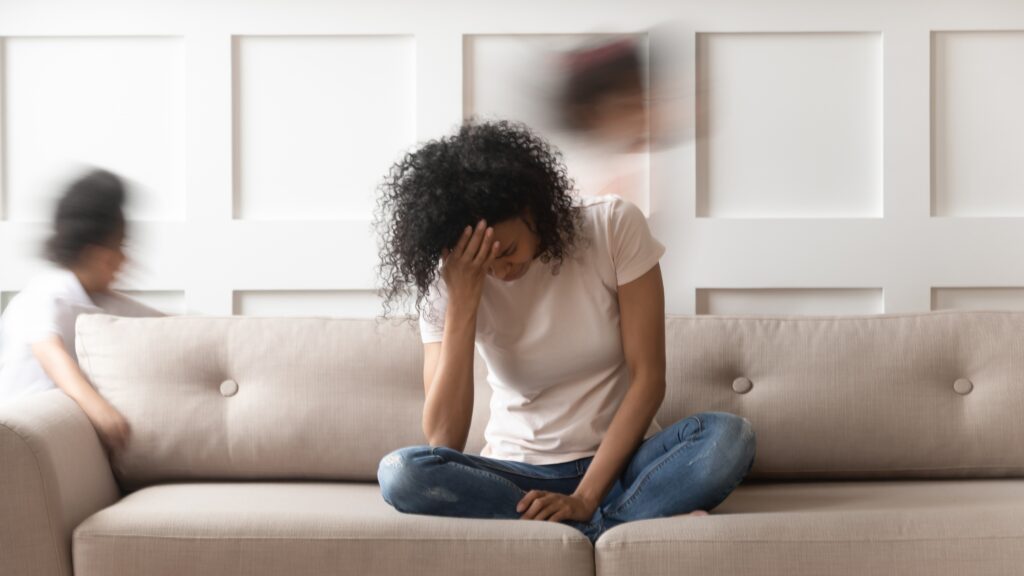
Many women describe it in the same quiet, uncertain way: “I don’t feel like myself, but I can’t explain why.”
Maybe your periods have become unpredictable. Maybe you are waking at 3 a.m. with your mind racing. Maybe your patience feels thinner, your skin feels different, your energy dips without warning, or your usual jeans suddenly feel tighter around the middle. For many women, these subtle shifts are among the first signs of hormonal changes in women, especially in the years leading up to menopause.
Hormonal changes can begin gradually, often in the late 30s or 40s, although timing varies. They may affect your cycle, sleep, mood, metabolism, sex life, skin, joints, concentration, and confidence. Some women notice one or two symptoms. Others feel as if their whole bodies have changed their rhythm.
This article explains the first signs of hormonal changes in women, why they happen, what is normal, what needs medical review, and what practical, evidence-based steps may help you feel steadier, more informed, and supported.
What Are Hormonal Changes in Women?
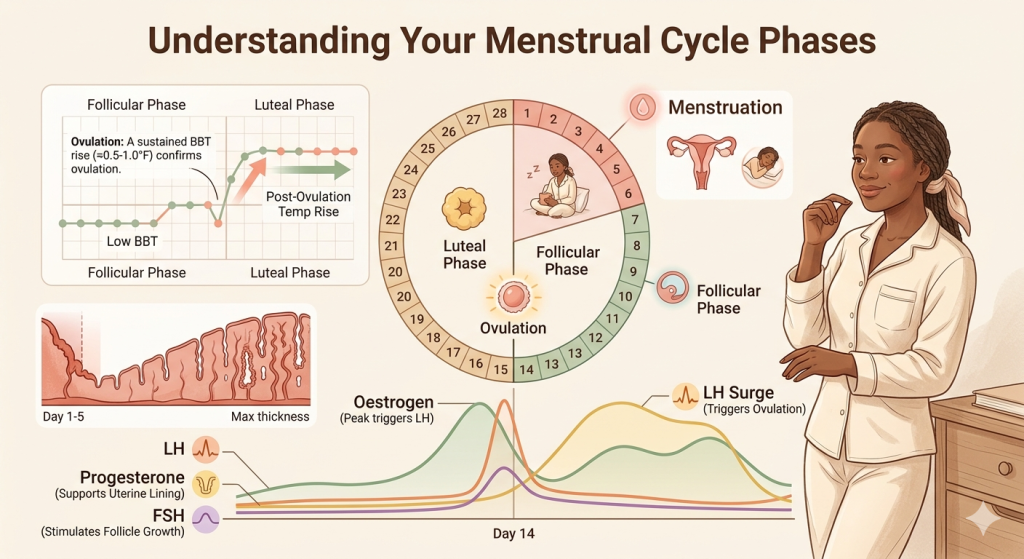
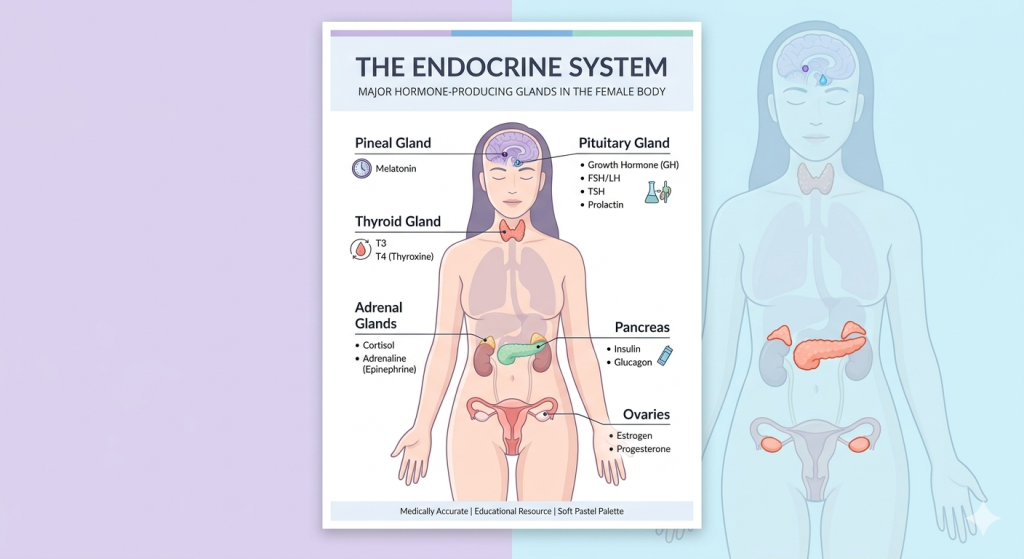
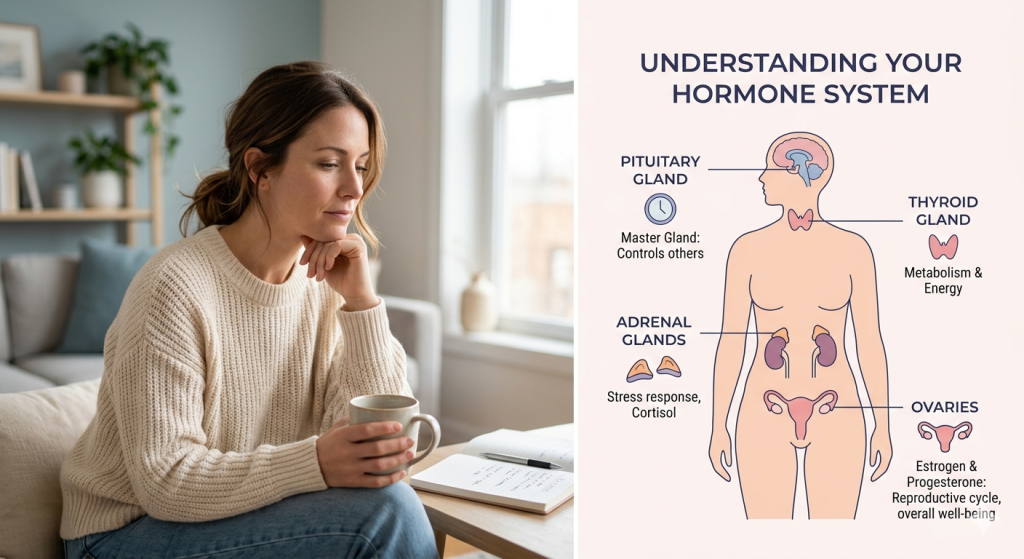
Hormonal changes happen when the body’s chemical messengers shift in amount, timing, or pattern. Hormones are substances made by glands, such as the ovaries, thyroid, adrenal glands, and pancreas. They help regulate periods, fertility, mood, sleep, metabolism, temperature control, bone strength, blood sugar, and sexual function.
For women aged 35–65, the most common hormonal transition is the movement from reproductive years into perimenopause, menopause, and postmenopause.
Perimenopause means “around menopause.” It is the transition stage before menopause when ovarian hormone production becomes more unpredictable.
Menopause is diagnosed after 12 consecutive months without a menstrual period, not caused by pregnancy, medication, or another medical condition.
Postmenopause refers to the years after menopause.
The main hormones involved include:
- Oestrogen: Supports the menstrual cycle, vaginal and urinary tissues, bones, brain function, skin, blood vessels, and temperature regulation.
- Progesterone: Helps regulate the menstrual cycle and supports sleep and a sense of calm in some women.
- Testosterone: Present in women in smaller amounts and involved in libido, energy, muscle strength, and well-being.
- Thyroid hormones: Regulate metabolism, temperature, heart rate, digestion, and energy.
- Insulin and cortisol influence blood sugar, stress response, appetite, sleep, and weight.
The first signs of hormonal changes in women often appear when oestrogen and progesterone begin to fluctuate rather than decline. This is why symptoms can feel unpredictable. You may feel fine for weeks, then suddenly have heavier periods, poor sleep, anxiety, breast tenderness, or hot flushes.
Trusted guidance from the NHS and Office on Women’s Health explains that hormone levels may change unevenly during the menopause transition, which is why symptoms can come and go.
Common Signs and Symptoms
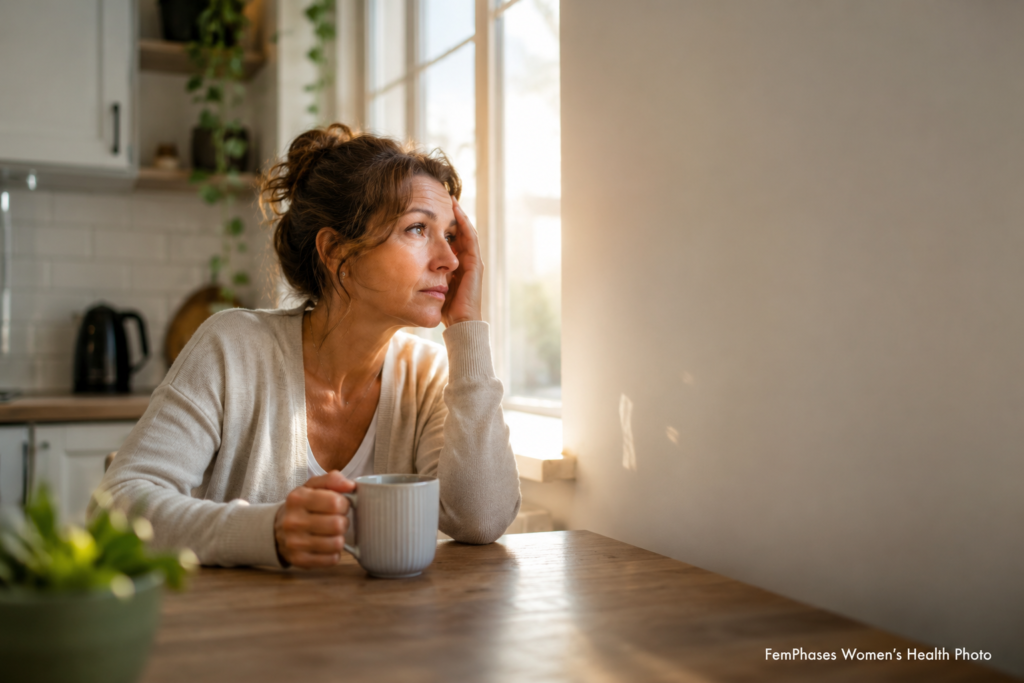
The first signs of hormonal changes in women are not always dramatic. Many are easy to dismiss as stress, ageing, overwork, parenting, caregiving, or “just being busy.” In real life, women often report that symptoms build slowly until they start affecting sleep, patience, relationships, work performance, or confidence.
a. Period Changes
Changes in your menstrual cycle are often one of the earliest clues. You may notice:
- Periods coming closer together
- Longer gaps between periods
- Heavier bleeding
- Lighter bleeding
- More clots than usual
- Worse cramps
- Spotting before a period
- Periods that feel less predictable than before
The NHS notes that a change in the usual pattern of periods is often one of the first signs of perimenopause. However, heavy bleeding, bleeding after sex, bleeding between periods, or bleeding after menopause should always be assessed.
b. Sleep Disruption
Many women say, “I’m exhausted, but I can’t sleep properly.” Sleep changes may include:
- Waking in the early hours
- Night sweats
- Lighter, more broken sleep
- Difficulty falling asleep
- Waking with anxiety or a racing heart
- Feeling unrefreshed despite enough hours in bed
Poor sleep can make other symptoms feel worse, including irritability, brain fog, cravings, low mood, headaches, and fatigue.
c. Mood and Anxiety Shifts
Hormonal changes can affect brain chemicals involved in mood regulation. Women commonly describe:
- New or worsening anxiety
- Irritability
- Tearfulness
- Mood swings
- Lower confidence
- Feeling emotionally “thin-skinned”
- Panic-like feelings
- Low mood
- Reduced motivation
This does not mean your symptoms are “all in your head.” Hormones, sleep, stress, life responsibilities, and past mental health history can all interact. Women with a history of PMS, postnatal depression, anxiety, depression, trauma, or PMDD may be more sensitive to hormonal shifts.
d. Hot Flushes and Night Sweats
Hot flushes are sudden waves of heat, often felt in the face, neck, chest, or upper body. They may come with sweating, flushing, palpitations, or chills afterwards. When they happen at night, they are called night sweats.
Some women have obvious hot flushes early. Others only notice they are suddenly intolerant of warm rooms, alcohol, spicy foods, stress, or heavy bedding.
e. Brain Fog and Concentration Changes
Brain fog can feel frightening, especially for women who are used to being organised and mentally sharp. It may show up as:
- Forgetting words
- Losing your train of thought
- Difficulty concentrating
- Feeling mentally slower
- Forgetting why you walked into a room
- Struggling with multitasking
- Feeling less confident at work
Brain fog is often worsened by poor sleep, stress, low mood, thyroid issues, anaemia, medication side effects, or vitamin deficiencies, so it is worth discussing persistent symptoms with a healthcare professional.
f. Weight and Body Shape Changes
Many women notice weight gain around the abdomen, even without major changes in eating habits. Hormonal changes can influence fat distribution, insulin sensitivity, appetite, muscle mass, sleep, and energy expenditure.
This can feel deeply frustrating, especially when old routines no longer produce the same results. It is not a personal failure. Midlife metabolism is affected by hormones, muscle loss, sleep, stress, alcohol intake, activity levels, and genetics.
g. Vaginal, Urinary, and Sexual Changes
Lower oestrogen can affect the tissues of the vagina, vulva, bladder, and urethra. Symptoms may include:
- Vaginal dryness
- Pain or discomfort during sex
- Reduced libido
- Vulval itching or burning
- Recurrent urinary tract infections
- Urinary urgency
- Needing to pass urine more often
- Reduced arousal or sensitivity
These symptoms are common but often underreported because many women feel embarrassed. They are treatable, and vaginal oestrogen is considered a local treatment option for many women, depending on individual medical history.
Less-recognised symptoms
Some women are surprised to learn that hormonal changes may also be linked with:
- Joint aches
- Muscle pains
- Headaches or migraines
- Breast tenderness
- Palpitations
- Skin dryness
- Acne flare-ups
- Hair thinning
- Gum sensitivity
- Digestive changes or bloating
- Increased PMS-like symptoms
- Lower exercise tolerance
- Fatigue
Not every symptom in midlife is hormonal. Thyroid disease, diabetes, anaemia, autoimmune conditions, medication effects, sleep apnoea, depression, and other medical issues can look similar.
Why It Happens
The first signs of hormonal changes in women often happen because the ovaries begin to respond differently to brain signals. During perimenopause, ovulation may become less regular. When ovulation is inconsistent, progesterone patterns can change. Oestrogen may rise and fall unpredictably before eventually declining.
i. Hormonal influences
Oestrogen receptors are found throughout the body, including the brain, bones, skin, blood vessels, urinary tract, and reproductive tissues. This helps explain why symptoms are not limited to periods.
When oestrogen fluctuates, it can affect:
- Temperature control in the brain
- Sleep regulation
- Mood and serotonin pathways
- Vaginal and urinary tissue health
- Collagen and skin elasticity
- Bone turnover
- Cholesterol and blood vessel function
- Insulin sensitivity and fat distribution
Progesterone changes may also affect sleep, mood, breast tenderness, and cycle patterns.
ii. Age-related changes
Most women reach menopause between the ages of 45 and 55, according to global and public health sources such as the WHO and CDC. Perimenopause can begin several years before the final period.
Some women enter menopause earlier due to surgery, chemotherapy, radiotherapy, autoimmune conditions, genetic factors, or premature ovarian insufficiency. Menopause before age 40 is considered premature and needs medical assessment.
iii. Lifestyle factors
Lifestyle does not “cause” menopause, but it can influence how symptoms feel. Common contributing factors include:
- Chronic stress
- Poor sleep
- Low physical activity
- Smoking
- High alcohol intake
- Low protein intake
- Blood sugar swings
- Weight changes
- Caregiving pressure
- Workplace stress
- Lack of social support
Many women in midlife are carrying several roles at once: work, parenting, relationships, ageing parents, financial pressure, and emotional labour. The body may be going through a biological transition at the same time life is asking more from you than ever.
Medical conditions that can mimic hormonal changes
Symptoms that seem hormonal may also be caused or worsened by:
- Thyroid disorders
- Iron deficiency or anaemia
- Vitamin B12 or vitamin D deficiency
- Diabetes or insulin resistance
- Polycystic ovary syndrome
- Endometriosis or fibroids
- Depression or anxiety disorders
- Sleep apnoea
- Medication side effects
- Pregnancy
- Autoimmune conditions
This is why a thoughtful medical review matters, especially if symptoms are new, severe, unusual, or affecting daily life.
Evidence-Based Solutions
There is no single solution for every woman. The best approach depends on your age, symptoms, medical history, preferences, risk factors, and whether you are perimenopausal, menopausal, or postmenopausal.
Guidance from NICE, the British Menopause Society, and other menopause organisations encourages individualised care, shared decision-making, and balanced discussion of benefits and risks.
Lifestyle approaches for the first signs of hormonal changes in women
Lifestyle changes can help reduce symptom burden and support long-term health, although they may not fully control moderate-to-severe symptoms.
Helpful foundations include:
- Keeping a regular sleep and wake routine
- Eating enough protein at meals
- Increasing fibre from vegetables, beans, lentils, oats, fruit, nuts, and seeds
- Reducing alcohol if it worsens sleep, flushes, mood, or anxiety
- Limiting caffeine if it triggers palpitations or anxiety
- Doing strength training two to three times weekly
- Walking regularly
- Managing stress with realistic, repeatable practices
- Tracking symptoms for patterns
The goal is not perfection. It gives your body steadier signals at a time when hormones may already feel unpredictable.
i. Nutrition support
A hormone-supportive diet is not a detox or a cure. It is a steady way to support blood sugar, gut health, bones, muscles, heart health, and energy.
Focus on:
- Protein: Helps maintain muscle and fullness.
- Fibre: Supports digestion, cholesterol, and blood sugar control.
- Calcium and vitamin D: Important for bone health.
- Omega-3 fats: Found in oily fish, walnuts, chia seeds, and flaxseed.
- Phytoestrogens: Plant compounds found in soy foods, flaxseed, and legumes. Evidence suggests they may modestly help some women, but effects vary.
- Hydration: Especially if night sweats, headaches, or constipation are present.
Be careful with supplements marketed as hormone “balancers.” Some may interact with medication, affect the liver, or be unsafe for women with certain hormone-sensitive conditions. Supplements should not be presented as cures.
ii. Physical activity
Exercise supports mood, sleep, insulin sensitivity, cardiovascular health, bone strength, and muscle maintenance.
A balanced routine may include:
- Strength training
- Brisk walking
- Mobility work
- Balance exercises
- Yoga or Pilates, if enjoyable
- Short movement breaks during the workday
For women who feel exhausted, starting small is often more realistic. Ten minutes of walking after meals or two short strength sessions a week can still be meaningful.
iii. Sleep strategies
Sleep disruption is one of the most common reasons women seek help. Practical steps include:
- Keeping the bedroom cool
- Using breathable bedding
- Reducing alcohol in the evening
- Avoiding heavy meals close to bedtime
- Keeping a consistent wake time
- Reducing late caffeine
- Using relaxation routines that do not feel like another task
- Seeking help for snoring, choking, or possible sleep apnoea
If night sweats are frequent, treating the underlying menopausal symptoms may be more effective than sleep hygiene alone.
iv. Stress and nervous system support
Stress does not cause perimenopause, but it can amplify symptoms. Women commonly report that hot flushes, anxiety, palpitations, insomnia, and irritability worsen during high-pressure periods.
Helpful approaches include:
- Breathing exercises
- Counselling or therapy
- Time outdoors
- Boundaries around work and caregiving
- Reducing overcommitment
- Mindfulness or prayer
- Support groups
- Honest conversations with partners or family
For persistent anxiety or depression, medical and psychological support can make a significant difference.
Medical treatment options
Medical options depend on symptoms, age, risk factors, and personal preference.
They may include:
- Hormone replacement therapy, also called HRT or menopausal hormone therapy: Often effective for hot flushes, night sweats, sleep disruption related to vasomotor symptoms, and some mood symptoms. It may also support bone health. Benefits and risks vary depending on age, timing, dose, route, and medical history.
- Vaginal oestrogen: A local treatment for vaginal dryness, painful sex, urinary symptoms, and recurrent UTIs in many women.
- Non-hormonal medications: Certain antidepressants, gabapentin, clonidine, or newer non-hormonal treatments may be options for some women who cannot or prefer not to use HRT.
- Contraception: Pregnancy is still possible during perimenopause, so contraception may be needed until menopause is confirmed or according to clinical advice.
- Treatment for heavy bleeding: Depending on the cause, options may include a hormonal intrauterine system, tranexamic acid, other medications, or investigation for fibroids or other conditions.
- Thyroid, iron, or vitamin treatment: If testing shows another contributor.
HRT is not suitable for everyone. Women with a history of certain breast cancers, unexplained vaginal bleeding, active liver disease, blood clots, stroke, or other specific conditions need individual medical advice.
When to Seek Medical Advice
You do not need to wait until symptoms are unbearable. Seek medical advice if the first signs of hormonal changes in women are affecting your sleep, work, relationships, mood, sex life, or quality of life.
Red flags and warning signs
Arrange medical review promptly if you have:
- Bleeding after menopause
- Bleeding after sex
- Very heavy bleeding or flooding
- Bleeding between periods
- New pelvic pain
- New breast lump or nipple changes
- Unexplained weight loss
- Persistent bloating or abdominal swelling
- Severe depression or thoughts of self-harm
- Chest pain
- Fainting
- New severe headaches
- Palpitations with dizziness, chest pain, or breathlessness
- Symptoms of menopause before age 40
- New symptoms after starting medication
Urgent help is needed for chest pain, stroke symptoms, severe breathing difficulty, or thoughts of harming yourself.
What research and guidance show:
Hormonal changes during perimenopause and menopause can affect menstrual patterns, vasomotor symptoms such as hot flushes and night sweats, sleep, mood, cognition, vaginal and urinary health, bone health, and cardiometabolic risk.
Strength of evidence:
There is strong clinical consensus that changing menstrual patterns, hot flushes, night sweats, vaginal dryness, sleep disruption, and mood changes are common during perimenopause and menopause. Evidence for lifestyle support is strongest for general health, cardiovascular health, bone health, sleep quality, and weight management, while symptom relief varies between women.
Areas of uncertainty:
Not all symptoms in midlife are caused by hormones. Research is still developing around individual symptom patterns, brain fog, gut changes, wearable tracking, and personalised menopause care.
What Women Commonly Report
Women often describe the first signs as subtle but disruptive:
- “My periods are still coming, but they are different.”
- “I wake up at 3 a.m. and can’t switch my brain off.”
- “I feel anxious for no clear reason.”
- “I am snapping at people I love.”
- “I used to cope well, but now everything feels harder.”
- “My body shape has changed even though I haven’t changed much.”
- “Sex feels uncomfortable, and I feel embarrassed talking about it.”
- “I feel like myself one week and completely different the next.”
These experiences are common, but they should not be brushed aside. Support is available.
Questions to Ask Your Doctor
- Could my symptoms be related to perimenopause or another hormonal change?
- Do I need any tests, such as thyroid, iron, B12, vitamin D, blood sugar, or pregnancy testing?
- Are my bleeding changes normal, or do they need investigation?
- What are the benefits and risks of HRT for someone with my medical history?
- Are there non-hormonal treatment options for my symptoms?
- Could vaginal oestrogen help with dryness, discomfort, or urinary symptoms?
- What contraception do I need during perimenopause?
- Should I be screened for blood pressure, cholesterol, diabetes, or bone health?
- Could any of my medications be contributing to my symptoms?
- When should I come back if symptoms worsen?
Frequently Asked Questions
What are usually the first signs of hormonal changes in women?
The first signs are often changes in periods, sleep, mood, energy, PMS symptoms, hot flushes, night sweats, brain fog, breast tenderness, or changes in weight and body shape. For many women, period changes are the earliest noticeable clue.
Can hormonal changes start in your 30s?
Yes. Some women begin noticing hormonal shifts in their late 30s, although perimenopause is more common in the 40s. Symptoms before age 40 should be discussed with a healthcare professional, especially if periods become irregular or stop.
Are anxiety and mood swings early signs of hormonal changes?
They can be. Fluctuating oestrogen and progesterone may affect mood, sleep, and stress sensitivity. However, anxiety and mood changes can also be caused by stress, thyroid disease, trauma, depression, medication, or life pressures, so persistent symptoms deserve support.
How do I know if it is hormones or stress?
It can be both. Hormonal changes and stress often overlap. A symptom tracker can help identify patterns around your cycle, sleep, workload, caffeine, alcohol, and life events. A healthcare professional can also check for other causes.
Are irregular periods always perimenopause?
No. Perimenopause, pregnancy, thyroid disorders, PCOS, fibroids, stress, weight changes, medication, or other conditions can cause irregular periods. New, heavy, or unusual bleeding should be assessed.
Can hormonal changes cause weight gain?
Hormonal changes can affect body composition, appetite, insulin sensitivity, sleep, and fat distribution, especially around the abdomen. But weight changes are usually multifactorial and may also involve stress, activity, muscle mass, diet, medication, and medical conditions.
Do I need hormone blood tests?
Not always. In women over 45 with typical perimenopause or menopause symptoms, diagnosis is often based on symptoms and cycle changes. Blood tests may be helpful in younger women, unclear cases, or when other conditions are suspected.
Can hormonal changes cause brain fog?
Yes, many women report memory and concentration changes during perimenopause and menopause. Poor sleep, stress, mood changes, thyroid problems, anaemia, and vitamin deficiencies can also contribute.
What are the first signs of hormonal changes in women?
Helpful steps include tracking symptoms, improving sleep habits, strength training, eating enough protein and fibre, reducing alcohol if it worsens symptoms, managing stress, and seeking medical advice about HRT or non-hormonal treatments when symptoms affect quality of life.
When should I worry about hormonal symptoms?
Seek medical advice for bleeding after menopause, bleeding after sex, very heavy bleeding, pelvic pain, severe mood symptoms, chest pain, fainting, unexplained weight loss, persistent bloating, or menopause symptoms before age 40.
Key Takeaways
- The first signs of hormonal changes in women are often subtle. They may include period changes, sleep disruption, mood shifts, anxiety, hot flushes, brain fog, fatigue, vaginal dryness, and weight changes.
- Perimenopause can begin years before menopause.
- Hormonal symptoms can affect work, relationships, confidence, sex, sleep, and daily well-being.
- Not every midlife symptom is hormonal, so persistent or unusual symptoms should be assessed.
- Lifestyle strategies can support health, but moderate-to-severe symptoms may require medical treatment.
- HRT, vaginal oestrogen, non-hormonal medications, and treatment for underlying conditions may all have a role depending on the individual.
- You deserve support before symptoms become overwhelming.
Conclusion
The first signs of hormonal changes in women can feel confusing, especially when they arrive quietly: a strange period, a restless night, a sudden wave of anxiety, a hot flush in a meeting, or the unsettling feeling that your body is no longer following familiar rules.
But these changes are not a failure, and you are not imagining them. Hormonal transitions are real biological events that can affect the whole person: body, mind, relationships, work, confidence, and identity.
Start by tracking what you notice. Pay attention to your cycle, sleep, mood, bleeding, energy, and symptoms that affect your daily life. Then seek support from a healthcare professional, especially if symptoms are persistent, severe, unusual, or worrying.
With the right information and care, this stage can become less frightening and more manageable. You do not have to push through. You can understand what is happening, ask better questions, and choose the support that fits your body and your life.
Medical Disclaimer
This article is for educational purposes only and does not replace professional medical advice, diagnosis, or treatment. Always speak with a qualified healthcare professional about symptoms, medication, treatment options, or concerns about your health. Seek urgent medical help if you have severe symptoms such as chest pain, stroke symptoms, heavy uncontrolled bleeding, severe breathlessness, fainting, or thoughts of self-harm.