
Introduction
Severe hormonal fatigue can feel as though someone quietly removed the batteries from your body overnight. You may wake up tired, push through work on caffeine, crash in the afternoon, then lie awake at 3 a.m. wondering why rest no longer restores you. A daily routine for managing severe hormonal fatigue is not about forcing yourself to “try harder.” It is about working with your biology, protecting your nervous system, and knowing when fatigue deserves proper medical investigation.
Hormonal fatigue is not a formal medical diagnosis. In this article, it means persistent, disruptive tiredness that appears or worsens around hormonal transitions such as perimenopause, menopause, postpartum recovery, thyroid changes, menstrual cycle shifts, polycystic ovary syndrome, or chronic stress. Menopause and perimenopause can include sleep problems, night sweats, mood changes, poor memory, brain fog and tiredness, and symptoms may last several years for some women. (nhs.uk)
Trusted guidance also reminds us that fatigue should not automatically be blamed on hormones. Anaemia, thyroid disease, vitamin B12 deficiency, vitamin D deficiency, diabetes, sleep apnoea, depression, medication side effects, inflammatory illness and ME/CFS can all overlap with hormonal symptoms. That is why a strong daily routine for managing severe hormonal fatigue should include both self-care and medical advocacy.
The Overview
Hormonal fatigue is often described as “not normal tired.” It can feel heavy, foggy, wired-but-exhausted, emotionally fragile, or physically drained after ordinary tasks. During perimenopause and menopause, fluctuating oestrogen and progesterone can affect sleep, body temperature regulation, mood, metabolism, joint comfort and cognition. The NHS lists hot flushes, night sweats, sleep problems, mood changes, poor memory and brain fog among common menopause and perimenopause symptoms. (nhs.uk)
A practical routine works best when it does three things at once: reduces energy drains, supports predictable energy input, and flags symptoms that need clinical care. The aim is not to create a perfect wellness schedule. The aim is to make your day less punishing.
For FemPhases readers, this daily routine for managing severe hormonal fatigue is built around five pillars:
- Morning stabilisation
- Blood sugar and hydration support
- Gentle movement and pacing
- Nervous system regulation
- Medical review when fatigue is severe, persistent or changing
The In-Depth Study
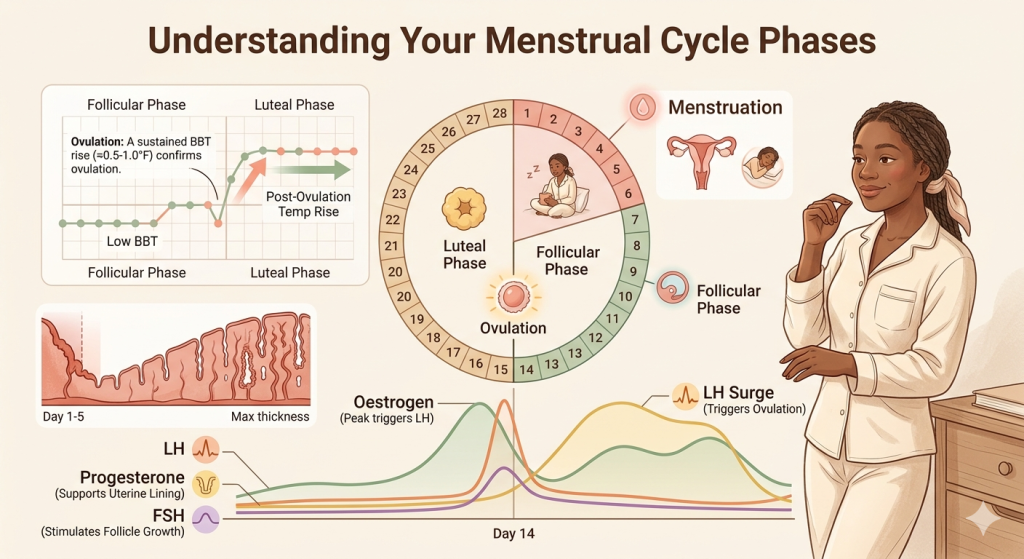
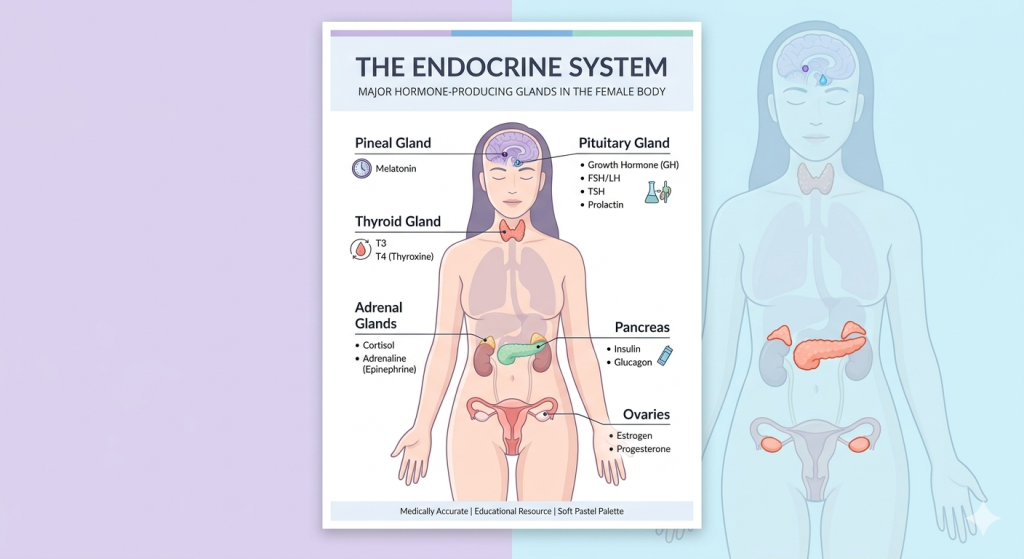
How Hormones Can Affect Energy
Oestrogen is involved in many body systems, including temperature regulation, sleep quality, mood, blood vessels, bones and metabolism. When oestrogen fluctuates during perimenopause, some women experience night sweats, broken sleep, palpitations, anxiety, joint aches and brain fog. Even if you spend eight hours in bed, repeated awakenings can leave you feeling as if you barely slept.
Progesterone also matters. It can influence sleep and calming pathways in the brain, although responses vary from woman to woman. Testosterone, often thought of as a “male hormone,” is also present in women and may contribute to libido, muscle strength, motivation and general well-being. However, testosterone treatment is not a fatigue cure and should be considered carefully with a qualified clinician.
Why Sleep Disruption Is Often the Hidden Driver
Many women blame themselves for low motivation when the real issue is poor sleep architecture. Sleep architecture refers to the natural structure of sleep stages throughout the night. Hot flushes, night sweats, anxiety, nocturia, restless legs, pain and sleep apnoea can fragment sleep before you are fully aware of it.
Adults are generally recommended to get at least 7 hours of sleep in 24 hours, and the CDC notes that sleep diaries can help clinicians understand patterns in bedtime, wake times, naps, exercise, caffeine, alcohol, and medication use. (CDC)
The Role of Blood Sugar and Cortisol
Cortisol is a stress hormone that helps regulate alertness, blood pressure, glucose and the sleep-wake cycle. Chronic stress, under-eating, irregular meals, high caffeine intake and poor sleep can all make energy feel more unstable.
Some women notice a cycle: skip breakfast, drink coffee, feel briefly productive, crash mid-afternoon, crave sugar, then struggle to sleep. A daily routine for managing severe hormonal fatigue should include steady meals, protein, fibre, hydration and caffeine boundaries rather than relying on willpower.
Why Severe Fatigue Needs a Wider Health Lens
NICE menopause guidance supports personalised discussion of menopause symptoms and treatment options, including HRT where appropriate. In contrast, NHS guidance notes that HRT is a main treatment for menopause and perimenopause symptoms. (NICE)
But fatigue may have more than one cause. A woman can be perimenopausal and anaemic. She can be postmenopausal and have sleep apnoea. She can have thyroid disease and night sweats. This is why the safest approach combines symptom tracking, routine adjustment and proper assessment.
Signs and Symptoms
Hormonal fatigue can be subtle at first. Then one day, you realise you are planning your life around how tired you feel.
a. Common Signs of Hormonal Fatigue
You may notice:
- Waking unrefreshed even after enough hours in bed
- Afternoon energy crashes
- Brain fog, poor concentration or word-finding difficulty
- Heavier premenstrual fatigue
- Low motivation despite wanting to do things
- Muscle heaviness or reduced exercise tolerance
- Mood swings, irritability or tearfulness
- Night sweats, hot flushes or temperature swings
- Increased reliance on caffeine or sugar
- Feeling “wired but tired” at night
The NHS notes that memory, concentration and mood symptoms may feel worse when sleep is poor, and tiredness is high. (nhs.uk)
b. Red Flags That Need Medical Attention
Please seek medical advice promptly if fatigue is sudden, severe, worsening, unexplained or linked with symptoms such as chest pain, breathlessness, fainting, heavy bleeding, black stools, unexplained weight loss, persistent fever, new neurological symptoms, severe depression, suicidal thoughts, or a new breast lump.
Fatigue that stops you working, caring for yourself, walking usual distances, or recovering after rest deserves assessment. It is not “just hormones” until other causes have been considered.
c. A Note on Medical Advocacy
It can help to say clearly: “This fatigue is affecting my daily function. I want an assessment for hormonal and non-hormonal causes.”
Bring a short symptom diary covering sleep, periods or bleeding, hot flushes, night sweats, medications, mood, food timing, caffeine, exercise tolerance and crashes. This makes your appointment more specific and harder to dismiss.
Diagnosis and Treatment
A daily routine for managing severe hormonal fatigue should sit alongside diagnosis, not replace it.
a. How Clinicians May Assess Severe Fatigue
Your clinician may ask about:
- Menstrual pattern and menopause stage
- Pregnancy or postpartum status
- Bleeding pattern, including heavy or irregular bleeding
- Sleep quality and snoring
- Mood, anxiety, trauma or burnout
- Weight changes
- Medication and supplement use
- Diet, alcohol and caffeine
- Pain, infections or inflammatory symptoms
- Family history of thyroid, autoimmune or metabolic conditions
Depending on your symptoms, they may consider blood tests such as a full blood count, ferritin or iron studies, thyroid function tests, B12, folate, vitamin D, HbA1c, liver and kidney function tests, inflammatory markers, or reproductive hormone testing in selected cases.
b. Menopause diagnosis
For many women over 45, perimenopause or menopause can often be identified based on symptoms and menstrual changes rather than routine hormone testing. NICE guidance focuses on identifying and managing menopause through clinical assessment and individualised care. (NICE)
Hormone blood tests can be useful in some situations, such as suspected premature ovarian insufficiency, early menopause, unclear diagnosis, or when other endocrine conditions are suspected.
c. Clinical Treatment Options
Treatment depends on the cause. Options may include:
- Treating anaemia, thyroid disease, diabetes, depression, sleep apnoea or vitamin deficiencies
- Menopause hormone therapy, also called HRT or MHT, when appropriate
- Non-hormonal medicines for hot flushes and night sweats
- CBT for menopause-related sleep, mood or vasomotor symptoms
- Vaginal oestrogen for genitourinary symptoms
- Workplace adjustments where symptoms affect daily function
NHS guidance describes HRT as a main treatment for menopause and perimenopause symptoms and also notes that CBT, clonidine or some antidepressants may be considered for hot flushes and night sweats in certain situations. It also cautions that many herbal or complementary remedies have limited evidence and may interact with medicines. (nhs.uk)
Helpful Outbound Resources
For further reading, use these trusted medical sources:
- NHS: Treatment for menopause and perimenopause
- NICE: Menopause identification and management
- Office on Women’s Health: Menopause symptoms and relief
- CDC: About sleep
Barriers and Challenges
a. “My Blood Tests Are Normal, But I Feel Awful”
This is common. Standard blood tests can rule out many serious causes, but they may not capture fluctuations in hormones, poor sleep quality, stress load, night sweats, pain, caregiving strain, or workplace pressure.
Normal results do not mean your symptoms are imaginary. They mean the next step may be a more detailed history, sleep assessment, menopause review, mental health support, medication review or referral.
b. The Productivity Trap
Many women respond to fatigue by becoming stricter with themselves. They cut rest, skip meals, over-exercise, over-caffeinate, then crash harder. Severe hormonal fatigue often improves with steadier rhythms rather than harsher rules.
c. Workplace and Caregiving Pressures
Severe fatigue becomes harder to manage when you are expected to function as though nothing has changed. Women may be caring for children, ageing parents, patients, clients, partners or teams while privately struggling to stay upright.
A realistic daily routine for managing severe hormonal fatigue must fit real life. It should include backup meals, rest windows, flexible movement and honest conversations about support.
d. Misinformation and Supplement Overload
Supplements can be useful when there is a deficiency or clear clinical reason, but they should not be presented as cures. Be careful with products claiming to “balance all hormones,” “fix adrenal fatigue,” or replace medical care. Some supplements interact with anticoagulants, antidepressants, blood pressure medication, diabetes medication or cancer treatments.
Solutions and Support
Below is a practical daily routine for managing severe hormonal fatigue that can be adapted for workdays, shift work, caregiving, chronic illness or recovery.
Morning: Stabilise Before You Accelerate
1. Wake With Light, Hydration and a Gentle Check-In
Before reaching for your phone, take 60 seconds to notice your body.
Ask:
- Did I wake refreshed or exhausted?
- Did I sweat overnight?
- Do I feel anxious, flat, heavy or clear?
- Is today a normal-energy, low-energy or crash-risk day?
Drink water early. Open curtains or step outside for natural light when possible. Morning light helps reinforce your circadian rhythm, which is your body’s internal sleep-wake clock.
2. Eat a Protein-Based Breakfast
A helpful breakfast might include eggs, Greek yoghurt, tofu, beans, oats with nuts and seeds, smoked salmon, cottage cheese, or a protein smoothie with fibre. The goal is not perfection. The goal is to avoid a caffeine-only start that leaves your blood sugar wobbling by 11 a.m.
3. Use Caffeine Strategically
If caffeine helps you, use it like a tool, not a rescue rope. Consider delaying coffee until after water and food, and avoid late-day caffeine if sleep is fragile.
Mid-Morning: Protect Your Energy Budget
1. Use the “One Hard Thing” Rule
On days of severe fatigue, choose one cognitively or physically demanding task and do it during your best energy window. This protects your limited energy from being scattered across too many tasks.
This is especially useful for women with brain fog, heavy bleeding, night sweats or poor sleep.
2. Take a 3-Minute Nervous System Reset
Try this:
- Inhale gently for four counts
- Exhale slowly for six counts
- Drop your shoulders
- Unclench your jaw
- Place both feet on the floor
- Repeat for three minutes
This will not “cure” hormonal fatigue, but it can reduce the stress load your body is carrying.
Lunch: Prevent the Afternoon Crash
6. Build a Balanced Plate
Aim for protein, fibre-rich carbohydrates, healthy fats and colour. For example: lentil soup with wholegrain bread, chicken salad with avocado, tofu stir-fry with rice, salmon with potatoes and vegetables, or beans with roasted vegetables.
A daily routine for managing severe hormonal fatigue should make eating easier, not more moralised. Keep backup options available: boiled eggs, tuna pouches, hummus, yoghurt, nuts, fruit, soup, protein snacks or leftovers.
7. Walk Gently After Eating
A 5–10-minute walk after lunch can support digestion, mood, and blood sugar regulation. If walking is too much, try stretching, standing outside, or sitting by a window for light exposure.
Afternoon: Pace Instead of Push
8. Plan for the Dip
Many women with hormonal fatigue crash between 2 p.m. and 5 p.m. Instead of treating this as failure, plan for it.
Try:
- Lower-demand admin tasks
- A short rest before the crash becomes severe
- Hydration and a protein snack
- Reducing back-to-back meetings
- Doing emotionally difficult conversations earlier in the day
If you work shifts, place your “energy protection zone” wherever your crash usually lands.
9. Use a Symptom Journal
Track:
- Sleep hours and quality
- Night sweats or hot flushes
- Bleeding pattern
- Mood
- Food timing
- Caffeine and alcohol
- Exercise
- Fatigue score from 1–10
- Any palpitations, dizziness or pain
This turns vague suffering into useful clinical information.
Evening: Lower the Biological Volume
10. Create a Cooling Routine
If night sweats or hot flushes are part of your pattern, keep the bedroom cool, use breathable layers, and avoid known triggers such as late alcohol, heavy meals or overheating when these apply to you.
The NHS recognises hot flushes and night sweats as common menopause symptoms that can disturb sleep. (nhs.uk)
11. Reduce Decision Fatigue
Prepare tomorrow’s basics before your energy drops completely:
- Water bottle
- Breakfast option
- Medication or supplements if prescribed
- Work bag
- Comfortable clothing
- Symptom journal
A good daily routine for managing severe hormonal fatigue removes as many unnecessary decisions as possible.
12. Set a Sleep Boundary
Choose a realistic wind-down time. Keep screens, work emails and stressful conversations away from the final part of the evening when possible.
A sleep diary can help identify patterns that worsen fatigue, including naps, alcohol, caffeine, medications and night waking. (CDC)
Clinical Treatments vs Holistic Care
Clinical Care
Clinical care is important when symptoms are severe, persistent, or affecting function. This may include HRT, non-hormonal treatments, investigation for anaemia or thyroid disease, sleep support, mental health care, or referrals.
Hormone therapy can be effective for vasomotor symptoms such as hot flushes and night sweats, and current guidance supports individualised discussion of benefits and risks. (nhs.uk)
Holistic and Lifestyle Care
Lifestyle care supports the body’s daily energy systems. It may include sleep routines, strength training, gentle aerobic movement, nutrition, hydration, pacing, stress reduction, social support, and reduced alcohol intake.
Physical activity guidance generally encourages adults to work gradually toward 150 minutes of moderate-intensity activity per week, but severe fatigue may require a gentler, paced approach rather than pushing through. (CDC)
The Best Approach Is Usually Combined
The most effective daily routine for managing severe hormonal fatigue is not “medical or natural.” It is both. It respects physiology, investigates red flags, treats underlying conditions, and builds a day that does not constantly drain you.
Conclusion
Severe hormonal fatigue is real, disruptive and worthy of care. It can be linked to perimenopause, menopause, sleep disruption, stress physiology, thyroid changes, nutritional deficiencies, heavy bleeding, mood changes or other health conditions. You do not have to minimise it, romanticise it, or push through until you collapse.
A daily routine for managing severe hormonal fatigue gives your body structure: morning stabilisation, steady meals, protected energy windows, gentle movement, symptom tracking, evening wind-down and medical support when needed.
The goal is not to become perfectly energised every day. The goal is to understand your pattern, reduce avoidable crashes, and get the right help when your body is asking for more than rest.
Takeaway
Your practical next steps:
- Track fatigue, sleep, bleeding, mood, hot flushes and crashes for 2–4 weeks.
- Book a medical review if fatigue is severe, persistent, worsening or affecting daily life.
- Ask about common causes such as anaemia, thyroid disease, vitamin deficiencies, diabetes, sleep apnoea, depression, medication side effects and menopause-related symptoms.
- Build meals around protein, fibre and hydration.
- Use gentle movement, not a punishment exercise.
- Create a cooling, consistent bedtime routine.
- Consider HRT or non-hormonal menopause treatments with a qualified clinician if symptoms fit and treatment is appropriate.
- Use a daily routine for managing severe hormonal fatigue as a support plan, not a substitute for diagnosis.
Not sure where your symptoms fit? Take the Tools and Quizzes to understand your pattern.
Frequently Asked Questions
1.What is the best daily routine for managing severe hormonal fatigue?
The best routine is steady and realistic: morning light, hydration, a protein-rich breakfast, planned rest breaks, balanced meals, gentle movement, symptom tracking, and a calming evening routine. It should also include a medical review if fatigue is severe, persistent or affecting daily life.
2. Can perimenopause cause extreme fatigue?
Perimenopause can contribute to fatigue through night sweats, poor sleep, mood changes, brain fog, heavy bleeding and hormone fluctuations. However, extreme fatigue should not automatically be blamed on perimenopause. Anaemia, thyroid disease, sleep apnoea, depression and other conditions should be considered.
Does HRT help hormonal fatigue?
HRT may help fatigue indirectly when hot flushes, night sweats, poor sleep or other menopause symptoms drive tiredness. It is not suitable for everyone, and the decision should be made with a qualified clinician after discussing benefits, risks and personal history.
What should I eat when I have hormonal fatigue?
Focus on regular meals with protein, fibre-rich carbohydrates, healthy fats and hydration. Examples include Greek yoghurt with nuts, eggs with wholegrain toast, lentil soup, tofu stir-fry, salmon with vegetables, beans, oats, fruit and seeds. Avoid relying on caffeine and sugar as your main energy strategy.
When should I worry about fatigue?
Seek medical advice if fatigue is sudden, severe, worsening, unexplained, or linked with breathlessness, chest pain, fainting, heavy bleeding, fever, unexplained weight loss, severe low mood, neurological symptoms or inability to manage normal activities.
Are supplements useful for hormonal fatigue?
Supplements may help if you have a confirmed deficiency, such as low iron, vitamin D or B12. They are not cures for hormonal fatigue and can interact with medicines. It is safest to check with a healthcare professional before starting supplements, especially if you take regular medication.
How long does menopause-related fatigue last?
It varies. Some menopause and perimenopause symptoms may last several years and can change over time. The NHS notes that symptoms commonly last 7–9 years for some women, sometimes longer. (nhs.uk)
Medical Disclaimer
This article is for educational purposes only and does not replace personalised medical advice, diagnosis, or treatment. If you are worried about your symptoms, if your symptoms are getting worse, or if something does not feel right in your body, please speak with your doctor, nurse practitioner, gynaecologist, endocrinologist, or another qualified healthcare professional. Seek urgent medical help for severe, sudden, or concerning symptoms.