What Are the First Signs of Hormonal Changes in Women?
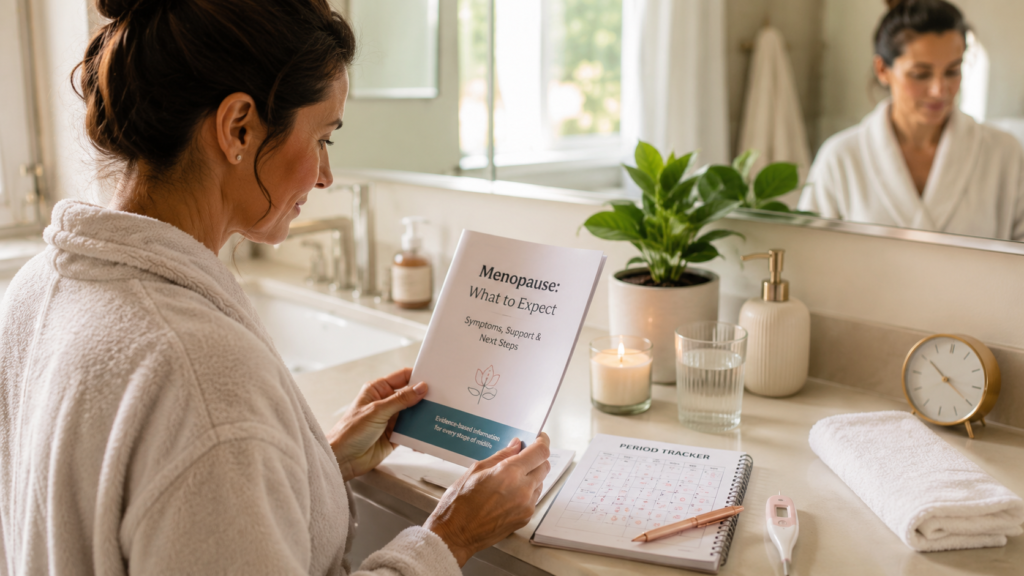
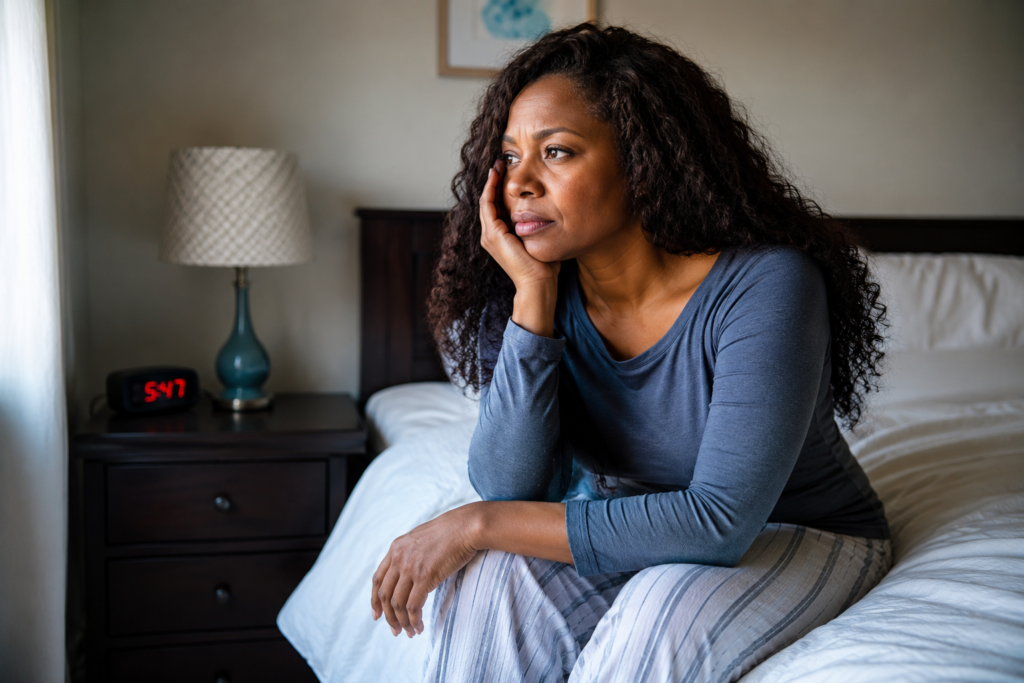
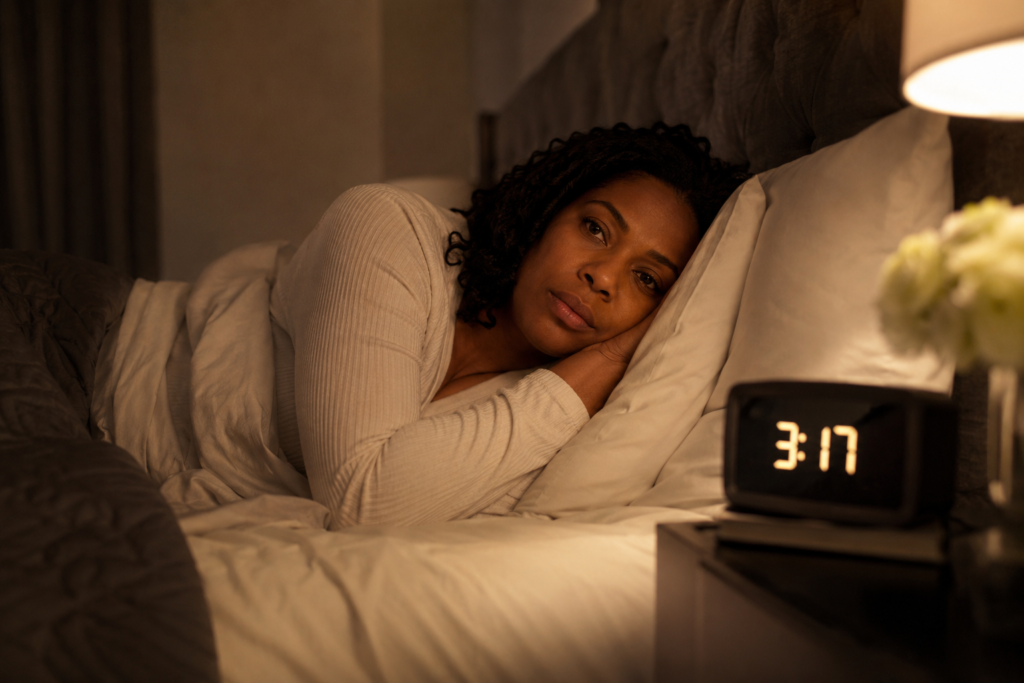
Many women describe it in the same quiet, uncertain way: “I don’t feel like myself, but I can’t explain why.” Maybe your periods have become unpredictable. Maybe you are waking at 3 a.m. with your mind racing. Maybe your patience feels thinner, your skin feels different, your energy dips without warning, or your usual jeans suddenly feel tighter around the middle. For many women, these subtle shifts are among the first signs of hormonal changes in women, especially in the years leading up to menopause. Hormonal changes can begin gradually, often in the late 30s or 40s, although timing varies. They may affect your cycle, sleep, mood, metabolism, sex life, skin, joints, concentration, and confidence. Some women notice one or two symptoms. Others feel as if their whole bodies have changed their rhythm. This article explains the first signs of hormonal changes in women, why they happen, what is normal, what needs medical review, and what practical, evidence-based steps may help you feel steadier, more informed, and supported. What Are Hormonal Changes in Women? Hormonal changes happen when the body’s chemical messengers shift in amount, timing, or pattern. Hormones are substances made by glands, such as the ovaries, thyroid, adrenal glands, and pancreas. They help regulate periods, fertility, mood, sleep, metabolism, temperature control, bone strength, blood sugar, and sexual function. For women aged 35–65, the most common hormonal transition is the movement from reproductive years into perimenopause, menopause, and postmenopause. Perimenopause means “around menopause.” It is the transition stage before menopause when ovarian hormone production becomes more unpredictable. Menopause is diagnosed after 12 consecutive months without a menstrual period, not caused by pregnancy, medication, or another medical condition. Postmenopause refers to the years after menopause. The main hormones involved include: Oestrogen: Supports the menstrual cycle, vaginal and urinary tissues, bones, brain function, skin, blood vessels, and temperature regulation. Progesterone: Helps regulate the menstrual cycle and supports sleep and a sense of calm in some women. Testosterone: Present in women in smaller amounts and involved in libido, energy, muscle strength, and well-being. Thyroid hormones: Regulate metabolism, temperature, heart rate, digestion, and energy. Insulin and cortisol influence blood sugar, stress response, appetite, sleep, and weight. The first signs of hormonal changes in women often appear when oestrogen and progesterone begin to fluctuate rather than decline. This is why symptoms can feel unpredictable. You may feel fine for weeks, then suddenly have heavier periods, poor sleep, anxiety, breast tenderness, or hot flushes. Trusted guidance from the NHS and Office on Women’s Health explains that hormone levels may change unevenly during the menopause transition, which is why symptoms can come and go. Common Signs and Symptoms The first signs of hormonal changes in women are not always dramatic. Many are easy to dismiss as stress, ageing, overwork, parenting, caregiving, or “just being busy.” In real life, women often report that symptoms build slowly until they start affecting sleep, patience, relationships, work performance, or confidence. a. Period Changes Changes in your menstrual cycle are often one of the earliest clues. You may notice: Periods coming closer together Longer gaps between periods Heavier bleeding Lighter bleeding More clots than usual Worse cramps Spotting before a period Periods that feel less predictable than before The NHS notes that a change in the usual pattern of periods is often one of the first signs of perimenopause. However, heavy bleeding, bleeding after sex, bleeding between periods, or bleeding after menopause should always be assessed. b. Sleep Disruption Many women say, “I’m exhausted, but I can’t sleep properly.” Sleep changes may include: Waking in the early hours Night sweats Lighter, more broken sleep Difficulty falling asleep Waking with anxiety or a racing heart Feeling unrefreshed despite enough hours in bed Poor sleep can make other symptoms feel worse, including irritability, brain fog, cravings, low mood, headaches, and fatigue. c. Mood and Anxiety Shifts Hormonal changes can affect brain chemicals involved in mood regulation. Women commonly describe: New or worsening anxiety Irritability Tearfulness Mood swings Lower confidence Feeling emotionally “thin-skinned” Panic-like feelings Low mood Reduced motivation This does not mean your symptoms are “all in your head.” Hormones, sleep, stress, life responsibilities, and past mental health history can all interact. Women with a history of PMS, postnatal depression, anxiety, depression, trauma, or PMDD may be more sensitive to hormonal shifts. d. Hot Flushes and Night Sweats Hot flushes are sudden waves of heat, often felt in the face, neck, chest, or upper body. They may come with sweating, flushing, palpitations, or chills afterwards. When they happen at night, they are called night sweats. Some women have obvious hot flushes early. Others only notice they are suddenly intolerant of warm rooms, alcohol, spicy foods, stress, or heavy bedding. e. Brain Fog and Concentration Changes Brain fog can feel frightening, especially for women who are used to being organised and mentally sharp. It may show up as: Forgetting words Losing your train of thought Difficulty concentrating Feeling mentally slower Forgetting why you walked into a room Struggling with multitasking Feeling less confident at work Brain fog is often worsened by poor sleep, stress, low mood, thyroid issues, anaemia, medication side effects, or vitamin deficiencies, so it is worth discussing persistent symptoms with a healthcare professional. f. Weight and Body Shape Changes Many women notice weight gain around the abdomen, even without major changes in eating habits. Hormonal changes can influence fat distribution, insulin sensitivity, appetite, muscle mass, sleep, and energy expenditure. This can feel deeply frustrating, especially when old routines no longer produce the same results. It is not a personal failure. Midlife metabolism is affected by hormones, muscle loss, sleep, stress, alcohol intake, activity levels, and genetics. g. Vaginal, Urinary, and Sexual Changes Lower oestrogen can affect the tissues of the vagina, vulva, bladder, and urethra. Symptoms may include: Vaginal dryness Pain or discomfort during sex Reduced libido Vulval itching or burning Recurrent urinary tract infections Urinary urgency Needing to pass urine more often Reduced arousal or sensitivity These symptoms are
What Are the First Signs of Hormonal Changes in Women? Read More »