Introduction
You know that moment when you walk into a room and completely forget why you went there?
Or when someone asks you a simple question and you suddenly feel like your brain has gone offline?
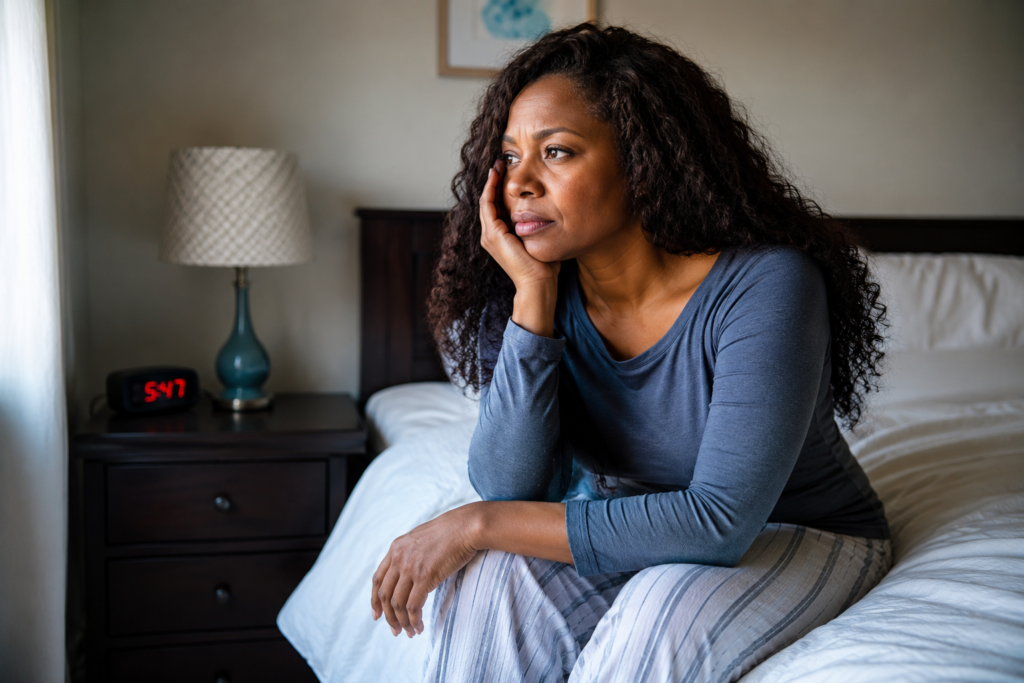
Maybe you’ve been lying awake at 3am replaying conversations, worrying about your family, work, your health, your future, or all of them at once. Then the alarm goes off, and you still have to function. You still have to answer emails, look after people, go to work, remember appointments, smile politely, and somehow hold everything together.
Many women appear to be functioning normally while secretly experiencing profound overwhelm, highlighting the need for nurses to recognise hidden stress signs.
Not collapsed. Not unable to cope. Just carrying far more than their nervous system was ever meant to carry alone.
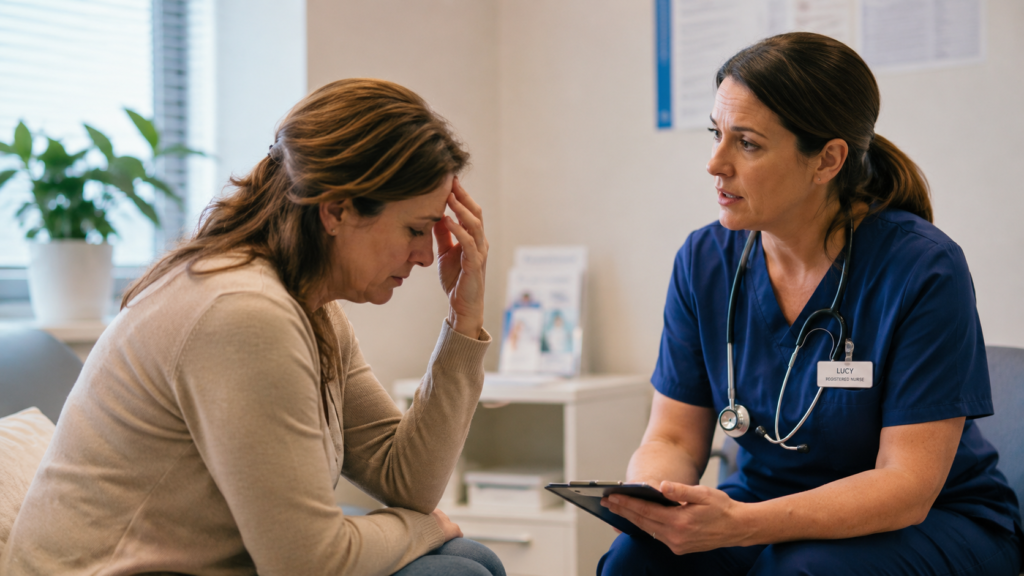
In clinics, hospital wards, health centres, menopause appointments, emergency departments, and community settings, nurses repeatedly see the same quiet pattern. Women often minimise their stress until their body starts speaking louder than they do.
Many women worry they are lazy, weak, or failing, which can make them feel misunderstood and alone, emphasising the importance of empathy in recognising their silent struggles.
Understanding how nurses observe that stress affects hormones, sleep, inflammation, and mental health helps women grasp the broad health impact of stress.
Women deserve to understand the internal changes caused by stress without shame, empowering them to seek appropriate support.
Perimenopause Symptom Quiz
Overview
Stress has become so normalised for women that many people no longer recognise it as stress.
Instead, it gets labelled as:
- “Just being busy”
- “Being emotional”
- “Hormones”
- “Mum brain”
- “Perimenopause”
- “Burnout”
- “Anxiety”
- “Part of getting older”
The truth is more complex.
Nurses often notice that women are juggling emotional labour, caregiving responsibilities, work pressure, financial strain, relationship stress, sleep deprivation, and invisible mental load simultaneously. Over time, the nervous system can remain stuck in a prolonged state of alertness.
That state affects far more than mood.
Research shows chronic stress can influence:
- Cortisol regulation
- Menstrual cycles
- Perimenopausal symptoms
- Blood pressure
- Blood sugar regulation
- Immune function
- Sleep quality
- Memory and concentration
- Pain perception
- Gut health
- Mental health symptoms
Women are also more likely to internalise stress emotionally while continuing to function outwardly. That means many women look “fine” long after their body has started struggling.
This is one of the biggest things nurses notice about women’s stress levels: symptoms are often dismissed because women remain productive.
Meanwhile, their nervous system may be exhausted.
According to the World Health Organisation, stress and mental health concerns among women are influenced by biological, social, and caregiving factors. World Health Organisation
Similarly, the NHS acknowledges that chronic stress can affect both physical and emotional health, including sleep, digestion, mood, and cardiovascular wellbeing. NHS Stress Guide
1. The Nervous System Was Never Designed for Constant Pressure
The human stress response is protective in short bursts.
When the brain perceives a threat, the body releases stress hormones, including cortisol and adrenaline. Heart rate increases. Muscles tense. Blood sugar rises. Attention narrows.
This is helpful during genuine danger.
However, modern stress is often ongoing rather than temporary:
- Financial pressure
- Caregiving stress
- Workplace strain
- Emotional labour
- Poor sleep
- Chronic uncertainty
- Relationship tension
- Health anxiety
The body may respond to all of these as a prolonged threat.
Over time, nurses often observe women developing symptoms associated with nervous system overload rather than a single isolated illness.
ii. Stress and Hormones Are Closely Connected
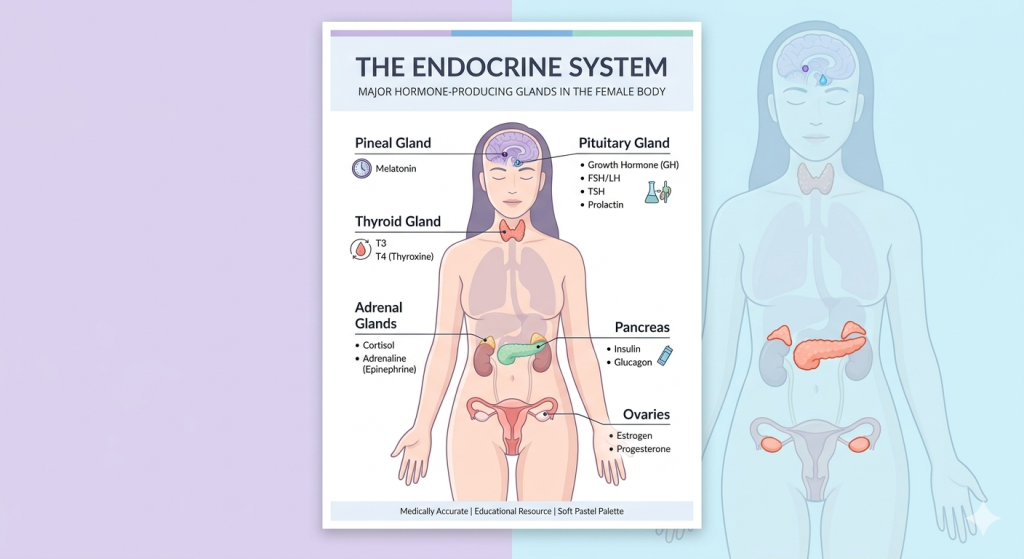
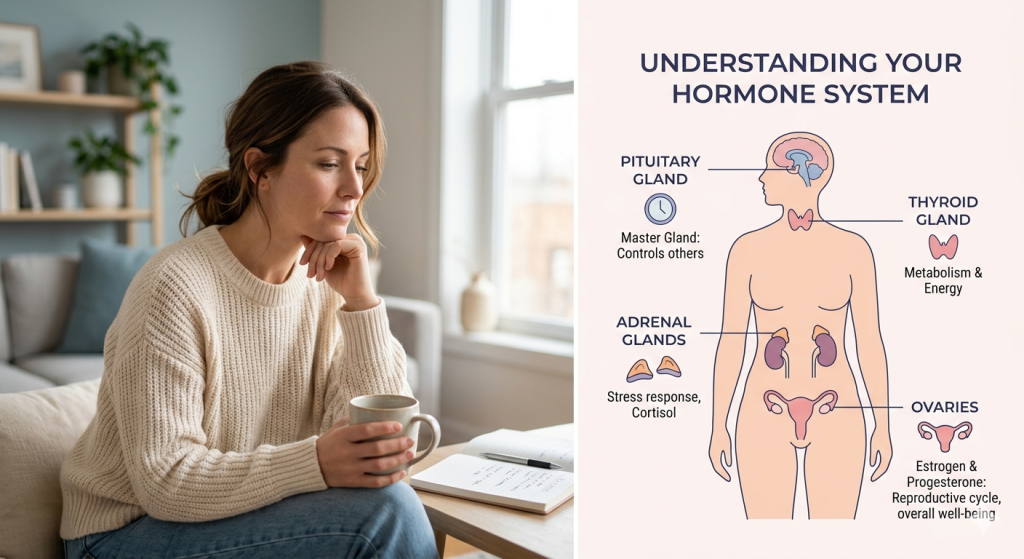
One important reason why nurses notice that women’s stress levels matter so much is that stress interacts with hormones.
Chronic stress may influence:
- Oestrogen fluctuations
- Progesterone levels
- Menstrual regularity
- Ovulation
- Perimenopausal symptoms
- Libido
- Sleep regulation
Many women notice stress worsening:
- Hot flushes
- PMS
- Anxiety
- Migraines
- Irritability
- Fatigue
- Insomnia
During perimenopause, especially, fluctuating hormones may make the nervous system feel more reactive or sensitive.
Recognising how hormonal changes overlap with stress-related symptoms can help women and healthcare providers feel more confident in navigating diagnosis and treatment complexities. The British Menopause Society explains that hormonal changes can overlap significantly with stress-related symptoms, which can make diagnosis more complicated. British Menopause Society
iii. Women Often Carry Invisible Mental Load
Nurses frequently notice that women are not only managing tasks but also managing anticipation.
Remembering:
- Appointments
- School forms
- Medication schedules
- Birthdays
- Household organisation
- Emotional needs of others
- Work responsibilities
- Family dynamics
That constant cognitive tracking creates sustained mental strain.
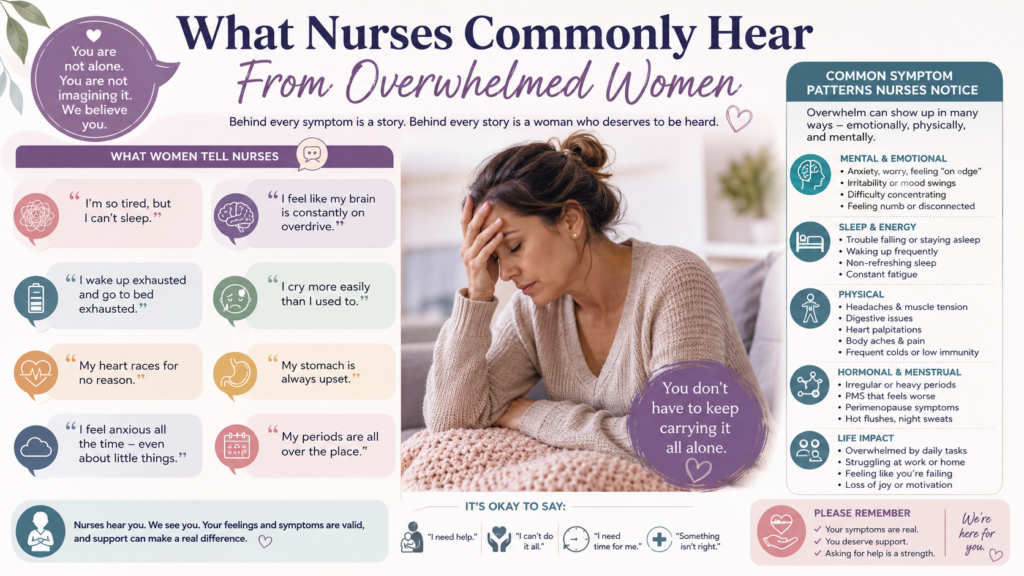
Many women say:
- “I can never fully switch off.”
- “My brain is always running.”
- “I feel guilty when I rest.”
- “I’m tired but wired.”
Those experiences are extremely common.
iv. Chronic Stress Can Change Physical Symptoms
Stress is not imaginary. It is physiological.
Research increasingly shows chronic stress may contribute to:
- Increased inflammation
- Muscle tension
- Gastrointestinal symptoms
- Headaches
- Poor sleep quality
- Heart palpitations
- Skin flare-ups
- Appetite changes
- Increased pain sensitivity
This is why nurses sometimes see women move between multiple appointments before recognising stress as part of the wider picture.
Importantly, this does not mean symptoms are “all in your head.”
The symptoms are real.
Stress affects multiple body systems at once.
v. Many Women Minimise Their Own Distress
Another thing nurses repeatedly notice about women’s stress levels is how often women downplay their suffering.
Women frequently say:
- “Other people have it worse.”
- “I should cope better.”
- “I’m probably overreacting.”
- “I’m just tired.”
- “It’s nothing serious.”
Sometimes women seek help only after symptoms become severe.
This can delay support, diagnosis, and treatment.

Signs and Symptoms
Stress symptoms do not always look dramatic.
Often they appear gradually and quietly.
Emotional Signs Nurses Commonly Notice
Women may experience:
- Feeling emotionally overwhelmed
- Irritability or short temper
- Increased anxiety
- Tearfulness
- Emotional numbness
- Feeling detached
- Low motivation
- Constant worry
- Difficulty relaxing
- Feeling “on edge”
Some women describe feeling unlike themselves.
Physical Signs That Are Often Overlooked
Stress can also show up physically through:
- Fatigue
- Insomnia
- Brain fog
- Headaches
- Muscle tension
- Jaw clenching
- Digestive issues
- Changes in appetite
- Palpitations
- Dizziness
- Frequent illness
- Menstrual changes
Many women are surprised by how physically stressful it can feel.
Cognitive Symptoms
One major reason women search for what nurses notice about women’s stress levels is that cognitive symptoms can feel frightening.
These may include:
- Forgetfulness
- Difficulty concentrating
- Mental fatigue
- Feeling mentally “slow”
- Trouble finding words
- Increased overwhelm with simple tasks
Sleep deprivation and hormonal fluctuations can worsen these symptoms further.
Diagnosis
i. There Is No Single Stress Test
Stress itself is not diagnosed by a single blood test or scan.
Instead, healthcare professionals assess:
- Symptoms
- Medical history
- Hormonal factors
- Sleep patterns
- Mental health
- Physical health
- Lifestyle pressures
- Medication effects
Sometimes other conditions need to be ruled out first.
For example:
- Thyroid disorders
- Iron deficiency
- Vitamin deficiencies
- Anxiety disorders
- Depression
- Perimenopause
- Autoimmune conditions
- Sleep disorders
This is why proper assessment matters.
ii. Stress and Perimenopause Can Overlap
Perimenopause and chronic stress can look remarkably similar.
Both may cause:
- Sleep disruption
- Anxiety
- Brain fog
- Mood changes
- Fatigue
- Palpitations
The Royal College of Obstetricians and Gynaecologists notes that hormonal changes during midlife can significantly affect emotional well-being. RCOG Women’s Health Information
Women deserve careful listening rather than assumptions.
Barriers
i. Many Women Have Been Dismissed Before
A difficult reality nurses often witness is that women sometimes feel unheard in healthcare settings.
Some women report being told:
- “You’re just stressed.”
- “It’s anxiety.”
- “You need to relax.”
While stress absolutely affects health, symptoms should still be properly assessed.
Women should never feel embarrassed about advocating for themselves.
ii. Cultural Expectations Keep Women Silent
Society often rewards women for over-functioning.
Many women feel pressure to:
- Keep coping
- Stay productive
- Care for everyone else
- Avoid burdening others
- Push through exhaustion
That pressure can delay help-seeking.
iii. Burnout Is Often Missed
Burnout does not always look dramatic.
Sometimes it looks like:
- Emotional exhaustion
- Cynicism
- Detachment
- Constant fatigue
- Loss of joy
- Feeling emotionally “flat”
Nurses frequently recognise burnout in women long before women do.
Solutions & Support
There is no single perfect solution to stress, because a single thing rarely causes stress.
Support usually works best when it addresses both body and mind.
Sleep Is Foundational
Poor sleep amplifies almost every stress symptom.
Improving sleep may help:
- Mood regulation
- Hormonal resilience
- Cognitive function
- Emotional regulation
- Pain perception
Gentle strategies include:
- Consistent sleep times
- Reducing late-night screen exposure
- Limiting caffeine late in the day
- Nervous system calming before bed
- Seeking support for insomnia if it persists
Nervous System Regulation Matters
Many women do not need more discipline.
They need recovery.
Helpful nervous system supports may include:
- Slow walks
- Breathing exercises
- Gentle movement
- Therapy
- Restorative yoga
- Time outdoors
- Reducing overstimulation
- Social connection
- Mindfulness practices
These are not “quick fixes,” but they can support long-term resilience.
Hormonal Support Can Help Some Women
For some women, especially during perimenopause or menopause, hormonal treatment may be appropriate.
This could include:
- Hormone replacement therapy (HRT)
- Symptom management strategies
- Sleep support
- Anxiety management
- Lifestyle interventions
Treatment should always be individualised.
The NICE menopause guidelines provide evidence-based information about symptom management and treatment options. NICE Menopause Guidelines
Psychological Support Is Healthcare
Emotional support is not a luxury.
Therapy, counselling, peer support, or trauma-informed care may help women:
- Process chronic stress
- Develop coping strategies
- Reduce overwhelm
- Improve emotional regulation
- Rebuild boundaries
Seeking support is not a weakness.
It is healthcare.
Practical Lifestyle Support Matters Too
Nurses often notice women improve not through perfection, but through small, sustainable changes.
Examples include:
- Eating regularly
- Hydration
- Gentle movement
- Asking for help
- Reducing overload where possible
- Setting boundaries
- Scheduling recovery time
- Reducing unrealistic expectations
Tiny changes can reduce nervous system strain over time.
Common Myths About Women and Stress
“Stress is just emotional.”
False. Stress affects hormones, cardiovascular health, sleep, digestion, immunity, and cognition.
“If you’re functioning, you’re coping.”
Not necessarily. Many women continue functioning while severely overwhelmed.
“You just need to relax.”
Chronic stress is often linked to structural, emotional, hormonal, financial, or caregiving pressures.
“It’s all hormones.”
Hormones matter, but emotional load, trauma, sleep, environment, and life stress matter too.
Practical Takeaways
If you recognise yourself in this article, try to remember:
- Your symptoms are real.
- Stress can affect the whole body.
- Overwhelm is not failure.
- You deserve a proper assessment.
- Rest is not laziness.
- Hormones and stress often interact.
- Small changes still matter.
- Support counts.
Most importantly, you do not have to wait until you completely fall apart before seeking help.
Conclusion
One of the most important things about what nurses notice about women’s stress levels is this: women often carry distress quietly.
They keep showing up. Keep working. Keep caregiving. Keep managing life while their nervous system slowly exhausts itself beneath the surface.
Yet stress is not a personal weakness.
It is a human physiological response to sustained pressure, emotional load, uncertainty, hormonal changes, and unmet recovery needs.
Women deserve compassionate healthcare that listens carefully, investigates properly, and recognises the deep connection between emotional well-being and physical health.
If your body has been trying to get your attention lately, that does not mean you are broken.
It may simply mean you have been carrying too much for too long.
Frequently Asked Questions
What are the most common stress symptoms nurses notice in women?
Nurses commonly notice fatigue, anxiety, insomnia, brain fog, irritability, headaches, digestive symptoms, hormonal changes, and emotional overwhelm.
Can stress affect women’s hormones?
Yes. Chronic stress may influence cortisol, oestrogen, progesterone, sleep regulation, menstrual cycles, and perimenopausal symptoms.
Why does stress feel physical?
Stress activates multiple body systems, including the nervous, cardiovascular, immune, and hormonal systems.
Can stress mimic perimenopause?
Yes. Stress and perimenopause can overlap significantly, especially with symptoms like anxiety, fatigue, sleep disruption, and brain fog.
When should I seek medical help for stress symptoms?
Seek medical support if symptoms are persistent, worsening, affecting daily life, or causing concern. Sudden or severe symptoms should always be assessed urgently.
Is burnout the same as stress?
Not exactly. Burnout usually develops after prolonged stress and may involve emotional exhaustion, detachment, and reduced coping capacity.
Can lifestyle changes really help chronic stress?
Small sustainable lifestyle changes can support nervous system regulation, sleep quality, emotional well-being, and overall resilience.
Soft Call to Action
Not sure where your symptoms fit? Take the Tools and Quizzes to understand your pattern.
Medical Disclaimer
This article is for educational purposes only and does not replace personalised medical advice, diagnosis, or treatment. If you are worried about your symptoms, if your symptoms are getting worse, or if something does not feel right in your body, please speak with your doctor, nurse practitioner, gynaecologist, endocrinologist, or another qualified healthcare professional. Seek urgent medical help for severe, sudden, or concerning symptoms.