Starting again after divorce, bereavement, retirement, career change or another major transition can feel frightening because the life you understood has changed. You might also experience guilt, shame, or fear about the future. Remember, you are not beginning empty-handed: you are carrying experience, knowledge, relationships, skills and a clearer understanding of what you can—and can no longer—live with.
The new beginning may not look hopeful at first.
It may look like sitting at a kitchen table surrounded by paperwork after a marriage ends. It may be waking on the first Monday after retirement with nowhere you are expected to be. It may be opening a wardrobe after bereavement and seeing another person’s clothes beside your own.
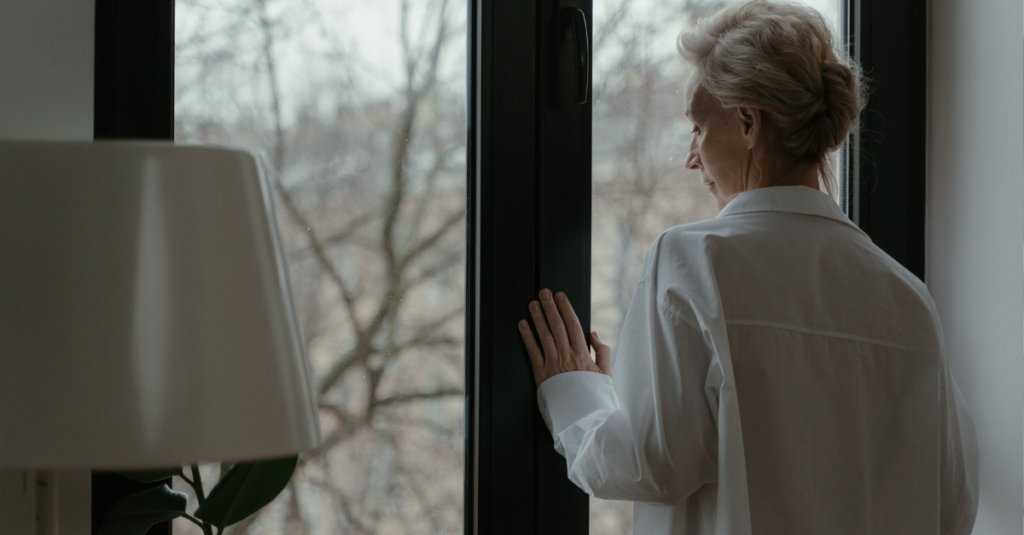
Sometimes starting again begins not with excitement, but with the quiet recognition that the old life is no longer available.
A Quick Answer
Reinvention does not require you to erase everything that came before or become a completely different woman.
A major transition may change your home, income, relationships, routine and sense of identity. Even a change you chose can bring stress, doubt and grief. The NHS guidance on grief and loss explains that grief can follow the loss of something or someone important and may involve many different emotions. Consider seeking support from counselors, support groups, or trusted friends to help process these feelings.
Starting again means deciding what to carry forward, what to release and what must be rebuilt within the reality of your health, finances, family responsibilities and available support.
It is rarely a clean break. More often, it is a gradual reorganisation of life.
Why Starting Again Can Feel So Difficult
1. You may be grieving more than one loss
After divorce, you may grieve the relationship, your home, shared friendships and the future you expected.
After bereavement, you may lose not only someone you love but also the routines, roles and private language that existed between you. Retirement can involve the loss of status, structure and daily contact. A career change may mean releasing an identity you worked years to build.
These losses can exist alongside relief, and recognizing this can help women feel understood and validated, even when feeling unsettled.
Relief does not cancel grief.
2. Your old identity may no longer fit
Perhaps you were known as someone’s wife, a senior manager, a full-time mother, a carer or the person who always knew what came next.
When that role changes, ordinary introductions can feel unexpectedly difficult. You may hesitate when somebody asks what you do or who you live with because the old answer is no longer accurate and the new one has not fully formed.
The discomfort may not mean you have lost yourself. It may mean your identity is being revised.
3. Practical pressures do not pause for emotional recovery
The world may expect you to make important decisions while you are exhausted.
You may need to understand pensions, housing, benefits, childcare, retraining or legal documents. You may have to return to work while grieving, find accommodation after separation or care for an ageing relative while rebuilding your own life.
The language of reinvention often skips over these realities. Not every woman has savings, flexible work, good health, family support or the freedom to disappear on a journey of self-discovery.
Sometimes the most courageous new beginning is not dramatic. It is creating enough stability to breathe.
Other people may have opinions about your future
Family members may want you to recover quickly, remain available or make choices that feel comfortable to them.
After divorce, someone may ask when you will date again. After bereavement, people may become uncomfortable when your grief lasts longer than they expected. After retirement, you may be given a list of things you should now be available to do for everyone else.
Advice can sound encouraging while quietly asking you to abandon your own pace.
What Starting Again Can Look Like in Everyday Life
It may look less like transformation and more like small, awkward firsts, which can help women feel hopeful and capable of progress.
You may eat alone in a restaurant and feel both proud and exposed. You may attend a class where everyone appears more confident. You may apply for a job under a new surname or write an emergency contact who is no longer the person you used to name.
You might notice:
- Feeling hopeful one day and frightened the next
- Missing a life you know you could not continue living
- Questioning decisions that once felt clear
- Comparing your beginning with somebody else’s established life
- Feeling embarrassed about money, housing or work changes
- Wanting company but finding social contact exhausting
- Becoming impatient with yourself for not “moving on”
- Discovering that some relationships depended on your former role
- Feeling guilty when something new brings pleasure
- Realising that you want different things than you did before
What may be happening beneath the surface
Some discomfort is a normal part of adjustment, helping women feel less alone and more accepted in their feelings.
Grief may arrive in waves, particularly around anniversaries, family events or unexpected reminders. Burnout may leave you too depleted to imagine a future, while anxiety may fill every option with possible disaster.
Depression is more than feeling sad during a difficult period. It may involve persistent low mood, hopelessness, loss of interest, low motivation and difficulty functioning over weeks or months. The NHS information about low mood and depression advises seeking help when low mood lasts longer than two weeks, becomes difficult to manage or does not improve with self-care.
Unhelpful assumptions women often carry
You may find yourself believing:
- “At my age, I should already have life worked out.”
- “If I start again, everything before this was wasted.”
- “Strong women recover quickly.”
- “I need a complete plan before taking one step.”
- “Asking for help proves I cannot cope.”
- “I must become more successful to prove the change was worthwhile.”
- “Everyone else has moved forward except me.”
- “I am too old, too tired or too financially limited to build anything meaningful.”
These assumptions turn a difficult transition into a judgement about your worth.
Your previous life was not wasted because it ended or changed. It gave you information about what matters, what hurts, what you are capable of and what you may choose differently now.
How to Begin Without Abandoning Yourself
1. Stabilise what needs immediate attention
Before trying to reinvent your identity, look at the foundations beneath you.
What needs action now: housing, income, sleep, legal advice, childcare, medication, food or safety? What can wait?
A written list can help separate urgent needs from decisions that feel urgent only because uncertainty is uncomfortable.
2. Take an honest inventory of what remains
Write down what you still have, including things that cannot be measured financially:
- Professional and practical skills
- Knowledge gained through experience
- People you trust
- Cultural or community connections
- Personal values
- Interests that have survived the transition
- Problems you now know how to solve
- Evidence that you have adapted before
This is what it means to start again without starting from nothing.
3. Choose one small experiment
You do not need to commit to a permanent future immediately.
One experiment might be:
- Attending a class once
- Updating your CV
- Meeting a friend for a walk
- Spending an hour researching a qualification
- Volunteering for a limited period
- Rearranging one room to reflect your present life
- Trying one activity without requiring it to become a passion
Small experiments provide information. They allow you to discover what fits without demanding certainty.
4. Build structure and connection gradually
Transitions often remove routine and regular human contact.
Choose a few dependable anchors for your week: a regular meal, a morning walk, a phone call, a class or one practical task that creates visible progress.
Supportive relationships matter, but rebuilding connection can be difficult when health, money or grief have reduced your energy. The CDC’s guidance on improving social connection notes that even small acts—such as checking in with someone or joining a repeated activity—can help meaningful relationships grow.
5. Define progress more gently
Progress may not mean becoming happier every week.
It may mean making one decision without asking everyone else first. It may be sleeping slightly better, going a day without checking an old message or discovering that you can manage something you once believed belonged to your former life.
The World Health Organisation describes healthy ageing as creating opportunities for people to continue being and doing what they value, rather than requiring perfect health or a particular lifestyle. This offers a more realistic way to think about a meaningful future: one shaped around your capacities, circumstances and values. Read the WHO explanation of healthy ageing.
It is worth getting support if…
- You feel persistently hopeless, numb or unable to imagine a future.
- Grief is making it difficult to eat, sleep, work or care for yourself.
- Anxiety prevents you from making necessary everyday decisions.
- You have withdrawn from nearly everyone.
- You are living with coercion, abuse, financial control or threats.
- You are making major financial decisions while severely distressed.
- You rely increasingly on alcohol, medication or other substances to cope.
- You have lost interest in almost everything you previously valued.
- You have thoughts of self-harm, suicide or not wanting to be alive.
When Professional Support May Help
Different parts of rebuilding may require different kinds of support.
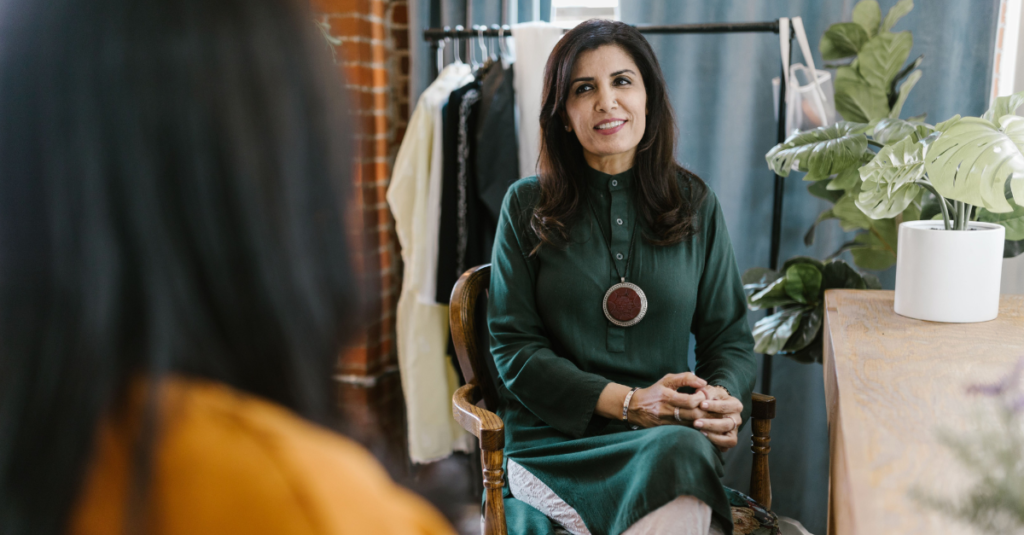
A counsellor or therapist may help with grief, identity, fear or the emotional effects of divorce and bereavement. A careers adviser can help translate experience into new work, while legal or regulated financial advice may be important when housing, pensions, debt or shared assets are involved.
Community groups, bereavement support, faith communities and peer networks can also reduce the feeling that you must rebuild alone.
Professional support should not rush you into reinvention. It should help you become safer, steadier and clearer about your own choices.
Conclusion
Starting again does not always feel like opening a new door. Sometimes it feels like standing among the remains of a life you knew, deciding what can still be used.
There may be losses you cannot turn into lessons and circumstances you would never have chosen. Hope does not require pretending otherwise.
But the woman standing here is not empty.
She has judgement formed through experience, strength that may currently feel like tiredness and knowledge she did not possess when she began the previous chapter. She does not need to build everything at once.
The next life may begin with one steadying decision, one honest conversation or one small act that says: I am still here, and I am allowed to take part in what comes next.
When to Speak to a Healthcare Professional
Speak with a doctor, nurse practitioner or qualified mental-health professional if low mood, anxiety, exhaustion or emotional numbness continues for several weeks, becomes more severe or interferes with daily life.
Mention changes in sleep, appetite, concentration, medication, menopause symptoms and physical health. Emotional distress can overlap with health conditions, prolonged stress and grief, and you do not need to identify the cause on your own.
Questions you may wish to ask include:
- Could depression, anxiety, burnout or grief be contributing to how I feel?
- Could poor sleep, menopause symptoms or another health condition be involved?
- Would counselling or talking therapy be appropriate?
- Are there local bereavement, social prescribing, or peer support services?
- What should I do if my symptoms become worse?
- When should my wellbeing be reviewed?
Seek urgent help through your local emergency or crisis service if you cannot keep yourself safe or have thoughts of suicide or serious self-harm.
Frequent Questions Women Often Ask
1. How do I know when I am ready to start again?
Readiness may not feel like confidence. It may simply be enough stability and curiosity to try one small step without demanding that it solve everything.
2. Is it normal to miss a life I chose to leave?
Yes. You may miss familiarity, shared history, financial security or the person you were within that life.
Missing something does not automatically mean returning to it would be healthy.
3. What if I cannot afford to reinvent myself?
Reinvention does not have to mean expensive training, travel or starting a business.
It may begin with protecting your income, using free resources, changing one routine, seeking advice or building towards change gradually.
4. Am I too old to begin again?
Age may affect health, finances and available time, but it does not remove your capacity for learning, connection or meaningful contribution.
The new beginning should fit your real life rather than imitate somebody younger.
5. Why do I feel guilty when I enjoy myself?
Pleasure can feel disloyal after bereavement, divorce or another painful ending. Enjoying one moment does not erase your loss or prove that the past did not matter.
6. Do I need to become a completely new person?
No. Some parts of you may need greater expression, while others may need rest or release.
The goal is not to perform a dramatic transformation. It is to create a life in which you can recognise yourself again.
Key Takeaways
- A major transition can affect identity, routine, relationships, finances and confidence.
- Grief and relief can exist at the same time.
- You are carrying skills, knowledge and experience into the next chapter.
- Stabilise immediate needs before forcing major decisions.
- Small experiments can reveal a direction without requiring certainty.
- Reinvention should reflect real financial, cultural, health and caring constraints.
- Persistent hopelessness, withdrawal or difficulty functioning deserves professional support.
- Starting again is not the same as starting from nothing.
Medical Disclaimer
This article is for educational purposes only and does not replace personalised medical advice, diagnosis or treatment. If you are worried that your symptoms are worsening, or if something does not feel right in your body, please speak with your doctor, nurse practitioner, gynaecologist, endocrinologist, or another qualified healthcare professional. Seek urgent medical help for severe, sudden or concerning symptoms.