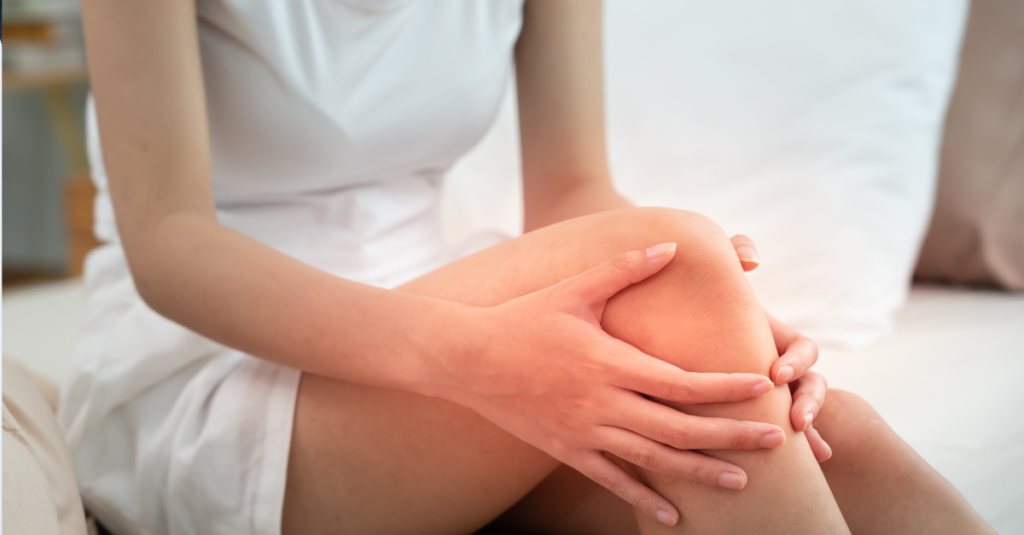
Menopause Joint Pain: Causes, Symptoms, and Relief
Have you started waking up with stiff fingers, aching knees, sore hips, or a body that feels older than you expected? Many women describe menopause joint pain as one of the most surprising symptoms of midlife. It can feel confusing, especially when it appears alongside night sweats, poor sleep, weight changes, low mood, or heavier and more irregular periods during perimenopause. Menopause joint pain is common, but it should never be dismissed as “just ageing.” Hormonal changes may play a role, but so can osteoarthritis, inflammatory arthritis, vitamin D deficiency, thyroid problems, previous injuries, poor sleep, stress, weight changes, or reduced muscle strength. This article explains what menopause joint pain is, why it happens, common symptoms, evidence-based relief options, when to seek medical advice, and how to track your symptoms with confidence. For more background on the hormonal transition itself, read FemPhases’ guide to perimenopause vs menopause. What Is Menopause Joint Pain? Menopause joint pain refers to aching, stiffness, soreness, or discomfort in the joints during perimenopause, menopause, or postmenopause. The medical word for joint pain is arthralgia. A joint is the place where two bones meet, such as the knee, hip, wrist, shoulder, ankle, or fingers. Women often describe menopause joint pain as: “I feel stiff when I first get out of bed.” “My hands ache when I grip things.” “My knees hurt going downstairs.” “My hips feel sore after sitting.” “My body feels inflamed, but my blood tests are normal.” “I used to exercise easily, but now recovery takes longer.” Menopause joint pain may affect one joint or several. It may feel worse in the morning, after sitting for a long time, during poor sleep, after intense exercise, or during stressful periods. What Causes Menopause Joint Pain? The main hormonal change during menopause is a fall and fluctuation in oestrogen. Oestrogen is not only involved in periods and fertility. It also affects bones, muscles, tendons, ligaments, cartilage, inflammation, sleep, mood, and pain sensitivity. Possible contributors include: Lower or fluctuating oestrogen levels Age-related cartilage changes Reduced muscle mass and strength Weight gain, especially around the abdomen Poor sleep from night sweats or insomnia Increased stress and cortisol levels Reduced activity due to fatigue or low mood Osteoarthritis or inflammatory arthritis Vitamin D deficiency, thyroid problems, or autoimmune conditions Previous injuries becoming more noticeable The key point is this: menopause joint pain can be hormone-related, but it still deserves proper assessment if it is persistent, worsening, or affecting daily life. Why Midlife Weight Gain Happens Despite Healthy Habits Common Signs and Symptoms Menopause joint pain can look different from woman to woman. Some notice mild stiffness. Others find that pain interferes with work, sleep, exercise, intimacy, confidence, or mood. i. Early Signs of Menopause Joint Pain Early signs may include: Morning stiffness that eases after movement Aching knees, hips, shoulders, wrists, fingers, or ankles Stiffness after sitting for long periods Reduced flexibility Feeling slower to recover after exercise Mild swelling or tenderness Clicking or creaking joints Sore muscles alongside joint discomfort ii. Less-Recognised Symptoms Some women also report: Tendon pain, such as Achilles or elbow discomfort Plantar fasciitis-type heel pain Frozen shoulder symptoms Reduced grip strength Feeling “rusty” or heavy in the body Flare-ups around poor sleep, stress, or hot flushes More discomfort before periods during perimenopause These symptoms can be frustrating because they may not show clearly on basic tests. Many women say they feel dismissed because the pain is real, but the explanation is not always obvious. Why Menopause Joint Pain Happens Menopause joint pain is usually not caused by a single factor. The pain commonly affects weight-bearing joints such as the knees and hips, but many women also notice hand, wrist, shoulder, neck, and lower-back pain. Hand stiffness can make everyday tasks harder: opening jars, typing, doing hair, fastening buttons, or holding a phone. Knee and hip pain can affect stairs, walking, exercise, housework, and sleep position.It often develops from a combination of hormonal, lifestyle, musculoskeletal, and age-related changes. Hormonal Influences Oestrogen appears to influence joint tissues, collagen, inflammation, and how the nervous system processes pain. Collagen is a structural protein that helps support skin, tendons, ligaments, and cartilage. Cartilage is the smooth protective tissue at the end of bones inside joints. As oestrogen fluctuates and declines, some women may become more sensitive to pain or notice changes in stiffness, tendon comfort, and recovery. This does not mean the joints are always damaged. It means the body’s pain and repair systems may be changing. Age-Related Changes From midlife onwards, muscle mass and strength naturally decline unless they are actively maintained. This matters because muscles support joints. If the muscles around the knees, hips, back, and shoulders weaken, joints may carry more strain. Osteoarthritis also becomes more common with age. Osteoarthritis is a joint condition in which cartilage and surrounding joint structures change over time, causing pain, stiffness, and reduced mobility. Lifestyle Factors Pain can worsen when several midlife pressures stack together: poor sleep, stress, reduced movement, desk work, caring responsibilities, weight changes, and less recovery time. Women often say, “I know I need to move, but I’m exhausted.” That is a real barrier, not a lack of willpower. Night sweats can also disturb deep sleep, making pain feel sharper the next day. If that sounds familiar, FemPhases has a helpful guide on why you may be sweating at night. Medical Conditions That Can Mimic Menopause Joint Pain Not all joint pain in midlife is menopause-related. Possible medical causes include: Osteoarthritis Rheumatoid arthritis Psoriatic arthritis Gout Lupus or other autoimmune conditions Thyroid disease Vitamin D deficiency Fibromyalgia Polymyalgia rheumatica Injury, tendonitis, bursitis, or overuse Infection in a joint, which is urgent This is why persistent or unusual pain should be checked, especially if there is swelling, redness, heat, fever, unexplained weight loss, severe fatigue, or loss of function. Evidence-Based Solutions The best approach to menopause joint pain is usually layered: movement, strength, nutrition, sleep, stress support, symptom tracking, and medical review where needed. Menopause Joint Pain Relief Through
Menopause Joint Pain: Causes, Symptoms, and Relief Read More »