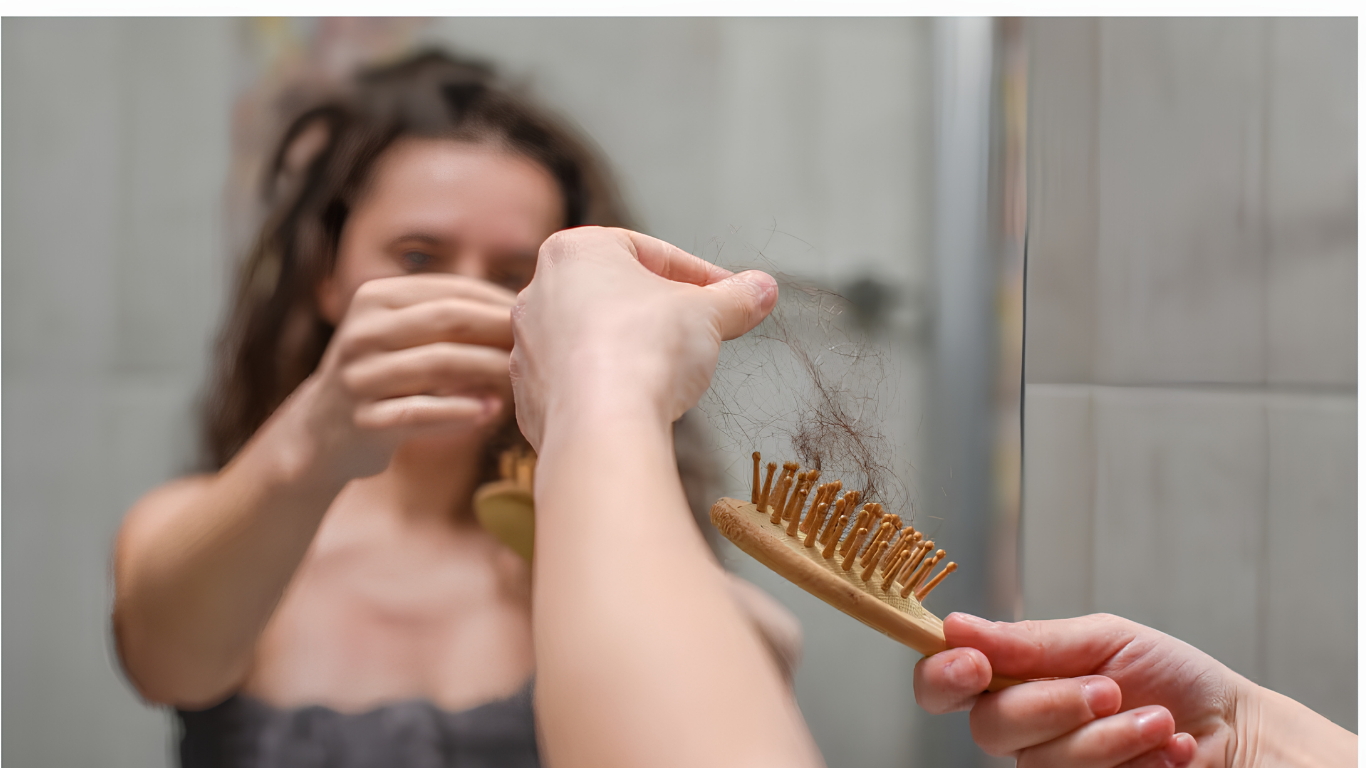


Have you started waking up with stiff fingers, aching knees, sore hips, or a body that feels older than you expected? Many women describe menopause joint pain as one of the most surprising symptoms of midlife. It can feel confusing, especially when it appears alongside night sweats, poor sleep, weight changes, low mood, or heavier and more irregular periods during perimenopause.
Menopause joint pain is common, but it should never be dismissed as “just ageing.” Hormonal changes may play a role, but so can osteoarthritis, inflammatory arthritis, vitamin D deficiency, thyroid problems, previous injuries, poor sleep, stress, weight changes, or reduced muscle strength. This article explains what menopause joint pain is, why it happens, common symptoms, evidence-based relief options, when to seek medical advice, and how to track your symptoms with confidence.
For more background on the hormonal transition itself, read FemPhases’ guide to perimenopause vs menopause.
What Is Menopause Joint Pain?
Menopause joint pain refers to aching, stiffness, soreness, or discomfort in the joints during perimenopause, menopause, or postmenopause. The medical word for joint pain is arthralgia. A joint is the place where two bones meet, such as the knee, hip, wrist, shoulder, ankle, or fingers.
Women often describe menopause joint pain as:
- “I feel stiff when I first get out of bed.”
- “My hands ache when I grip things.”
- “My knees hurt going downstairs.”
- “My hips feel sore after sitting.”
- “My body feels inflamed, but my blood tests are normal.”
- “I used to exercise easily, but now recovery takes longer.”
Menopause joint pain may affect one joint or several. It may feel worse in the morning, after sitting for a long time, during poor sleep, after intense exercise, or during stressful periods.
What Causes Menopause Joint Pain?
The main hormonal change during menopause is a fall and fluctuation in oestrogen. Oestrogen is not only involved in periods and fertility. It also affects bones, muscles, tendons, ligaments, cartilage, inflammation, sleep, mood, and pain sensitivity.
Possible contributors include:
- Lower or fluctuating oestrogen levels
- Age-related cartilage changes
- Reduced muscle mass and strength
- Weight gain, especially around the abdomen
- Poor sleep from night sweats or insomnia
- Increased stress and cortisol levels
- Reduced activity due to fatigue or low mood
- Osteoarthritis or inflammatory arthritis
- Vitamin D deficiency, thyroid problems, or autoimmune conditions
- Previous injuries becoming more noticeable
The key point is this: menopause joint pain can be hormone-related, but it still deserves proper assessment if it is persistent, worsening, or affecting daily life.
Why Midlife Weight Gain Happens Despite Healthy Habits
Common Signs and Symptoms
Menopause joint pain can look different from woman to woman. Some notice mild stiffness. Others find that pain interferes with work, sleep, exercise, intimacy, confidence, or mood.
i. Early Signs of Menopause Joint Pain
Early signs may include:
- Morning stiffness that eases after movement
- Aching knees, hips, shoulders, wrists, fingers, or ankles
- Stiffness after sitting for long periods
- Reduced flexibility
- Feeling slower to recover after exercise
- Mild swelling or tenderness
- Clicking or creaking joints
- Sore muscles alongside joint discomfort
ii. Less-Recognised Symptoms
Some women also report:
- Tendon pain, such as Achilles or elbow discomfort
- Plantar fasciitis-type heel pain
- Frozen shoulder symptoms
- Reduced grip strength
- Feeling “rusty” or heavy in the body
- Flare-ups around poor sleep, stress, or hot flushes
- More discomfort before periods during perimenopause
These symptoms can be frustrating because they may not show clearly on basic tests. Many women say they feel dismissed because the pain is real, but the explanation is not always obvious.
Why Menopause Joint Pain Happens
Menopause joint pain is usually not caused by a single factor. The pain commonly affects weight-bearing joints such as the knees and hips, but many women also notice hand, wrist, shoulder, neck, and lower-back pain. Hand stiffness can make everyday tasks harder: opening jars, typing, doing hair, fastening buttons, or holding a phone. Knee and hip pain can affect stairs, walking, exercise, housework, and sleep position.It often develops from a combination of hormonal, lifestyle, musculoskeletal, and age-related changes.
Hormonal Influences
Oestrogen appears to influence joint tissues, collagen, inflammation, and how the nervous system processes pain. Collagen is a structural protein that helps support skin, tendons, ligaments, and cartilage. Cartilage is the smooth protective tissue at the end of bones inside joints.
As oestrogen fluctuates and declines, some women may become more sensitive to pain or notice changes in stiffness, tendon comfort, and recovery. This does not mean the joints are always damaged. It means the body’s pain and repair systems may be changing.
Age-Related Changes
From midlife onwards, muscle mass and strength naturally decline unless they are actively maintained. This matters because muscles support joints. If the muscles around the knees, hips, back, and shoulders weaken, joints may carry more strain.
Osteoarthritis also becomes more common with age. Osteoarthritis is a joint condition in which cartilage and surrounding joint structures change over time, causing pain, stiffness, and reduced mobility.
Lifestyle Factors
Pain can worsen when several midlife pressures stack together: poor sleep, stress, reduced movement, desk work, caring responsibilities, weight changes, and less recovery time. Women often say, “I know I need to move, but I’m exhausted.” That is a real barrier, not a lack of willpower.
Night sweats can also disturb deep sleep, making pain feel sharper the next day. If that sounds familiar, FemPhases has a helpful guide on why you may be sweating at night.
Medical Conditions That Can Mimic Menopause Joint Pain
Not all joint pain in midlife is menopause-related. Possible medical causes include:
- Osteoarthritis
- Rheumatoid arthritis
- Psoriatic arthritis
- Gout
- Lupus or other autoimmune conditions
- Thyroid disease
- Vitamin D deficiency
- Fibromyalgia
- Polymyalgia rheumatica
- Injury, tendonitis, bursitis, or overuse
- Infection in a joint, which is urgent
This is why persistent or unusual pain should be checked, especially if there is swelling, redness, heat, fever, unexplained weight loss, severe fatigue, or loss of function.

Evidence-Based Solutions
The best approach to menopause joint pain is usually layered: movement, strength, nutrition, sleep, stress support, symptom tracking, and medical review where needed.
Menopause Joint Pain Relief Through Movement
When joints hurt, it is tempting to stop moving. Rest can help during a flare, but complete inactivity often worsens stiffness. Gentle, regular movement helps lubricate joints, maintain range of motion, support circulation, and protect confidence.
Helpful options include:
- Walking
- Swimming or water aerobics
- Cycling
- Yoga or Pilates
- Gentle mobility work
- Stretching after warmth, such as after a shower
- Low-impact dance or home workouts
A good starting point is 10 minutes a day, especially if pain or fatigue is high. Consistency matters more than intensity.
Strength Training for Menopause Joint Pain
Strength training is one of the most useful tools for midlife joint health. Stronger muscles reduce strain on joints and improve balance, posture, metabolism, and bone support.
Start with:
- Sit-to-stand exercises
- Wall push-ups
- Resistance bands
- Light dumbbells
- Step-ups
- Glute bridges
- Calf raises
- Supervised gym machines if available
Aim for two strength sessions weekly, adapted to your body and pain level. If you have significant pain, a physiotherapist can help you build safely.
Nutrition for Joint and Bone Health
Nutrition will not “cure” menopause joint pain, but it can support muscles, bones, inflammation balance, and energy.
Focus on:
- Protein with each meal to support muscle repair
- Calcium-rich foods such as yoghurt, fortified plant milk, tofu, sardines, and leafy greens
- Vitamin D from safe sunlight exposure, food sources, or supplements if advised
- Omega-3-rich foods such as oily fish, chia seeds, flaxseeds, and walnuts
- Colourful fruit and vegetables for antioxidants
- Plenty of fluids, especially if hot flushes or night sweats are frequent
- Limiting excess alcohol and ultra-processed foods if they worsen symptoms
Be cautious with supplements marketed as menopause joint pain cures. Some may help certain people, but evidence varies, quality differs, and supplements can interact with medicines.
Sleep Strategies
Poor sleep can make pain feel louder. It lowers pain tolerance, increases fatigue, and makes exercise harder.
Try:
- A regular sleep and wake time
- A cool bedroom
- Breathable bedding and nightwear
- Limiting alcohol close to bedtime
- Reducing late caffeine
- A short wind-down routine
- Gentle stretching before bed
- Treating night sweats or insomnia if persistent
If heavy or irregular bleeding is also affecting your sleep and energy, read heavy periods in your 40s.
Stress Management and Pain Sensitivity
Stress does not mean pain is “in your head.” Stress affects muscle tension, sleep, inflammation, and the nervous system. Many women notice more pain during emotionally demanding seasons: caring for parents, work pressure, relationship stress, bereavement, or burnout.
Helpful tools include:
- Slow breathing
- Walking outside
- Journaling symptoms and triggers
- Gentle stretching
- Therapy or counselling
- Support groups
- Pacing activities rather than pushing through pain
Medical Treatment Options
Medical treatment depends on the cause of the joint pain.
Options may include:
- Pain relief recommended by a pharmacist, GP, nurse practitioner, or clinician
- Anti-inflammatory medicines, if safe for you
- Physiotherapy
- Blood tests if inflammatory arthritis, thyroid problems, vitamin D deficiency, or autoimmune disease are suspected
- Imaging, such as X-ray or ultrasound, when clinically needed
- Steroid injections for certain joint conditions
- Referral to rheumatology, orthopaedics, or menopause specialists
Can HRT Help Menopause Joint Pain?
Hormone replacement therapy, or HRT, replaces hormones that decline during menopause. Current menopause guidance recommends discussing benefits and risks based on personal history, symptoms, age, time since menopause, and preferences.
HRT is well established for symptoms such as hot flushes and night sweats, and it can help protect bone health. Some women report joint pain improvement on HRT, especially when pain is part of a wider menopause symptom pattern. However, HRT is not specifically a guaranteed joint-pain treatment, and evidence for joint pain relief is mixed.
HRT may not be suitable for everyone, including some women with a history of breast cancer, blood clots, stroke, liver disease, unexplained vaginal bleeding, or certain hormone-sensitive conditions. Decisions should be made with a qualified healthcare professional.
Menopause Joint Pain vs Arthritis: How to Tell the Difference
Menopause joint pain can overlap with arthritis, so the pattern matters.
Menopause-related aches may:
- Come with other menopause symptoms
- Affect several areas
- Fluctuate with sleep, stress, or hormonal changes
- Feel stiff but improve with gentle movement
- Have little visible swelling
Inflammatory arthritis may:
- Cause swollen, warm, or tender joints
- Be worse in the morning for a prolonged period
- Affect both sides of the body, especially hands or wrists
- Come with fatigue, feverish feelings, or feeling generally unwell
- Require early treatment to protect joints
Osteoarthritis may:
- Affect knees, hips, hands, spine, or feet
- Feel worse with use and better with rest
- Cause clicking, stiffness, reduced movement, or bony changes
- Develop gradually over time
When in doubt, get assessed. You are not wasting anyone’s time by asking for help.
When to Seek Medical Advice
Seek trusted guidance, such as NHS joint pain advice, if symptoms are concerning.
Seek medical advice if:
- Joint pain lasts more than a few weeks
- Pain is worsening or limiting daily life
- You have swelling, warmth, redness, or reduced movement
- Morning stiffness lasts a long time
- You feel unusually tired or unwell
- Pain wakes you from sleep repeatedly
- You have unexplained weight loss, fever, rash, or night sweats unrelated to menopause
- You have a personal or family history of autoimmune disease
- You are considering HRT or supplements and have medical conditions or take regular medication
Seek urgent help if:
- A joint is hot, swollen, and painful
- You have joint pain with fever, chills, or feeling very unwell
- Severe pain starts suddenly in one joint
- You cannot walk, bear weight, or use the joint
- Pain follows a fall or injury
- There is numbness, tingling, deformity, or loss of sensation after injury
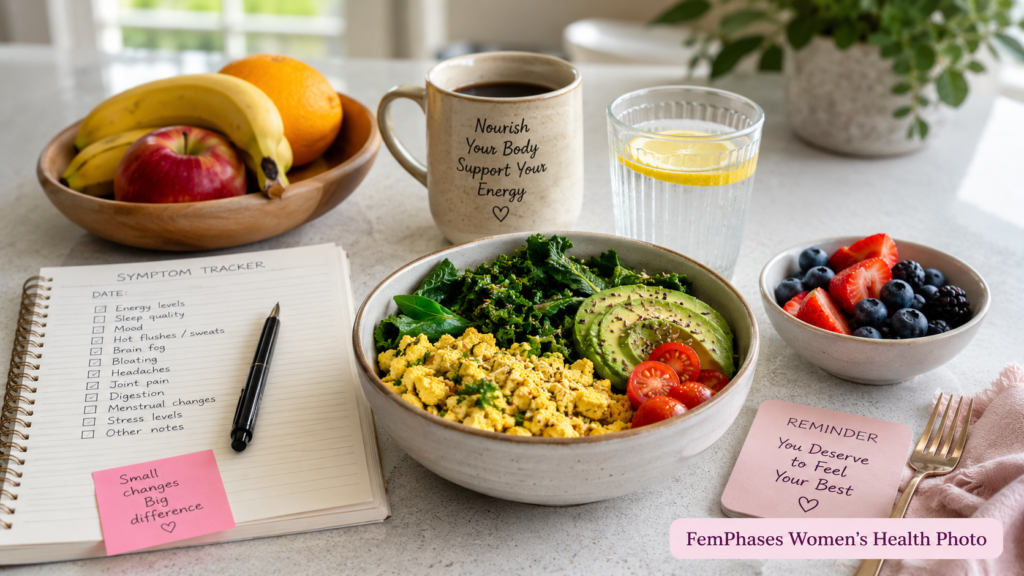
Symptom Tracker and Self-Assessment Checklist
Use this for two to four weeks before speaking with your clinician.
Track:
- Which joints hurt?
- Is pain one-sided or both-sided?
- Is there swelling, heat, redness, or stiffness?
- Is stiffness worse in the morning or after sitting?
- How long does stiffness last?
- Pain score from 0–10
- Sleep quality
- Night sweats or hot flushes
- Period changes, if still having periods
- Exercise and recovery
- Stress level
- New medicines or supplements
- Impact on work, relationships, mood, and daily tasks
Bring your notes to your appointment. Patterns help clinicians determine whether this resembles menopause-related pain, osteoarthritis, inflammatory arthritis, injury, or another condition.
What Women Commonly Report
In clinics, support communities, and everyday conversations, women often describe menopause joint pain as a loss of trust in their own body. They say they feel stiff getting out of bed, sore after doing normal tasks, or embarrassed that exercise routines they once enjoyed now feel harder.
Some worry they are “ageing overnight.” Others feel frustrated because their symptoms are invisible. A woman may look well at work but quietly struggle with stairs, typing, sleep, grip strength, or the confidence to exercise.
This emotional side matters. Pain affects more than joints. It can affect identity, independence, intimacy, patience, energy, and mood. Relief often begins with being believed, assessed properly, and given a plan that feels realistic.
Questions to Ask Your Doctor
Bring these to your GP, nurse practitioner, menopause specialist, physiotherapist, or rheumatology appointment:
- Could my joint pain be related to perimenopause or menopause?
- Do my symptoms suggest osteoarthritis or inflammatory arthritis?
- Do I need blood tests for inflammation, thyroid function, vitamin D, or autoimmune markers?
- Would physiotherapy help?
- What type of exercise is safe for my symptoms?
- Could HRT be appropriate for my wider menopause symptoms?
- What are the benefits and risks of HRT for me personally?
- Are my current medicines or supplements affecting my joints or muscles?
- What pain relief options are safest with my medical history?
- When should I come back if symptoms do not improve?
Frequently Asked Questions
1. Is menopause joint pain real?
Yes. Many women report joint pain, stiffness, and muscle aches during perimenopause and menopause. Hormonal changes may contribute, but other causes should also be considered.
2. What does menopause joint pain feel like?
It may feel like aching, stiffness, soreness, reduced flexibility, or pain after rest or activity. It often affects the hands, knees, hips, shoulders, back, or feet.
3. Why are my joints stiff in the morning during menopause?
Morning stiffness may happen because joints and muscles have been still overnight. Hormonal changes, poor sleep, inflammation, osteoarthritis, or inflammatory arthritis may also play a role.
4. Can low oestrogen cause joint pain?
Low or fluctuating oestrogen may influence joint tissues, collagen, inflammation, and pain sensitivity. However, joint pain can have several causes, so persistent symptoms should be assessed.
5. Does menopause joint pain go away?
For some women, it improves with movement, strength training, sleep support, weight management, and treatment of other menopause symptoms. For others, it may persist if there is arthritis, injury, or another medical condition.
6. What is the best exercise for menopause joint pain?
Low-impact movement and strength training are often helpful. Walking, swimming, cycling, Pilates, yoga, resistance bands, and supervised strength exercises can support joint health.
7. Can HRT improve menopause joint pain?
Some women report improvement, especially when joint pain occurs with hot flushes, night sweats, poor sleep, or other menopause symptoms. However, HRT is not guaranteed to treat joint pain and should be discussed individually.
8. What supplements help with menopause joint pain?
Vitamin D may help if you are deficient. Omega-3, collagen, turmeric, or glucosamine are commonly discussed, but evidence varies. Speak with a clinician or pharmacist before taking supplements, especially if you take medication.
9. How do I know if it is arthritis and not menopause?
Swollen, hot, red, or persistently stiff joints may suggest arthritis or another condition. Severe pain, worsening pain, or pain that limits daily life should be reviewed.
10. When is joint pain urgent?
Seek urgent help if a joint is hot, swollen, severely painful, linked with fever, follows injury, or you cannot bear weight or move it normally.
Key Takeaways
- Menopause joint pain is common and can affect sleep, work, movement, confidence, and quality of life.
- Falling or fluctuating oestrogen may contribute, but joint pain should not automatically be blamed on hormones.
- Osteoarthritis, inflammatory arthritis, vitamin D deficiency, thyroid problems, injury, and other conditions can mimic menopause joint pain.
- Movement, strength training, sleep support, nutrition, stress management, and symptom tracking can help.
- HRT may help some women with wider menopause symptoms, but evidence for joint pain relief is mixed, and decisions should be individualised.
- Hot, swollen, severe, sudden, or fever-related joint pain needs urgent medical advice.
Conclusion
Menopause joint pain can feel unsettling, especially when it arrives at the same time as sleep problems, night sweats, mood changes, weight shifts, or fatigue. But your body is not failing you. It is giving you information.
Start with gentle, consistent movement. Build strength slowly. Track your symptoms. Support your sleep and nutrition. Most importantly, seek medical advice if the pain is persistent, worsening, accompanied by swelling or heat, or affecting your daily life.
Menopause joint pain deserves care, not dismissal. With the right assessment and a realistic plan, many women can feel stronger, steadier, and more confident in their bodies again.
Medical Disclaimer
This article is for educational purposes only and does not replace professional medical advice, diagnosis, or treatment. Always speak with a qualified healthcare professional about symptoms, medication, HRT, supplements, persistent pain, or urgent concerns.