

You lie down exhausted. Your body feels heavy. Your mind does not.
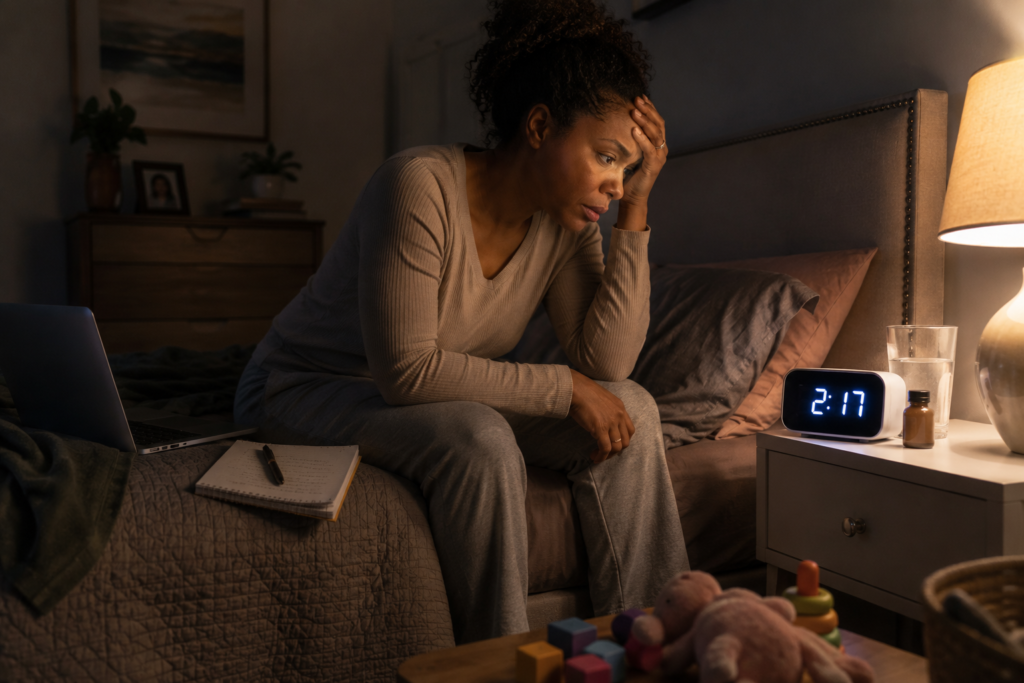
You replay conversations. Think about tomorrow’s responsibilities. Wonder why you feel so tired all day, yet somehow still unable to sleep properly at night. Maybe you scroll your phone for “just five minutes,” and it turns into an hour. Maybe you wake at 3 am with a racing heart and a brain that suddenly wants to solve every problem you’ve ever had.
And somewhere in the middle of all this, you start noticing something strange: everyone is suddenly talking about sleep.
It can feel overwhelming. But beneath the noise, there is a reason why sleep has become the new wellness obsession and it is not just another health trend.
For many women, sleep has quietly become the missing piece of the puzzle.
Not because women suddenly became lazy, weak, or “bad at coping,” but because modern life places enormous pressure on the nervous system, hormones, emotional well-being, and mental load. And sleep is where the body tries to repair the damage.
When sleep suffers, everything often feels harder:
- Mood regulation
- Emotional resilience
- Hormone balance
- Appetite and cravings
- Brain fog
- Energy levels
- Anxiety symptoms
- Chronic pain
- Focus and concentration
Sleep is not simply “rest.” It is active biological maintenance.
For women navigating stress, caregiving, work pressure, perimenopause, menopause, anxiety, burnout, chronic illness, or emotional exhaustion, the conversation around sleep becomes a deeply personal journey of understanding and support.
Sleep Is No Longer Seen as “Optional”
For years, sleep was often misunderstood as optional or a sign of weakness. Many women believed that functioning on minimal sleep was normal or even admirable, but recent research shows that prioritizing sleep is essential for health and well-being.
People bragged about functioning on 4 hours of sleep. Burnout became normalised. Productivity was glorified. Rest was framed as something you earned after everything else was done.
Many women absorbed this message without even realising it.
Keep going. Push through. Be available. Be productive. Be emotionally supportive. Hold everything together.
But the body keeps score eventually.
Research now consistently shows that poor sleep affects nearly every major system in the body, including cardiovascular health, immune function, metabolism, emotional regulation, cognition, and hormone production. NHS sleep and tiredness advice
This growing awareness highlights that sleep is a cornerstone of health, not a luxury, empowering women to prioritize their well-being.
You Mat Read This: How to Build a Hormone-Supportive Midlife Plate
Women Often Experience Sleep Problems Differently
Women are more likely than men to experience insomnia symptoms, fragmented sleep, and sleep disturbances linked to hormonal changes. Office on Women’s Health — Sleep Disorders
And yet many women spend years believing:
- “I’m just stressed.”
- “This is probably normal.”
- “Maybe I’m overreacting.”
- “I should be coping better.”
The reality is that multiple overlapping factors influence women’s sleep:
i. Hormones
Oestrogen and progesterone influence sleep quality, body temperature, mood, and nervous system regulation. During perimenopause and menopause, fluctuating hormones can contribute to:
- Night sweats
- Insomnia
- Early waking
- Increased anxiety
- Restless sleep
- Heart palpitations
The British Menopause Society notes that sleep disturbance is one of the most common symptoms reported during menopause transition.
2. Mental Load
Many women carry invisible cognitive labour:
- Remembering appointments
- Emotional caregiving
- Household planning
- Parenting responsibilities
- Work pressure
- Family coordination
Even when physically exhausted, the brain may remain hyper-alert.
3. Stress and Nervous System Activation
Chronic stress can keep the body in a state of heightened alertness. Cortisol patterns may become disrupted, making it harder to fall asleep or stay asleep.
This does not mean the symptoms are “all in your head.” It means the nervous system is responding to prolonged strain.
The Rise of “Sleep Anxiety”
Ironically, one unexpected reason why sleep has become the new wellness obsession is that people have become anxious about sleep itself.
You may recognise this cycle:
- You have one bad night
- You start worrying about sleep
- You monitor every waking
- You dread bedtime
- Your nervous system becomes more alert
- Sleep becomes even harder
This is incredibly common.
Sleep is deeply connected to safety. When the brain perceives pressure, stress, fear, or hypervigilance, it often struggles to transition into restorative rest.
Many women describe bedtime as the only quiet moment of the day, which means unresolved thoughts finally surface.
That can feel frightening, lonely, or emotionally intense.
But it also makes sense.
Social Media Has Changed the Conversation Around Sleep
The internet has played a huge role in explaining why sleep has become the new wellness obsession.
Some of this has been genuinely helpful:
- More conversations about burnout
- Greater awareness of menopause
- Improved mental health literacy
- Recognition of nervous system dysregulation
- Reduced stigma around exhaustion
But some of it has also become confusing.
Women are often bombarded with:
- unrealistic wellness routines,
- expensive supplements,
- “perfect” sleep expectations,
- contradictory advice,
- and fear-based messaging.
It can create the impression that if you are not sleeping perfectly, you are somehow failing at health.
That is not true.
Human sleep is naturally variable. Stressful periods, hormonal transitions, grief, parenting, illness, caregiving, and emotional strain all affect sleep patterns.
Good sleep is not about perfection. It is about support, consistency, and understanding what may be affecting your body.
What Actually Happens During Sleep?
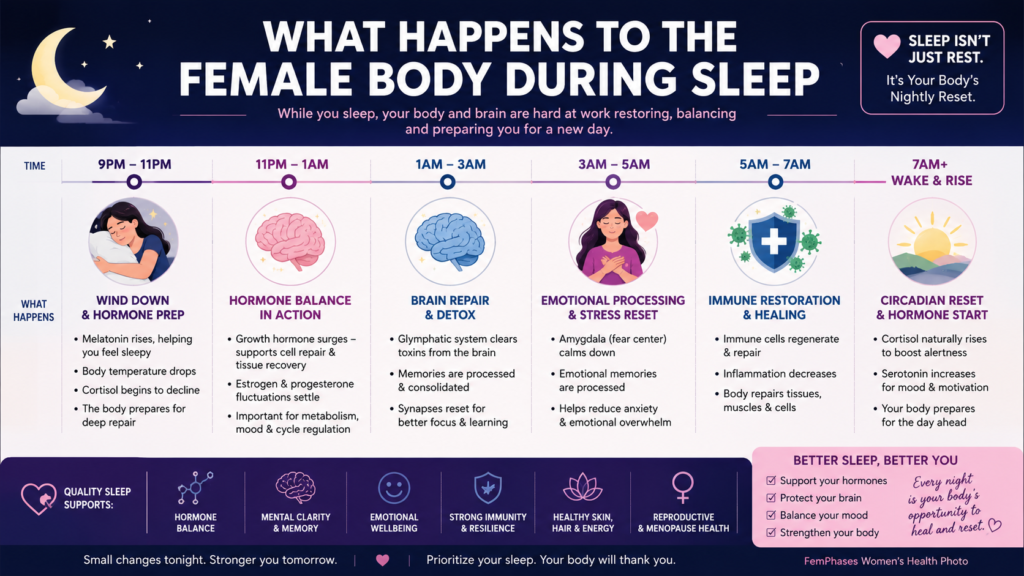
Sleep is not a passive shutdown.
While you sleep, the body and brain are actively working:
- consolidating memory,
- regulating hormones,
- repairing tissues,
- processing emotions,
- supporting immune function,
- and clearing metabolic waste from the brain.
Research also shows that sleep plays a role in emotional processing and mental health regulation. Chronic sleep deprivation is linked with increased risk of anxiety and depression symptoms. CDC — Sleep and Sleep Disorders
This is another major reason why sleep has become the new wellness obsession: people are finally understanding that sleep affects far more than energy levels.
Perimenopause, Menopause, and the Sleep Conversation
For many women, sleep changes suddenly in their late 30s, 40s, or 50s.
A woman who once slept easily may suddenly experience:
- waking at 3 am,
- vivid anxiety,
- overheating,
- racing thoughts,
- lighter sleep,
- or insomnia that seems to appear “out of nowhere.”
This can feel frightening, especially when healthcare conversations have historically minimised women’s symptoms.
According to NICE menopause guidance, sleep disturbance is a recognised symptom of menopause and should be taken seriously within wider symptom assessment.
Hormonal fluctuations can affect:
- thermoregulation,
- serotonin pathways,
- stress sensitivity,
- and sleep architecture.
But sleep disruption is rarely caused solely by hormones.
Often, women in midlife are simultaneously managing:
- ageing parents,
- career pressure,
- caregiving,
- relationship strain,
- chronic stress,
- health anxiety,
- and emotional exhaustion.
The body is carrying a lot.
Sleep Is Emotional, Not Just Physical
One of the most overlooked parts of sleep health is emotional safety.
Many women do not struggle with sleep because they lack discipline. They struggle because their nervous system rarely feels fully safe enough to rest deeply.
That distinction matters.
When women constantly operate in survival mode, the body can remain physiologically alert even during quiet moments.
You may notice:
- jaw tension,
- shallow breathing,
- hyper-awareness,
- difficulty “switching off,”
- or waking already feeling stressed.
This is not laziness. It is not a weakness. And it is not a personal failure.
Sometimes the body is overwhelmed.
What Actually Helps Improve Sleep?
There is no single perfect sleep solution. And despite what the wellness industry sometimes suggests, not every sleep problem can be fixed with a supplement or a strict routine.
But evidence-based strategies can genuinely help.
1. Reduce Nervous System Overload
The brain cannot easily enter restorative sleep while remaining in constant threat mode.
Helpful approaches may include:
- reducing overstimulation before bed,
- gentle stretching,
- journalling,
- calming audio,
- breathing exercises,
- therapy,
- trauma-informed support,
- or creating a more predictable evening routine.
2. Address Underlying Health Factors
Persistent sleep issues may be linked to:
- anxiety,
- depression,
- sleep apnoea,
- iron deficiency,
- chronic pain,
- thyroid conditions,
- perimenopause,
- medication side effects,
- or other medical issues.
If sleep changes feel significant or ongoing, it is important not to dismiss them.
3. Rethink “Perfect Sleep”
One difficult night does not damage your health permanently.
Sometimes people become so focused on achieving flawless sleep that bedtime itself becomes stressful.
A more compassionate approach often helps:
- aiming for consistency rather than perfection,
- reducing panic about occasional poor nights,
- and understanding that sleep naturally fluctuates.
4. Morning Light Exposure
Research supports the role of natural morning light in regulating circadian rhythms.
Getting outside earlier in the day can help reinforce the body’s sleep-wake cycle.
5. Be Careful With Wellness Claims
The growing sleep industry is enormous.
Some products may help certain individuals, but many claims online are exaggerated or unsupported.
Be cautious about:
- miracle cures,
- extreme sleep hacks,
- expensive supplement stacks,
- or influencers presenting sleep as something that can be fully optimised at all times.
Myths About Sleep That Many Women Still Believe
Myth: “I should be able to function fine on very little sleep.”
Chronic sleep deprivation affects cognition, mood, and physical health even when people become accustomed to it.
Myth: “If I wake during the night, something is seriously wrong.”
Brief awakenings can be normal, especially during stress or hormonal shifts.
Myth: “Sleep problems are just part of being a woman.”
Sleep disruption is common, but that does not mean you should suffer in silence.
Myth: “If I try harder, I’ll sleep better.”
Sleep is not controlled purely by willpower.
Why This Conversation Matters So Much Right Now
Part of why sleep has become the new wellness obsession is that people are emotionally exhausted in ways that many healthcare systems still struggle to acknowledge fully.
Women especially are navigating:
- information overload,
- economic stress,
- caregiving strain,
- burnout,
- hormonal transitions,
- chronic uncertainty,
- and constant pressure to keep functioning.
Sleep has become symbolic of something deeper:
- rest,
- recovery,
- nervous system repair,
- permission to slow down,
- and reclaiming health before the crisis point.
That is not laziness.
That is survival.
Practical Takeaways
If your sleep has changed recently, you are not imagining it.
And you are not failing because you feel tired.
Small supportive steps often matter more than extreme routines.
Try focusing on:
- consistent wake times,
- gentle evening wind-down habits,
- limiting overstimulation before bed,
- addressing stress compassionately,
- seeking support for hormonal symptoms,
- speaking with a healthcare professional if symptoms persist,
- and reducing pressure around “perfect” sleep.
Sometimes improving sleep starts with understanding your body rather than fighting against it.

Final Thoughts
The reason why sleep has become the new wellness obsession is not that people suddenly became obsessed with productivity hacks or expensive wellness trends.
It is because many people especially women are deeply tired.
Tired physically.
Tired emotionally.
Tired mentally.
And for perhaps the first time in a long time, the wider health conversation is beginning to recognise that rest is not indulgent. It is biological care.
Sleep cannot solve every problem. But a better understanding of sleep can help women feel less frightened by their symptoms, less ashamed of their exhaustion, and more connected to what their bodies may be trying to communicate.
You deserve support, not dismissal.
And if your body has been asking for rest lately, that does not make you weak.
It makes you human.
Medical Disclaimer
This article is for educational purposes only and does not replace personalised medical advice, diagnosis, or treatment. If you are worried about your symptoms, if your symptoms are getting worse, or if something does not feel right in your body, please speak with your doctor, nurse practitioner, gynaecologist, endocrinologist, or another qualified healthcare professional. Seek urgent medical help for severe, sudden, or concerning symptoms.