FemPhases

Trust Bar Marquee

Is This Normal?

Wondering, “Is this normal?” You’re not alone. Explore trusted, nurse-led answers to the everyday questions women ask about sleep, fatigue, changing bodies, perimenopause, and wellbeing. Our articles explain what’s common, what may be causing your symptoms, and when it may be worth speaking to a healthcare professional; all with clarity, compassion, and evidence-informed guidance.

Perimenopause symptoms: How to tell if your changing periods are normal

Perimenopause symptoms: How to tell if the changes you’re noticing are normal If you have been wondering whether your perimenopause symptoms are normal, you are not alone. Maybe your periods are suddenly unpredictable, your sleep is off, your mood feels different, or you are getting hot flushes and asking yourself, Is this really perimenopause, or is something else going on? That question is incredibly common, especially when the changes creep in gradually and do not all arrive at once. Quick answer: Yes, many perimenopause symptoms are normal and happen because hormone levels start fluctuating in the years before menopause. Common changes include irregular periods, hot flushes, night sweats, sleep problems, vaginal dryness, mood changes, and brain fog. But symptoms that are very heavy, severe, unusual for you, or happening before age 45 should be discussed with a doctor. (ACOG) What is Perimenopause? Perimenopause is the transition leading up to menopause. It is the stage when your ovaries start producing hormones less steadily, especially oestrogen, and your cycle begins to change. Menopause itself is reached when you have gone 12 months in a row without a period. (Mayo Clinic) Bleeding Between Periods: Common Causes and When to Get Checked What makes perimenopause different from menopause? I: Perimenopause Your hormones are still changing up and down You may still have periods, but they may be irregular Perimenopause symptoms may come and go II: Menopause You have not had a period for 12 months Hormone levels have declined more permanently Some symptoms may continue, while others settle over time For many women, the first clue is not a hot flush. It is a change in the usual pattern of periods. Cycles may become shorter, longer, lighter, heavier, closer together, or more widely spaced. (ACOG) Can You Get Pregnant During Perimenopause? What It Means Why does it happen? The reason perimenopause symptoms happen is fairly simple, even if the experience does not feel simple at all: hormone levels begin to fluctuate rather than following the smoother rhythm you were used to before. Oestrogen can rise and fall unpredictably, and ovulation becomes less regular. That is why symptoms can feel inconsistent from one month to the next. (Mayo Clinic) 1. Why symptoms can feel confusing i: Hormone changes are not steady You might feel fine for weeks, then suddenly have poor sleep, breast tenderness, anxiety, or a late period. That unpredictability is part of why perimenopause symptoms can be easy to second-guess. (Mayo Clinic) ii: Not everyone gets the same symptoms Some women mainly notice cycle changes. Others feel hot flushes, brain fog, vaginal dryness, or mood shifts first. Some have very few symptoms. (nia.nih.gov) Signs or symptoms There is a range of typical perimenopause symptoms, and no one woman will have all of them. I: Common perimenopause symptoms II: Changes to your periods Periods becoming irregular The flow becomes lighter or heavier Skipping periods Periods coming closer together or further apart (ACOG) III: Body symptoms Hot flushes Night sweats Trouble sleeping Vaginal dryness Discomfort during sex Reduced libido Urinary symptoms such as urgency or recurrent discomfort (Mayo Clinic) IV: Mood and thinking changes Anxiety Low mood or irritability Mood swings Trouble concentrating Memory lapses or “brain fog” (nhs.uk) A helpful thing to remember Typical perimenopause symptoms do not always arrive all at once. You may notice one or two changes first, especially irregular bleeding or sleep disruption, before other symptoms appear. (ACOG) What Are the First Signs of Menopause? Early Symptoms to Notice What is normal, and when to pay attention Many women want to know what counts as “normal.” In general, perimenopause symptoms are considered typical when they fit the pattern of hormonal transition and are not causing signs of another condition that needs separate assessment. (Mayo Clinic) 1. Typical changes that are often part of perimenopause Periods becoming less predictable Hot flushes that come and go Sleep becoming lighter or more broken Vaginal dryness Mood shifts that seem linked to cycle changes Mild memory or concentration difficulties (ACOG) 2. Changes that deserve more attention Even when perimenopause symptoms are common, some symptoms should not be brushed aside. i. Pay attention if you have Very heavy bleeding Bleeding after sex Bleeding after 12 months without a period Severe pelvic pain Symptoms starting before age 45 Symptoms are so disruptive that they affect work, sleep, mood, or daily life. A useful practical step is to track your cycle and symptoms for a few months. Note when your period starts, how heavy it is, whether you wake at night sweating, and how your mood or sleep changes. Patterns can make appointments much more productive. Do you need a blood test? Often, no. NICE says perimenopause in people aged 45 or over can usually be diagnosed from symptoms and menstrual history rather than hormone blood tests, because hormone levels fluctuate so much during this time. Blood tests may be considered in some women under 45 or if another cause needs to be ruled out. (NICE) When to speak to a doctor Speak to a doctor if your perimenopause symptoms are troubling you, feel out of character, or leave you unsure whether this is really a hormonal change. You do not need to wait until symptoms become unbearable to ask for help. Effective support and treatment options are available. (Mayo Clinic) Make an appointment if You think you may be in perimenopause and want clarity Your bleeding is very heavy, prolonged, or unusual You are under 45 and having possible menopausal symptoms Your mood is significantly affected Sleep problems are wearing you down Vaginal dryness or pain during sex is affecting your quality of life (nhs.uk) Seek urgent medical advice if You have bleeding after menopause You feel faint, very unwell, or are bleeding heavily You have severe pain, chest symptoms, or anything that feels like an emergency That medically responsible reminder matters here: not every symptom in your 40s is automatically perimenopause. Thyroid problems, anaemia, pregnancy, fibroids, and other health issues can overlap with similar

Perimenopause symptoms: How to tell if your changing periods are normal Read More »

Bleeding Between Periods: Common Causes and When to Get Checked

Introduction It can be unsettling to notice bleeding between periods when you were not expecting it. Maybe you wiped and saw light pink spotting, or maybe your period seemed to finish and then started again a few days later. Either way, it is a common reason women seek answers, and it is understandable to want to know whether it is harmless or requires a check. Quick answer: Bleeding between periods is not always a sign of a serious problem. It can happen because of hormonal changes, contraception, ovulation, infections, polyps, fibroids, pregnancy-related causes, or changes around perimenopause. But any bleeding that is unusual for you, keeps happening, is heavy, or happens after sex, during pregnancy, or after menopause should be checked by a clinician. What is bleeding between periods? Bleeding between periods means any vaginal bleeding or spotting that happens outside your usual menstrual period. Some women notice only a few drops of blood on their underwear or toilet tissue. Others may have bleeding that feels more like a light period. Medical sources often group this under “abnormal uterine bleeding,” which means bleeding that falls outside your usual pattern. Spotting before your period: causes, timing, and when it means something else Spotting vs heavier bleeding 1. Spotting A few drops of pink, red, or brown blood Often only noticeable when wiping May last a few hours to a day or two 2. Heavier bleeding Needs a pad or liner Lasts longer May come with cramps, pelvic pain, or clots A menstrual cycle is commonly around 21 to 35 days, with bleeding lasting about 3 to 7 days, so bleeding outside that pattern is worth noticing, especially if it is new for you. Why does it happen? There is no single cause of bleeding between periods. Sometimes it is linked to hormones. Other times it can point to something structural, infectious, or pregnancy-related. Common causes of bleeding between periods i: Hormonal changes Hormone shifts are one of the most common reasons for bleeding between periods. This can happen around ovulation, in the first few months after starting or changing hormonal contraception, or during perimenopause when cycles become less predictable. ii: Contraception The pill, hormonal coil, implant, injection, and emergency contraception can all cause spotting, especially in the early months. This is often called breakthrough bleeding. iii: Pregnancy-related causes Sometimes bleeding between periods is not a period issue at all. It may happen in early pregnancy, including with implantation bleeding, miscarriage, or ectopic pregnancy. Any bleeding in pregnancy should be discussed with a healthcare professional. iv: Infections or irritation Sexually transmitted infections such as chlamydia, vaginal dryness, or irritation around the cervix can cause unexpected bleeding, especially after sex. v: Polyps or fibroids These are non-cancerous growths in or around the uterus or cervix that can cause bleeding between periods, heavier periods, or bleeding after sex. vi: PCOS and other ovulation problems When ovulation is irregular, the lining of the womb can build up and shed unpredictably, which can lead to irregular bleeding or spotting. vii: Less common but important causes Occasionally, unusual bleeding can be linked to cancer or pre-cancerous changes, especially if it happens after menopause, after sex, or keeps recurring without a clear reason. Heavy periods: what is normal and when to get help Signs or symptoms Bleeding between periods can show up in different ways. The pattern often gives helpful clues. i: You might notice Light pink, red, or brown spotting Bleeding halfway through your cycle Bleeding after sex A period that seems to stop and start again Pelvic pain or cramping Unusual vaginal discharge Heavier or longer periods alongside the spotting ii: Symptoms that need more attention Bleeding that is getting heavier Passing large clots Dizziness, weakness, or shortness of breath One-sided pelvic pain Fever or foul-smelling discharge Bleeding in pregnancy Any bleeding after menopause What is normal, and when to pay attention A small amount of spotting is not always a sign of a serious problem. For example, bleeding between periods can happen with ovulation or in the first few months of a new contraceptive method. But “common” does not always mean “ignore it.” If it is unusual for you, it deserves attention. 1: It may be less worrying if It is very light and short-lived It happens once You recently started or changed hormonal contraception It fits with ovulation timing, and you otherwise feel well 2: Pay closer attention if It keeps happening month after month It is heavier than spotting It happens after sex Your periods have also become much heavier, longer, or more painful You are pregnant or could be pregnant You have gone through menopause You feel unwell, anaemic, or are in pain A helpful practical step is to track what is happening: when the bleeding starts, how long it lasts, how heavy it is, whether you have pain, and whether it is linked to sex, contraception, or missed pills. That makes it easier to explain at a medical appointment. Missing Periods in Perimenopause: Is It Normal? When to speak to a doctor Speak to a doctor, sexual health clinic, or women’s health clinician if bleeding between periods is new, recurring, or not clearly explained by something like recently starting contraception. NHS and other medical guidance advise getting unusual vaginal bleeding checked, even when the cause turns out not to be serious. i: Make an appointment soon if You keep having bleeding between periods You bleed after sex Your normal cycle has changed significantly You have pelvic pain, unusual discharge, or signs of infection You think your contraception may be affecting your bleeding, and you need advice ii: Get urgent medical help if You are pregnant and bleeding You have severe pain, fainting, or feel very unwell The bleeding is very heavy, such as soaking through pads or tampons quickly You bleed after menopause Key takeaway Bleeding between periods can happen for many reasons, and often the cause is treatable or temporary. Still, it is one of those symptoms that should

Bleeding Between Periods: Common Causes and When to Get Checked Read More »

Can You Get Pregnant During Perimenopause? What It Means

Can you get pregnant during perimenopause?: What it means and what to watch for If you’ve been asking, “Can I get pregnant during perimenopause, you are not overthinking it. Many women notice their periods becoming irregular, start having hot flushes or mood changes, and assume pregnancy is no longer possible. It is a very common and important question. Quick answer Yes, can you get pregnant during perimenopause has a simple answer: you still can. Pregnancy becomes less likely as fertility declines, but it is still possible until menopause is confirmed. Menopause is only confirmed after 12 months in a row without a period or spotting. (National Institute on Ageing) That means that even if you are still having periods, even if they are far apart or unpredictable, ovulation may still occur sometimes. (Mayo Clinic) What is it? Perimenopause is the transition leading up to menopause. It is the stage when hormone levels begin to shift and periods often become less predictable. It can last several years, and many women start noticing changes sometime between their 40s and 50s. (National Institute on Ageing) Perimenopause symptoms: How to tell if the changes you’re noticing are typical What does perimenopause not mean? Perimenopause does not mean fertility has ended overnight. This is where the question of whether you can get pregnant during perimenopause matters so much. Your ovaries may not release an egg every month, but they can still release one in some months. If sperm are present around that time, pregnancy can happen. (ACOG) Menopause vs perimenopause Perimenopause Hormones rise and fall unpredictably Periods may be irregular, lighter, heavier, closer together, or farther apart Pregnancy is still possible (Mayo Clinic) Menopause Reached after 12 full months with no period or spotting Natural pregnancy is no longer possible after menopause is complete (National Institute on Ageing) Why does it happen? The short version is that fertility drops before it disappears. During perimenopause, the ovaries make less oestrogen and progesterone, and ovulation becomes less regular. Some months, an egg is released. Other months it is not. That is why the answer to can you get pregnant during perimenopause is yes, but less predictably than before. (ACOG) Why is confusion so common? A lot of women assume that irregular periods mean they are “basically done.” But irregular does not mean impossible. In fact, one of the trickiest things about this stage is that you may go weeks or even months without a period and still ovulate later. (Mayo Clinic) A practical point about contraception If you do not want to become pregnant, contraception still matters during perimenopause. Guidance from the National Institute on Ageing and Mayo Clinic advises using birth control until you have gone a full 12 months without a period. NHS guidance also notes that if you are over 50, contraception is usually advised for 1 year after your last period, and for 2 years if you are under 50. HRT is not a form of contraception. (National Institute on Ageing) Irregular periods in your 40s: What is normal and what is not Signs or symptoms There is no single symptom that tells you if you can get pregnant during perimenopause, but there are signs that tell you fertility may still be possible. Common perimenopause symptoms Irregular periods Heavier or lighter bleeding Skipped periods Hot flushes Night sweats Sleep problems Mood changes Vaginal dryness Changes in sex drive (Mayo Clinic) Signs of pregnancy could still be possible. You are still having periods. Even if they are unpredictable, periods usually indicate that ovulation could still occur. (Mayo Clinic) You have had sex without contraception. This is especially relevant if you assumed you were “too old” or “too close to menopause” to conceive. You have pregnancy-type symptoms. These can include: nausea breast tenderness missed period tiredness needing to urinate more often The tricky part is that some early pregnancy symptoms can overlap with perimenopause symptoms. If there is any doubt, take a pregnancy test. That is the safest next step. What is normal, and when to pay attention This stage can be messy, and a lot of change can still be normal. Usually normal in perimenopause cycles that are shorter or longer than before skipped periods flow that is a bit heavier or lighter hot flushes, sleep changes, and mood changes (Mayo Clinic) Pay attention if you notice Bleeding after 12 months with no periods Bleeding after menopause should always be checked. (Mayo Clinic) Very heavy bleeding For example: soaking through pads or tampons quickly bleeding longer than 7 days passing large clots bleeding that leaves you dizzy, weak, or very tired Heavy bleeding is not something to brush off. ACOG advises that abnormal bleeding should be evaluated. (ACOG) New symptoms that do not feel right Severe pelvic pain, unusual discharge, fainting, or sudden worsening symptoms need medical review. When to speak to a doctor If the question of whether you can get pregnant during perimenopause is affecting your choices, peace of mind, or symptoms, it is worth speaking to a doctor or sexual health clinician. Book an appointment if: you think you might be pregnant you need contraception advice during perimenopause your symptoms are affecting sleep, mood, sex, or daily life your bleeding is very heavy, very frequent, or happens after sex you bleed after 12 months without a period you are using HRT and are unsure whether you still need contraception (Mayo Clinic) HRT and contraception: Do you still need birth control during menopause transition? A medically responsible reminder Do not assume missed periods in your 40s or 50s are automatically “just menopause.” Pregnancy, thyroid problems, fibroids, polyps, and other causes can also affect bleeding. If something feels off, get checked. Key takeaway So, can you get pregnant during perimenopause? Yes, you can. Fertility is lower, but it is not zero until menopause is confirmed. If you do not want a pregnancy, keep using contraception. If you do want pregnancy, do not assume the opportunity has completely passed, but do speak to

Can You Get Pregnant During Perimenopause? What It Means Read More »

Heavy periods in your 40s: causes, signs, and what helps

Introduction If you are dealing with heavy periods in your 40s, it can be hard to know what is normal and what is not. Your periods have become harder to manage, you are bleeding through products faster than before, or you are starting to dread that time of the month. Many women notice changes in their cycles during this stage of life, and heavy periods in their 40s are a common source of concern. Quick answer Heavy periods in your 40s are often linked to perimenopause, when hormone levels start to shift and periods can become less predictable. But heavy bleeding can also be caused by fibroids, polyps, adenomyosis, thyroid problems, medicines, or other health issues. If bleeding is much heavier than usual, lasts longer, or is affecting your daily life, it is worth getting checked. What are heavy periods? Heavy periods are periods that feel excessive for you and start affecting your comfort, confidence, or quality of life. It is not only about how much blood is lost. It is also about whether your period is disrupting your sleep, work, social life, or energy levels. Missing Periods in Perimenopause: Is It Normal? Common ways women describe it You may be experiencing heavy periods in your 40s if you: soak through pads or tampons more quickly than usual need to use two products at once pass large blood clots need to get up in the night to change protection bleed through clothes or bedding feel anxious about leaving the house during your period feel drained or washed out each month Why it matters Heavy bleeding is common, but it should not be brushed off if it is changing your daily life. Ongoing heavy periods can also lead to low iron levels or anaemia, which can leave you feeling tired, weak, dizzy, or short of breath. Why does it happen? Hormone changes in perimenopause The most common reason for heavy periods in your 40s is perimenopause. This is the stage before menopause when hormone levels, especially oestrogen and progesterone, begin to fluctuate. Ovulation may happen less regularly, which can affect how the womb lining builds up and sheds. That can lead to periods that are: heavier longer closer together more unpredictable than before Bleeding between periods: what causes it and when to get checked Other possible causes Not all heavy periods in your 40s are caused by perimenopause. Other possible reasons include: Fibroids These are non-cancerous growths in or around the womb. They can cause heavy bleeding, pressure, pelvic discomfort, or a feeling of fullness. Polyps These are small growths in the lining of the womb or cervix that can cause heavier bleeding or spotting between periods. Adenomyosis This happens when tissue similar to the womb lining grows into the muscle of the womb. It can cause heavy, painful periods. Thyroid problems An underactive or overactive thyroid can affect your cycle and contribute to heavy bleeding. Medicines Some medicines, especially blood thinners, can make bleeding heavier. Less common but important causes Sometimes heavy bleeding needs further investigation to rule out more serious problems, including changes in the womb lining. What can help The right treatment depends on the cause, but options may include: cycle tracking to spot patterns anti-inflammatory pain relief, such as ibuprofen, if safe for you tranexamic acid prescribed by a doctor hormonal treatment, including the hormonal coil treatment for fibroids, polyps, or other underlying causes iron supplements if blood tests show low iron Signs or symptoms Heavy periods in your 40s can show up in different ways. Bleeding changes You might notice: flooding or sudden gushes of blood bleeding for longer than usual larger clots than before needing to change products very often spotting between periods bleeding after sex Symptoms linked to blood loss Heavy bleeding can also affect the rest of your body. Watch for: unusual tiredness dizziness headaches pale skin shortness of breath feeling weaker than usual These symptoms can sometimes point to iron deficiency or anaemia. What is normal, and when to pay attention 1. What can be common It is common for cycles to change during your 40s, especially in perimenopause. Some women notice heavier bleeding, more cramping, shorter cycles, or irregular timing. 2. What should not be ignored Even though heavy periods in your 40s are common, some changes deserve medical attention. Pay attention to: your periods are suddenly much heavier than before you soak through a pad or tampon every hour for more than 2 hours your bleeding lasts much longer than usual you bleed between periods you bleed after sex you feel faint, weak, or breathless your periods are affecting work, sleep, or normal life you have bleeding after 12 months without a period A simple rule is this: common does not always mean harmless. Iron deficiency in women: signs, symptoms, and when to ask for a blood test When to speak to a doctor Speak to a doctor if heavy periods in your 40s are new, worsening, or becoming hard to manage. You should also ask for medical advice if you think you may have low iron or if your bleeding pattern has changed noticeably. A doctor may ask about: how often your periods come how long they last how heavy the bleeding is whether you have pain, clots, or spotting whether you bleed after sex any medicines you take whether there is a chance of pregnancy Tests that may be suggested Depending on your symptoms, your doctor may suggest: a blood test to check iron levels or anaemia thyroid blood tests an ultrasound scan an examination sometimes a hysteroscopy to look inside the womb Seek urgent help if: you are soaking through products very quickly for hours you feel faint or severely weak you are short of breath you have severe pain with unusual bleeding there is a chance you may be pregnant and bleeding heavily Key takeaway Hormone changes often cause heavy periods in your 40s during perimenopause, but they are not something you have to put

Heavy periods in your 40s: causes, signs, and what helps Read More »

Missing Periods in Perimenopause: Is It Normal?

Missing Periods in Perimenopause: Why It Happens and When to Pay Attention If you’ve found yourself asking, is it normal to miss periods in perimenopause, you are far from alone. A lot of women notice their cycle changing in their 40s or early 50s and wonder whether skipped periods are just part of the transition or a sign that something else is going on. The uncertainty can feel unsettling, especially if your periods used to be predictable. One month arrives right on time, the next disappears, and then it comes back heavier or later than usual. That can be confusing, frustrating, and sometimes worrying. Quick answer: Yes, it is normal to miss periods in perimenopause. As hormone levels start to fluctuate and ovulation becomes less regular, cycles often become unpredictable. But not every bleeding change should be ignored, and some symptoms are worth getting checked. (nhs.uk) What is it? Perimenopause is the stage leading up to menopause. It is the transition time when your ovaries gradually begin producing hormones less consistently, and your periods may start to change. Menopause itself is reached when you have gone 12 months in a row without a period. (nhs.uk) Can you get pregnant during perimenopause? What “missing periods” can look like Missing periods in perimenopause does not always mean your periods stop completely right away. It can look more like: skipping one month, then having a period the next longer gaps between periods shorter cycles than usual lighter bleeding some months and heavier bleeding others periods that seem to arrive unpredictably (The Menopause Society) A simple way to think about it Your cycle may stop acting like a steady clock and start acting more like shifting weather. That is often one of the earliest signs of the perimenopause transition. Why does it happen? The main reason it is normal to miss periods in perimenopause is that ovulation becomes less regular. In later adulthood, your hormones tend to follow a more reliable pattern. In perimenopause, that pattern becomes more uneven. Hormone changes behind skipped periods Oestrogen and progesterone start fluctuating. Your ovaries do not release hormones in the same steady way as before. These hormonal ups and downs can affect whether you ovulate and when your period comes. (The Menopause Society) Ovulation may not happen every month. If you do not ovulate, your cycle may be delayed or skipped. That is one reason a missed period can happen during perimenopause. Bleeding patterns can change, too. Because the uterine lining may build up differently from cycle to cycle, bleeding may become lighter or heavier, shorter or longer. It is also important to remember that missed periods are not always caused by perimenopause. Pregnancy, stress, thyroid problems, PCOS, weight changes, intense exercise, and some medicines can also affect your cycle. (nhs.uk) Perimenopause symptoms: early signs to look out for Signs or symptoms Is it normal to miss periods in perimenopause? It helps to know what other changes often come with it. Common cycle changes periods becoming irregular missed or skipped periods longer or shorter cycles changes in flow spotting or bleeding at unexpected times (nhs.uk) Other symptoms that may happen at the same time Physical symptoms hot flushes night sweats sleep problems vaginal dryness joint aches or general body changes (nhs.uk) Emotional and mental symptoms mood changes anxiety lower confidence brain fog, or trouble concentrating (nhs.uk) Not every woman will have all of these. Some mainly notice cycle changes, while others have a wider mix of symptoms. (The Menopause Society) What is normal, and when to pay attention This is often the part women want clarified most. Yes, it is normal to miss periods in perimenopause, but some bleeding changes deserve a closer look. What is usually considered common It is often normal in perimenopause to have: skipped periods cycles that come closer together or farther apart lighter or heavier bleeding than usual changing cycle length from month to month Heavy periods in your 40s: what causes them and what helps What deserves attention Bleeding that is very heavy. Pay attention if you are soaking through pads or tampons quickly, passing large clots, or bleeding heavily enough to affect daily life. ACOG advises discussing bleeding changes rather than assuming they are automatically harmless. Bleeding between periods or after sex This can happen for different reasons and should not just be put down to hormones without checking. (acog.org) Bleeding after menopause Once you have gone 12 full months without a period, any vaginal bleeding after that should be assessed by a doctor. (acog.org) Missing periods under age 45 Periods becoming very irregular or stopping completely before 45 can sometimes point to early menopause or another health issue, and is worth discussing with a clinician. (nhs.uk) One more important reminder Even if it is normal to miss periods in perimenopause, pregnancy is still possible until menopause is confirmed. If there is any chance you could be pregnant, take a test. The Menopause Society notes that fertility declines during perimenopause, but unintended pregnancy can still happen. (The Menopause Society) When to speak to a doctor Book an appointment if: your bleeding becomes much heavier than usual you bleed between periods you bleed after sex your periods stop suddenly and you are unsure why you have severe pain, dizziness, or unusual fatigue you think you might be pregnant bleeding happens after 12 months without a period your symptoms are affecting sleep, mood, work, or daily life (acog.org) How to sleep better during perimenopause Why it is worth checking A doctor can help rule out other causes of missed periods or abnormal bleeding, including pregnancy, thyroid issues, fibroids, polyps, or other conditions. It is always better to ask than to sit with uncertainty. (nhs.uk) Key takeaway So, is it normal to miss periods in perimenopause? In many cases, yes. Skipped periods are a common part of the menopausal transition because hormones and ovulation become less predictable. But “common” does not mean every bleeding change should be ignored. A good rule is

Missing Periods in Perimenopause: Is It Normal? Read More »

Why Am I So Bloated Before My Period? Causes, Symptoms, and Relief

Why Am I So Bloated Before My Period? Causes, Relief, and When to Worry

Introduction A lot of women notice the same frustrating pattern every month: their lower stomach feels tight, puffy, heavy, or uncomfortable just before their period starts. Your clothes may feel snug, you may feel gassy, and even if nothing major has changed in your routine, your body suddenly feels different. If you have ever found yourself wondering, Why am I so bloated before my period?. The reassuring news is that this is very common. Bloating is one of the physical symptoms often linked with premenstrual syndrome, or PMS, and it tends to show up in the week or two before a period, then eases once bleeding begins. Quick answer Bloating before your period is usually caused by normal hormonal changes during the second half of the menstrual cycle. These changes can affect how your body holds onto fluid and how your digestive system feels and behaves, which may leave you feeling swollen, full, or gassy. For many women, this is a normal PMS symptom. But if the bloating is severe, happens all month, is getting worse, or comes with heavy bleeding, pelvic pain, or bowel changes, it is worth getting checked. What is Period bloating? Period bloating is the feeling of fullness, tightness, puffiness, or swelling that can hapSet featured imagepen before your period. Some women mainly feel bloated, while others also notice visible swelling around the lower tummy. Cleveland Clinic describes bloating as a feeling of tightness, pressure, or fullness in the belly, and sometimes the abdomen may look distended too. When this happens before a period, it is usually part of PMS. The NHS and the Office on Women’s Health both list bloating as a common premenstrual symptom, along with things like breast tenderness, tiredness, headaches, and mood changes. Why does it happen? The main reason is hormonal change. In the second half of the menstrual cycle, after ovulation, levels of hormones such as progesterone rise and then fall again before your period. PMS is thought to be linked to these changing hormone levels. These shifts can affect your body in a few ways: Fluid retention: Hormonal changes can make you hold onto more water, which can leave you feeling puffy or swollen. A premenstrual NHS patient guide links this bloated feeling with progesterone. Digestive slowdown or sensitivity: Hormones can also influence the gut, which may make you feel more full, gassy, or uncomfortable. Cleveland Clinic notes that hormone fluctuations can cause cyclical bloating. PMS-related body changes: Bloating often shows up alongside other familiar premenstrual symptoms, which is why many women notice it as part of a wider monthly pattern. Stress, changes in eating habits, constipation, or an existing digestive condition such as IBS may also make pre-period bloating feel worse. Women’s Health.gov notes that stress can worsen IBS symptoms such as gas and bloating. Signs or symptoms Bloating before a period can feel different from person to person. Common signs include: a swollen or puffy lower tummy a feeling of fullness or heaviness tight waistbands or clothes feeling less comfortable increased gas mild tummy discomfort constipation or looser stools in some women bloating alongside breast tenderness, fatigue, cramps, headaches, or mood changes For many women, the timing is the biggest clue. PMS symptoms often begin in the week or two before a period and then improve after the period starts. What is normal and when to pay attention Some before-period bloating can be completely normal, especially if: it happens around the same time each cycle it improves once your period starts it is mild to moderate rather than severe it comes with other familiar PMS symptoms It is worth paying closer attention if the bloating: is severe or painful lasts beyond your period or happens most of the month is getting worse over time comes with heavy, very painful, or irregular periods comes with ongoing bowel changes, nausea, or trouble eating normally makes daily life harder every month Sometimes bloating that seems “period-related” may overlap with another issue, such as IBS, endometriosis, adenomyosis, or another digestive or pelvic condition. That does not mean something is seriously wrong, but it does mean your symptoms deserve attention if they are persistent or unusually intense. When to speak to a doctor Speak to a doctor or qualified health professional if: your bloating is severe, new, or noticeably worsening you also have significant pelvic pain your periods are very heavy, very painful, or irregular you have bloating that does not go away after your period you notice blood in the stool, unexplained weight loss, vomiting, or ongoing bowel changes PMS symptoms are affecting work, sleep, relationships, or everyday life A medically responsible reminder here: online information can help you understand what may be going on, but it cannot diagnose the cause of ongoing or severe bloating. If something feels different from your usual pattern, getting checked is the safest step. Key takeaway Feeling bloated before your period is common and is often linked to normal hormonal changes that happen in the second half of the menstrual cycle. In many cases, it is a typical PMS symptom that settles once your period begins. The important thing is pattern. If the bloating is mild, cyclical, and familiar, it is usually not a sign of anything serious. But if it is severe, persistent, or comes with other concerning symptoms, do not brush it aside. Your body is worth listening to. FAQs Is it normal to feel very bloated before your period? Yes, bloating is a common PMS symptom. It often begins in the week or two before your period and improves once bleeding starts. How many days before a period does bloating start? For many women, bloating starts in the 1 to 2 weeks before a period, alongside other PMS symptoms. Is period bloating caused by hormones? Usually, yes. PMS is thought to be linked to changing hormone levels during the menstrual cycle, and these changes may affect fluid balance and digestion. When is bloating before a period not normal? It is worth

Why Am I So Bloated Before My Period? Causes, Relief, and When to Worry Read More »

Hormonal Imbalance in Women: Causes & Symptoms

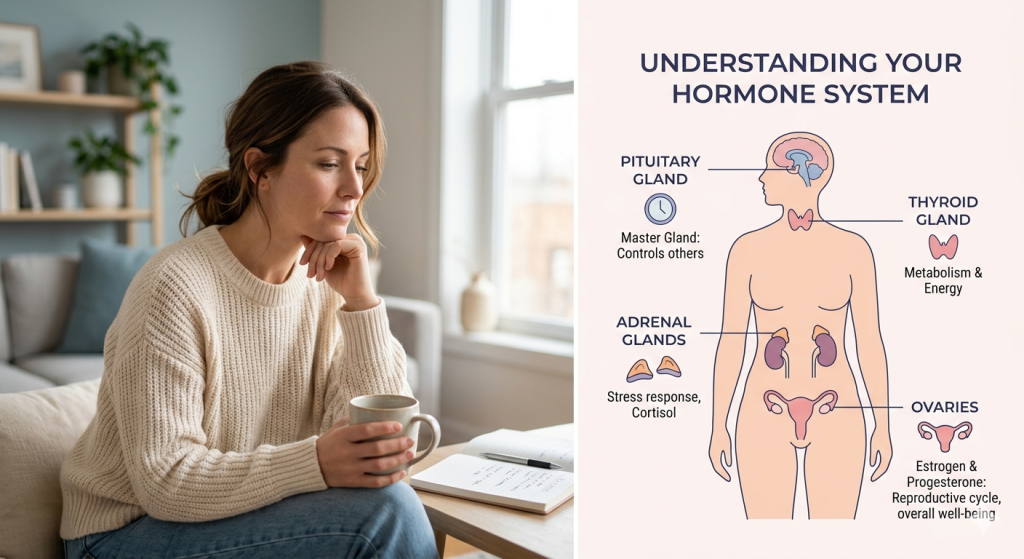
Introduction When your body starts behaving differently, it can feel unsettling. Maybe your periods have changed, your moods feel harder to steady, your sleep is broken, your skin is flaring, or you feel tired in a way that rest does not fix. Many of us wonder, quietly, “Is this hormones?” The causes of hormonal imbalance in women can include normal life stages, stress, thyroid problems, PCOS, perimenopause, medication effects, pregnancy-related changes, and other medical conditions. This guide explains what hormonal imbalance is, why it happens, the symptoms to watch for, what is common, and when it is safer to get checked. What Is Hormonal Imbalance? Hormonal imbalance means one or more hormones are higher, lower, or fluctuating in a way that affects how the body feels or functions. Hormones are chemical messengers. They help regulate periods, ovulation, fertility, mood, metabolism, sleep, temperature control, skin, hair growth, appetite, energy, and sexual well-being. Important hormones in women’s health include oestrogen, progesterone, testosterone, thyroid hormones, insulin, cortisol, prolactin, and reproductive hormones such as FSH and LH. A hormonal imbalance can affect women and people assigned female at birth at any age. It may happen during puberty, after stopping contraception, during pregnancy or after birth, during perimenopause and menopause, or because of conditions such as PCOS or thyroid disease. PCOS is described by the Office on Women’s Health as a condition involving hormonal imbalance and metabolism problems, affecting about 1 in 10 women of childbearing age. (Office on Women’s Health) PCOS Symptoms: What Irregular Periods May Be Telling You Why Does It Happen? The causes of hormonal imbalance in women are not always one single thing. Sometimes hormones shift during a normal transition. Other times, symptoms are a sign that something needs to be assessed. i. Life stage hormone changes Hormones naturally fluctuate across the menstrual cycle. Oestrogen and progesterone rise and fall each month, which can affect mood, energy, sleep, appetite, breast tenderness, discharge, and bleeding patterns. Perimenopause is another major hormone transition. Oestrogen can fluctuate unpredictably before periods stop, and this may cause hot flushes, night sweats, sleep disturbance, mood changes, brain fog, vaginal dryness, joint aches, heavier or irregular periods, and changes in libido. NICE guidance covers identifying and managing menopause, including premature ovarian insufficiency. (NICE) Pregnancy, miscarriage, abortion, breastfeeding, and the months after birth can also bring strong hormone shifts. These changes can affect bleeding, mood, hair shedding, sleep, skin, pelvic symptoms, and energy. ii. PCOS and ovulation problems PCOS is one of the common causes of hormonal imbalance in women, especially when symptoms include irregular periods, acne, increased facial or body hair, scalp hair thinning, weight changes, or difficulty getting pregnant. NHS guidance notes that women with PCOS may ovulate infrequently, leading to irregular or absent periods and fertility difficulties. (nhs.uk) iii. Thyroid problems The thyroid helps regulate metabolism, body temperature, heart rate, bowel habits, menstrual cycles, mood, and energy. An underactive thyroid may cause fatigue, weight gain, constipation, low mood, dry skin, hair thinning, heavy periods, and feeling cold. An overactive thyroid may cause anxiety, palpitations, weight loss, sweating, diarrhoea, tremor, lighter or irregular periods, and heat intolerance. iv. Stress, sleep, and blood sugar Stress does not “ruin” hormones overnight, but chronic stress, poor sleep, under-eating, over-exercising, alcohol, high caffeine intake, and unstable blood sugar can worsen symptoms. Cortisol, insulin, reproductive hormones, and thyroid function all interact. This is why the causes of hormonal imbalance in women often include both medical and lifestyle contributors. vi. Other possible medical causes Symptoms may also be linked to endometriosis, fibroids, adenomyosis, high prolactin, diabetes or insulin resistance, eating disorders, adrenal conditions, premature ovarian insufficiency, medication side effects, or gynaecological conditions affecting the womb or ovaries. Hormonal Acne: Causes and Treatment Options Signs and Symptoms Hormonal symptoms can be obvious, subtle, or easily mistaken for stress, burnout, ageing, or “just life.” Common symptoms include: Irregular periods Missed periods Heavy bleeding or flooding Bleeding between periods Painful periods Hot flushes or night sweats Mood swings, anxiety, irritability, or low mood Poor sleep or waking in the early hours Fatigue that feels out of proportion Brain fog or poor concentration Acne or oily skin Facial hair growth or scalp hair thinning Weight gain or difficulty losing weight Breast tenderness Low libido Vaginal dryness or pain with sex Headaches or migraines that follow a cycle Bloating, cravings, or appetite changes Palpitations or feeling shaky Feeling unusually cold or hot Constipation or diarrhoea Less obvious symptoms may include recurrent thrush-like irritation, urinary symptoms, joint aches, dry eyes, worsening PMS, emotional sensitivity, dizziness, and reduced exercise tolerance. What Is Normal and When to Pay Attention? Some hormonal changes are common, but “common” does not always mean “ignore it.” The key question is whether symptoms are new, worsening, disruptive, unusual for you, or linked with red flags. a. Common Changes These can be common but are still worth tracking: Mild PMS before a period Slight cycle variation from month to month Breast tenderness before bleeding Heavier or irregular periods during perimenopause Temporary cycle changes after illness, travel, stress, or stopping hormonal contraception Hair shedding after childbirth Mild hot flushes during perimenopause Mood changes that improve once bleeding starts b. Needs Urgent Attention Please seek urgent medical help or same-day advice if you have: Very heavy bleeding, soaking pads quickly, or passing large clots Bleeding after menopause Bleeding after sex Severe pelvic or abdominal pain Chest pain, shortness of breath, fainting, or sudden weakness Pregnancy with pain, bleeding, dizziness, or shoulder-tip pain New breast lump, nipple discharge, or skin changes Unexplained weight loss Symptoms of anaemia such as breathlessness, dizziness, racing heart, or extreme fatigue Severe mood changes, feeling unsafe, or thoughts of self-harm NHS guidance states that postmenopausal bleeding should be assessed and that people should be referred to a specialist clinic or hospital. (nhs.uk) ACOG also highlights that bleeding after menopause should be discussed with an obstetrician-gynaecologist. (acog.org) Evidence-Based Solutions Treatment depends on the cause, severity, age, pregnancy status, menopause stage, medical history, medication use, fertility

Hormonal Imbalance in Women: Causes & Symptoms Read More »

Why Do My Hormones Feel Out of Balance? Common Causes, Symptoms, and What May Help

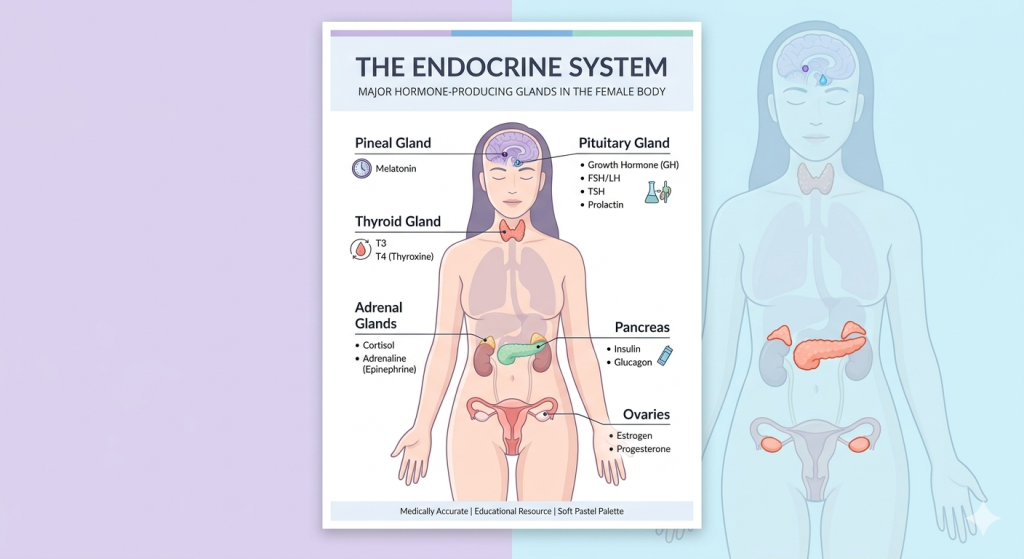
Who this article is for This article is for women who feel “not quite right” in their body and want a clearer, calmer explanation of what people often mean when they say their hormones feel out of balance. Have you been thinking, something feels off, but I cannot put my finger on it? Maybe your periods have changed, your skin is breaking out, your sleep is worse, or your mood feels less steady than usual. It is common to reach for the phrase “my hormones feel out of balance” when several symptoms seem to show up at once. That feeling is real, but the phrase itself can cover a lot of different things. Sometimes it points to a normal life stage, like perimenopause. Sometimes it reflects a specific health issue, such as PCOS or a thyroid condition. And sometimes it is a sign that your body needs a closer look rather than more guessing. Quick answer When your hormones feel out of balance, it usually means one or more hormones may be changing in a way that is affecting how you feel physically or emotionally. Hormones help regulate periods, ovulation, energy, temperature, skin, hair, and metabolism, so that shifts can show up in many ways. Some hormone changes are normal. Others are worth checking if symptoms are ongoing, disruptive, or new for you. What does this symptom or problem mean? Hormones are chemical messengers. They travel through the bloodstream and help control how different parts of the body work. Even small changes can affect big areas of daily life, including menstrual cycles, fertility, sleep, appetite, temperature regulation, and mood. That is why the feeling of being “off” can seem so broad and hard to describe. When women say their hormones feel out of balance, they often mean one of two things. The first is that they are noticing real symptoms that may be linked to hormone shifts. The second is that they are using a familiar phrase to describe a mix of changes that still need proper explanation. In other words, “hormones” may be part of the story, but the next step is figuring out which hormones, what kind of change, and whether it fits a normal pattern or a medical condition. This is important because the same general feeling can come from different causes. Irregular periods and acne may suggest one pattern. Fatigue, feeling cold, and heavier periods may suggest another. Hot flushes, broken sleep, and cycle changes may fit a different life stage entirely.              Hormonal Imbalance in Women: Signs, Causes, and When to Seek Help Why does it happen? It happens because hormones work like part of a communication network. The brain, ovaries, thyroid, adrenal glands, pancreas, and other organs all send and respond to signals. If one part of that system changes, the effects can ripple outward. For example, if ovulation is not happening regularly, oestrogen and progesterone patterns can become less predictable, which may affect periods, mood, and bleeding patterns. That is one reason women with PCOS often have irregular or absent periods. NHS guidance notes that women with PCOS may ovulate infrequently or not at all, which can make cycles irregular and affect fertility. If the thyroid is underactive, the body’s functions tend to slow down. This can manifest as fatigue, weight gain, dry skin, hair changes, heavier or irregular periods, and fertility problems. If the thyroid is overactive, body functions can speed up, sometimes causing heat intolerance, a fast heartbeat, shakiness, or weight loss. Hormonal shifts can also occur during life stages. Around menopause, for example, changes in ovarian hormone production can affect periods, sleep, temperature regulation, and mood. That does not mean something is “wrong,” but it can still have a real impact on daily life. Common causes or triggers Some of the most common reasons women feel hormonally “off” include: PCOS This is one of the most common hormone-related conditions in women. Common signs include irregular or absent periods, acne, excess hair growth, thinning hair, and fertility difficulties. Perimenopause or menopause This can cause changing periods, hot flushes, night sweats, mood changes, vaginal dryness, and sleep problems. Thyroid problems An underactive or overactive thyroid can affect energy, weight, temperature tolerance, mood, heart rate, hair, and menstrual patterns. Pregnancy and postpartum changes Hormone levels change dramatically during pregnancy and after birth, which can affect mood, bleeding patterns, body temperature, sleep, and energy levels. Hormone-related symptoms can overlap with normal postpartum recovery, so context matters. Raised prolactin in some cases Higher-than-normal prolactin can affect how the ovaries work and may cause menstrual changes or fertility problems. Hormonal contraception sometimes changes bleeding patterns. Some hormonal contraceptives can cause irregular bleeding or spotting, especially early on. The key point is that “hormones feel out of balance” is not one diagnosis. It is a starting point for understanding what pattern may be underneath. Related hormonal or body changes Hormone-related symptoms rarely come alone. They often travel in clusters, which is why paying attention to patterns can be so helpful. You might notice: periods becoming irregular, lighter, heavier, or stopping unexpectedly acne or oilier skin facial hair growth or hair thinning new sleep problems hot flushes or night sweats low mood, irritability, or feeling more emotionally sensitive unexplained weight changes feeling unusually cold or unusually hot lower sex drive trouble getting pregnant or signs that ovulation is irregular Simple biology sits underneath these changes. Ovarian hormones affect the menstrual cycle and reproductive tissues. Thyroid hormones affect how the body uses energy. Androgens can influence acne, hair growth, and scalp hair thinning. Prolactin can affect ovarian function. Once you see hormones as messengers rather than mysterious forces, the symptoms often make more sense. What Does Implantation Bleeding Look Like? Signs, Timing, and When to Check In What can make it worse? Even when an underlying cause needs medical attention, certain things can make symptoms feel more noticeable or harder to cope with. These can include: poor sleep big changes in routine ongoing

Why Do My Hormones Feel Out of Balance? Common Causes, Symptoms, and What May Help Read More »

Hormonal Imbalance in Women: Signs, Causes, and When to Seek Help

Introduction Have you ever felt as though your body is suddenly “off” and you cannot quite explain why? Maybe your periods have changed, your skin is breaking out, your sleep feels different, or your mood seems less steady than usual. It is very common to wonder, “Is this a hormonal imbalance?” That phrase gets used a lot, but it can feel vague and confusing. The good news is that it does have a real meaning. The more important part is understanding what hormones do, how changes can show up in daily life, and when a symptom is worth checking properly rather than guessing. Quick answer A hormonal imbalance means one or more hormones are too high, too low, or not working in the usual way for your body. Hormones help control things like periods, ovulation, metabolism, mood, sleep, and temperature regulation, so shifts can affect many parts of how you feel. Sometimes these changes are part of a normal life stage, but at other times they point to a condition that needs medical review. (MedlinePlus) What is Hormonal Imbalance? Hormones are chemical messengers made by glands in the endocrine system. They travel through the blood and help regulate important functions such as growth, metabolism, fertility, sexual function, mood, and energy use. Even a small change in hormone levels can affect how the body works. (MedlinePlus) When people say “hormonal imbalance,” they usually mean that hormone levels have shifted in a way that is causing symptoms. In women, this often refers to changes involving oestrogen, progesterone, testosterone or other androgens, thyroid hormones, insulin, or stress hormones. It can also be related to life stages such as puberty, pregnancy, perimenopause, and menopause. (Cleveland Clinic) It is worth remembering that hormones naturally rise and fall. So not every fluctuation is a problem. The question is whether the change fits a normal pattern or is causing symptoms that are persistent, disruptive, or unusual for you. Why does it happen? There is no single cause. Hormonal changes can happen for several reasons, and the cause depends on which hormone is involved. Common reasons include: Normal life stages such as puberty, pregnancy, postpartum changes, perimenopause, and menopause (MedlinePlus) PCOS, which can affect ovulation and androgen levels and often causes irregular periods, acne, and excess hair growth (nhs.uk) Thyroid conditions such as hypothyroidism or hyperthyroidism, which can affect weight, mood, energy, heart rate, and periods (MedlinePlus) Insulin resistance or metabolic changes, especially in conditions like PCOS (Cleveland Clinic) Certain medicines or health conditions, depending on your situation (MedlinePlus) In everyday life, many women use “hormonal imbalance” as a catch-all phrase for symptoms that may actually have different underlying causes. That is why it is important not to self-diagnose based on a single symptom. Signs or symptoms Symptoms vary widely because different hormones do different jobs. A change in estrogen will not always look the same as a thyroid problem or PCOS. Possible signs can include: irregular periods, missed periods, or very heavy bleeding acne or oily skin unwanted facial or body hair thinning hair or hair loss hot flushes or night sweats sleep problems mood changes low energy or fatigue unexplained weight change reduced sex drive vaginal dryness fertility difficulties or trouble ovulating (nhs.uk) Not all of these symptoms automatically mean a hormone disorder. For example, hot flushes and cycle changes are common around menopause, while acne and irregular periods may point more toward PCOS in some women. Thyroid problems can also mimic many other issues because thyroid hormones affect how the body uses energy. (NIDDK) A medically responsible reminder here: symptoms alone cannot tell you exactly which hormone is involved. Testing, timing, and a full clinical picture matter. What is normal, and when to pay attention Hormonal fluctuations are a normal part of being human. Menstrual cycles are not perfectly identical every month. Perimenopause can bring changing periods, sleep disruption, and temperature changes. Pregnancy and the months after birth also involve major hormonal shifts. (MedlinePlus) What deserves closer attention is when symptoms are: new and persistent getting worse interfering with daily life affecting your periods, fertility, sleep, or mental well-being paired with other body changes such as hair loss, excess hair growth, or rapid weight change Pay particular attention if your periods become very irregular, stop unexpectedly when pregnancy is not the reason, become unusually heavy, or are joined by symptoms such as acne, unwanted hair growth, or fertility difficulty. That pattern can sometimes be seen with PCOS, but it still needs proper assessment. (nhs.uk) It also helps to look for patterns rather than isolated bad days. Keeping a simple record of your cycle, sleep, mood, skin changes, headaches, and energy can make it easier to spot recurring patterns and help a doctor assess you.   When to speak to a doctor Speak to a doctor or qualified healthcare professional if: your periods have changed significantly you are missing periods and are not pregnant you are struggling with severe acne, excess hair growth, or hair thinning you have symptoms of menopause that are affecting daily life you have ongoing fatigue, weight change, or mood changes without a clear reason you are trying to conceive, and your cycles seem irregular something does not feel right, and it is not settling A doctor may ask about your cycle, symptoms, medications, and health history. Depending on the picture, they may suggest blood tests or other checks. Hormone testing is sometimes useful, but it is not always as simple as testing “all hormones” once, because some hormones naturally change during the month, and results need context. (MedlinePlus) Seek urgent medical advice if heavy bleeding is severe, you feel faint, have chest pain, or have other sudden or alarming symptoms. Key takeaway A hormonal imbalance is not a single diagnosis. It is a way of describing symptoms that may happen when hormones are too high, too low, or behaving differently than expected. Sometimes this is part of a normal life stage. Sometimes it is linked to conditions such as PCOS

Hormonal Imbalance in Women: Signs, Causes, and When to Seek Help Read More »