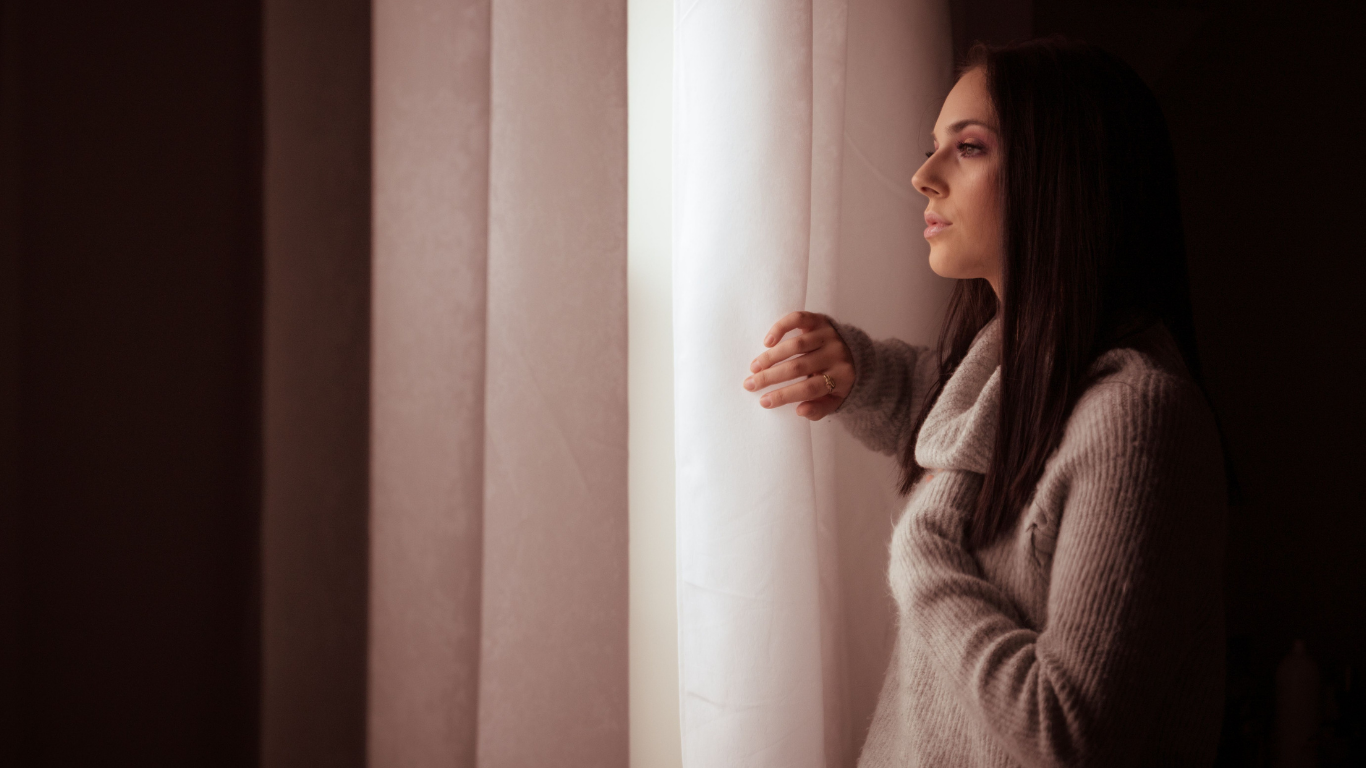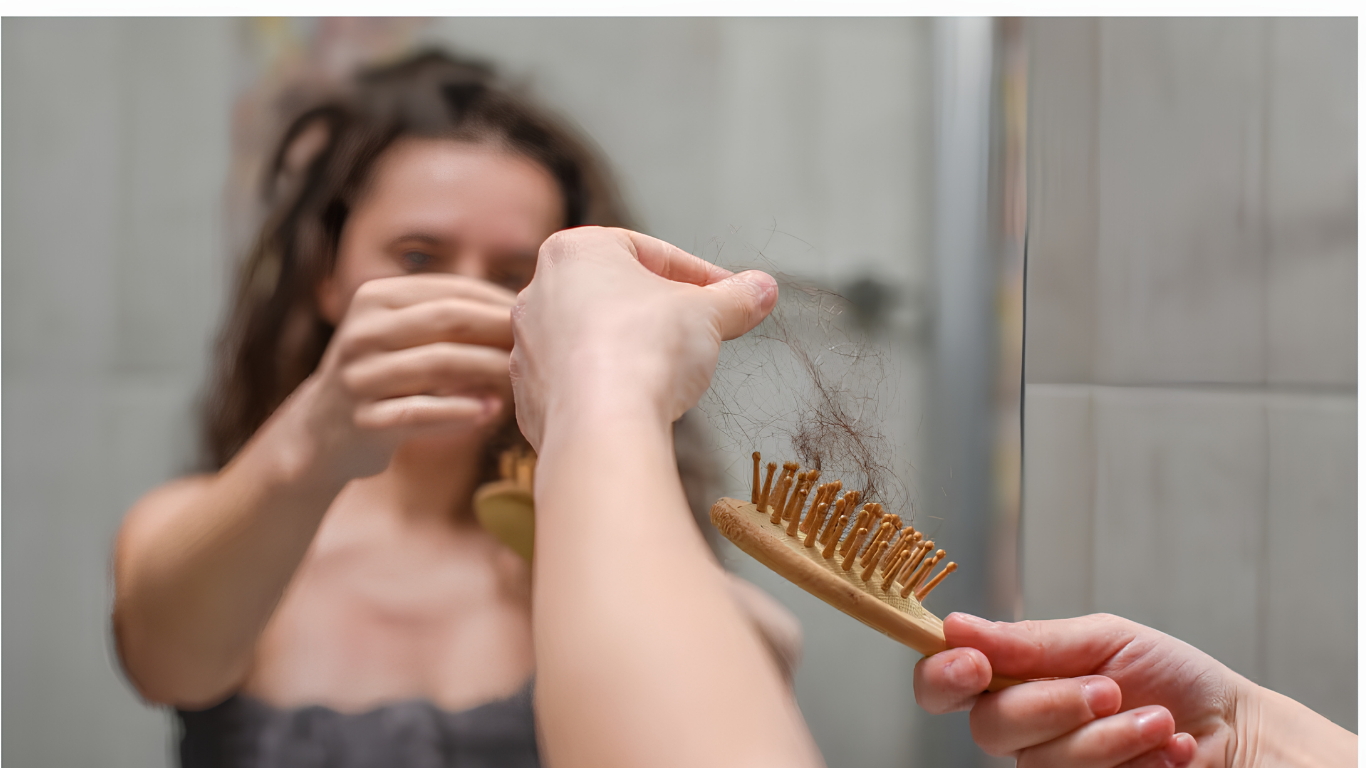


It may happen while you are getting dressed.
You reach for something you have worn many times before, but it no longer sits in quite the same way. Perhaps the waistband feels tighter, your breasts look different, or the shape in the mirror feels less familiar than it did a year ago.
You may change outfits several times before leaving the room. Not because there is anything wrong with your body, but because you are still learning how to recognise yourself in it.
Midlife can bring changes to weight, body shape, skin, hair, muscle, sleep, sexual comfort and energy. Some are connected to perimenopause and menopause. Others are influenced by ageing, health conditions, medication, daily routines, relationships and the amount of stress or responsibility you carry.
Recognizing that physical changes are only part of the story can help women feel validated and less alone in their experience, fostering a sense of understanding and acceptance.
Feeling comfortable does not have to mean loving every change. It can begin more quietly: with understanding, respect and a decision to stop treating your body as an enemy.
A Quick Answer
It is common for women to notice changes in body shape, weight, skin, hair, sexual desire and vaginal comfort during midlife. The NHS guide to menopause symptoms includes changes in body shape and weight, dry or itchy skin, hair thinning, vaginal dryness and reduced sex drive among the experiences that may occur during perimenopause and menopause.
Hormonal changes can contribute, but they do not explain everything.
Weight and body composition are also affected by genetics, muscle mass, sleep, activity, medication, health conditions, eating patterns and the natural changes that occur across adulthood. NICE notes that weight gain around menopause has a complex range of possible causes and is unlikely to be explained by perimenopause alone.
Understanding that cultural messages often suggest a woman’s value depends on remaining youthful and slim can empower women to challenge these ideas, fostering confidence and resilience.
You do not have to ignore physical changes. But you do not have to turn every change into a personal failure, either.
Why Your Relationship With Your Body May Be Changing
Midlife is not simply a biological transition but also a transition in identity, which can help women feel reassured that these changes are a normal part of life’s evolution.
The body you have known for decades may begin to feel more unpredictable. Sleep changes. Periods become irregular. Weight settles differently. The skin feels drier, and familiar forms of exercise may take longer to recover from.
At the same time, you may be moving through career pressure, parenting, caring for ageing relatives, relationship changes, grief or a growing awareness that your own needs have been pushed aside for years.
1. Weight and body shape may change
Some women gain weight during midlife, while others notice a change in where weight is carried even when the number on the scale remains similar.
Hormonal changes may influence fat distribution. However, reduced muscle mass, disrupted sleep, medication, activity levels, appetite, health conditions and ordinary age-related changes can also contribute. The Office on Women’s Health explains that lower oestrogen may play a role after menopause, but changes in metabolism, activity and muscle mass are also relevant.
Weight gain is not evidence that you have become careless. Nor does weight loss automatically mean that you are healthier.
Unintentional weight change, particularly when rapid or accompanied by other symptoms like fatigue or pain, should be assessed by a healthcare professional rather than dismissed as menopause.
2. Intimacy may feel different
Desire is influenced by far more than hormones.
Sleep deprivation, stress, relationship difficulties, medication, pain, low mood, body image and feeling emotionally unsupported can all affect sexual interest. The NHS notes that reduced libido has many possible causes and that identifying the underlying reason can help guide support.
Changing oestrogen levels may contribute to vaginal dryness or discomfort during sex. Exploring lubricants, pelvic floor exercises, or talking with a healthcare provider can support intimacy and comfort.
This is not a failure of attraction or femininity. It may be a physical comfort issue that deserves care.
3. Confidence may become less straightforward
Perhaps you once knew exactly what suited you. Now familiar clothes feel uncomfortable, photographs catch you off guard, and compliments are harder to accept.
Confidence may also be affected by experiences that have little to do with appearance. Fatigue, brain fog, caring responsibilities, workplace invisibility, relationship strain and persistent symptoms can all make you feel less connected to yourself.
Sometimes discomfort with the body is really grief for an earlier stage of life or anger at societal expectations. Acknowledging these feelings can help you process and find acceptance.
Both feelings can exist alongside gratitude for what your body has survived.
What It Can Look Like in Everyday Life
Body discomfort rarely remains confined to the mirror.
You may stop attending social events because nothing feels right to wear. You might avoid swimming, exercise classes or intimacy because being seen feels exposing.
You may spend more time checking your stomach, skin or hair, comparing yourself with old photographs or promising that you will enjoy life properly once your body changes again.
It can also affect relationships. A partner may interpret withdrawal as rejection, while you are quietly managing dryness, embarrassment, fatigue or a loss of confidence.
At work, you may choose clothes that hide rather than support you. At home, you may avoid being photographed with your family even though those photographs would later hold far more meaning than the size of your body.
These are not trivial concerns. Body image influences how comfortably you take up space in your own life.
Challenging some unhelpful assumptions
A changing body does not mean:
- You have stopped caring for yourself.
- You need to become smaller before buying comfortable clothes.
- Every weight change is caused by menopause.
- Intimacy should remain the same throughout life.
- Pain during sex is something you must tolerate.
- Confidence must depend on liking every part of your appearance.
- Health can be judged by body size alone.
- Ageing makes you less feminine, less desirable, or less worthy of attention.
- You need a strict routine to “get your body back”.
Your body has not gone anywhere. It is still here, carrying you through a different stage of life.
Ways to Feel More at Home in Your Body
These suggestions support general wellbeing and body comfort. They are not substitutes for medical assessment or personalised treatment.
1. Dress the body you have today
Clothes that pinch, rub or require you to hold your breath can keep you physically aware of your body all day.
Consider choosing:
- Soft, breathable fabrics
- Waistbands that move with you
- Supportive bras fitted to your current shape
- Shoes that feel stable and comfortable
- Layers for changing body temperature
- Colours and styles that feel like you now
Buying clothes that fit is not giving up. It is allowing your current body to participate fully in your life.
2. Shift from body judgement to body information
Try to notice what your body is communicating without immediately turning it into criticism.
Instead of “I look terrible,” the more useful information may be:
- My skin feels dry.
- This bra is uncomfortable.
- I am bloated today.
- I feel tired and vulnerable.
- I do not feel like being photographed.
- I need clothing that fits differently.
- I am comparing myself with an earlier version of me.
This does not force positivity. It creates enough space to respond with care rather than punishment.
3. Move for support, not repayment
Movement can support mood, mobility, sleep, muscle strength, heart health and confidence. NHS menopause guidance recommends regular exercise, including weight-bearing and resistance activities, as part of looking after health during this transition.
Choose movement that helps you feel present in your body. Walking, dancing, swimming, stretching, gardening and strength exercises all count.
Exercise does not need to repay food or earn rest. It can simply help you feel steadier, stronger or more connected to yourself.
4. Make intimacy wider than intercourse
Intimacy can include affection, conversation, kissing, massage, humour, shared rest and touch that does not have to lead anywhere.
When sexual activity is wanted, take time. Lubricants and vaginal moisturisers may help with mild dryness, while persistent discomfort may require professional treatment. ACOG advises seeking medical guidance when vaginal moisturisers or lubricants are not enough.
Prescription options may include vaginal oestrogen or other treatments. Hormone therapies and medicines for low desire require individual assessment and should not be bought or used without appropriate guidance. The NHS menopause treatment guide explains that low libido can have several causes and that specialist-prescribed testosterone may help some women.
You never have to endure pain to preserve a relationship.
5. Reduce the voices that make you feel inadequate
Pay attention to how you feel after scrolling through social media, reading beauty content or spending time with people who constantly discuss diets and appearance.
You may benefit from:
- Unfollowing accounts that trigger comparison
- Following women with varied bodies and ages
- Avoiding conversations centred on weight loss
- Asking healthcare professionals not to announce your weight unless medically needed
- Setting boundaries around comments about your body
- Removing clothing that repeatedly makes you feel ashamed
Your environment shapes your body image. Curating it is not avoidance; it is care.
It is worth getting support if…
- Thoughts about your body are taking up a large part of your day.
- You avoid eating, socialising, intimacy or medical appointments because of your appearance.
- You are frequently checking, measuring or weighing your body.
- You regularly overeat, restrict food intake, purge, or exercise compulsively.
- Weight changes are rapid, unexplained or accompanied by other symptoms.
- Sex is painful or vaginal dryness is affecting daily comfort.
- You have bleeding during or after sex.
- Low desire is causing distress or relationship difficulty.
- Low mood, anxiety or shame is affecting your quality of life.
- You feel pressured into sexual activity.
- You are considering unregulated weight-loss, hormone or cosmetic treatments.
- You feel hopeless or have thoughts of harming yourself.
When Professional Support May Help
There is no single professional for every body concern.
A GP, nurse practitioner or menopause specialist can assess physical changes, review medication and explore whether symptoms such as weight change, fatigue, dryness or reduced desire need further investigation.
A pelvic health physiotherapist may help when pelvic pain, muscle tension, bladder symptoms or discomfort with penetration are part of the picture.
A registered dietitian can offer individualised nutrition support without relying on extreme restriction. A therapist may help you explore body image, ageing, sexuality, grief or disordered eating.
Couples counselling or psychosexual therapy may help when intimacy has become difficult to discuss. This does not mean the problem is “all in your head”. Physical comfort, emotional safety and communication often influence one another.
Treatments requiring professional guidance may include:
- Hormone replacement therapy
- Vaginal oestrogen
- Prescription treatments for vaginal symptoms
- Medicines that affect libido
- Treatment for thyroid, metabolic or other health conditions
- Structured support for eating disorders
- Prescription weight-management treatments
- Psychological or psychosexual therapy
No treatment should be presented as a way to make your body acceptable. The purpose is to support health, comfort and quality of life.
Conclusion
Feeling comfortable in a changing body is rarely a single moment of acceptance.
Some days you may feel strong and at ease. On others, an unflattering photograph, a tight waistband or an intimate moment may bring old insecurities rushing back.
You do not need to pretend that appearance does not matter to you. You also do not need to hand it complete control over your life.
Your body may change in ways you did not choose. You still have choices about how you speak to it, dress it, move it, nourish it and ask others to treat it.
Comfort may begin with a bra that fits, an honest conversation, a medical appointment, or the decision to stop postponing joy until your body changes.
The aim is not to fix yourself. It is to build a relationship with your body that is spacious enough to include change, discomfort, pleasure, grief and respect.
When to Speak to a Healthcare Professional
Arrange an appointment if you have:
- Persistent or unexplained weight loss or weight gain
- New swelling or abdominal enlargement
- Ongoing pain during sex
- Vaginal dryness, burning or recurrent urinary symptoms
- Bleeding after sex
- Bleeding after 12 months without periods
- Persistent low mood or anxiety
- A major change in appetite or eating habits
- Reduced sexual desire that is causing distress
- Symptoms that began after starting a medicine
- Physical changes that feel unusual for your body
Seek urgent medical support if you experience severe pelvic or abdominal pain, heavy uncontrolled bleeding, symptoms of an allergic reaction, or thoughts of harming yourself.
If you feel unsafe or pressured in a relationship, contact a trusted healthcare professional or specialist domestic abuse service when it is safe to do so.
Frequently Asked Questions
1. Is weight gain inevitable during menopause?
No. Not every woman gains weight, and menopause is not the only factor involved.
Hormonal changes may affect fat distribution, while muscle mass, sleep, activity, medication, health conditions, genetics and eating patterns may also influence weight.
2. Why do I feel uncomfortable in my body even when it has not changed much?
Body image is influenced by mood, stress, relationships, cultural messages, identity and how visible or valued you feel.
You may be experiencing a shift in self-perception rather than a dramatic physical change. That experience is still real and worthy of support.
3. Is it normal to lose interest in sex during midlife?
Sexual desire can change during midlife, but there is no single “normal” level of desire.
Hormonal changes, vaginal discomfort, poor sleep, medication, stress, depression, relationship difficulties and body image may all contribute.
Seek help when the change is distressing, sudden or affecting your wellbeing or relationship.
4. What can help with vaginal dryness?
Vaginal moisturisers may support regular comfort, while lubricants can reduce friction during sexual activity.
Persistent dryness, burning, urinary symptoms or painful sex should be discussed with a healthcare professional. Prescription treatments, including vaginal oestrogen, may be appropriate for some women.
5. Do I need to love my body to have a healthy body image?
No.
Body respect can be a more realistic starting point than body love. You can feed, dress, move and care for your body even on days when you do not feel positive about its appearance.
6. How can I talk to my partner about body changes?
Choose a calm time and describe what you are experiencing rather than assuming your partner already understands.
You might explain that you need more time, different types of touch, reassurance, practical support or less pressure around sex. Professional counselling can help when the conversation feels difficult or repeatedly leads to misunderstanding.
Key Takeaways
- Midlife can change weight, body shape, skin, hair, sexual comfort and the way you see yourself.
- Hormones may contribute, but health, medication, routines, relationships and cultural pressure also matter.
- Body discomfort is not shallow or vain; it can affect intimacy, confidence and participation in daily life.
- Weight and appearance do not provide a complete picture of health.
- Pain during sex and persistent vaginal symptoms deserve assessment.
- Comfortable clothing, supportive movement and kinder self-observation can make daily life easier.
- Medical, nutritional or psychological support may help when concerns are persistent or distressing.
- You do not have to love every change to treat your body with respect.
Medical Disclaimer
This article is for educational purposes only and does not replace personalised medical advice, diagnosis or treatment. If you are worried that your symptoms are getting worse, or if something does not feel right in your body, please speak with your doctor, nurse practitioner, gynaecologist, endocrinologist, or another qualified healthcare professional. Seek urgent medical help for severe, sudden or concerning symptoms.