
Nike’s Story: Age: 52
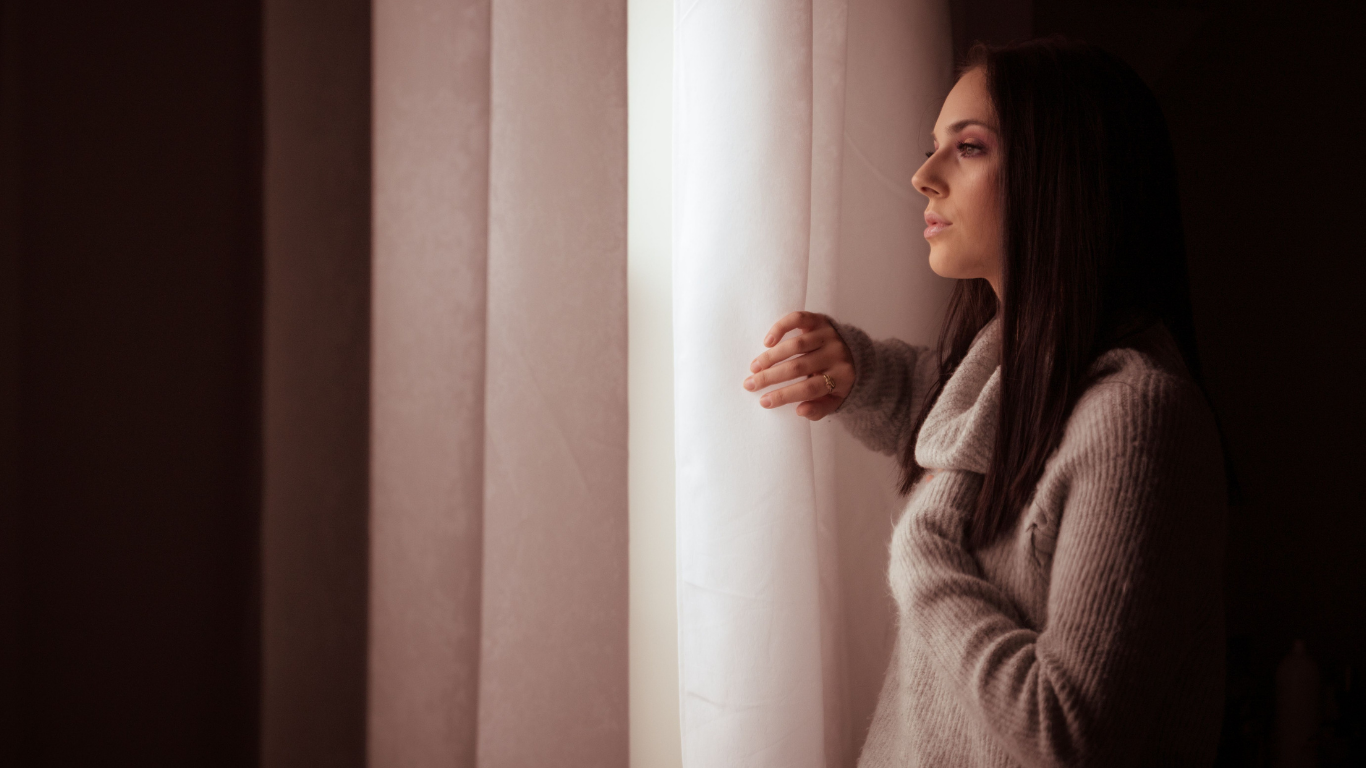
I was standing at the bar last month, trying to catch the bartender’s eye, when a younger woman beside me got served before I’d even finished my sentence. It wasn’t rude, not really. I don’t think he even noticed me standing there. That’s the thing that got me. Not the rudeness. The not noticing.
I mentioned it to my husband later, half joking, and he looked genuinely confused, like it hadn’t occurred to him that this might be a thing that happens now. I didn’t push it. It’s hard to explain something that isn’t really about one moment at a bar, but about a hundred small moments like it, stacking up quietly over a couple of years.
I used to walk into a room and feel, without thinking about it, that I took up a certain amount of space. Not loudly, just naturally. These days I sometimes feel like I have to remind a room I’m in that I’m there. At work, I’ve noticed younger colleagues’ ideas getting picked up faster than mine, even when we’re saying similar things. At family gatherings, conversation seems to swirl around me rather than through me.
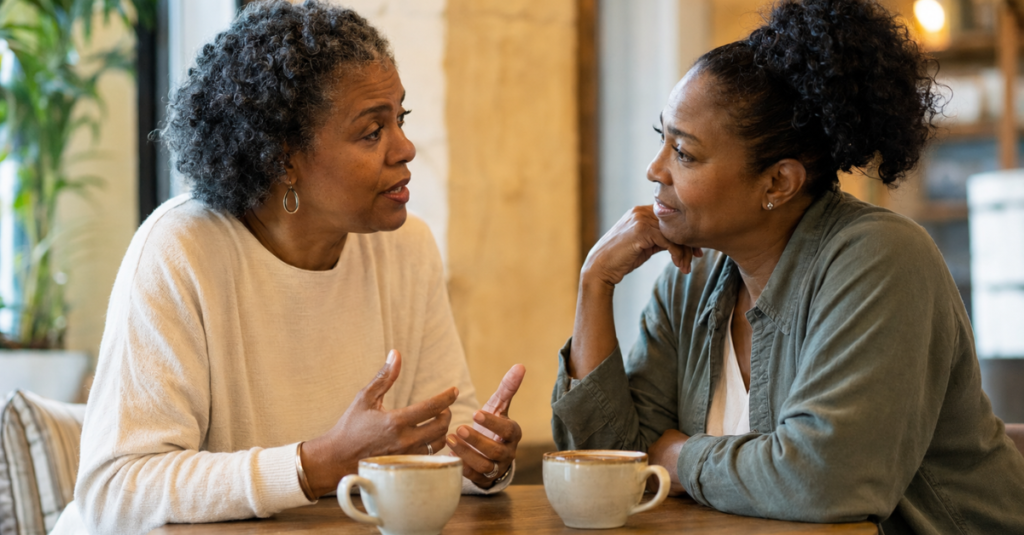
For a while I thought it was just me being oversensitive, or tired, or imagining things. Then I started talking to other women my age, carefully, over coffee, the way you test whether a feeling is safe to say out loud. And nearly every one of them had a version of the same story. The bar, the meeting, the family dinner. The quiet sense of fading from view while still standing right there.
Looking Back
I think, for a long time, I linked my sense of being seen to being useful, attractive, or needed in an obvious way. When those things started to shift, quietly, as they do in midlife, I mistook it for disappearing rather than changing shape.
I also think our culture doesn’t do us any favours here. There aren’t many stories about women my age that aren’t about loss. Loss of youth, loss of fertility, loss of relevance. No wonder it feels like invisibility. We’ve barely been given the language for anything else.
What Helped Me
Saying it out loud, to the right people, helped more than anything. Once I stopped treating it as an embarrassing private feeling and started naming it plainly, “I feel a bit invisible lately,” other women met me with recognition instead of surprise.
I also started paying closer attention to the women further ahead of me, the ones in their sixties and seventies who seem entirely unbothered by whether a room notices them or not. Watching them, I began to wonder if what I was calling invisibility might actually be the early, uncomfortable stage of something else. Freedom, maybe.
Small acts of self-assertion helped too. Speaking a beat sooner in meetings. Not stepping back at the bar. Little things, but they added up.
What I Wish I’d Known
I wish I’d known this feeling has a name, even if it’s not an official one, and that it isn’t a personal failing or evidence that I’m fading away. It’s a well documented experience shared by a great many women at this stage of life.
I also wish I’d known that visibility on other people’s terms was never something I should have staked my worth on in the first place, even back when I had plenty of it.
Reflection
I still notice the moments. The overlooked comment, the quick glance that lands elsewhere. But I notice them differently now, with less shame and more company, if that makes sense. I’m not invisible. I’m just being seen by fewer people who don’t matter, and more clearly by the ones who do.