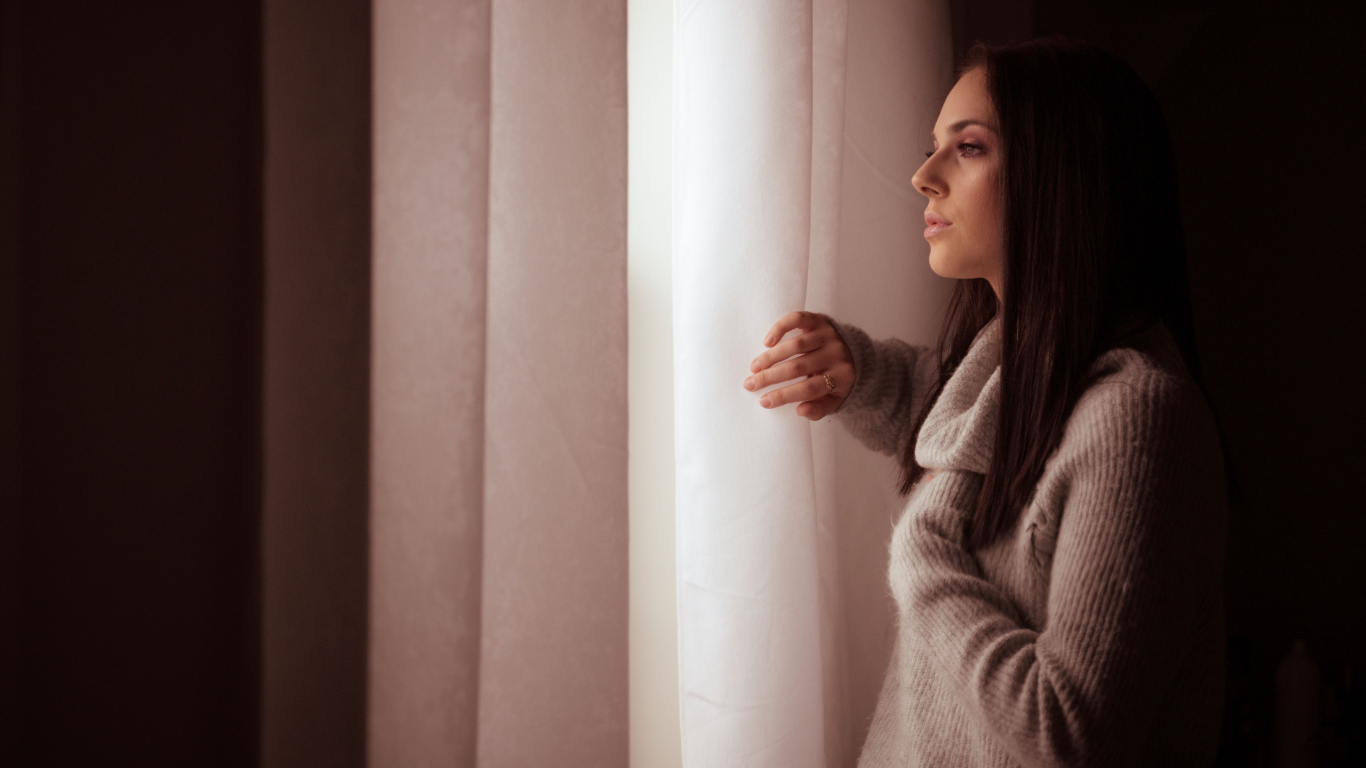


Perhaps your period arrives earlier than expected, or you wake at 3 a.m. without reason, highlighting the need to notice subtle early signs of perimenopause. You may also feel unusually irritable with people you normally enjoy, which can be an initial clue.
These can be among the first signs of perimenopause, the natural transition leading towards menopause. Recognising these subtle changes early can help you feel more in control and prepared to seek support.
Understanding what may be happening can help you feel less confused and more confident in managing your health. Keeping records of your symptoms can support your conversations with healthcare providers.
What is perimenopause?
Perimenopause is the time when the body begins moving towards menopause, and the ovaries gradually change how they release eggs and produce hormones. Hormone levels can rise and fall unevenly, which is why symptoms may appear, disappear and change from month to month.
According to the World Health Organisation, perimenopause usually begins with changes in the menstrual cycle and ends one year after the final period. It can last several years, although every woman’s experience is different.
Menopause is confirmed after 12 consecutive months without a period, provided there is no other cause for the bleeding to have stopped.
Perimenopause commonly begins in the 40s, but it may start earlier. Surgery involving the ovaries, certain medical treatments and some health conditions can also affect when and how the transition begins.
What are the first signs of perimenopause?
There is no single symptom that definitively indicates perimenopause. Instead, a combination of changes like disrupted sleep, mood shifts, or hot flashes can signal the transition and help women recognise the pattern.
Your periods begin to change
A change in your usual menstrual pattern is one of the most common early signs. Your periods may:
- Arrive earlier or later than expected
- Become heavier or lighter
- Last for more or fewer days
- Be missed occasionally
- Become more or less painful
The Office on Women’s Health explains that periods during this transition may become more frequent or less frequent, as well as longer, shorter, heavier or lighter.
However, changing periods are not always caused by perimenopause. Pregnancy, stress, thyroid problems, fibroids, medication and other health conditions can also affect bleeding. If pregnancy is possible, consider taking a pregnancy test.
Sleep feels less reliable
You may struggle to fall asleep, wake repeatedly or find yourself wide awake much earlier than usual. Night sweats can disturb sleep, but some women experience insomnia without feeling hot.
Poor sleep can have a ripple effect. You may feel less patient, more emotional or mentally foggy the next day. Work that once felt manageable may require far more effort.
You experience hot flushes or night sweats
A hot flush can feel like a sudden wave of heat spreading through the face, neck or chest. It may be accompanied by sweating, a racing heartbeat, dizziness or a chilled feeling afterwards.
At night, the same reaction can leave clothing or bedding damp. Not every woman experiences hot flushes, and for some they do not begin until later in the transition.
Your mood or emotional responses shift
Perimenopause can affect emotional wellbeing. You might feel more anxious, tearful, irritable or overwhelmed, even when your circumstances have not obviously changed.
These feelings are real, but hormones may not be the only influence. Interrupted sleep, caring responsibilities, work pressure, relationship strain and other midlife changes can all contribute.
Persistent sadness, severe anxiety, hopelessness or thoughts of harming yourself need prompt professional support. Contact a healthcare provider, crisis service or emergency service in your country.
Concentration and memory feel different
You may lose your train of thought, struggle to find a familiar word or walk into a room and forget why you are there. These experiences are often described as “brain fog”.
The NHS overview of perimenopause symptoms includes changes in memory and concentration. Sleep loss and stress can make these difficulties worse, so it is worth looking at the whole picture rather than blaming yourself.
Your body feels unfamiliar
Other early changes can include:
- Breast tenderness
- Headaches or changes in migraine patterns
- Aching muscles or joints
- Changes in sexual desire
- Vaginal dryness or discomfort during sex
- A greater need to urinate
- Changes in skin or hair
- Heartbeats that feel unusually noticeable
These symptoms can have many possible causes. A new or troubling symptom should not automatically be attributed to perimenopause without appropriate medical advice.
How early changes can affect everyday life
Perimenopause does not happen separately from the rest of your life. Poor sleep may affect your confidence at work. Vaginal discomfort or changing desire may create distance in a relationship. Irritability can leave you feeling guilty, while brain fog may make you question abilities you have trusted for years.
There may also be a quieter identity shift. Some women feel unsettled by ageing or changes in fertility. Others feel relief, curiosity or a stronger desire to reconsider their priorities and purpose.
There is no correct emotional response. Recognising that this transition can affect the whole person—not only her periods-can help you feel understood and validated in your experience.
How can you tell if it is perimenopause?
There is no single home test that can reliably confirm perimenopause. Because hormone levels may fluctuate, one blood test does not always provide a clear answer.
A healthcare professional will usually consider your:
- Age and menstrual pattern
- Symptoms and how they affect daily life
- Pregnancy possibility
- Medication and contraceptive use
- Personal and family health history
- Need for an examination or other tests
Hormonal contraception can change or stop periods, making the transition harder to recognise. Pregnancy may still be possible during perimenopause, so discuss contraception with a qualified healthcare professional rather than stopping it based on symptoms alone.
If symptoms start before age 45, especially with irregular or stopped periods, seeking medical advice early is crucial. Prompt consultation can help address potential impacts on bone, heart, and reproductive health.
You May Like to Read This: Why Is My Cycle Suddenly Shorter? Early Hormonal Changes in Your 40s
When should you speak with a healthcare professional?
Arrange an appointment if symptoms affect your sleep, relationships, emotional wellbeing, work, or quality of life. You do not have to wait until they become unbearable.
Seek medical advice promptly if you experience:
- Bleeding between periods or after sex
- Very heavy bleeding or bleeding that lasts unusually long
- Severe or worsening pelvic pain
- Dizziness, weakness or breathlessness alongside heavy bleeding
- Any vaginal bleeding after 12 months without a period
- A new symptom that is sudden, persistent or worrying
The American College of Obstetricians and Gynaecologists advises discussing changes that interfere with everyday life or feel unusual for you. Available tests, treatments and referral pathways vary between countries, but a doctor or other qualified healthcare provider can help rule out other causes and discuss suitable options.
What you can do now
Start by keeping a simple record for several weeks or months. Note your periods, sleep, mood, hot flushes, headaches and anything else that feels different. Include how strongly each symptom affects your day.
You can also:
- Protect your sleep with a regular routine and a cool, comfortable bedroom.
- Eat regular, balanced meals and notice whether alcohol, caffeine or spicy foods worsen symptoms.
- Include movement that supports your mood, muscles, heart and bones.
- Use a vaginal moisturiser or water-based lubricant if dryness is causing discomfort.
- Tell trusted people what you are experiencing instead of carrying it alone.
- Take your symptom record and questions to a healthcare appointment.
Perimenopause can feel disorienting, especially when the changes are subtle. But noticing patterns is not “making a fuss”. It helps you understand your body, protect your health, and ask for the support you deserve.