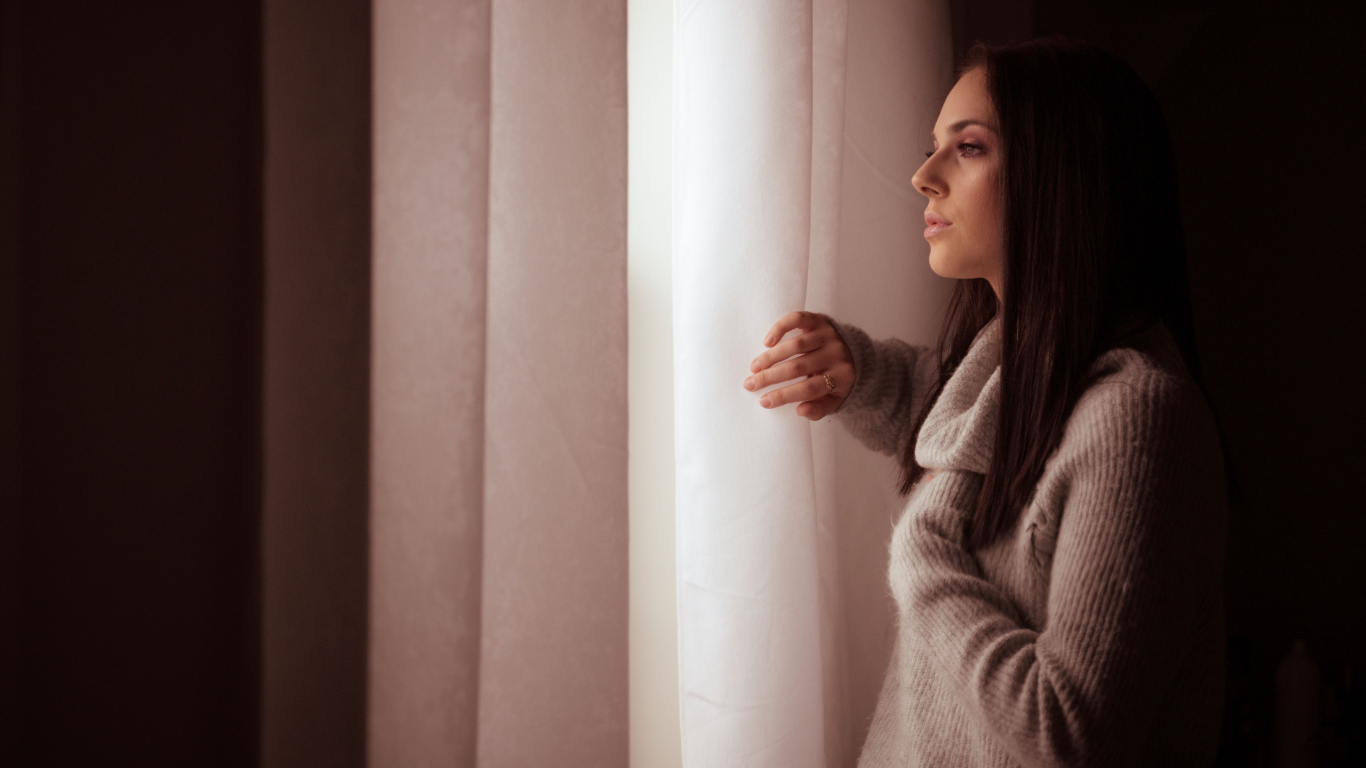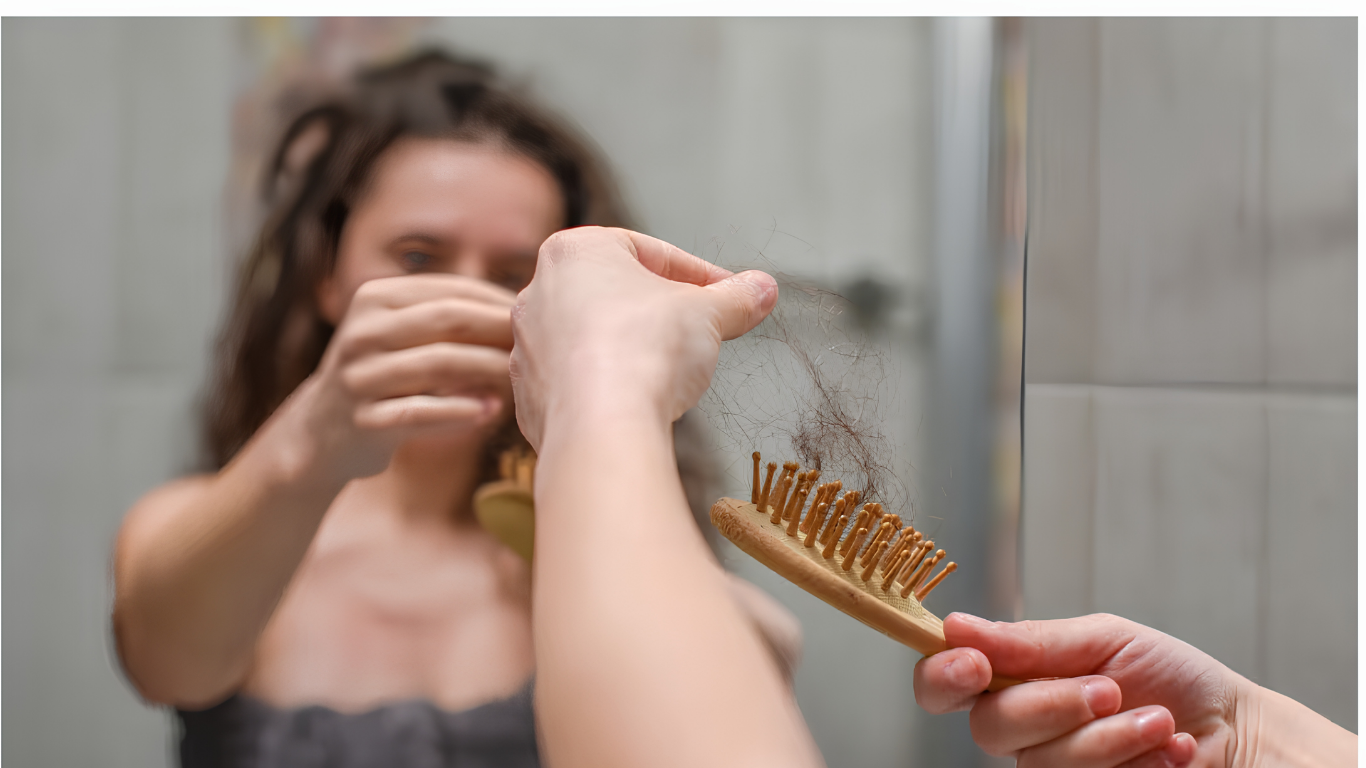


You have been holding everything together through a difficult week, sleeping badly and carrying a list of worries that never quite leaves your mind. Then your period arrives several days early, giving you one more thing to think about.
Can stress make your period come early? Yes, stress can affect menstrual timing, including earlier bleeding. However, an early period does not prove that stress caused it, and unexpected bleeding is not always a period. health.clevelandclinic.org
Understanding that distinction can help you decide what to track, what might be a temporary change and when it is worth speaking with your GP.
Key Takeaway
Stress can disrupt the hormonal signals involved in your menstrual cycle, making bleeding less predictable. However, significant stress is often associated with delayed or missed periods, so an early bleed should not automatically be labelled “stress-related”. Pay attention to whether it resembles your usual period, whether the change repeats and whether you have other symptoms. health.clevelandclinic.org
How Does Stress Affect Your Menstrual Cycle?
Your menstrual cycle depends on communication between your brain and ovaries. A part of the brain called the hypothalamus sends signals that influence the pituitary gland, which in turn helps regulate ovarian activity and the production of reproductive hormones.
This system is sensitive to stress. When your body responds to sustained pressure, stress hormones such as cortisol can interfere with the signals that help coordinate ovulation and menstruation.
The effect isn’t the same for everyone. Your periods may become lighter, later or less predictable, and substantial ongoing stress can sometimes contribute to periods stopping altogether. You can’t determine your cortisol level or identify a specific hormone problem from the timing of one bleed. health.clevelandclinic.org
This connection does not mean you have failed to manage your emotions. It means that psychological strain can have physical effects, and both deserve care.
Stress Does Not Always Feel Dramatic
You may associate stress with a crisis, but it can also build from ordinary pressures that leave little room to recover.
Perhaps you are covering extra shifts, caring for a parent, worrying about money or managing tension at home. Even a welcome change, such as moving house or preparing for a wedding, can feel demanding.
Stress may show up as irritability, difficulty concentrating, changes in appetite or disturbed sleep, rather than a clear feeling of being overwhelmed. These symptoms provide useful context, although they cannot confirm the cause of a menstrual change. NHS
Can Stress Make Your Period Come Early Rather Than Late?
Stress can contribute to irregular timing, including an earlier bleed, but no dependable rule says a particular stressful event will bring your period forward by a certain number of days.
Cleveland Clinic explains that extreme or chronic stress can disrupt the hormones that regulate ovulation and menstrual timing, potentially delaying a period or bringing it on earlier. Its more detailed guidance on stress and menstruation emphasises delayed, light or absent periods. Together, these points support a careful answer: stress can affect timing, but an early period alone cannot establish the cause. health.clevelandclinic.org
If you had an argument yesterday and started bleeding today, the timing may feel connected. That sequence is worth noting, but it is not enough to conclude that the argument triggered your period.
What Counts as an Early Period?
An early period starts sooner than your usual pattern suggests, not simply before an app predicted it.
The NHS describes regular adult menstrual cycles as 21 to 35 days. A 24-day cycle may therefore fall within the usual range, even if you are accustomed to a 28-day cycle. Cycle length is measured from the first day of one period to the day before the next begins. NHS
For example, if your period starts on 1 March and your next starts on 25 March, that is a 24-day cycle.
A calendar prediction can be useful, but it is still an estimate. What matters is the pattern over time, the nature of the bleeding and how you feel.
Is It an Early Period or Bleeding Between Periods?
When blood appears unexpectedly, it is understandable to assume your next cycle has begun. However, bleeding outside your usual period may have a different explanation.
Ask yourself:
- Does this resemble my usual flow and duration?
- Is it only a small amount when I wipe?
- Does it stop quickly, then return?
- Did it happen after sex?
- Have I recently started or changed contraception?
- Is pregnancy possible?
These observations help describe the bleeding, but they cannot reliably identify its cause.
Hormonal contraception, fibroids, polyps and sexually transmitted infections can cause bleeding between periods. Bleeding after sex can also come from changes affecting the cervix or vaginal dryness. The NHS advises having bleeding between periods or after sex checked by a GP or sexual health clinic. NHS
For more on this distinction, read Bleeding Between Periods: Common Causes and When to Get Checked.
What Else Can Make Your Period Arrive Earlier?
Stress may be part of the picture, but it shouldn’t close the conversation before other possibilities are considered.
Changes in Contraception
Starting or changing hormonal contraception can alter bleeding patterns. Depending on the method, you may experience spotting, irregular bleeding or no bleeding at all.
Tell your clinician which method you use, when you started it and whether you have missed any doses. Bleeding while using hormonal contraception may not represent a natural menstrual period. NHS
Perimenopause
During perimenopause, periods may become more frequent or less frequent, with lighter or heavier bleeding. Hot flushes, night sweats, disrupted sleep, and mood changes may occur alongside menstrual changes.
Because stress and perimenopause can share symptoms, it is easy to attribute everything to a difficult season of life. Your age, bleeding pattern and wider symptoms all help your GP assess what might be happening. NHS
You may also find Why Is My Menstrual Cycle Getting Shorter in My Late 30s? helpful.
Weight Changes, Exercise and Thyroid Problems
Substantial weight changes, excessive exercise and thyroid problems can affect menstrual regularity. Mention changes in eating, training, weight or general health during your appointment, particularly if you also feel unusually tired or otherwise unwell.
These factors can overlap with stress, so there may be more than one relevant change to discuss. NHS
Pregnancy-Related Bleeding
Bleeding does not always rule out pregnancy. Some pregnancy-related bleeding can be mistaken for a period, including bleeding associated with an ectopic pregnancy. NHS
If pregnancy is possible, follow the test instructions carefully. Most home tests are reliable from the first day of a missed period; if you do not know when your period is due, the NHS recommends testing at least 21 days after your last unprotected sex. A negative result taken too early may need repeating. NHS
What Should You Do When Your Period Comes Early?
Record What Has Changed
Make a brief note of:
- When the bleeding started and stopped.
- How heavy it was compared with your usual period.
- Any spotting, clots or bleeding after sex.
- Pain and other symptoms.
- Contraception or medicine changes.
- Recent stress, illness, weight changes or increased exercise.
Keep spotting separate from your usual period entries when possible. You do not need an elaborate tracking system; a few accurate notes can make an appointment easier.
Support Yourself Through the Stress
It is reasonable to address stress while arranging any assessment you need. Choose something manageable, such as a short walk, a breathing exercise or a conversation with someone who can help you carry part of the load.
If stress is affecting your daily life or your efforts aren’t helping, speak with your GP. NHS talking therapies may also be available, with self-referral offered in England. NHS
You do not have to create a perfect evening routine before you deserve support. Sometimes the most useful change is practical help with the pressure itself.
Avoid Trying to Force Your Cycle Back to 28 Days
A shorter cycle doesn’t automatically require treatment, and 28 days isn’t a target every woman needs to reach.
There is also no reliable deadline for when a stress-affected cycle will return to its previous pattern. Tracking can help, but persistent changes deserve assessment rather than repeated attempts to explain them away.
When Should You Speak With a Doctor?
The NHS guidance on irregular periods recommends speaking with a GP when your normal menstrual pattern changes.
Arrange an appointment if:
- Your periods repeatedly arrive earlier or become unpredictable.
- Your periods are less than 21 days apart.
- Bleeding lasts longer than seven days.
- You have bleeding between periods or after sex.
- Bleeding becomes heavier, more painful or difficult to manage.
- You are concerned about fertility or possible pregnancy.
You don’t need to wait several months if something feels significantly different or worries you. NHS
Any vaginal bleeding after 12 months without a natural period also needs medical assessment, even if it is only a small amount. NHS
When to Seek Urgent Help
Seek emergency care if you are soaking through pads or tampons every hour for more than two hours and feel dizzy or lightheaded, particularly with breathlessness or chest pain. Do not wait to reach a particular bleeding threshold if you feel seriously unwell. ACOG
If pregnancy is possible, unusual bleeding with one-sided lower abdominal pain or shoulder-tip pain needs urgent assessment, even without a positive pregnancy test. Sudden severe abdominal pain, marked dizziness, fainting or collapse requires emergency care. In the UK, call 999 or go to A&E. NHS.
Conclusion
Can stress make your period come early? It can contribute to changes in menstrual timing, but it cannot explain every unexpected bleed.
Notice the pattern, record what is different, and seek advice if your bleeding changes or other symptoms appear. Your stress deserves support, and your physical symptoms deserve to be assessed with the same care.
Medical Disclaimer
This article is for educational purposes only and does not replace personalised medical advice, diagnosis, or treatment. If you are worried about your symptoms, or they’re getting worse, please speak with your doctor and seek urgent medical help.