Can You Get Pregnant on Your Period? The Truth About Cycle Days and Fertility
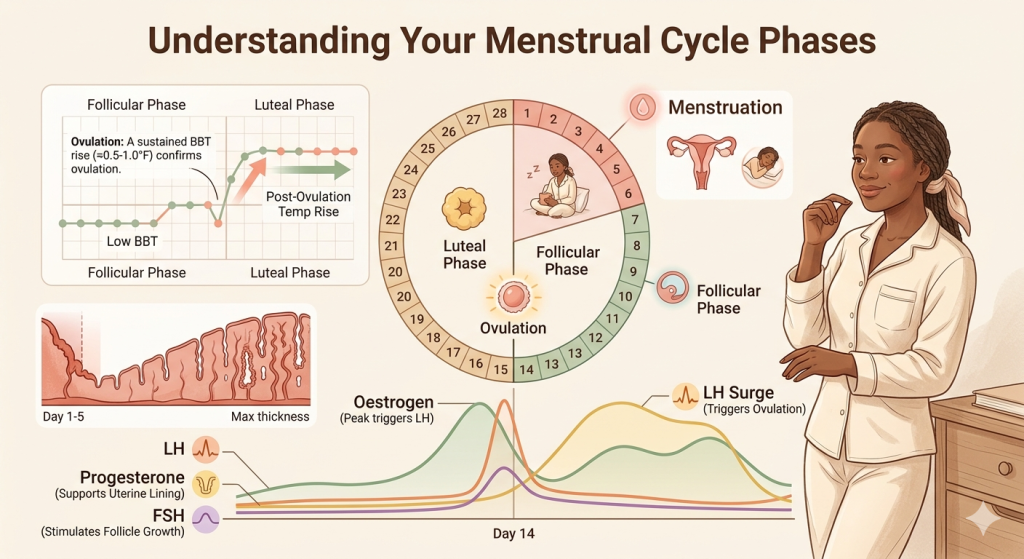
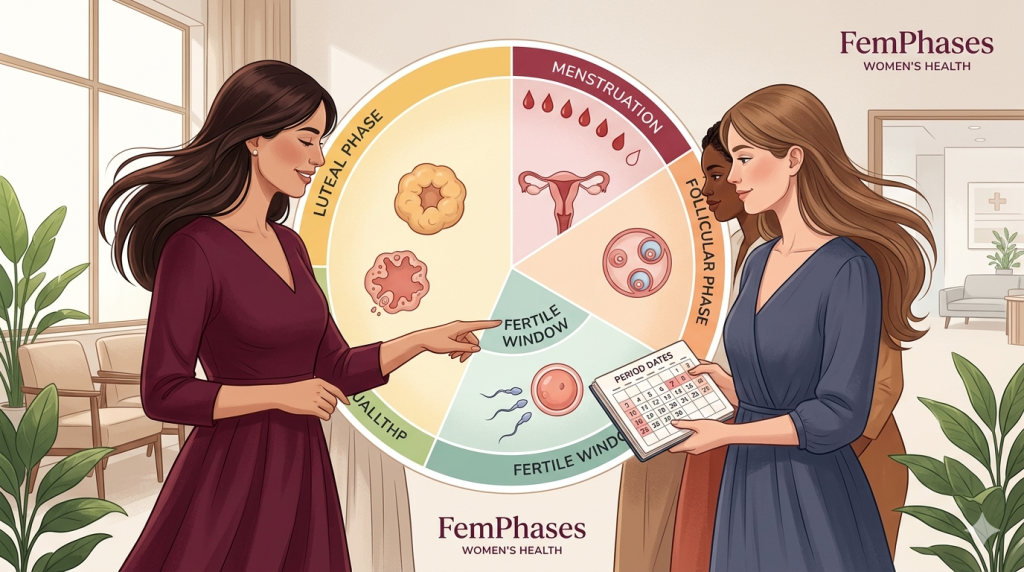
Table of Contents Introduction: Why This Question Matters Can You Get Pregnant on Your Period? Why It Can Happen: The Biology Behind Fertility and Cycle Days What You Might Notice in Your Body When Pregnancy Risk Is Higher During or Around a Period Evidence-Based Solutions if You Do Not Want Pregnancy Evidence-Based Support if You Are Trying to Conceive When to See a Doctor Expert FAQ Disclaimer Introduction: Why This Question Matters Many of us have asked this quietly at some point: Can you get pregnant on your period? It is such a common question because real life does not always follow the neat textbook version of a 28-day cycle. Periods can be shorter, longer, lighter, heavier, earlier, later, and sometimes completely unpredictable. That is exactly why understanding fertility matters so much. The short answer is yes, pregnancy during your period is possible, even if it is usually less likely than at other times in the cycle. In this guide, we will walk through why it can happen, how cycle days really work, what signs to watch for, when to take a pregnancy test, and what to do if you want to avoid pregnancy or improve your fertility awareness. (nhs.uk) Ovulation Calculator Can You Get Pregnant on Your Period? Yes. You can get pregnant from sex during your period, especially if you have a short cycle, bleed for several days, or ovulate earlier than expected. The reason is simple: sperm can stay alive inside the reproductive tract for several days, and if ovulation happens soon after bleeding ends, those sperm may still be there when an egg is released. (Mayo Clinic) For many people, pregnancy is less likely in the heaviest early days of a period, but it is not impossible. That is why period sex should never be treated as reliable birth control. It also does not protect against sexually transmitted infections (STIs). (Planned Parenthood) Why It Can Happen: The Biology Behind Fertility and Cycle Days a. How the menstrual cycle really works A menstrual cycle starts on Day 1 of your period. Ovulation usually happens about 12 to 16 days before your next period starts, not always on Day 14. That distinction matters because many people do not ovulate in the middle of the month, and cycle lengths vary a lot from person to person. (nhs.uk) In a typical cycle, your body prepares an egg, releases it at ovulation, and thickens the uterine lining in case pregnancy happens. If the egg is not fertilised, hormone levels fall, and the lining sheds, resulting in a period. Fertility is highest in the few days before ovulation and the day of ovulation itself. (ACOG) b. Why period sex can still lead to pregnancy The key reason is sperm survival. Sperm can live in the female reproductive tract for about 3 to 5 days, and some guidance notes it may be up to 7 days in certain circumstances. The egg itself only survives for around 12 to 24 hours after ovulation. That means the fertile window opens before ovulation, not just on the day an egg is released. (Mayo Clinic) So imagine this: you have sex on the last day of your period, your cycle is short, and you ovulate soon after. Even though you were bleeding when you had sex, sperm may still be present when ovulation happens. That is how pregnancy can happen during what feels like a “safe” time. (nhs.uk) Who is more likely to be at risk? Pregnancy risk from sex during a period may be higher if you: Have short menstrual cycles Have irregular periods Bleed for more days Mistake spotting for a true period Ovulate early or unpredictably Are in the years after menarche or during times of hormonal change, when cycles can be less predictable (ACOG) Irregular cycles can happen for many reasons, including stress, thyroid problems, PCOS, major weight changes, intense exercise, and some forms of hormonal contraception. That unpredictability makes calendar-based assumptions about fertility less reliable. (nhs.uk) What You Might Notice in Your Body Most people do not feel a clear biological sign that sperm are surviving or that conception has happened right away. But there are clues that your cycle may be less predictable than you think. Signs you may be noticing Short cycles, where one period starts fewer than 21 days after the previous one Irregular timing, with cycle lengths changing noticeably month to month Bleeding that lasts longer than 7 days Mid-cycle spotting, which can be mistaken for a period Ovulation-type cervical mucus, often clear, slippery, or stretchy Mild one-sided pelvic discomfort around ovulation Breast tenderness, bloating, or increased libido around fertile days Anxiety after unprotected sex during bleeding, especially if your cycles are unpredictable (ACOG) If pregnancy does occur, early symptoms may include: A missed period Nausea Breast changes Fatigue Light implantation-type spotting Needing to urinate more often These symptoms are not specific, and they can overlap with PMS. A pregnancy test is usually the clearest next step once enough time has passed. (nhs.uk) Safe Days Calculator When Pregnancy Risk Is Higher During or Around a Period 1. If your cycle is short If your cycle is closer to 21-24 days rather than 28 days, ovulation can occur earlier. That narrows the gap between the end of your period and your fertile window. (ACOG) 2. If your bleeding lasts many days A longer bleed means intercourse during the “period” may happen closer to ovulation than you realise. With sperm survival added to the picture, fertility risk can overlap with bleeding days. (Mayo Clinic) 3. If your cycles are irregular When your periods are unpredictable, it becomes harder to estimate ovulation. That makes “cycle day math” less dependable. (nhs.uk) 4. If what seemed like a period was actually spotting Not all bleeding is a true menstrual period. Spotting can happen around ovulation, with hormonal shifts, or with other gynaecologic issues. If bleeding is unusual for you, you may not actually be on your period at all. (ACOG) Evidence-Based Solutions
Can You Get Pregnant on Your Period? The Truth About Cycle Days and Fertility Read More »