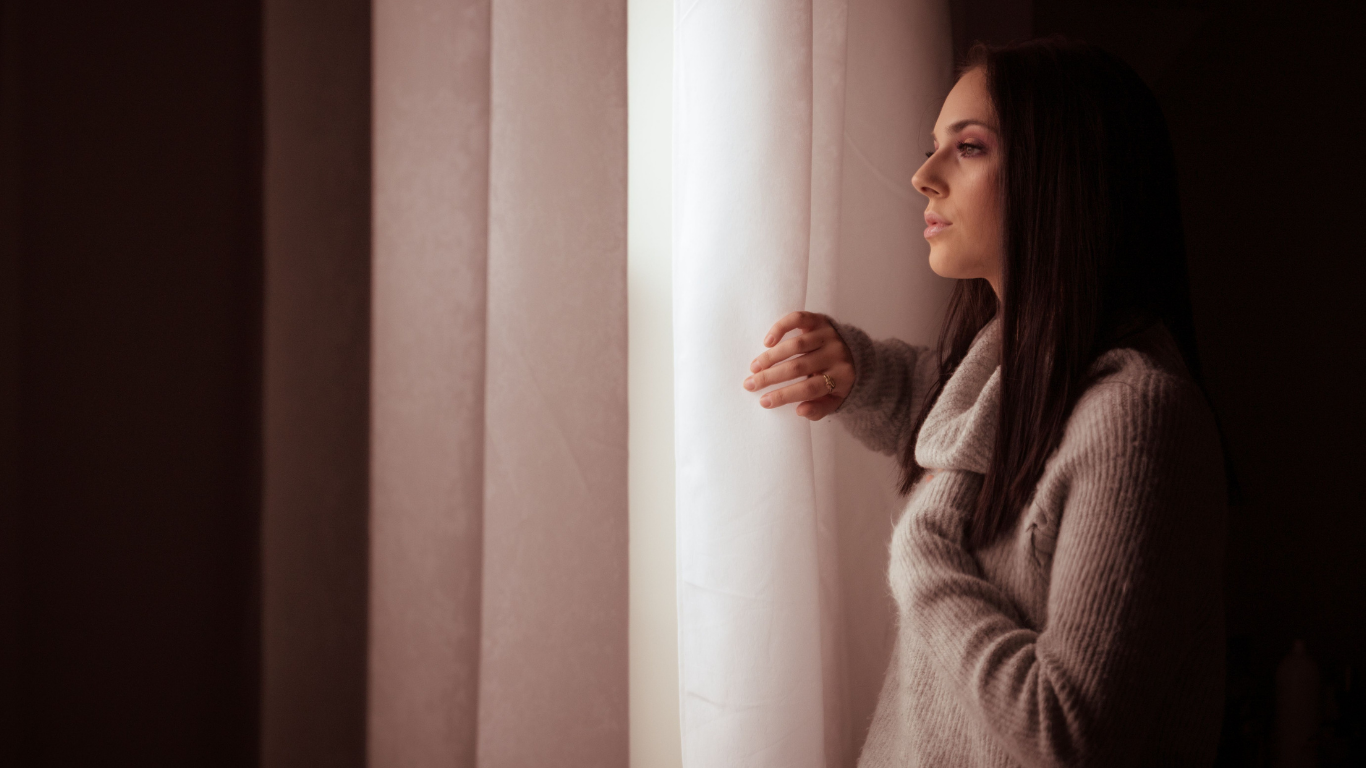


You may first notice it on an ordinary morning.
You wake after what should have been a full night’s sleep, yet your body feels as though it has been carrying something heavy. Your clothes sit differently. Your period arrives early, then disappears the following month. You forget why you walked into the kitchen and find yourself unexpectedly irritated by someone chewing too loudly.
Nothing is dramatically wrong, but you do not feel quite like yourself.
Perimenopause is often described as a collection of hot flushes and irregular periods. The reality can be much broader. It may affect how you sleep, think, feel, move, work, relate to other people and experience your own body. Recognising this can help you feel more reassured and less anxious about these changes.
These changes deserve understanding, not shame.
A Quick Answer
Perimenopause is the transitional stage leading up to menopause, when hormone production from the ovaries begins to change and fluctuate. Menopause itself is reached after you have gone 12 consecutive months without a period.
During this transition, you may notice changes in your periods, sleep, mood, concentration, energy, skin, temperature regulation, sexual comfort and body composition. Symptoms can appear gradually, come and go, or change over time. The NHS overview of menopause and perimenopause symptoms reflects how varied this experience can be.
Hormones may be part of the picture, but they are not automatically the explanation for everything. Thyroid conditions, anaemia, pregnancy, medication effects, depression, anxiety, chronic pain, sleep disorders and other health concerns can produce similar experiences.
You do not need to decide for yourself whether every change is “just perimenopause”. A healthcare professional can help you consider the whole picture, giving you confidence and reassurance in managing your health.
Why Perimenopause Can Affect So Many Parts of Your Life
Oestrogen and progesterone do more than control menstruation. They interact with systems involved in body temperature, sleep, mood, bones, muscles, skin, the urinary tract and sexual comfort.
During perimenopause, hormone levels may rise and fall unpredictably rather than declining in a smooth, orderly way. This is one reason symptoms can feel inconsistent. You might have several settled weeks followed by a difficult period that seems to arrive without warning.
1. Changes to the menstrual cycle
Changes to the menstrual cycle are often among the first signs. Periods may become shorter or longer, lighter or heavier, closer together or further apart. Bleeding changes should be discussed with a healthcare professional, especially if bleeding becomes very heavy, occurs between periods, or happens after sex, to ensure proper evaluation.
2. Sleep and energy
You may struggle to fall asleep, wake repeatedly, or find yourself wide awake at 3 a.m. Night sweats, stress, pain, caring responsibilities, alcohol, caffeine, sleep apnoea, or changing work patterns can all contribute to disrupted sleep.
Poor sleep has a way of spreading into everything else. Concentration becomes harder. Patience becomes thinner. Exercise feels less appealing, and ordinary responsibilities begin to require more effort.
3. Mood and mental clarity
Some women feel more anxious, tearful, irritable or emotionally sensitive. Others notice brain fog, forgetfulness or difficulty finding familiar words.
This does not mean you are becoming less capable. Mood and concentration can be affected by hormonal fluctuations, but also by disrupted sleep, workplace pressure, relationship strain, grief, caregiving and the emotional weight of reaching a new stage of life.
Persistent low mood, severe anxiety or a loss of interest in things you normally enjoy should not simply be accepted as part of ageing.
4. Skin, hair and physical comfort
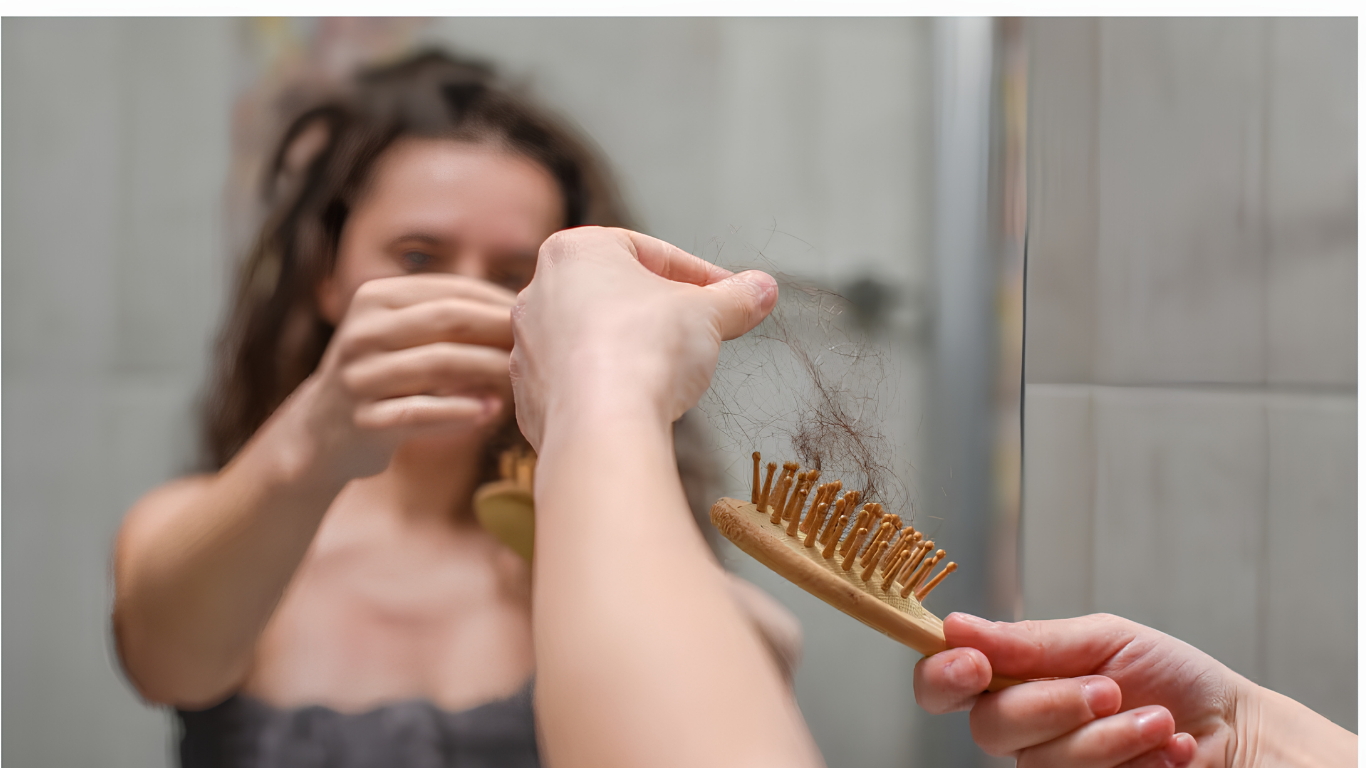
Skin may become drier, more sensitive or less predictable. Hair texture or thickness may change. Some women develop itching, vaginal dryness, urinary discomfort, headaches, joint stiffness, or a heightened awareness of their heartbeats.
These experiences can be associated with perimenopause, but they can also have other causes. A racing heart may relate to anxiety, caffeine, medication, anaemia or a heart rhythm problem. Joint pain may also arise from injury, inflammatory conditions, reduced activity or other health concerns.
What It Can Look Like in Everyday Life
The hardest changes are not always the most visible ones.
You may begin turning down evening plans because you are too tired to hold a conversation. You might feel embarrassed when you lose your train of thought during a meeting or worry that colleagues see you as disorganised.
At home, irritability and exhaustion may affect closeness with a partner or patience with children. Vaginal dryness, body discomfort or reduced desire can alter intimacy. You might feel disconnected from a body that once seemed more familiar and dependable.
Changes in weight or body shape can be particularly emotional. Some women notice that weight settles differently, especially around the middle. Age-related muscle changes, activity levels, sleep, stress, medication, appetite and genetics may all play a part alongside hormonal changes.
This is not evidence that you have failed to be disciplined. Your body is not a problem to be punished into submission.
Challenging some common assumptions
Perimenopause does not mean:
- You are “too young” to experience meaningful hormonal changes.
- Every symptom is caused by hormones.
- You must tolerate symptoms until they become unbearable.
- Weight gain means you have stopped taking care of yourself.
- Poor concentration means you are losing your intelligence.
- Treatment has to involve hormones.
- Asking for support means you are not coping well.
Every woman’s experience is different. Some have mild changes. Others experience symptoms that significantly affect work, relationships, confidence and daily functioning.
Supporting Yourself Through the Changes
The goal is not to create the perfect routine or control every symptom. It is about noticing what your body is asking for and reducing unnecessary strain where you can, helping you feel more empowered and in control of your health.
1. Keep a simple pattern record
For several weeks, note:
- Period dates and bleeding changes
- Sleep quality
- Hot flushes or night sweats
- Mood and concentration
- Headaches, palpitations or pain
- Medication, alcohol and caffeine
- Anything that improves or worsens symptoms
This can help you recognise patterns and give a healthcare professional clearer information.
2. Support sleep without turning it into another test
Keep your bedroom cool, use breathable nightwear and reduce late caffeine or alcohol when these seem to worsen sleep. Try to maintain a broadly consistent waking time, even after a difficult night.
These are general wellbeing measures, not cures. Persistent insomnia, loud snoring, waking while choking or extreme daytime sleepiness deserve assessment.
3. Eat and move for steadiness, not punishment
Regular meals containing protein, fibre, carbohydrates, and healthy fats may support steadier energy levels. Movement can help mood, sleep, strength and general health, but it does not need to be extreme.
Walking, resistance exercises, stretching, swimming or dancing all count. Choose movement that helps you feel more at home in your body rather than using exercise to make up for eating or weight changes.
4. Reduce everyday friction
Practical adjustments matter. Keep period products nearby, use layers for temperature changes, carry water and schedule demanding tasks at times when your energy is usually better.
It can also help to tell trusted people what is happening. You do not need to share every detail. A simple explanation may reduce misunderstandings at home or work.
5. Discuss treatment options with a professional
Hormone replacement therapy may help some symptoms, but it requires an individual discussion about your health, medical history, preferences, benefits and possible risks.
Non-hormonal medicines, vaginal treatments, psychological therapies and other approaches may also be appropriate. Updated NICE menopause guidance emphasises individualised care and shared decision-making rather than a single solution for every woman.
Herbal or “natural” products are not automatically harmless. Some may interact with medicines or may not contain consistent doses. Speak with a pharmacist, doctor, or qualified prescriber before using supplements to treat symptoms.
When Outside Support May Help
You do not have to wait until your symptoms become unbearable.
Make an appointment if physical or emotional changes are affecting your sleep, work, relationships, intimacy or ability to manage daily life. A consultation may include discussion of your symptoms, bleeding pattern, medical history, contraception, mental wellbeing and possible alternative causes.
The Office on Women’s Health guide to menopause symptoms and relief also encourages women to discuss symptoms and develop a personalised plan rather than managing in isolation.
It is worth getting support if…
- Your periods are very heavy, painful or difficult to manage.
- You bleed between periods, after sex or after 12 months without periods.
- Fatigue continues despite rest or is worsening.
- Low mood, anxiety or irritability is affecting daily life.
- Sleep problems are persistent.
- You have new or recurring palpitations.
- Vaginal or urinary symptoms are causing pain or repeated infections.
- Symptoms begin before the age of 45.
- Something feels significantly different from what is normal for your body.
Conclusion
Perimenopause can feel unsettling because it rarely arrives with a neat beginning or a clear set of rules. Changes may overlap, disappear and return. At the same time, work, family responsibilities, relationships and ordinary life continue to demand your attention.
Understanding what may be happening can make the experience less frightening, but understanding does not mean dismissing everything as hormonal.
Your body may need more rest, different support, medical assessment or a new way of measuring wellbeing. None of this makes you weak, difficult or past your best.
The aim is not to fight your body until it behaves as it once did. It is to listen more carefully, investigate what needs investigating and support yourself through a genuine physical and emotional transition.
When to Speak to a Healthcare Professional
Arrange a routine or prompt appointment if symptoms are new, persistent, worsening or interfering with everyday life.
Seek urgent medical help if you experience:
- Palpitations with chest pain, severe breathlessness, fainting or feeling as though you may faint.
- Bleeding that is extremely heavy, cannot be controlled or makes you feel faint or unwell.
- Sudden severe pelvic pain.
- New neurological symptoms such as weakness, confusion or difficulty speaking.
- Thoughts of harming yourself or feeling unable to remain safe.
Frequent Questions Women Often Ask
1. Can I be in perimenopause if my periods are still regular?
Yes. Some symptoms may begin before periods become noticeably irregular. However, symptoms can have other causes, so it is sensible to discuss persistent or troubling changes with a healthcare professional.
2. Do I need a hormone test?
Hormone levels can fluctuate considerably during perimenopause. For many women over 45, healthcare professionals may assess perimenopause using age, symptoms and menstrual changes rather than relying on a single blood test. Testing may be appropriate in some circumstances, particularly when symptoms begin at a younger age.
3. Is weight gain inevitable?
No. Not every woman gains weight, and many factors influence weight changes. Sleep, muscle mass, health conditions, medication, activity, appetite, stress and genetics may all contribute.
4. Can perimenopause affect relationships?
Yes. Fatigue, mood changes, reduced confidence, vaginal discomfort, changes in desire and feeling misunderstood can affect closeness. Honest conversations and professional support may help you and the people close to you understand what is changing.
Key Takeaways
- Perimenopause can affect sleep, mood, periods, energy, skin, concentration, comfort and body composition.
- Hormonal changes may contribute, but not every symptom should automatically be blamed on perimenopause.
- Symptoms are real even when they are difficult to measure or explain.
- General wellbeing measures may support comfort, but they do not replace assessment or professional treatment.
- You deserve support before symptoms become overwhelming.
- Caring for your changing body is not the same as fighting or trying to “fix” it.
Medical Disclaimer
This article is for educational purposes only and does not replace personalised medical advice, diagnosis or treatment. If you are worried that your symptoms are getting worse, or if something does not feel right in your body, please speak with your doctor, nurse practitioner, gynaecologist, endocrinologist, or another qualified healthcare professional. Seek urgent medical help for severe, sudden or concerning symptoms.