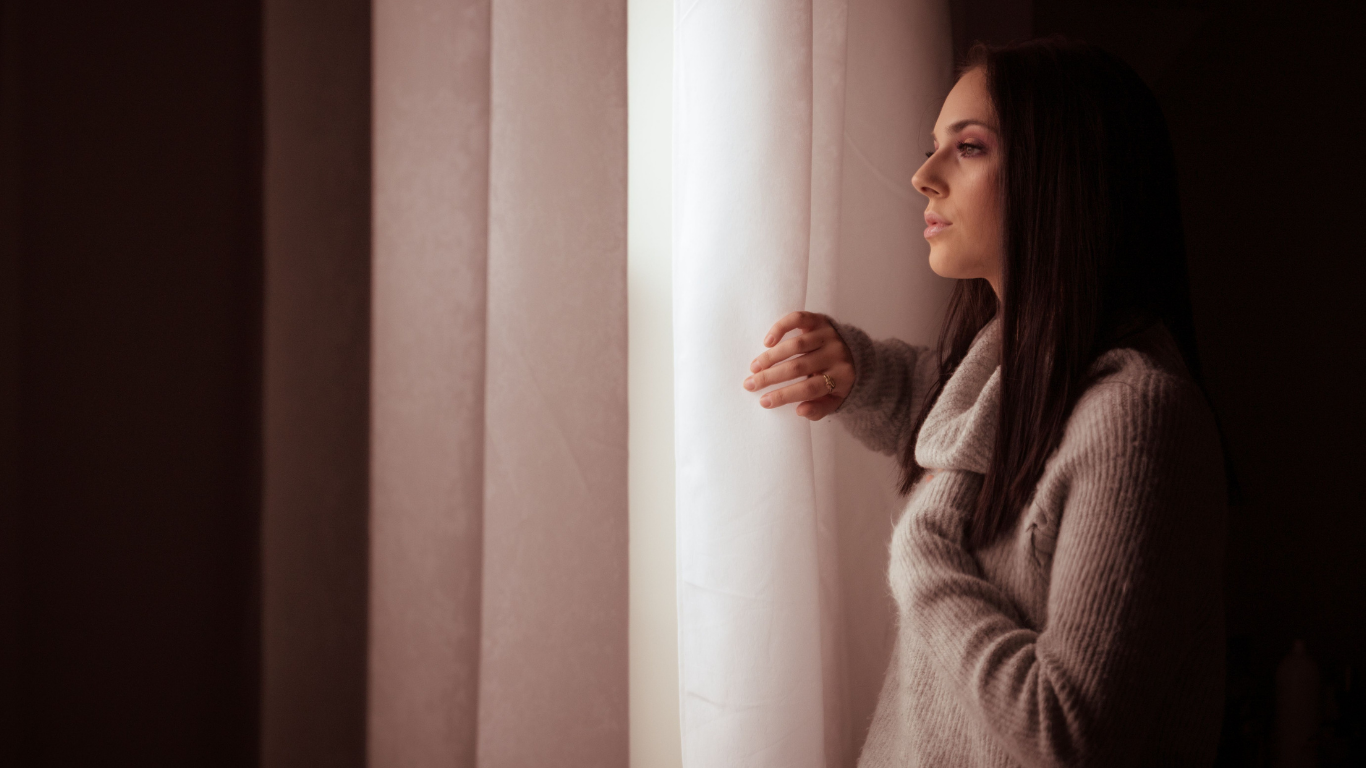


Maybe your periods have become unpredictable. You are tired even after a full night’s sleep. Your skin has changed, your patience feels thinner, or your body simply does not feel like your own.
When multiple subtle changes occur, it is natural to wonder: Could this be a hormonal imbalance?
When several small changes arrive at once, it is natural to wonder: Could this be a hormonal imbalance? Remember, many experience these symptoms, and understanding them can help ease worry.
Rather than trying to diagnose yourself from a list online, it may be more helpful to ask:
- What has changed from what is normal for me?
- When did it begin?
- Is there a pattern?
- Is it affecting my sleep, work, relationships or everyday life?
Those questions can tell you far more than the phrase “hormonal imbalance” on its own.
What Does “Hormonal Imbalance” Actually Mean?
Hormones are chemical messengers that help different parts of your body communicate. They influence your menstrual cycle, fertility, sleep, mood, appetite, metabolism, body temperature, sexual function and much more.
A hormonal imbalance may happen when your body makes too much or too little of a particular hormone, or when your body does not respond to that hormone as expected.
But there is an important distinction: “Hormonal imbalance” is a broad description, not a diagnosis.
It does not tell you which hormone may be involved, why it has changed or whether hormones are the main cause of your symptoms. A proper assessment looks at the whole picture your age, life stage, menstrual pattern, medical history, medication and the symptoms you are experiencing together.
What Can Hormone-Related Changes Feel Like?
Hormonal changes do not always announce themselves with one obvious symptom. Sometimes they show up quietly and build over time.
You may notice:
- Periods arriving earlier, later or not at all
- Heavier or lighter bleeding than usual
- Bleeding between periods
- New or persistent acne
- More facial or body hair
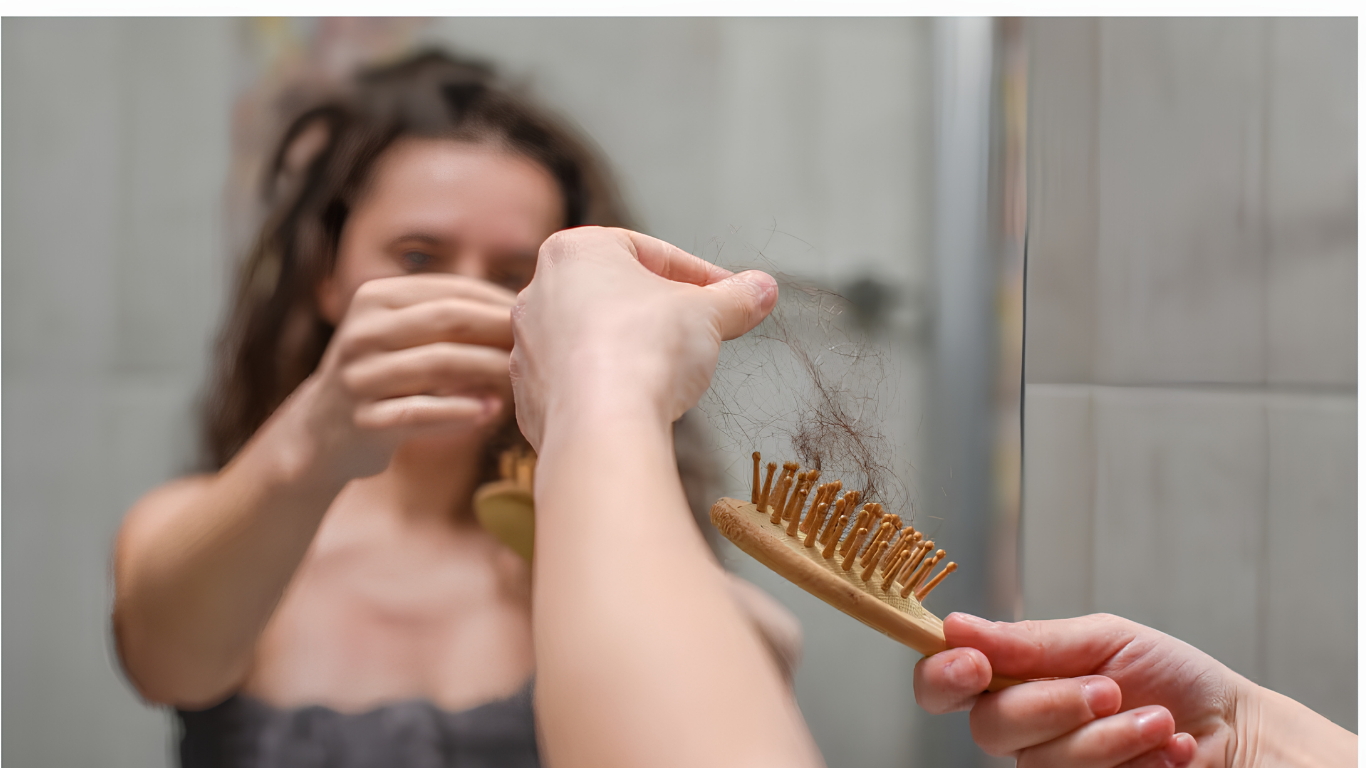
- Thinning scalp hair or increased shedding
- Hot flushes or night sweats
- Difficulty falling asleep or waking during the night
- Persistent tiredness
- Brain fog or difficulty concentrating
- Mood changes that feel unusual for you
- Vaginal dryness or discomfort during sex
- Lower sexual desire
- Unexplained weight or appetite changes
- Difficulty becoming pregnant
In everyday life, this might look like lying awake at 3 a.m. despite feeling exhausted, struggling to focus during a meeting, planning your clothes around unexpectedly heavy bleeding, or no longer recognising the person you see in the mirror.
These changes can affect confidence, intimacy, work and relationships. You do not need to dismiss them simply because they are common or because someone has told you they are “just hormones.” Your concerns are valid and deserve care.
Why Might Your Hormones Change?
There is no single cause. Some hormonal shifts are part of a normal life stage, while others are connected to a health condition or medication, so consult a healthcare professional for guidance.
1. Normal Life Transitions
Hormones are meant to fluctuate. Significant changes can happen during puberty, the menstrual cycle, pregnancy, the months after birth, breastfeeding, perimenopause and menopause.
During perimenopause, oestrogen and progesterone can rise and fall unpredictably. Your periods may change, and you may experience hot flushes, night sweats, poor sleep, vaginal symptoms, low mood or problems with memory and concentration.
Perimenopause is a natural transition, but that does not mean you have to tolerate symptoms that are disrupting your wellbeing quietly. The NHS guide to menopause and perimenopause explains the symptoms and support available.
2. Polycystic Ovary Syndrome (PCOS)
PCOS is a common condition that can affect ovulation, menstrual cycles and androgen levels. Androgens are hormones produced by every body, although they are often called “male hormones.”
Possible signs include irregular or absent periods, acne or oily skin, increased facial or body hair, thinning scalp hair, difficulty becoming pregnant and weight changes.
No single symptom confirms PCOS. Diagnosis usually involves a discussion about your periods and symptoms and may include blood tests or an ultrasound. The Office on Women’s Health guide to PCOS provides more information.
3. Thyroid Conditions
Your thyroid is a small gland in your neck, but its hormones influence almost every part of your body.
An underactive or overactive thyroid can affect your energy, weight, temperature, heart rate, digestion, mood and periods. Because these symptoms overlap with so many other concerns, you can’t identify a thyroid problem from symptoms alone.
If your symptoms suggest a thyroid condition, a healthcare professional may recommend blood tests. You can read more in the NHS overview of thyroid conditions.
4. Medication and Contraception
Some medicines and hormonal contraceptives can affect bleeding patterns, mood, sleep, weight, libido or hormone activity.
If a symptom began after starting, stopping or changing a medicine, note the timing and discuss it with the healthcare professional who prescribed it. Do not stop prescribed medication without medical advice.
5. Stress, Illness and Lifestyle Changes
Stress affects real biological pathways in the body. It can influence sleep, appetite, mood and menstrual timing. Major illness, intensive exercise, rapid weight change or not eating enough can also affect periods and energy.
But stress should not become a convenient explanation for every persistent symptom. If something is new, worsening or interfering with your life, it is reasonable to ask for a fuller assessment.
Could It Be Something Other Than Hormones?
Yes. This is where the picture can become confusing, because many so-called hormonal symptoms have several possible causes. Learning about these options can help you feel more empowered in seeking appropriate care.
- Fatigue may be linked to poor sleep, iron-deficiency anaemia, infection, medication, depression or another health condition.
- Hair loss can happen after pregnancy, during illness, with nutritional deficiencies or because of genetic hair changes.
- Mood changes may be influenced by anxiety, depression, grief, relationship strain, work pressure or disrupted sleep.
- Heavy periods can be related to fibroids, thyroid problems, changes in ovulation or other gynaecological conditions.
- Missed periods may be caused by pregnancy, PCOS, perimenopause, significant weight change, intensive exercise or another health concern.
This overlap is why it is rarely helpful to focus on one symptom in isolation. The timing, combination and effect of your symptoms all matter.
How to Understand What Is Changing
You do not need to work out the diagnosis before asking for help. A few practical steps can clarify the picture.
1. Keep a Simple Symptom Record
For a few weeks or a few menstrual cycles, if appropriate note:
- When your period starts and ends
- Whether bleeding is light, moderate or heavy
- Any bleeding between periods or after sex
- Sleep quality
- Hot flushes or night sweats
- Mood, energy and concentration
- Headaches
- Skin and hair changes
- Vaginal or sexual symptoms
- Changes to medicines or supplements
A brief record you can maintain is more useful than a complicated tracker you abandon after three days.
2. Look for Patterns
Ask whether several symptoms began together, appear at a particular point in your cycle, are becoming more intense, or started after pregnancy, illness or a medication change. Notice whether they are affecting work, sleep, exercise, confidence or relationships.
A pattern will not diagnose the cause, but it can help guide the next step.
3. Support Your Body Without Chasing a “Hormone Reset”
Regular meals, enough protein and fibre, gentle movement, rest and a consistent sleep routine can support your general health. These habits may also make some symptoms easier to manage, but they cannot guarantee that an underlying condition will disappear.
Be cautious with supplements, detoxes and programmes promising to “balance” or “reset” all your hormones. There is no single product that can correct every hormone-related symptom. Supplements can cause side effects, interact with medication and sometimes delay appropriate care.
4. Prepare for Your Appointment
Write down your main concern, when it began and how it is affecting you. Bring your symptom record and a list of medicines and supplements.
It may also help to note any family history of thyroid disease, diabetes, early menopause, PCOS or other menstrual conditions.
When Is It Worth Speaking to a Healthcare Professional?
You do not have to wait until your symptoms become unbearable. Arrange an appointment if a change is new, persistent, worsening or affecting your quality of life.
It is particularly important to seek advice if:
- Your periods have become much heavier, more painful or unpredictable
- Your periods have stopped unexpectedly, and pregnancy is not the reason
- You bleed between periods, after sex or after menopause
- Acne, facial hair or scalp hair loss is affecting your confidence or wellbeing
- Fatigue, weight changes or mood changes are persistent or unexplained
- Hot flushes, night sweats or vaginal symptoms are disrupting daily life
- You are trying to conceive, and your cycles are irregular
- Your symptoms are worsening, or something simply does not feel right
The NHS guidance on heavy periods recommends speaking to a GP when heavy bleeding is affecting your life, has continued for some time or occurs with severe pain or other concerning symptoms.
Seek urgent medical help if you have very heavy bleeding with fainting, severe weakness, shortness of breath, chest pain, sudden severe pain or another alarming symptom. Use the urgent-care or emergency service available where you live.
What Might Happen at an Appointment?
A healthcare professional may ask about your periods, pregnancies, contraception, medication, family history, sleep, mood and recent life changes. Depending on your symptoms, they may recommend a pregnancy test, blood tests, a physical examination, imaging or a specialist referral.
No single blood test checks for every possible hormonal imbalance. Some hormone levels change with the time of day, menstrual cycle and stage of life. During perimenopause, for example, levels can fluctuate considerably, so one test may not explain how you have been feeling.
The most useful assessment is usually the one guided by your symptoms and medical history—not a long list of tests without a clear reason.
Frequently Asked Questions
Can stress cause a hormonal imbalance?
Stress activates hormone pathways in the body and can affect sleep, appetite, mood and menstrual timing. However, these changes have several possible causes. Persistent symptoms should not automatically be dismissed as stress.
Does a hormonal imbalance always affect periods?
No. Hormones also influence sleep, temperature, energy, skin, hair, mood, appetite and sexual wellbeing. Some hormone-related conditions affect periods; others may appear through different symptoms.
Is hormonal imbalance the same as PCOS?
No. PCOS is a specific condition that can affect ovulation and androgen levels. “Hormonal imbalance” is a broader phrase that may refer to PCOS, thyroid disease, menopause-related changes or another concern.
Is menopause a hormonal imbalance?
Perimenopause and menopause involve significant hormonal changes, but menopause is a normal life stage, not a disease. Symptoms can still be difficult and may warrant professional support.
Can I test all my hormones at once?
No universal hormone panel can accurately explain every symptom. The right tests depend on your age, symptoms, menstrual history, medication and other health information.
Can food or supplements balance my hormones?
A nourishing eating pattern supports general health, but no single food or supplement can balance every hormone. Some supplements may interact with medicines or be unsuitable for certain conditions, so speak to a qualified healthcare professional before using them to treat symptoms.
The Takeaway
When your body begins behaving differently, it can feel as though the ground has shifted beneath you. You may know something has changed without having the words to explain it.
Hormones may be part of the story. You could be moving through a normal life transition such as perimenopause, or your symptoms could be linked to PCOS, a thyroid condition, medication or another health concern. Sometimes the cause is not primarily hormonal at all.
Paying attention does not mean assuming the worst. It means noticing what is different, taking your experience seriously and asking for support when you need it.
You know the usual rhythm of your own body. If that rhythm has changed—and the change is persistent, worrying or affecting your life—it is worth having a conversation with a healthcare professional.
Medical disclaimer:
This article is for educational and awareness purposes only. It does not replace personalised medical advice, diagnosis or treatment. If you are concerned about your symptoms, speak with a doctor, nurse practitioner, gynaecologist, endocrinologist or another qualified healthcare professional. Seek urgent medical help for severe, sudden or alarming symptoms.