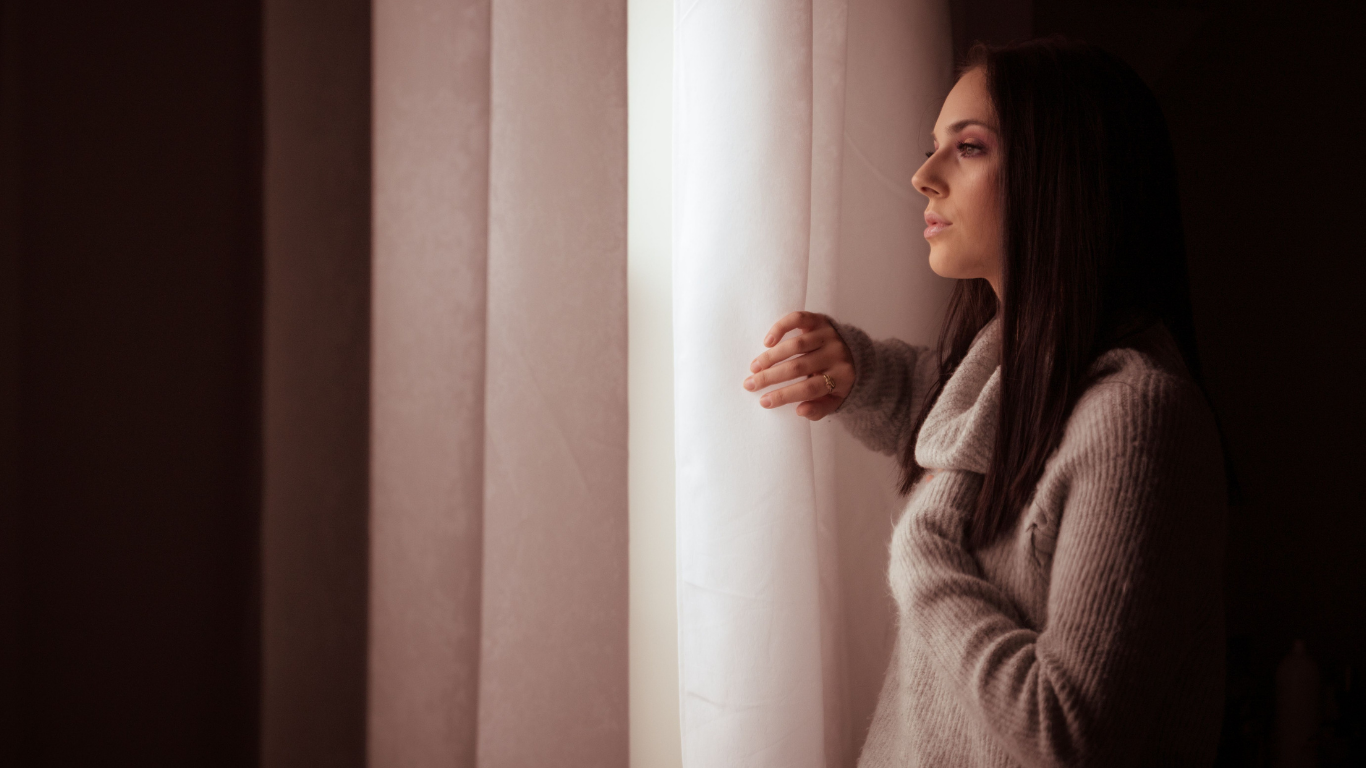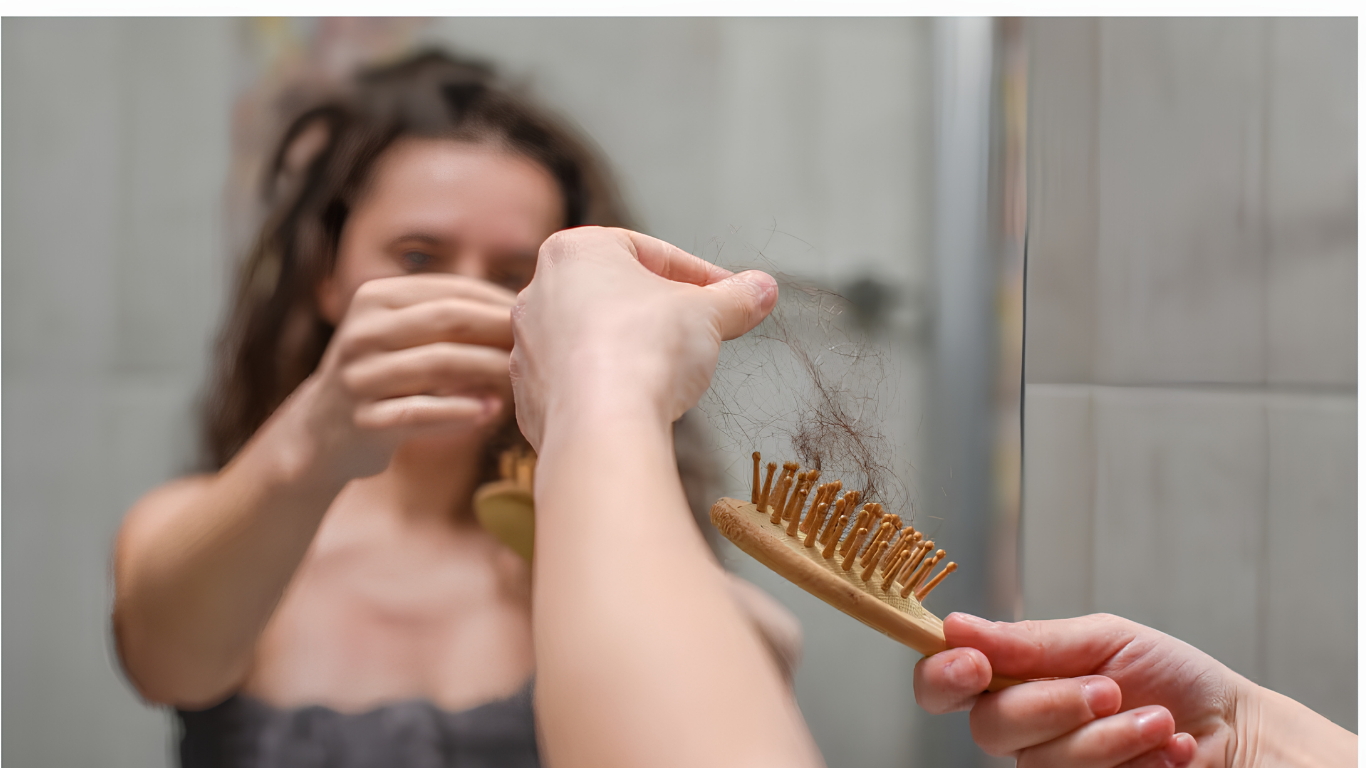


You look in the mirror and recognise your face, but somehow you don’t quite recognise yourself.
You feel less patient than you used to. Small things seem to overwhelm you. You’re forgetting words, losing confidence or finding yourself close to tears for no obvious reason.
Perhaps you’ve even caught yourself thinking, “I just don’t feel like me anymore.” It can be an unsettling experience.
Many women describe feeling as though they’ve become a different person during their forties and fifties. Recognising that these feelings are common can help women feel reassured and less alone in their experience, easing anxiety about their emotional well-being.
The reassuring news is that feeling different is one of the experiences many women report during perimenopause.
Changing hormone levels can affect not only your body but also your emotions, sleep, energy, memory and confidence. Incorporating lifestyle strategies can help you regain a sense of control and hope during this transition.
That doesn’t mean you have to accept feeling this way forever.
Understanding why these changes happen is the first step towards regaining confidence and finding the support you deserve.
Yes, for many women, feeling different during perimenopause is completely normal.
Hormonal fluctuations can affect the brain as well as the body, influencing your mood, memory, confidence, sleep and emotional resilience.
Many women describe feeling unlike themselves for a period of time.
However, while these changes are common, you should never feel that you have to struggle alone. If your symptoms are affecting your relationships, work or quality of life, or you’re concerned about your mental health, reaching out to your doctor can provide reassurance and support.
Understanding What’s Happening
Perimenopause isn’t simply about your periods becoming irregular.
Oestrogen and progesterone influence many parts of your body, including your brain.
These hormones help regulate:
- Mood.
- Sleep.
- Memory.
- Concentration.
- Stress responses.
- Energy levels.
- Emotional wellbeing.
As hormone levels begin to fluctuate, it’s not unusual to notice changes in how you think, feel and respond to everyday situations.
At the same time, many women are also managing some of life’s biggest responsibilities.
You may be:
- Building or changing your career.
- Supporting teenage or adult children.
- Caring for ageing parents.
- Managing financial pressures.
- Coping with relationship changes.
- Adjusting to children leaving home.
When hormonal changes combine with these life demands, it’s understandable that you may not feel quite like yourself.
The important thing to remember is that feeling different doesn’t mean you’ve lost who you are.
Your body and brain are adapting to a significant hormonal transition, and understanding that can make these changes feel much less frightening.
Common Reasons Why This Happens
Feeling different during perimenopause is rarely caused by one thing alone.
For many women, it’s the result of several physical, emotional and hormonal changes happening at the same time.
Let’s look at some of the most common reasons.
1. Hormonal Changes
One of the biggest reasons women feel different during perimenopause is fluctuating hormone levels.
Oestrogen doesn’t only regulate your menstrual cycle. It also affects the parts of your brain involved in:
- Mood.
- Memory.
- Concentration.
- Emotional resilience.
- Sleep.
- Stress responses.
As hormone levels become less predictable, you may notice that your emotions also feel less predictable.
One day you may feel yourself completely.
Next, you may feel tearful, irritable, or overwhelmed without understanding why.
According to the NHS – Menopause, changes in mood, anxiety and difficulty concentrating are recognised symptoms of the menopause transition.
2. Poor Sleep
Sleep changes are one of the most overlooked reasons women begin to feel unlike themselves.
If you’re regularly:
- Waking at 3 a.m.
- Experiencing night sweats.
- Struggling to fall asleep.
- Sleeping lightly.
It’s hardly surprising that you feel different during the day.
Poor sleep can affect:
- Mood.
- Patience.
- Memory.
- Decision-making.
- Confidence.
- Emotional resilience.
Many women find that improving their sleep through relaxation techniques, sleep hygiene, or consulting a healthcare provider helps them feel more like themselves again.
3. Fatigue
Constant tiredness affects far more than your energy.
When you’re exhausted, everyday tasks can feel overwhelming.
You may notice:
- Reduced motivation.
- Less patience.
- Feeling emotionally drained.
- Difficulty concentrating.
- Less enjoyment in activities you previously loved.
Fatigue often develops gradually, making it easy to overlook just how much it’s affecting your daily life.
4. Brain Fog
Many women describe brain fog as one of the most frustrating symptoms of perimenopause.
You might:
- Forget appointments.
- Lose words halfway through a sentence.
- Misplace everyday items.
- Find it harder to concentrate.
- Feel mentally slower than usual.
These changes can leave you questioning yourself, particularly if you’ve always considered yourself organised and capable.
The reassuring news is that brain fog is a recognized symptom of perimenopause and doesn’t mean you’re developing dementia or other serious conditions.
5. Anxiety
Some women experience anxiety for the first time during perimenopause.
Others find that existing anxiety becomes more noticeable.
You may experience:
- Constant worrying.
- Feeling on edge.
- Racing thoughts.
- Panic-like symptoms.
- Health anxiety.
- Difficulty relaxing.
Hormonal changes, poor sleep and life pressures often work together to make anxiety more noticeable.
6. Midlife Pressures
Perimenopause often arrives during one of the busiest periods of life.
You may be juggling:
- Work responsibilities.
- Caring for children.
- Supporting ageing parents.
- Financial commitments.
- Relationship changes.
- Looking after everyone except yourself.
These responsibilities would be demanding at any stage of life.
When combined with fluctuating hormones, it’s understandable that you may feel emotionally and physically different.
7. Changes in Confidence
Many women say they lose confidence during perimenopause.
You may begin to doubt yourself at work.
You may avoid social situations because you’re worried about forgetting words or having a hot flush.
Some women even stop recognising the confident person they once were.
These feelings are common, but they don’t define who you are.
8. Physical Symptoms Affect Emotional Wellbeing
When you’re coping with:
- Poor sleep.
- Hot flushes.
- Fatigue.
- Joint aches.
- Weight changes.
- Heart palpitations.
It’s only natural that your emotional wellbeing is affected too.
Physical and emotional health are closely connected.
Improving one often helps improve the other.
Could It Be Hormones?
For many women, yes.
Hormones influence far more than your reproductive system.
Oestrogen plays an important role in regulating mood, alongside chemicals such as serotonin and dopamine.
As hormone levels fluctuate, it’s common to experience:
- Feeling more emotional.
- Irritability.
- Reduced confidence.
- Anxiety.
- Tearfulness.
- Feeling overwhelmed.
These emotional changes are genuine physical responses to changing hormones.
They aren’t a sign of weakness or failure.
However, hormones are only part of the picture.
Sleep, stress, relationships, physical health and life circumstances all influence how you feel.
Why Don’t I Feel Like Myself Anymore?
This is one of the questions I hear most often from women.
The answer is rarely simple.
You aren’t just dealing with changing hormones.
You may also be:
- Sleeping badly.
- Feeling exhausted.
- Managing increasing responsibilities.
- Coping with physical symptoms.
- Worrying about ageing.
- Looking after everyone else before yourself.
When all these factors come together, it’s understandable that you don’t quite recognise yourself.
The important thing to remember is this:
You haven’t lost who you are.
You’re moving through a significant life transition that affects both your body and your mind.
With understanding, support and the right strategies, many women gradually begin to feel more like themselves again.
Keep a Symptom and Mood Diary
For a few weeks, record:
- Your mood.
- Energy levels.
- Sleep quality.
- Menstrual cycle.
- Stress levels.
- Physical symptoms.
- Situations that make you feel better or worse.
You may begin to notice patterns that weren’t obvious before.
This diary can also provide valuable information if you decide to speak to your doctor.
When Feeling Different Isn’t Normal
Although emotional changes are common during perimenopause, some symptoms should never be ignored.
Arrange an appointment with your doctor if you:
- Feel persistently low for several weeks.
- Have severe anxiety or panic attacks.
- Lose interest in things you usually enjoy.
- Find it difficult to function at work or home.
- Feel hopeless.
- Notice significant changes in your personality.
- Have thoughts of harming yourself or feel that life isn’t worth living.
These symptoms deserve prompt assessment and support.
There is effective help available, and you don’t have to cope on your own.
When It May Be Worth Speaking to a Doctor
Speak to your doctor if:
- Your symptoms are affecting your daily life.
- You’re unsure whether you’re experiencing perimenopause.
- Your mood has changed significantly.
- Anxiety is becoming difficult to manage.
- Poor sleep is affecting your wellbeing.
- You’re interested in discussing treatment options, including HRT.
- You’re worried about how you’re feeling.
Your doctor can help rule out other possible causes, discuss treatment options and provide support that’s appropriate for your individual needs.
Simple Steps That May Help
Feeling different during perimenopause can be unsettling, but there are many practical ways to support your physical and emotional wellbeing.
You don’t need to change everything overnight.
Often, small, consistent changes make the biggest difference.
1. Be Kind to Yourself
One of the hardest parts of perimenopause is believing you’ve somehow become a different person.
You haven’t.
Your body is adapting to significant hormonal changes, and it’s normal for that transition to affect your emotions as well as your physical health.
Instead of criticising yourself, try to recognise that you’re going through a natural life stage that deserves patience and compassion.
2. Prioritise Sleep
Sleep is one of the most powerful ways to support your emotional wellbeing.
Aim to:
- Go to bed and wake up at the same time each day.
- Keep your bedroom cool, dark and quiet.
- Avoid caffeine later in the day.
- Reduce screen time before bed.
- Develop a relaxing bedtime routine.
Better sleep can improve:
- Mood.
- Memory.
- Concentration.
- Energy.
- Emotional resilience.
3. Keep Moving
Regular movement benefits both your body and your mind.
Exercise helps release endorphins, improves sleep and reduces stress.
Choose activities you enjoy, such as:
- Walking.
- Swimming.
- Yoga.
- Pilates.
- Dancing.
- Strength training.
- Cycling.
Remember, consistency matters more than intensity.
4. Eat to Nourish Your Body
Your brain needs good nutrition just as much as the rest of your body.
Aim to include:
- Plenty of vegetables and fruit.
- Wholegrains.
- Lean protein.
- Healthy fats.
- Calcium-rich foods.
- Foods containing vitamin D.
Try not to skip meals, particularly if you’re experiencing fatigue or mood changes.
5. Talk About How You’re Feeling
Many women suffer in silence because they believe no one will understand.
Talking to someone you trust can make a significant difference.
You might choose to speak with:
- Your partner.
- A close friend.
- A family member.
- Your doctor.
- A counsellor or therapist.
Sometimes simply putting your feelings into words can help you feel less alone.
6. Reduce Stress Where Possible
Life rarely becomes less busy during midlife, but finding small moments to recharge can make a real difference.
Simple ideas include:
- Spending time in nature.
- Reading a book.
- Listening to music.
- Deep breathing exercises.
- Meditation.
- Gentle stretching.
- Taking regular breaks during the day.
You don’t need hours of free time to benefit—even ten minutes can help calm your mind.
7. Stay Connected
When you don’t feel like yourself, it’s tempting to withdraw from other people.
However, staying connected with supportive friends, family or community groups can improve emotional wellbeing and reduce feelings of isolation.
Remember, many women are experiencing similar changes, even if they don’t always talk about them.
8. Ask for Help Early
You don’t have to wait until you’re struggling to seek support.
If your symptoms are affecting your quality of life, speak to your doctor.
Support may include:
- Lifestyle advice.
- Talking therapies.
- Non-hormonal treatments.
- Hormone Replacement Therapy (HRT), where appropriate.
- Referral to specialist services if needed.
Asking for help is a positive step towards feeling better.
What the Research Says
Research consistently shows that perimenopause affects much more than reproductive health.
Fluctuating hormone levels can influence mood, memory, sleep, concentration, and emotional wellbeing because oestrogen interacts with brain regions involved in emotional regulation and cognitive function.
According to the NHS – Menopause, many women experience emotional symptoms such as mood changes, anxiety, irritability and difficulty concentrating during the menopause transition.
The British Menopause Society explains that hormonal fluctuations, combined with sleep disruption and the pressures of midlife, can significantly affect psychological wellbeing.
The National Institute for Health and Care Excellence (NICE) recommends that healthcare professionals consider both physical and psychological symptoms when supporting women through perimenopause, recognising that these symptoms can have a substantial impact on daily life.
Research also suggests that regular exercise, good sleep, stress management, social support, and appropriate medical treatment, where needed, can improve both physical symptoms and emotional wellbeing.
Questions Women Often Ask
1. Is it normal not to feel like yourself during perimenopause?
Yes.
Many women say they feel different during perimenopause.
Hormonal changes, poor sleep, fatigue and life pressures can all contribute to this feeling.
2. Will I ever feel like myself again?
For most women, yes.
As hormone levels stabilise and symptoms are managed, many women gradually regain their confidence, energy and sense of wellbeing.
The journey is different for everyone, but these feelings are usually temporary rather than permanent.
3. Can hormones really affect my personality?
Hormones don’t change who you are, but they can influence how you feel, react and cope.
You may become more emotional, irritable or anxious during perimenopause, but these changes don’t define your personality.
4. Why do I feel less confident than I used to?
Many factors can affect confidence during perimenopause, including:
- Brain fog.
- Poor sleep.
- Fatigue.
- Weight changes.
- Emotional symptoms.
- Physical changes.
As symptoms improve, confidence often improves too.
5. Should I worry if I feel emotional all the time?
Mood changes are common during perimenopause.
However, if you’re experiencing persistent low mood, severe anxiety or depression, it’s important to speak to your doctor rather than assuming it’s “just hormones.”
6. When should I seek medical advice?
Arrange an appointment if:
- You feel persistently low.
- Anxiety is affecting your daily life.
- You’re struggling to cope.
- Your symptoms are worsening.
- You’re interested in discussing treatment options.
- You’re concerned about your mental wellbeing.
Nurse’s Tip
As a nurse, one of the saddest things I hear women say is,
“I don’t recognise myself anymore.”
If that’s how you’re feeling, I want you to know that you’re not alone, and you’re certainly not “losing yourself.”
Perimenopause can affect your emotions, confidence and sense of identity in ways that many women never expect. But this stage of life doesn’t define you, and it doesn’t last forever.
Be patient with yourself. Permit yourself to slow down when you need to, ask for support and remember that looking after yourself isn’t selfish—it’s essential.
Key Takeaways
- Feeling different during perimenopause is common.
- Hormonal changes can affect mood, confidence, memory and emotional wellbeing.
- Poor sleep, fatigue and life pressures often make these feelings more noticeable.
- You haven’t become a different person—your body is adapting to hormonal changes.
- Healthy lifestyle habits and appropriate support can make a significant difference.
- If your symptoms are affecting your quality of life, speak to your doctor.
What This Means for You
If you’ve been feeling unlike yourself lately, take comfort in knowing that many women experience the same thing during perimenopause.
These changes can feel confusing, especially if you’ve always been confident, organised or emotionally resilient. But feeling different doesn’t mean you’ve lost the person you are.
Your body is navigating a major hormonal transition, and, understandably, your emotions, energy and confidence may change along the way.
Be gentle with yourself. Pay attention to what your body is telling you, look after your physical and emotional wellbeing, and don’t hesitate to ask for help if you need it.
Remember, you don’t have to go through this alone.
You know your body better than anyone else. If something doesn’t feel right, trust your instincts and speak to your doctor.
Trusted Resources
- NHS – Menopause
- National Institute for Health and Care Excellence (NICE) –
- British Menopause Society
- Office on Women’s Health – Menopause
References
- National Institute for Health and Care Excellence. Menopause: Diagnosis and Management (NG23).
- British Menopause Society. Menopause Resources.
- Office on Women’s Health. Menopause.
- World Health Organisation. Healthy Ageing.
Explore More on FemPhases
Perimenopause affects every woman differently, but you don’t have to navigate it alone.
Explore our nurse-led guides on Sleep & Fatigue, The Changing Body, Mental Wellbeing and Hormones, along with practical tools including symptom trackers, journals and checklists designed to help you understand your symptoms and feel more confident during every stage of midlife.
Medical Disclaimer
This article is for educational purposes only and should not replace professional medical advice, diagnosis or treatment. If you have symptoms that concern you and they persist or worsen, speak to your doctor or another qualified healthcare professional. In an emergency, seek immediate medical care.