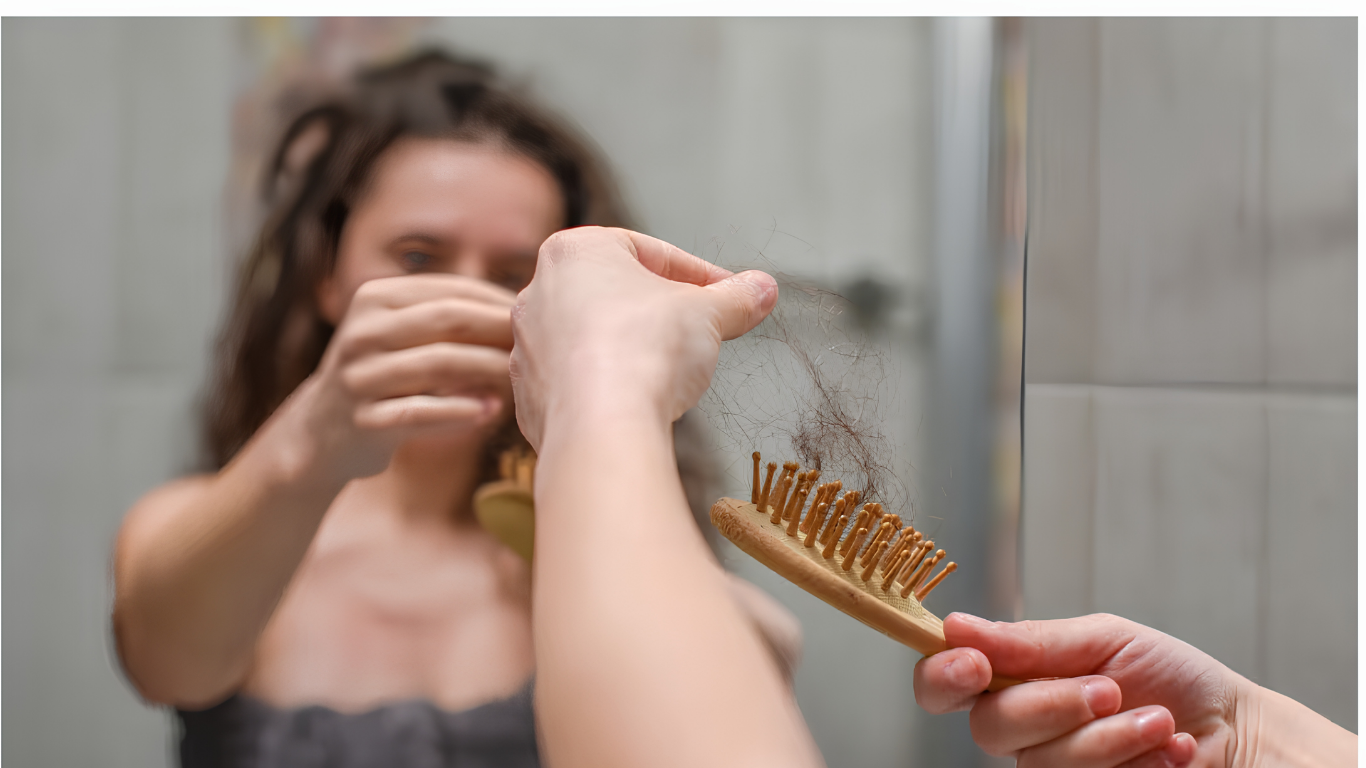


Starting again can feel frightening because your familiar life and identity have shifted. But you are not beginning empty-handed: you bring experience, skills, relationships and clearer knowledge of what you need now to move forward.
Why a new beginning may feel more like a loss
Starting again rarely arrives looking fresh and hopeful. It may look like sitting at the kitchen table with divorce paperwork, waking on the first Monday after retirement with nowhere you are expected to be, or opening a wardrobe after bereavement and seeing another person’s clothes beside your own.
A major transition can alter your home, income, routine, relationships and sense of who you are. Even a change you chose may bring grief, relief, doubt and guilt at the same time. Recognizing these feelings can help you feel understood and less alone in your experience. Relief does not cancel grief, and grief does not always mean you made the wrong decision.
The NHS explains that grief can follow many losses, including relationship or job loss. It may involve sadness, anger, exhaustion, numbness or guilt.
When an old identity no longer fits
Perhaps you were known as someone’s wife, a senior manager, a full-time mother, a carer or the person who always knew what came next. When that role changes, even an ordinary question—“What do you do?” or “Who do you live with?”—can leave you searching for an answer.
That discomfort may mean your identity is being revised, not that you have lost yourself.
Practical pressure makes that revision harder. Housing, pensions, childcare or legal decisions may demand attention while you are exhausted. Not every woman has savings, good health, flexible work or family support. Sometimes the bravest beginning is simply creating enough stability to breathe.
What starting again can look like in everyday life
It often shows up in small, awkward firsts. You may eat alone in a café and feel proud and exposed, apply for work under a new surname or realise that your former emergency contact is no longer the person you would call.
You may notice yourself:
- feeling hopeful one day and frightened the next;
- missing a life you know you could not continue living;
- comparing your beginning with someone else’s established life;
- wanting company but finding people exhausting;
- feeling guilty when something new brings pleasure; or
- discovering that some relationships depended on your former role.
These reactions can be part of adjustment, but poor sleep, stress, illness, menopause symptoms, anxiety or depression may also contribute. The NHS advises seeking help for low mood when it lasts more than two weeks, is difficult to manage or is not improving.
How to rebuild without abandoning yourself
1. Stabilise what needs attention now
First, protect the basics: safety, housing, income, food, sleep, medication and childcare. Write two lists—“needs action now” and “can wait”—to reduce the pressure to solve your entire future.
2. Take stock of what remains
List what remains: skills, trusted people, values, interests, and evidence of your resilience to reinforce your sense of capability and hope.
3. Choose one small experiment
Start with one small experiment to build confidence and avoid feeling overwhelmed by the idea of a complete overhaul.
4. Create a few weekly anchors
Choose two or three weekly anchors: a morning walk, a shared meal, a phone call, a class, or a practical task. The CDC notes that small acts of connection, including checking in or joining a repeated activity can help relationships grow.
5. Define progress more gently
Progress may mean making one independent decision, sleeping slightly better or enjoying an afternoon without feeling disloyal to the past. The WHO’s approach to healthy ageing centres on being able to do what you value, not on perfect health.
It is worth getting support if…
- hopelessness, numbness or anxiety is affecting daily life;
- grief makes it difficult to eat, sleep, work or care for yourself;
- you have withdrawn from nearly everyone;
- alcohol, medication or other substances are becoming your main way of coping;
- you are facing abuse, coercion, financial control or threats; or
- you have thoughts of self-harm, suicide or not wanting to be alive.
When to speak to a healthcare professional
Speak with a doctor, nurse practitioner or qualified mental-health professional if low mood, anxiety, exhaustion or emotional numbness persists, becomes more severe or interferes with daily life. Mention changes in sleep, appetite, concentration, medicines, menopause symptoms and physical health; several factors may overlap.
A counsellor may help with grief or identity; a careers adviser, solicitor or regulated financial adviser may be better for work, housing or shared assets. Seek urgent help through your local emergency or crisis service if you cannot keep yourself safe.
Conclusion
Starting again can feel less like opening a new door and more like standing among the pieces of a familiar life, deciding what can still be used. Some losses cannot be turned into lessons, and hope does not require pretending otherwise.
But you are not empty. You carry experience, knowledge and strengths that may currently feel more like tiredness. The next chapter need not arrive all at once. It may begin with one steady decision: I am still here, and I am allowed to take part in what comes next.
Frequently Asked Questions Women Often Ask
Is it normal to miss a life I chose to leave?
Yes. You may miss familiarity, shared history, financial security or the person you were within that life. Missing it does not automatically mean returning would be right or healthy.
How will I know when I am ready?
Readiness may not feel like confidence. It may simply be enough stability and curiosity to try one small step without demanding that it solve everything.
What if I cannot afford to reinvent myself?
Starting again does not have to mean travel, expensive training or a new business. It may begin with protecting your income, using free resources, seeking advice or changing one routine.
Am I too old to begin again?
Age can shape health, finances and available time, but it does not remove your capacity for learning, connection or meaningful contribution. Your beginning should fit your real life, not imitate someone younger.
Key takeaways
- Grief and relief can exist together after a major transition.
- Identity may need time to catch up with a changed role or routine.
- Stabilise immediate needs before forcing life-changing decisions.
- Small experiments can reveal direction without requiring certainty.
- A meaningful new chapter should respect your health, finances, culture and responsibilities.
- Persistent hopelessness, withdrawal or difficulty functioning deserves support.
Medical Disclaimer
This article is for educational purposes only and does not replace personalised medical advice, diagnosis or treatment. If you are worried that your symptoms are getting worse, or if something does not feel right in your body, please speak with your doctor, nurse practitioner, gynaecologist, endocrinologist, or another qualified healthcare professional. Seek urgent medical help for severe, sudden or concerning symptoms.