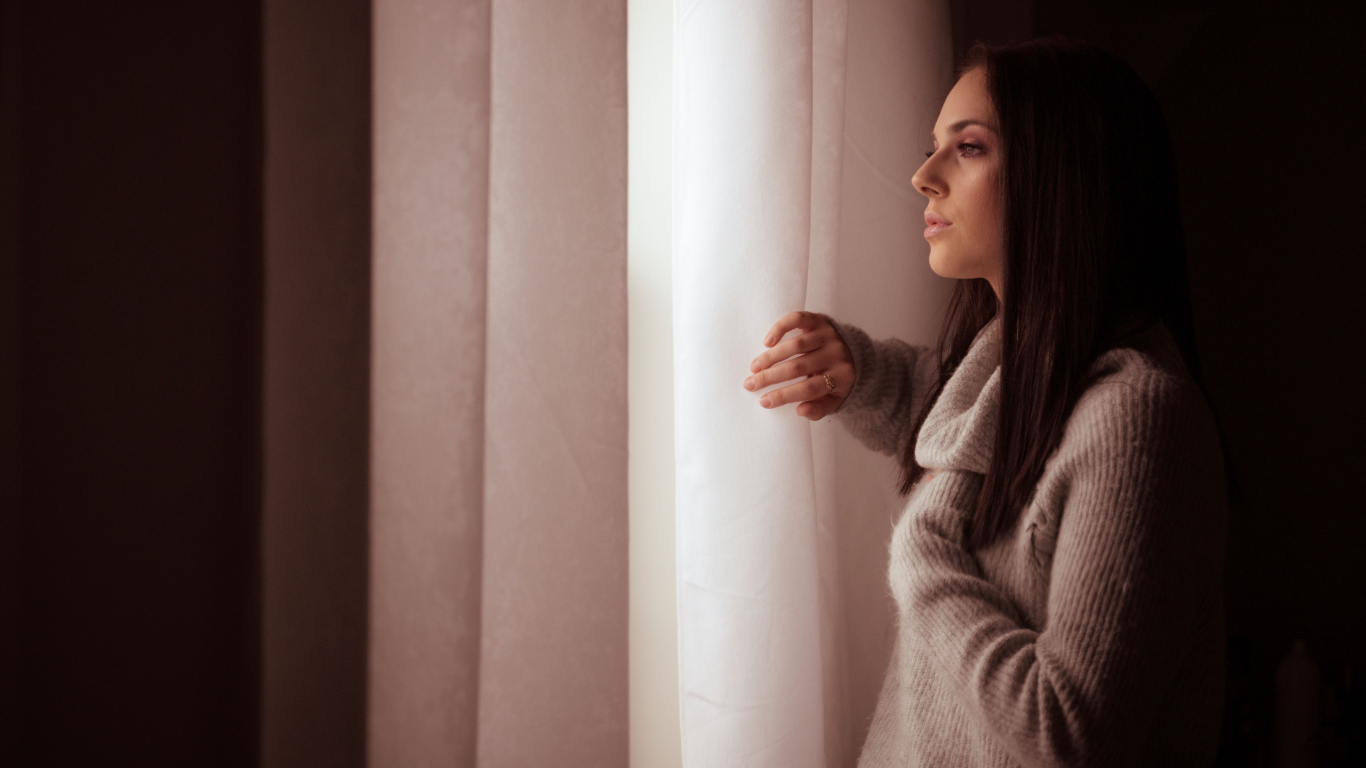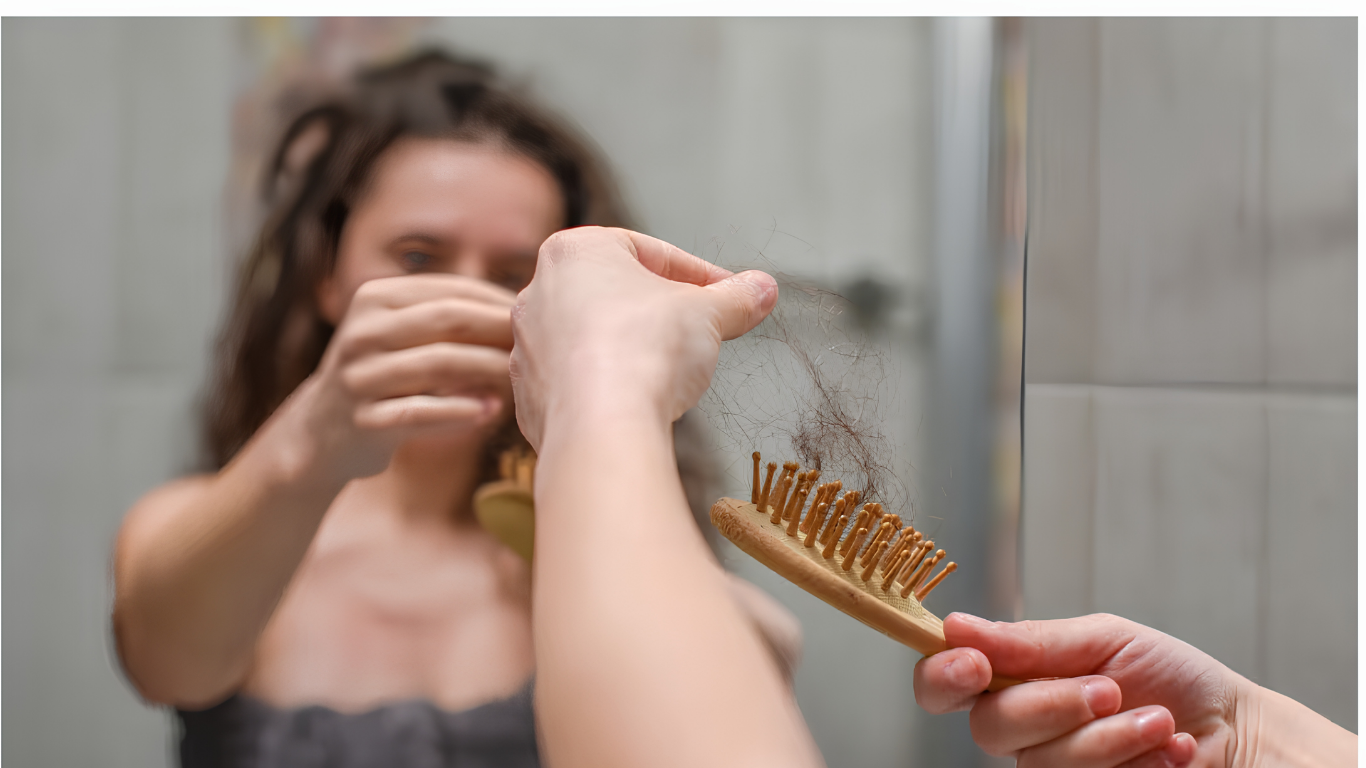


At fourteen, I could spend twenty minutes choosing a jumper and still leave the house convinced I had chosen the wrong one.
I would pull the sleeves over my hands, check my reflection in the hallway mirror, and turn sideways to see whether my stomach showed. By the time I reached school, I had usually found something else to dislike about myself.
A spot on my chin. Hair that refused to sit properly. A laugh that seemed too loud when I remembered it afterwards.
Looking back, I am struck by how much effort went into appearing effortless. I wanted to look as though I belonged without revealing how desperately I wanted to.
I wish someone had understood that. Some adults loved me. Meals were on the table, reminders about homework, and someone made sure I had a coat. But care and understanding did not always arrive together. Sometimes I was being looked after while feeling completely alone with what was happening inside me.
My body was changing faster than my confidence could follow. I had breasts I did not quite know how to dress, periods I was still learning to manage, and a growing awareness that other people noticed my body too. A passing comment could follow me for weeks. I would replay it while getting dressed, then adjust something nobody else remembered saying.
I wish someone had helped me separate being noticed from being valued.
Attention felt powerful at that age. If somebody found me attractive, I felt better about myself for a moment. Then I worried about keeping their interest. I began to understand my appearance as something I had to maintain for other people.
I needed room to discover what I liked about myself when nobody was looking. I enjoyed things without evaluating them, and I drew in the margins of my books. Running when it rained lightly. Making my younger cousin laugh until she hiccupped. Those moments belonged to me, but I rarely thought of them as reasons to like myself.
I gave far more weight to a photograph I hated.
At school, comparison was almost automatic.
I compared marks, clothes, friendships, and how easily other girls seemed to speak. I assumed confidence was something they possessed and I lacked. When a friend went quiet, I searched my memory for something I had done wrong. When they made plans without me, I treated the omission as evidence of my worth.
Sometimes I had been excluded. Sometimes people were distracted or careless. I could not always tell the difference, and uncertainty usually became self-blame.
I wish someone had shown me how to pause before reaching a verdict about myself. A disappointing afternoon did not need to become a complete account of who I was. One friendship could be difficult without every friendship being doomed. I could make a mistake, apologise, and still deserve company.
Instead, I often tried to become easier to like. I agreed when I wanted to disagree. I laughed at jokes that hurt. I lent things I needed and pretended it didn’t matter when they were lost. I thought being kind meant being endlessly available. It took years to recognise how often I used kindness to avoid the discomfort of having a boundary. I was afraid of disappointing people, so I quietly disappointed myself.
My teenage self needed practice with small refusals. She needed to discover that a friend could survive being told no, and that someone else’s irritation didn’t automatically mean she had done something wrong.
She also needed permission to change her mind.
Sometimes I agreed because I felt embarrassed, outnumbered, or unsure how to leave. Afterwards, I criticised myself for not handling them better. I wish I had understood that hesitation was enough reason to slow down. I did not owe anyone affection, physical closeness, or an explanation that satisfied them before I could step away. I deserved relationships where my comfort mattered.
Even now, I feel tenderness towards the girl who knew something felt wrong but worried more about appearing rude.
At home, my feelings sometimes arrived before my words.
I would become sharp over a small question, then cry alone because I had upset someone. Underneath the irritation might be a difficult school day, an embarrassing moment, or the exhaustion of keeping myself together.
That did not make every reaction fair. I still needed to learn how to take responsibility. But I also needed help identifying what I felt before shame swallowed the explanation.
I wish someone had made asking for support feel ordinary. I believed problems had to become serious before they counted. If I was still attending school and completing homework, I assumed I should manage everything else on my own.
Now I would want that girl to know she could approach a trusted adult without first proving how bad things were. She could start with what she understood and ask for help finding words for the rest.
She did not have to arrive with a polished explanation.
I would also tell her less about what she should become. So much of adolescence seemed to point towards a future version of me. Grades would lead somewhere. Good behaviour would prepare me for something. Even my body changes were described as steps towards adulthood.
Meanwhile, I was living those years in real time. I needed afternoons that were allowed to be ordinary. Interests that did not have to become achievements. Space to be inexperienced without feeling behind.
I cannot pretend that one thoughtful conversation would have removed every difficulty. I would probably still have compared myself, worried about friendships, and chosen a jumper three times before leaving.
But I think I would have carried those experiences differently.
These days, when I come across photographs of myself at fourteen, I try to look properly. I notice the familiar tilt of my head, the sleeves pulled over my hands, the expression caught between amusement and uncertainty.
For years, I searched those photographs for flaws.
Now I notice how young I was.
I wish someone had helped me see that while I was still standing in front of the hallway mirror.