Table of Contents
- Introduction: Why This Question Matters
- Can You Get Pregnant on Your Period?
- Why It Can Happen: The Biology Behind Fertility and Cycle Days
- What You Might Notice in Your Body
- When Pregnancy Risk Is Higher During or Around a Period
- Evidence-Based Solutions if You Do Not Want Pregnancy
- Evidence-Based Support if You Are Trying to Conceive
- When to See a Doctor
- Expert FAQ
- Disclaimer
Introduction: Why This Question Matters
Many of us have asked this quietly at some point: Can you get pregnant on your period? It is such a common question because real life does not always follow the neat textbook version of a 28-day cycle. Periods can be shorter, longer, lighter, heavier, earlier, later, and sometimes completely unpredictable. That is exactly why understanding fertility matters so much.
The short answer is yes, pregnancy during your period is possible, even if it is usually less likely than at other times in the cycle. In this guide, we will walk through why it can happen, how cycle days really work, what signs to watch for, when to take a pregnancy test, and what to do if you want to avoid pregnancy or improve your fertility awareness. (nhs.uk)
Can You Get Pregnant on Your Period?
Yes. You can get pregnant from sex during your period, especially if you have a short cycle, bleed for several days, or ovulate earlier than expected. The reason is simple: sperm can stay alive inside the reproductive tract for several days, and if ovulation happens soon after bleeding ends, those sperm may still be there when an egg is released. (Mayo Clinic)
For many people, pregnancy is less likely in the heaviest early days of a period, but it is not impossible. That is why period sex should never be treated as reliable birth control. It also does not protect against sexually transmitted infections (STIs). (Planned Parenthood)
Why It Can Happen: The Biology Behind Fertility and Cycle Days
a. How the menstrual cycle really works
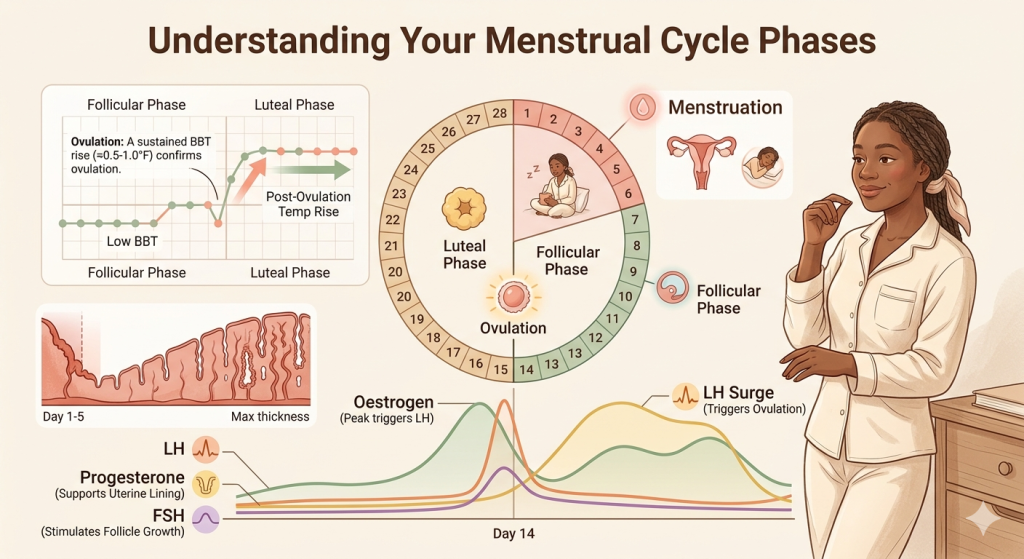
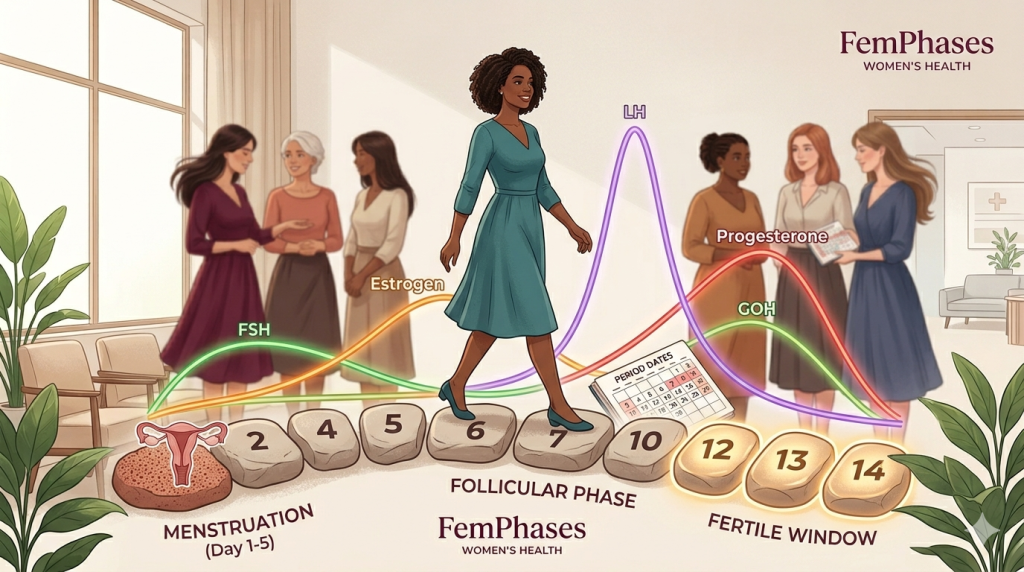
A menstrual cycle starts on Day 1 of your period. Ovulation usually happens about 12 to 16 days before your next period starts, not always on Day 14. That distinction matters because many people do not ovulate in the middle of the month, and cycle lengths vary a lot from person to person. (nhs.uk)
In a typical cycle, your body prepares an egg, releases it at ovulation, and thickens the uterine lining in case pregnancy happens. If the egg is not fertilised, hormone levels fall, and the lining sheds, resulting in a period. Fertility is highest in the few days before ovulation and the day of ovulation itself. (ACOG)
b. Why period sex can still lead to pregnancy
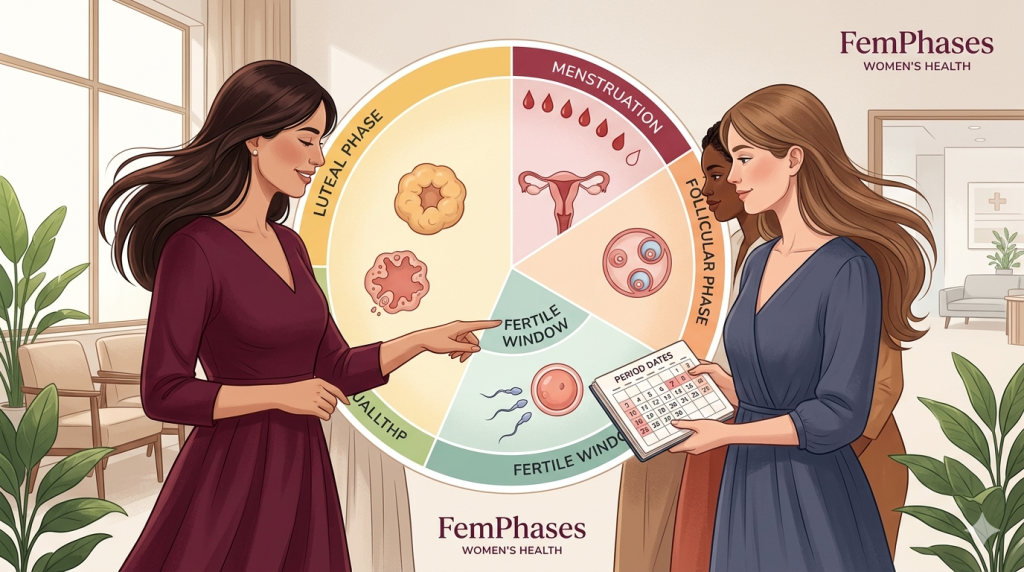
The key reason is sperm survival. Sperm can live in the female reproductive tract for about 3 to 5 days, and some guidance notes it may be up to 7 days in certain circumstances. The egg itself only survives for around 12 to 24 hours after ovulation. That means the fertile window opens before ovulation, not just on the day an egg is released. (Mayo Clinic)
So imagine this: you have sex on the last day of your period, your cycle is short, and you ovulate soon after. Even though you were bleeding when you had sex, sperm may still be present when ovulation happens. That is how pregnancy can happen during what feels like a “safe” time. (nhs.uk)
Who is more likely to be at risk?
Pregnancy risk from sex during a period may be higher if you:
- Have short menstrual cycles
- Have irregular periods
- Bleed for more days
- Mistake spotting for a true period
- Ovulate early or unpredictably
- Are in the years after menarche or during times of hormonal change, when cycles can be less predictable (ACOG)
Irregular cycles can happen for many reasons, including stress, thyroid problems, PCOS, major weight changes, intense exercise, and some forms of hormonal contraception. That unpredictability makes calendar-based assumptions about fertility less reliable. (nhs.uk)
What You Might Notice in Your Body
Most people do not feel a clear biological sign that sperm are surviving or that conception has happened right away. But there are clues that your cycle may be less predictable than you think.
Signs you may be noticing
- Short cycles, where one period starts fewer than 21 days after the previous one
- Irregular timing, with cycle lengths changing noticeably month to month
- Bleeding that lasts longer than 7 days
- Mid-cycle spotting, which can be mistaken for a period
- Ovulation-type cervical mucus, often clear, slippery, or stretchy
- Mild one-sided pelvic discomfort around ovulation
- Breast tenderness, bloating, or increased libido around fertile days
- Anxiety after unprotected sex during bleeding, especially if your cycles are unpredictable (ACOG)
If pregnancy does occur, early symptoms may include:
- A missed period
- Nausea
- Breast changes
- Fatigue
- Light implantation-type spotting
- Needing to urinate more often
These symptoms are not specific, and they can overlap with PMS. A pregnancy test is usually the clearest next step once enough time has passed. (nhs.uk)
When Pregnancy Risk Is Higher During or Around a Period
1. If your cycle is short
If your cycle is closer to 21-24 days rather than 28 days, ovulation can occur earlier. That narrows the gap between the end of your period and your fertile window. (ACOG)
2. If your bleeding lasts many days
A longer bleed means intercourse during the “period” may happen closer to ovulation than you realise. With sperm survival added to the picture, fertility risk can overlap with bleeding days. (Mayo Clinic)
3. If your cycles are irregular
When your periods are unpredictable, it becomes harder to estimate ovulation. That makes “cycle day math” less dependable. (nhs.uk)
4. If what seemed like a period was actually spotting
Not all bleeding is a true menstrual period. Spotting can happen around ovulation, with hormonal shifts, or with other gynaecologic issues. If bleeding is unusual for you, you may not actually be on your period at all. (ACOG)
Evidence-Based Solutions if You Do Not Want Pregnancy
1. Medical Interventions
a. Emergency contraception
If you had unprotected sex during your period and pregnancy is not desired, emergency contraception may still help. Timing matters.
- Levonorgestrel emergency contraception works best within 72 hours, though some benefit may remain up to 5 days.
- Ulipristal acetate can be used up to 5 days (120 hours) after sex.
- A copper IUD can be used within 5 days of unprotected sex and is one of the most effective emergency contraception options (CDC)
Ongoing contraception
If you want reliable pregnancy prevention, evidence-based options include:
- Hormonal contraception such as the pill, patch, ring, injection, implant, or hormonal IUD
- Non-hormonal contraception, such as condoms or the copper IUD
- Dual protection, using condoms plus another method, if STI protection is also important (CDC)
STI testing and sexual health care
If sex were unprotected, pregnancy would not be the only concern. STIs can be present without symptoms, so that testing may be appropriate depending on exposure and risk. (CDC)
Evidence-Based Support if You Are Trying to Conceive
If you are hoping for pregnancy, understanding fertility rather than fearing it can feel empowering.
1. Track the right things.
Instead of relying on the assumption that ovulation always happens on Day 14, track patterns such as:
- Cycle length
- Cervical mucus changes
- Basal body temperature
- Ovulation predictor kits, if appropriate
These tools can help you understand your fertility window, especially if your cycles are fairly regular. (ACOG)
2. Holistic and lifestyle changes
These are not magic fixes, but they can support reproductive health and help you understand your body more clearly:
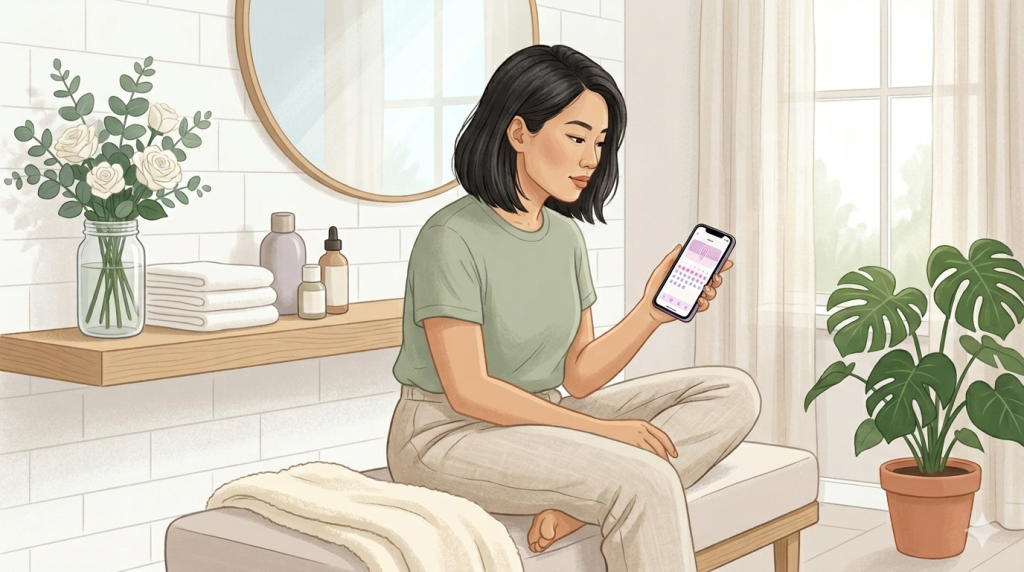
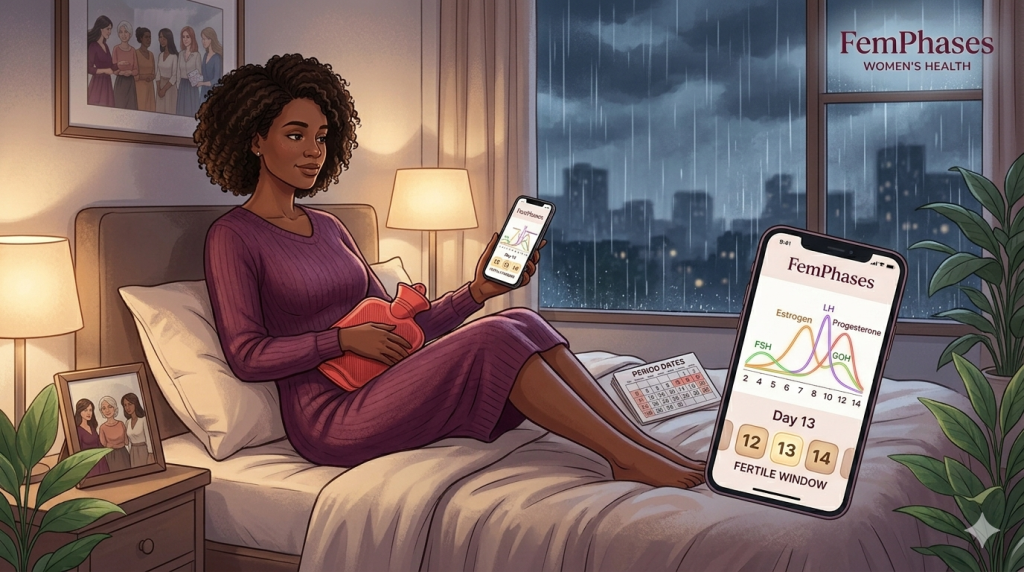
- Keep a cycle diary or use a trusted period-tracking app.
- Aim for regular sleep and stress reduction, because stress can affect cycle regularity.
- Support overall reproductive health with balanced nutrition and enough calories.
- Seek help for symptoms of PCOS, thyroid disease, or significant cycle disruption rather than trying to self-manage indefinitely.
- If you are trying to conceive, consider preconception care, including folic acid and medication review with a clinician (nhs.uk)
When medical fertility support may be needed
If periods are very irregular or absent, it may indicate that ovulation is not occurring regularly. In those cases, fertility-focused medical care may include:
- Evaluation for PCOS, thyroid disease, hyperprolactinemia, or other endocrine causes
- Ovulation induction medications in appropriate cases
- Referral to a gynaecologist or fertility specialist if pregnancy is not happening as expected
PCOS is one of the more common reasons for ovulation problems and infertility. (nhs.uk)
When to Take a Pregnancy Test
If you had unprotected sex during your period and are worried, take a pregnancy test:
- After a missed period, or
- About 3 weeks after the unprotected sex, if your cycles are irregular or you are unsure when your next period is due
Testing too early can give a false-negative result. If the first test is negative but your period still does not come, repeat it a few days later or speak with a clinician. This is especially important when fertility timing is uncertain. (nhs.uk)
When to See a Doctor
Please seek medical advice promptly if you have any of the following red flags:
- Severe one-sided pelvic pain
- Heavy bleeding, soaking through pads or tampons rapidly.
- Dizziness, fainting, or shoulder-tip pain
- A positive pregnancy test with pain or bleeding
- Irregular periods that are new, persistent, or worsening
- Periods that come more often than every 21 days or less often than every 35 days
- Bleeding that lasts longer than 7 days
- Signs of possible hormonal issues, such as unexpected weight change, excess facial hair, acne, fatigue, or temperature intolerance
- Concern about STI exposure or new genital symptoms such as discharge, pelvic pain, or sores (ACOG)
These symptoms do not always indicate a serious problem, but they warrant proper assessment.
Frequently Asked Questions
Q: Can you get pregnant on the first day of your period?
A: Yes, but it is generally less likely than later in the cycle. The risk rises if you have a short cycle, irregular ovulation, or long bleeding followed by early ovulation. Sperm can survive long enough for fertility and ovulation to overlap with recent period sex. (Planned Parenthood)
Q: Is it safer to have unprotected sex during your period?
A: No. It may be a lower risk for pregnancy for some people, but it is not a safe or reliable contraceptive strategy. There is still a pregnancy risk, and period sex does not protect against STIs. (Planned Parenthood)
Q: Can irregular periods make pregnancy during a period more likely?
A: They can make the risk harder to predict. Irregular cycles mean ovulation may not happen when expected, so calendar-based estimates of fertility are less dependable. (nhs.uk)
Q: How many days after period sex could pregnancy happen?
A: Fertilisation occurs only if sperm are still alive at the time of ovulation. Because sperm may survive for several days and the egg survives about 24 hours, pregnancy can result from sex that happened days before ovulation, even if that sex took place during bleeding. (Mayo Clinic)
Q: Should I use emergency contraception if I had sex on my period?
A: If pregnancy is not desired and the sex was unprotected or contraception may have failed, it is worth considering. Emergency contraception works within a limited time window, so the sooner you act, the better. (CDC)
Disclaimer
This content is for informational purposes only and does not constitute medical advice.