
Ovulation Pain: What It Feels Like, Why It Happens, and When to See a Doctor
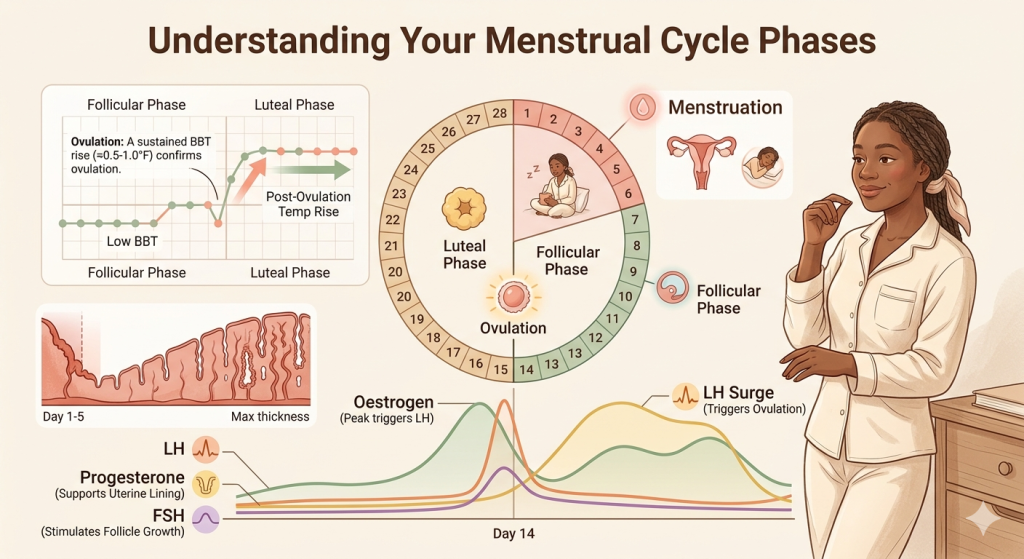
Have you ever felt a sharp twinge or dull ache on one side of your lower belly halfway through your cycle and wondered, “Is this normal?” It can be unsettling, especially if you are not expecting it. Many women notice a brief pain around ovulation and are unsure whether it is harmless, hormonal, or something that needs checking. Quick answer Ovulation pain is a one-sided lower abdominal pain that can happen around the time an ovary releases an egg. It may feel like a mild ache, pressure, cramping, or a sharp twinge, and it usually does not last long. For many women, it is normal and harmless. But if the pain is severe, keeps happening, or comes with heavy bleeding, fever, vomiting, or fainting, it is worth speaking to a doctor. What is Ovulation pain? Ovulation pain is pain or discomfort that happens around the middle of the menstrual cycle, close to the time of ovulation. Ovulation is when one of the ovaries releases an egg. This usually happens about 14 days before the next period, although timing can vary from person to person. This pain is sometimes called mittelschmerz, a German term meaning “middle pain.” The name sounds technical, but the experience is often simple: a cramp, ache, or sudden twinge on one side of the lower abdomen. Some women notice it every month. Others only feel it occasionally, and some never notice it at all. It can switch sides from month to month depending on which ovary releases the egg, though it does not always alternate in a neat pattern. Why does it happen? Ovulation pain is thought to happen because of the normal physical changes that take place when the ovary releases an egg. A few things may contribute: The follicle stretches the ovary: Before ovulation, the egg grows inside a fluid-filled sac called a follicle. As it grows, it may stretch the ovary’s surface and cause discomfort. The egg breaks free: During ovulation, the follicle ruptures to release the egg. That small burst can sometimes cause a sudden, sharp feeling. A small amount of fluid or blood may irritate nearby tissue: After the egg is released, a little fluid or blood can leak into the pelvis and irritate the lining there, which may cause aching or cramping. This is why the pain often feels low down in the abdomen and may be more noticeable on one side. Ovulation pain is not usually a sign that something is wrong. In many cases, it is simply one way the body’s monthly hormonal cycle can be felt. Basal Body Temperature Tracking for Ovulation Signs or symptoms Ovulation pain can feel different from one woman to another. It can also feel different from one cycle to the next. Common descriptions include: A sharp twinge on one side of the lower abdomen A dull ache or mild cramp A feeling of pressure or pulling in the pelvis Pain that lasts a few minutes, a few hours, or sometimes up to a day or two Mild spotting or light discharge at the same time Pain that happens around the middle of the cycle Some women also notice other signs of ovulation around the same time, such as: Clear, slippery, egg-white-like cervical mucus Mild bloating Increased sex drive Breast tenderness A slight rise in basal body temperature after ovulation Ovulation pain is usually much milder than pain caused by conditions like appendicitis, ovarian cyst complications, or pelvic infection. It may be uncomfortable, but it should not leave you unable to function. What is normal, and when to pay attention Ovulation pain is usually considered normal when it: Happens around the middle of the cycle Feels mild to moderate Lasts a short time Stays on one side Goes away on its own Does not come with alarming symptoms Mild ovulation pain can often be managed with simple measures such as: Resting for a while Using a warm compress or hot water bottle on the lower abdomen Drinking fluids Taking simple pain relief if it is safe for you and you have used it before as directed It is worth paying closer attention to the pain: Feels much stronger than usual Lasts longer than two days Happens at times that do not fit with ovulation Starts interfering with work, sleep, exercise, or daily life Keeps returning and seems to be getting worse Although ovulation pain can be normal, not all one-sided pelvic pain is ovulation pain. Pain in the lower abdomen can also have other causes, including: Ovarian cysts Endometriosis Pelvic inflammatory disease Fibroids Appendicitis Ectopic pregnancy Digestive or urinary problems That is why ongoing, severe, or unusual pain should not just be brushed aside. When to speak to a doctor It is a good idea to speak to a doctor if you are not sure the pain is due to ovulation or if something feels off. Seek medical advice if: The pain is severe or sudden It lasts more than 1–2 days You have a fever You feel sick, vomit, or cannot keep fluids down You faint, feel very dizzy, or feel weak You have heavy vaginal bleeding Sex becomes painful You have unusual vaginal discharge You might be pregnant The pain keeps coming back and is affecting your quality of life A medically responsible reminder: severe pelvic pain should not be self-diagnosed as ovulation pain, especially if it is new, intense, or paired with bleeding, fever, or pregnancy concerns. A doctor may ask about your cycle pattern, when the pain happens, how long it lasts, and whether you have other symptoms. In some cases, further checks may be needed to rule out other causes. Key takeaway Ovulation pain is a common type of mid-cycle pelvic pain that may feel like a one-sided ache, cramp, pressure, or sharp twinge. For many women, it is a normal part of the menstrual cycle and settles on its own. The main things to look for are timing, severity, and pattern. If the pain is mild, brief,
Ovulation Pain: What It Feels Like, Why It Happens, and When to See a Doctor Read More »