Femphases: Helping women understand hormones, emotions, and midlife health.

Trust Bar Marquee

Hormonal Health

Dehydration in Early Pregnancy: Can It Harm the Baby?

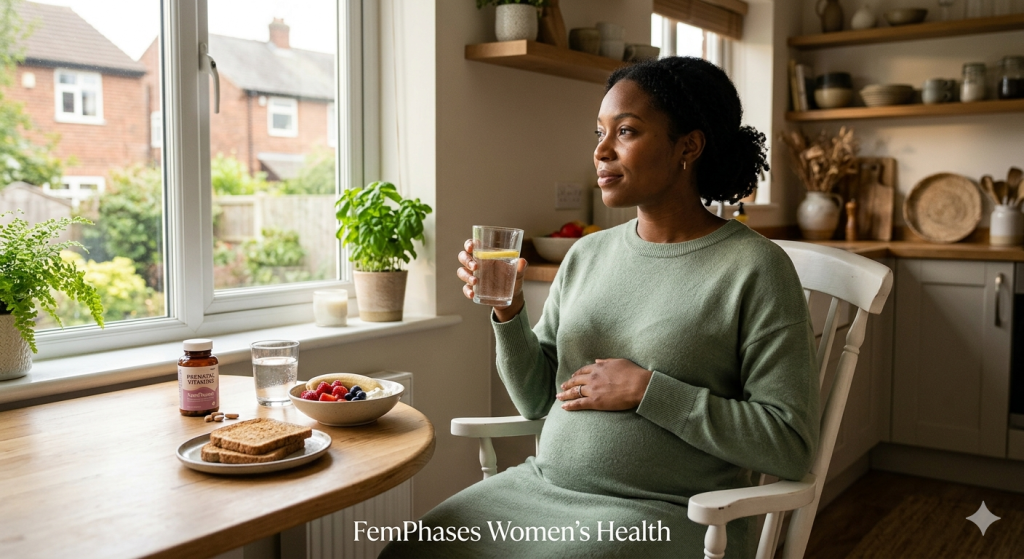
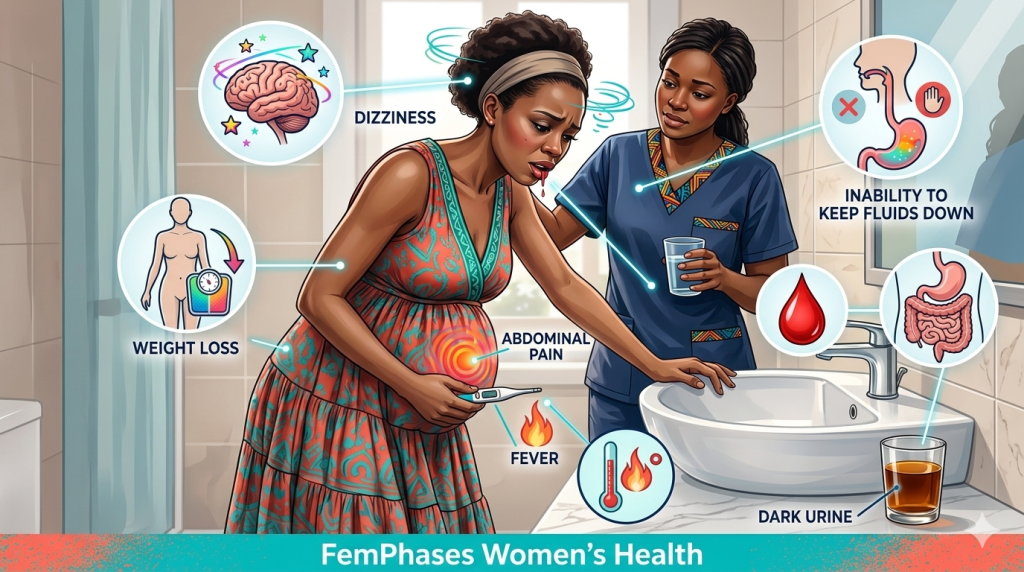
Dehydration in Early Pregnancy If you are worried about dehydration in early pregnancy, you are not overreacting. Many of us expect nausea, food aversions, and tiredness in the first trimester, but it can be frightening when you cannot keep fluids down or when you notice you are barely peeing. The reassuring part is that a short, mild episode of dehydration in early pregnancy is unlikely to harm the baby if corrected promptly. The part we should take seriously is this: ongoing, worsening, or severe dehydration needs prompt attention because it can affect your health and, if it leads to significant weight loss or prolonged illness, may also affect the baby indirectly. (nhs.uk) In this guide, we will walk through what dehydration in early pregnancy actually means, why it happens, what signs to watch for, what usually helps, and when to contact a midwife, GP, or maternity unit. What is it? Dehydration happens when your body loses more fluid than it takes in. In pregnancy, that balance can shift more easily because your body needs extra fluid to support increased blood volume, circulation, and the fluid around the baby. Water also helps move nutrients through your body and supports amniotic fluid production. (ACOG) Hyperemesis Gravidarum vs Morning Sickness: Signs to Watch Can dehydration in early pregnancy harm the baby? Usually, mild dehydration in early pregnancy is more of a warning sign than a direct threat. If you can drink again, recover quickly, and keep some food down, the baby is unlikely to be harmed. But persistent dehydration, especially when linked with repeated vomiting, weight loss, or hyperemesis gravidarum, can make you very unwell and may increase the chance of complications such as poor nutrition or a baby measuring smaller than expected. That is why early treatment matters. This is a careful clinical inference based on guidance indicating that ordinary morning sickness does not usually increase risk, whereas severe, untreated sickness with weight loss can. (nhs.uk) Why does it happen? The most common reason for dehydration in early pregnancy is nausea and vomiting. Morning sickness is very common and often starts between about 4 and 7 weeks of pregnancy. For many women, it improves by 16 to 20 weeks, but for some, it is much more severe. A. Common causes i. Morning sickness Even “normal” pregnancy sickness can make it hard to sip enough throughout the day, especially if water suddenly tastes unpleasant or triggers nausea. (Tommy’s) ii. Hyperemesis gravidarum This is the severe end of the spectrum. It can involve repeated vomiting, dehydration, low blood pressure, and weight loss. It needs a medical assessment. iii. Hot weather, sweating, or exercise You may lose fluid more quickly in warm conditions or if you are active and not replacing fluids. (ACOG) iv. Diarrhoea or a stomach bug If vomiting is accompanied by diarrhoea, fever, or tummy pain, a virus or food-related illness may be the cause. Evidence-based solutions Practical rehydration at home For mild dehydration in early pregnancy, the goal is steady replacement, not forcing large drinks all at once. Take small, frequent sips rather than large glasses. Try water, ice chips, diluted juice, clear soups, or oral rehydration fluids if tolerated. Sip more often during the day, not just when you feel thirsty. Eat small, plain foods if you can manage them, such as crackers, toast, rice, or pasta. (nhs.uk) How much should you aim to drink? Guidance varies slightly, but ACOG recommends 8 to 12 cups of water a day during pregnancy. In contrast, UK guidance commonly suggests 6 to 8 medium glasses, about 1.6 litres, with more if you are vomiting, sweating, or in hot weather. Rather than fixating on a perfect number, a useful practical sign is aiming for pale yellow urine. (ACOG) Medical interventions If you cannot keep fluids down, home care is no longer enough. Anti-sickness medication ACOG says vitamin B6 may be tried first, and doxylamine may also be used for nausea and vomiting in pregnancy. RCOG and the NHS also note that safe anti-sickness medicines can be prescribed in pregnancy when symptoms are affecting daily life. (ACOG) Intravenous fluids If dehydration becomes moderate or severe, you may need fluids through a drip. This is a common treatment for severe vomiting or hyperemesis gravidarum. (nhs.uk) Hospital assessment If vomiting persists, clinicians may also check urine, perform blood tests, assess weight loss, and monitor electrolyte levels. (NICE CKS) Morning Sickness Relief in Pregnancy: What Helps and When to Worry   Signs or symptoms Common signs of dehydration feeling very thirsty dark yellow or strong-smelling urine peeing less often than usual dizziness or light headedness tiredness or weakness dry mouth, lips, or eyes headache constipation (nhs.uk) Signs it may be more serious not peeing for 8 hours or more being unable to keep fluids down for 24 hours feeling faint when standing weight loss vomiting blood severe tummy pain fever or a racing heartbeat (nhs.uk) What is normal and when to pay attention Some nausea, reduced appetite, and the occasional day when drinking feels difficult can be part of normal early pregnancy. Morning sickness often feels miserable, but it does not usually put the baby at increased risk on its own. (nhs.uk) What is not something to brush off is worsening dehydration in early pregnancy that keeps coming back, stops you from functioning, or comes with repeated vomiting and weight loss. That is the point where it moves from “common pregnancy discomfort” to “needs assessment.” (nhs.uk) Holistic and lifestyle changes Nutrition and hydration habits that may help i. Eat little and often. An empty stomach can make nausea worse. Small meals and snacks may be easier to tolerate. (nhs.uk) ii. Choose cold or bland foods. Cold foods sometimes smell less strongly and trigger less nausea. (nhs.uk) iii. Keep fluids nearby A water bottle by the bed, sofa, or desk can make sipping easier. (Tommy’s) iv. Watch caffeine and sugary drinks. Some drinks count toward fluids, but too much caffeine is not advised in pregnancy, and very sugary

Dehydration in Early Pregnancy: Can It Harm the Baby? Read More »
Morning Sickness Relief in Pregnancy: What Helps and When to Worry

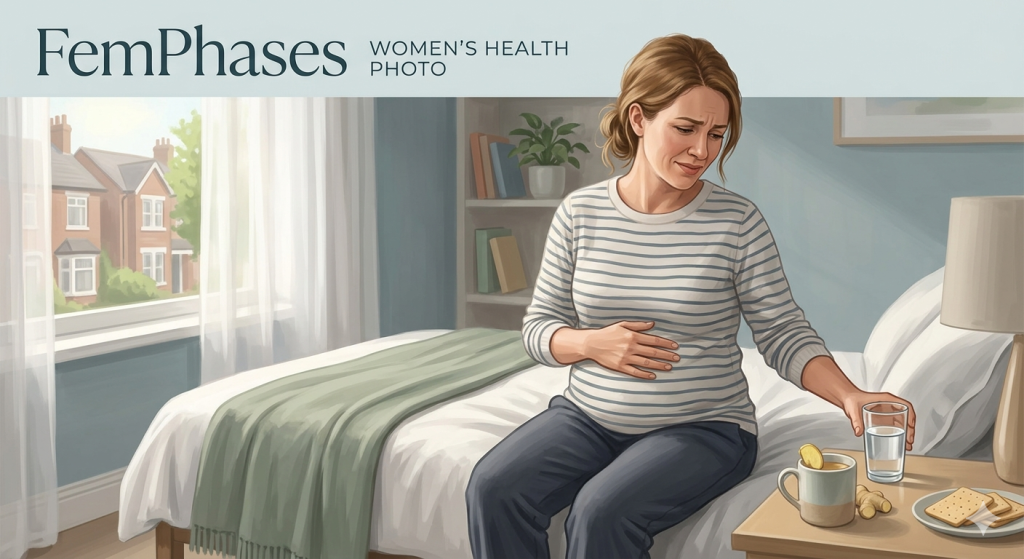
Introduction If you are searching for morning sickness relief in pregnancy, there is a good chance you are not just feeling a little queasy. You may be exhausted, put off by smells you used to ignore, struggling to eat, or wondering whether what you are feeling is still “normal.” Many of us grow up hearing the phrase morning sickness, but the reality is often much more disruptive, much less tidy, and not limited to the morning at all. The good news is that morning sickness relief in pregnancy is possible, and there are practical, evidence-based ways to make symptoms more manageable. In this guide, we will walk through why nausea and vomiting occur in pregnancy, which symptoms are common, which treatments actually help, when medication may be appropriate, and when symptoms require medical attention. We will also cover the red flags that may point to hyperemesis gravidarum, the more severe end of the spectrum. What is morning sickness? Morning sickness is the common name for nausea and vomiting of pregnancy. Despite the name, it can happen at any time of day or night. It usually begins early, often between 4 and 7 weeks of pregnancy, and for many women it starts to improve by 16 to 20 weeks. It is extremely common, and mild to moderate symptoms are part of many healthy pregnancies. (RCOG) Still, common does not mean easy. Morning sickness can affect appetite, sleep, work, mood, hydration, and day-to-day functioning. That is why honest, practical morning sickness relief in pregnancy matters so much. Why does morning sickness happen? Morning sickness is not caused by weakness, anxiety, or “doing pregnancy badly.” It is linked to the normal biological changes of early pregnancy. One of the main drivers appears to be rising pregnancy hormones. The placenta produces hormones very early, and these seem to affect the stomach, appetite, and the brain’s nausea pathways. The Royal College of Obstetricians and Gynaecologists notes that pregnancy sickness is thought to be related to hormones, and research suggests that GDF-15, a hormone produced by the placenta, may play an important role in nausea and appetite loss. (RCOG) Other factors may make symptoms more noticeable, too: A heightened sense of smell Slower stomach emptying Fatigue Hunger or long gaps without eating Carrying twins or higher-order multiples A personal history of severe pregnancy sickness A previous history of hyperemesis gravidarum (RCOG) This is one reason morning sickness relief in pregnancy usually works best when we look at the whole picture: food, fluids, triggers, rest, and symptom severity. Symptoms and signs You may be experiencing: Persistent nausea, with or without vomiting Vomiting after meals Dry heaving or retching A strong aversion to smells, foods, or textures Feeling worse when your stomach is empty Loss of appetite Excess saliva Dizziness or weakness Trouble drinking enough fluids Fatigue from repeated nausea or vomiting Symptoms that last all day, not just in the morning Some women mainly feel queasy. Others vomit several times a day. Both experiences can be distressing, and both deserve support. What actually helps with morning sickness relief in pregnancy? For many women, the most effective approach is not one miracle remedy but a combination of small, practical strategies. a. Eat little and often An empty stomach can make nausea worse. Small, frequent meals or snacks may be easier to tolerate than three large meals. NHS guidance suggests trying 6 small meals a day rather than larger meals. (nhs.uk) Helpful choices often include: Dry toast Plain crackers or biscuits Plain rice or pasta Potatoes Cereal Banana Simple protein snacks you can tolerate b. Drink in small, regular sips Hydration matters, but big drinks can sometimes trigger vomiting. Small sips throughout the day work better than trying to drink a full glass at once. Water, ice chips, diluted juice, or oral rehydration drinks may be easier on the stomach. NHS advice emphasises the importance of staying hydrated, and the inability to keep fluids down is a warning sign that needs attention. (nhs.uk) c. Keep bland foods nearby Many women do better with bland, dry foods, especially before getting out of bed or during long gaps between meals. NHS advice includes foods such as plain biscuits, dry bread, toast, pasta, and jacket potatoes. (nhs.uk) d. Avoid strong triggers Common triggers include: Cooking smells Greasy or spicy food Hot rooms Fatigue Long car journeys Certain toothpaste flavours Strong perfumes Trying colder foods may help because they often smell less intense. e. Ginger may help NICE recommends that women with mild to moderate nausea and vomiting who prefer a non-drug option can try ginger. NHS guidance also notes that some people find ginger helpful. (NICE) You might try: Ginger tea Ginger biscuits Ginger chews Ginger ale made with real ginger It is sensible to check with a pharmacist or maternity clinician before taking concentrated ginger supplements. f. Acupressure may be worth trying Acupressure wristbands are not a guaranteed fix, but some women do find them useful. NICE says acupressure can be considered as an adjunct treatment for moderate to severe nausea and vomiting, and NHS pregnancy guidance mentions wristbands as something some people find helpful. (NICE) g. Rest matters more than it sounds Exhaustion can intensify nausea. Rest will not “cure” pregnancy sickness, but being overtired often makes symptoms more difficult to tolerate. Where possible, lowering physical demands for a short period may help. Medical interventions that may be used Sometimes lifestyle changes are not enough. That is not failure. It simply means symptoms may need medical treatment. NICE recommends offering an antiemetic to pregnant women who choose pharmacological treatment for nausea and vomiting in pregnancy, after discussing the benefits and drawbacks. (NICE) a. Vitamin B6 and doxylamine ACOG states that vitamin B6 (pyridoxine) is a safe over-the-counter option that may be tried first, and doxylamine may be added if needed; a prescription combination product is also available in some settings. (acog.org) b. Prescription anti-sickness medicines Depending on where you live, medicines commonly considered include: Doxylamine/pyridoxine Cyclizine Promethazine Metoclopramide Prochlorperazine

Morning Sickness Relief in Pregnancy: What Helps and When to Worry Read More »

Early Pregnancy Nutrition: What Matters in the First 12 Weeks

Early Pregnancy Nutrition: What Matters in the First 12 Weeks If you are in early pregnancy and food suddenly feels confusing, unappealing, or even impossible to eat, you are not doing anything wrong. For many of us, the first trimester is not glowing or graceful. It can be a strange mix of joy, worry, nausea, food aversions, exhaustion, and the pressure to “eat perfectly” at the exact time eating may feel hardest. The good news is that early Pregnancy nutrition does not need to look flawless to be effective. What matters most is understanding the basics, knowing which nutrients truly count, staying safe with food, and getting help early if symptoms are making it hard to cope. In this guide, we will walk through what your body is doing in the first 12 weeks, which nutrients matter most, what to do if nausea takes over, which foods and supplements require extra caution, and exactly when symptoms cross the line from common to something that needs medical support. (nhs.uk) Why early pregnancy nutrition matters The first 12 weeks of pregnancy are a major period of growth. Long before a bump appears, your baby’s brain, spinal cord, heart, and other early structures are developing rapidly. That is why nutrition in early pregnancy matters so much: this is a time of fast cell growth, placental development, and hormonal change, all happening in a relatively short window. Folic acid is especially important in these early weeks because it helps reduce the risk of neural tube defects, which affect the developing brain and spine. In the UK, standard guidance is 400 micrograms of folic acid daily until 12 weeks of pregnancy, with 5 mg daily recommended for some higher-risk groups, such as people with diabetes, certain blood disorders, previous affected pregnancies, or medicines that interfere with folate metabolism. (nhs.uk) Vitamin D matters too. It supports healthy bone development and the functioning of other body systems, including the baby’s developing skeleton and organs. NHS guidance recommends 10 micrograms of vitamin D daily during pregnancy. Alongside this, a balanced diet helps provide energy, protein, iron, calcium, iodine, fibre, and other nutrients that support both you and the pregnancy, even if day-to-day eating is less than ideal. (nhs.uk) Folic Acid, Prenatal Vitamins, and What You Need Before Pregnancy What is happening in the first 12 weeks The “why” in simple terms Early pregnancy is hormonally intense. Rising levels of human chorionic gonadotropin (hCG) and oestrogen are linked with nausea and smell sensitivity. At the same time, progesterone relaxes smooth muscle, which can slow digestion and contribute to bloating, reflux, and constipation. At the same time, blood volume is beginning to rise, your metabolism is shifting, and your body is prioritising the growth of the placenta and embryo. That is why you might feel ravenous one day, repulsed by food the next, and far more tired than usual. None of this means you are failing at nutrition. It means your body is doing a lot, very early. (ACOG) The key point is this: in early pregnancy, perfection is not the target. Consistency with the essentials is. Small, manageable, repeated choices often matter more than ideal meals. Common symptoms that can affect eating Many people in early Pregnancy notice symptoms that directly change appetite, food tolerance, and hydration. You might be feeling: Nausea, especially in the morning or when your stomach is empty Vomiting or gagging when brushing teeth, smelling food, or eating certain textures Food aversions, often to meat, eggs, coffee, fried foods, or strongly scented meals Heightened sense of smell that makes normal kitchen smells unbearable Extreme fatigue, making shopping, cooking, and meal prep feel impossible Bloating, reflux, or indigestion Constipation from hormonal changes and slower digestion Sudden cravings or a preference for very plain foods Anxiety around eating “the right things” while struggling to eat much at all (ACOG) These symptoms are common, but they still deserve care and practical support. The nutrients that matter most Folic acid This is the non-negotiable supplement in early pregnancy. Standard UK guidance is 400 micrograms daily from before conception until 12 weeks. If you did not start before becoming pregnant, start as soon as you find out you are pregnant. Higher-dose 5 mg folic acid is recommended for certain people at increased risk, and that should be discussed with a GP or maternity clinician. (nhs.uk) Food sources of folate include leafy greens, legumes, citrus, and fortified cereals, but diet alone is usually not enough to reliably meet the recommended amount in early pregnancy. (nhs.uk) Vitamin D The NHS advises 10 micrograms daily during pregnancy. This is usually taken as a supplement because food sources and sunlight alone are often not enough, especially in the UK. (University Hospitals Birmingham) Protein You do not need to “eat for two” in the first trimester, but you do need regular nourishment. Protein supports tissue growth and helps with steadier energy and fullness. Good options include eggs, beans, lentils, yoghurt, milk, tofu, fish, chicken, and nut butters. If nausea is severe, smaller protein portions spread throughout the day may feel more manageable than a single large meal. Iron, calcium, iodine, and fibre These all matter in pregnancy, but they do not usually require separate supplements unless advised by a clinician. In practice, it helps to think in terms of food groups: dairy or fortified alternatives for calcium; eggs and seafood for iodine; beans and leafy greens for iron; and fruit, vegetables, oats, and wholegrains for fibre. If constipation is creeping in, fluid and fibre together usually work better than fibre alone. Fish and healthy fats Fish can be a useful source of protein and omega-3 fats. FDA/EPA guidance advises pregnant people to eat 8 to 12 ounces of lower-mercury fish per week. In contrast, NHS guidance notes that some fish should be limited or avoided due to mercury or other pollutant exposure. (U.S. Food and Drug Administration) Earliest Signs of Pregnancy: What They Mean and When to Test What to eat when nausea is

Early Pregnancy Nutrition: What Matters in the First 12 Weeks Read More »

Early Menopause vs Premature Ovarian Insufficiency (POI ) Explained

Introduction If you have been told you might be facing menopause earlier than expected, or someone has mentioned premature ovarian insufficiency, it can feel confusing, frightening, and strangely lonely. Many of us hear these terms used almost interchangeably, even though they do not always mean the same thing. (nhs.uk) In this guide, we will walk through the differences between early menopause and premature ovarian insufficiency (POI), why the distinction matters, the symptoms that may appear, how diagnosis is made, what treatments may help, and when it is important to seek medical care. The aim is to help you feel informed, calmer, and better prepared for your next step. (nhs.uk) What is menopause? Menopause is usually diagnosed after 12 months without a period when there is no other medical explanation. In the UK, the average age of natural menopause is around 51. (NICE) Early menopause means menopause happens before age 45. Premature menopause means it happens before age 40. The NHS uses these age-based definitions, but in clinical practice, people under 40 with ovarian dysfunction are often assessed for premature ovarian insufficiency, which is a more precise diagnosis than simply saying “early menopause.” (nhs.uk) Perimenopause Symptom Checker Early menopause vs premature ovarian insufficiency: the key difference Here is the simplest way to understand it: Early menopause This is an umbrella term based on age. It describes menopause happening earlier than expected, especially before 45. It may happen naturally, after surgery, or after treatments such as chemotherapy or radiotherapy. (nhs.uk) Premature ovarian insufficiency (POI) POI is a medical condition in which the ovaries stop working normally before age 40, shown by irregular or absent periods together with hormone test results that confirm reduced ovarian function. Importantly, POI does not always indicate that ovarian function has permanently stopped. Some people still have intermittent ovarian activity. (ESHRE) So what is the real difference? The difference is that menopause usually implies that periods have ended permanently, while POI means the ovaries are underperforming before 40 and may work sporadically. That matters for diagnosis, treatment planning, fertility counselling, and contraception advice. (nhs.uk) Why this happens: the Hormone Story Our ovaries do more than release eggs. They also make hormones, especially oestrogen and progesterone, which affect periods, vaginal tissues, bones, the heart and blood vessels, sleep, mood, and temperature regulation. When ovarian function declines, oestrogen levels fall, and the brain responds by producing more follicle-stimulating hormone (FSH) in an effort to encourage the ovaries to work harder. (Leeds Teaching Hospitals Flipbooks) In natural menopause, this process usually unfolds gradually. In POI, the same low-oestrogen pattern can happen much earlier, before 40, and ovarian activity may be intermittent rather than completely absent. That is why someone with POI may still have occasional periods or even, in some cases, ovulate unexpectedly. (ESHRE) This lower lifetime exposure to oestrogen matters. When it happens young, it can affect bone density, cardiovascular health, urogenital tissues, and overall quality of life if not recognised and managed properly. (ACOG) Perimenopause vs. Menopause: The 10-Year Transition No One Explains Symptoms and signs to look out for The symptoms of menopause, early menopause, and POI can overlap. What many people notice first is a change in their cycle, but the body often gives other clues too. (NICE) You might experience: Periods becoming irregular, lighter, farther apart, or stopping altogether Hot flushes Night sweats Vaginal dryness Pain during sex Reduced sex drive Difficulty sleeping Low mood Anxiety Problems with memory or concentration Joint or muscle aches Fatigue Trouble conceiving or unexpected infertility concerns (nhs.uk) Not everyone gets dramatic hot flushes. Sometimes the earliest clue is simply that your periods are no longer behaving the way they used to. (NICE) What causes early menopause and POI? Sometimes there is a clear reason. Often, there is not. Common or recognised causes include: Genetic or chromosomal factors, such as Turner syndrome or an FMR1 premutation Autoimmune conditions Chemotherapy Radiotherapy Surgery to remove the ovaries Some cases are linked to other medical treatments or ovarian damage No identifiable cause, which is common in POI (ACOG) Family history, smoking, low body weight, and starting periods early have also been associated with a higher chance of earlier menopause. (nhs.uk) One important clinical point is that POI is not always the same as natural menopause happening early. It can be spontaneous, genetic, autoimmune, or treatment-related, and that is one reason proper assessment matters. (ESHRE) How doctors diagnose POI and early menopause If symptoms suggest menopause under age 45, and especially under 40, the next step is usually a careful history plus hormone testing. NICE and ESHRE recommend thinking about POI in people under 40 who have no periods or infrequent periods for at least 4 months, especially when menopausal symptoms are present. (ESHRE) Diagnosis of POI is generally made when there are: Irregular or absent periods for at least 4 months High FSH levels on testing, showing ovarian insufficiency before age 40 (ESHRE) A doctor may also look for an underlying cause, which can include genetic testing or evaluation for autoimmune conditions, depending on the clinical picture. (ACOG) If both ovaries have been surgically removed before age 40, the diagnosis is straightforward and further hormone confirmation is not usually needed. (ESHRE) Evidence-based treatment options a. Evidence-Based Solutions Treatment depends on age, symptoms, medical history, fertility goals, and whether there are any reasons that hormones are not safe for you. The key goal is not just symptom relief. In younger women with POI, treatment is also used to help protect bone and cardiovascular health until at least the age of natural menopause, unless there is a contraindication. (NICE) b. Medical Interventions i. Hormone replacement therapy (HRT) For many people with POI, HRT is a first-line treatment unless there is a reason it should not be used. ACOG states that hormone therapy is indicated to reduce the risk of osteoporosis, cardiovascular disease, and urogenital atrophy, while improving quality of life. NICE advises continuing hormonal treatment until at least the age of natural menopause. (ACOG) ii.

Early Menopause vs Premature Ovarian Insufficiency (POI ) Explained Read More »

Oestrogen Dominance: 12 Signs Your Progesterone Is Too Low

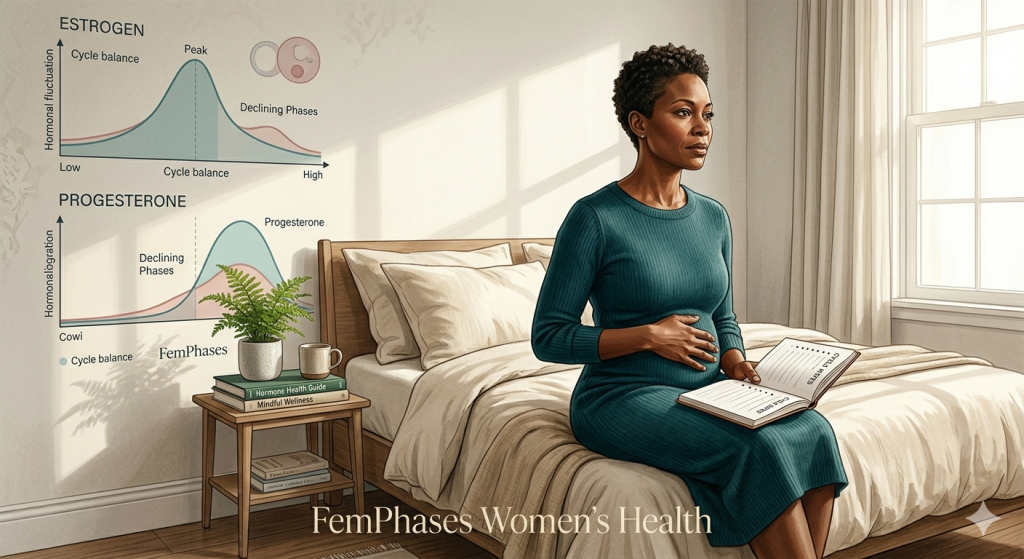
Introduction If you have been feeling unlike yourself lately, you are not imagining it. Many of us notice changes in our cycles, mood, sleep, breasts, skin, or energy and wonder whether our Hormone Health is shifting underneath it all. When people use the phrase “oestrogen dominance,” they are usually describing a pattern where oestrogen’s effects feel stronger because progesterone is too low, especially in the second half of the cycle or during perimenopause. Strictly speaking, oestrogen dominance is not a formal medical diagnosis, but the symptoms people mean by it can be very real and deserve proper assessment. (The Menopause Consortium) In this guide, we will walk through 12 common signs that progesterone may be too low, explain the biology in clear language, and cover both evidence-based medical options and supportive lifestyle steps to help you feel steadier, more informed, and in control of your Hormone Health. We will also cover the important red flags that should not be brushed aside. Oestrogen Balance Self Assessment Why this happens: the hormone mechanism in plain English Oestrogen and progesterone are not “good” and “bad” hormones. They are a team. Oestrogen helps build up the uterine lining and plays a role in bone health, brain function, skin, and metabolism. Progesterone rises after ovulation and helps balance that build-up, stabilise the lining, and prepare the body for a possible pregnancy. (Cleveland Clinic) When you do not ovulate regularly, you may not make enough progesterone. That can happen in perimenopause, with some cases of PCOS, during times of major stress, after significant weight change, with thyroid issues, or when cycles become irregular for other reasons. The result is not always “too much oestrogen” in an absolute sense. Often, there is too little progesterone relative to oestrogen’s effects. (Endocrine) This matters because progesterone helps keep the uterine lining from being overstimulated. Without enough progesterone, some people develop heavier periods, more spotting, breast tenderness, bloating, and cycle-related mood changes. In menopause care, this is also why people with a uterus who take systemic oestrogen usually need a progestogen alongside it to protect the endometrium. (NICE) So if your Hormone Health feels off, the issue may not be a trendy hormone label. It may be a very understandable pattern of ovulation changes, low progesterone, changing cycle signals, or a separate gynaecological condition that needs treatment. 12 signs your progesterone may be too low Below are the symptoms many women describe when they talk about “oestrogen dominance.” None of these signs proves a diagnosis on its own, but together they can paint a useful picture. Heavy periods If you are soaking through pads or tampons faster than usual, passing clots, or finding your periods are disrupting work, sleep, or daily life, low progesterone can be part of the story because the uterine lining may be less well-regulated. Heavy bleeding is not considered normal and deserves assessment. (acog.org) Shorter cycles or more frequent periods Some women notice their cycle shortening, for example, from 28 days to 24 or 21 days. This can happen when ovulation becomes less predictable and progesterone support in the second half of the cycle drops. (acog.org) Spotting before your period Brown spotting or light bleeding in the days leading up to a period can sometimes indicate a weaker luteal phase, meaning progesterone may not stay high enough for long enough. (Endocrine) Breast tenderness or swollen breasts Sore, full, or lumpy-feeling breasts often get worse when hormonal balance is shifting. Breast tenderness is commonly reported with hormone fluctuations and can be especially noticeable in perimenopause. (nhs.uk) Bloating and fluid retention Feeling puffy, swollen, or uncomfortable around your abdomen can show up when hormones fluctuate, especially in the premenstrual phase. (nhs.uk) Worse PMS If the week or two before your period feels like a completely different version of you, progesterone may be part of the picture. PMS can include mood symptoms, breast pain, headaches, bloating, irritability, and food cravings. (nhs.uk) Mood swings, anxiety, or feeling emotionally less resilient Hormonal fluctuations can affect neurotransmitters and sleep, which, in turn, can affect mood. During the menopausal transition, mood changes and anxiety are common enough that NICE specifically recommends considering menopause-focused CBT for some women. (nhs.uk) Sleep problems You may feel wired at night, wake often, or sleep lightly in the days leading up to your period. Sleep can worsen during times of hormonal change, particularly in perimenopause and menopause. (nhs.uk) Headaches or menstrual migraines Hormone fluctuations, especially around the late luteal phase and period, can trigger headaches in some women. (nhs.uk) Lower libido Low progesterone is not the only cause of low desire, but shifting sex hormones, fatigue, stress, sleep loss, and mood changes can all feed into reduced libido. (Cleveland Clinic) Irregular ovulation or fertility struggles Progesterone rises after ovulation, so if you are not ovulating regularly, progesterone may remain low. That can affect cycle predictability and make conception harder. (Endocrine) Symptoms worsening in perimenopause For many women, this pattern becomes more obvious in their 40s because ovulation becomes more erratic before periods stop completely. Perimenopause can bring irregular bleeding, breast tenderness, sleep disruption, mood changes, and cycle unpredictability. (acog.org) What else can look similar? This is an important Hormone Health point: symptoms that get blamed on “oestrogen dominance” may actually be caused by something else. Heavy or irregular bleeding can also happen with fibroids, adenomyosis, endometrial polyps, thyroid problems, PCOS, pregnancy-related issues, medication effects, or endometrial changes. Fibroids in particular can cause heavy bleeding, pelvic pain, and pressure symptoms. (acog.org) That is why we should be cautious about self-diagnosing based solely on social media. A proper history and examination, and sometimes blood tests, cervical screening review, ultrasound, or endometrial assessment, may be needed depending on your age and symptoms. (acog.org) Hormonal Imbalance in Women: Signs, Causes, and When to Seek Help Evidence-based solutions Medical interventions Treatment depends on your age, symptoms, bleeding pattern, pregnancy plans, medical history, and whether you are in your reproductive years, perimenopause, or menopause. HRT or prescribed progesterone If you are in perimenopause

Oestrogen Dominance: 12 Signs Your Progesterone Is Too Low Read More »

Perimenopause vs. Menopause: The 10-Year Transition No One Explains

The part nobody prepares us for Menopause is often talked about as if it is one single moment. One day you are “fine,” and the next day you have crossed some invisible line into a new stage of life. But for most of us, that is not how it unfolds at all. What many women actually live through is a long, confusing transition that can stretch over several years. Periods change. Sleep changes. Mood changes. Your body can start to feel unfamiliar before you have missed enough periods even to be called “in menopause.” That experience is real, common, and deeply under-explained. (nhs.uk) In this guide, we will walk through the difference between perimenopause and menopause, why symptoms can begin years earlier than expected, what is happening hormonally, what treatments are backed by evidence, and when symptoms should not be brushed off. The goal is simple: to help us understand what our bodies are doing, so we can respond with clarity instead of confusion. (nhs.uk) Perimenopause vs menopause: what is the difference? a. Perimenopause Perimenopause is the transition leading up to menopause. During this phase, the ovaries gradually become less consistent in releasing eggs and producing hormones, especially oestrogen and progesterone. It often begins in the 40s, but timing varies. ACOG notes that perimenopause may last from about ages 45 to 55, although some women notice changes earlier. (ACOG) This is why many women say, “I do not feel like myself anymore,” even while they are still having periods. You can absolutely be in perimenopause while still menstruating. In fact, irregular or changing periods are often one of the earliest signs. (nhs.uk) b. Menopause Menopause is not the whole transition. It has a specific medical definition: the point when you have gone 12 months in a row without a menstrual period. After that point, you are considered postmenopausal. (nhs.uk) That distinction matters. Perimenopause is the lead-up. Menopause is the milestone. Post menopause is what comes after. Perimenopause Symptom Checker Why it feels like a “10-year transition” People often describe this as a decade-long shift because symptoms may begin years before the final period and persist afterwards. NHS and NIH guidance both note that symptoms can start years before periods stop and may carry on beyond that point. (nhs.uk) Whydoes this happen: the hormone changes behind the symptoms This is the part we deserve to have explained clearly. During the reproductive years, oestrogen and progesterone rise and fall in a more predictable rhythm. In perimenopause, that rhythm becomes less steady. The ovaries start working less reliably, ovulation becomes more irregular, and hormone levels fluctuate more dramatically. That hormonal unpredictability is what drives so many of the symptoms. (ACOG) Oestrogen affects much more than periods. It interacts with the brain, blood vessels, bones, bladder, vagina, skin, sleep regulation, and temperature control. So when oestrogen swings up and down, it can show up as hot flushes, night sweats, anxiety, low mood, sleep disruption, vaginal dryness, joint discomfort, and brain fog. (nhs.uk) Progesterone also changes. Because ovulation becomes less predictable, progesterone can drop unevenly as well. That can contribute to cycle changes, sleep disruption, and a general sense that your body is no longer running on the patterns you knew for years. This is also why one blood test often does not “capture” what is happening. NICE advises that in people aged 45 or over with typical symptoms, menopause and perimenopause are usually diagnosed based on symptoms and menstrual history rather than broad hormone testing. (NICE) Symptoms you might notice during the transition The symptoms of menopause and perimenopause can be physical, emotional, cognitive, and sexual. They also vary widely. Some women have a few mild symptoms. Others feel as though every system in their body has changed at once. NHS, ACOG, and NIH sources describe a broad symptom pattern that can include: (nhs.uk) Irregular periods Heavier or lighter bleeding than usual Hot flushes Night sweats Sleep problems or waking at 3 a.m. for no obvious reason Mood changes, including irritability, anxiety, or low mood Brain fog, poor concentration, or forgetfulness Reduced libido Vaginal dryness Pain during sex Urinary symptoms, including urgency or recurrent discomfort Palpitations Headaches Aches, stiffness, or joint discomfort Changes in body composition or weight distribution Low confidence or a sense of not feeling like yourself None of this means you are failing to cope. It means the transition is affecting real biology. What can help: evidence-based treatment options There is no single “right” way to move through menopause. Treatment should be based on symptoms, medical history, personal preference, and what matters most in your daily life. NICE recommends individualised menopause care and shared decision-making rather than a one-size-fits-all approach. (NICE) A. Medical interventions i. Hormone replacement therapy (HRT) For many women, HRT is the most effective treatment for vasomotor symptoms such as hot flushes and night sweats. NICE recommends offering HRT for menopause-related vasomotor symptoms, and ACOG describes hormone therapy as a standard treatment option for several common symptoms. (NICE) HRT may also help with: Sleep disrupted by hot flushes Vaginal dryness and discomfort Mood symptoms linked to the transition Bone protection in some women, especially when menopause happens early (ACOG) There are different forms: Oestrogen-only HRT is usually used if you no longer have a uterus. Combined oestrogen and progestogen HRT is used if you still have a uterus, because oestrogen alone can thicken the uterine lining and raise endometrial cancer risk (ACOG) Transdermal options, such as patches or gels, may be preferred in some people because the route of administration can affect clotting risk. ACOG notes that oral oestrogen may have a more prothrombotic effect than transdermal oestrogen. (ACOG) ii. Vaginal oestrogen If your main symptoms are vaginal dryness, burning, urinary irritation, or pain with sex, local vaginal oestrogen can be very effective and uses much lower systemic exposure than whole-body HRT. (National Institute on Ageing) B. Nonhormonal prescription options If HRT is not suitable, not wanted, or not the best fit, there are still evidence-based options.

Perimenopause vs. Menopause: The 10-Year Transition No One Explains Read More »

AMH and Fertility: What Low or High AMH Really Means

Introduction If you’ve had a fertility blood test and your AMH result has left you anxious, you’re not alone. A lot of women search for AMH and fertility because they want one simple answer: Does this result mean I can or cannot get pregnant? That question matters, especially when you are trying to conceive, thinking about waiting, or feeling unsettled by a number on a lab report. The truth is that AMH can give useful information, but it does not tell the whole story. Quick answer: AMH is a hormone that helps estimate your ovarian reserve, which means the number of eggs remaining in your ovaries. It can help doctors understand how your ovaries may respond to fertility treatment, but it does not reliably predict whether you can get pregnant naturally right now. Age, ovulation, egg quality, sperm health, and your overall reproductive health still matter a great deal. (ACOG) What is it? AMH stands for anti-Mullerian hormone. It is made by small follicles in the ovaries. Because those follicles contain immature eggs, AMH is often used as a marker of ovarian reserve. In plain English, it gives a rough idea of how many eggs are left compared with what is expected for your age. (Cleveland Clinic) What does AMH tell you? AMH and fertility are linked mainly through ovarian reserve. A higher AMH level usually suggests a higher number of remaining eggs, while a lower AMH level usually suggests fewer remaining eggs. (Cleveland Clinic) What AMH cannot tell you? This is the part many women are not told clearly enough: AMH does not measure egg quality, and it does not reliably predict whether you will get pregnant naturally this month or next. ACOG advises that a single AMH level in women not already seeking fertility care should not be used to predict natural fertility or the exact timing of menopause. (ACOG) AMH Level Interpretation Guide Why doctors use it Doctors often use AMH as part of a bigger fertility picture, especially when planning IVF or other fertility treatment, because it can help predict how strongly the ovaries may respond to stimulation medicines. (ASRM) Why does it happen? AMH levels change because your ovarian reserve changes over time. Age is the main reason. AMH usually falls with age because the number of eggs in the ovaries naturally declines over time. That decline is normal. (MedlinePlus) Other things that may affect AMH 1. Higher AMH Higher AMH can sometimes be seen in women with PCOS, because the ovaries may contain more small follicles. A high result does not automatically mean better fertility. In some cases, it may point to ovulation problems rather than an advantage. (UHCW) 2. Lower AMH Lower AMH may happen with age, diminished ovarian reserve, certain medical conditions, or after treatments that affect the ovaries, such as some cancer treatments. It may also reflect that your egg supply is lower than average for your age. (Cleveland Clinic) One result never tells the full story. AMH and fertility should never be judged by a single number alone. Doctors usually consider your age, menstrual history, ultrasound findings, medical history, and, sometimes, other hormone tests. (ASRM) Signs or symptoms AMH itself does not usually cause symptoms. You cannot feel your AMH level. What women often notice instead are signs of an underlying issue that may sit alongside an abnormal AMH result. Possible signs that deserve attention periods that are very irregular or absent difficulty getting pregnant Symptoms of PCOS, such as acne, excess facial hair, or cycle irregularity a history of endometriosis, ovarian surgery, chemotherapy, or pelvic infections early signs of perimenopause, such as changing cycles or hot flushes in some women (ASRM) A normal cycle does not always mean a normal AMH. Some women with low AMH still have regular periods and may still ovulate. That is one reason AMH and fertility can feel confusing. A lower AMH does not automatically mean pregnancy is impossible. (ACOG) What is normal, and when to pay attention This is where many women want a neat chart, but AMH ranges vary by lab, test method, and age. That means a result should always be interpreted using the lab’s reference range and your personal situation. (ASRM) What is usually considered reassuring A result within the expected range for your age can be reassuring, but it still does not guarantee easy conception. Fertility depends on much more than ovarian reserve. (ACOG) When a low AMH matters more A low AMH deserves more attention if: a. You are over 35 Age and ovarian reserve together matter more than either one alone. (ACOG) b. You have been without success. If you are under 35, evaluation is generally recommended after 12 months of trying. If you are 35 or older, it is recommended after 6 months. If you are over 40, or you have known issues such as irregular periods, endometriosis, or previous ovarian surgery, it is reasonable to seek help sooner. (ASRM) c. Your periods are irregular. AMH and fertility should be assessed alongside regular ovulation. Irregular periods may matter more than the AMH number alone. (ASRM)   When a high AMH matters more A high AMH may need follow-up if you have symptoms of PCOS or if fertility treatment is being planned, because it can be linked to a stronger ovarian response to stimulation. (UHCW) When to speak to a doctor Speak to a doctor, gynaecologist, or fertility specialist if: a. You are worried about a result. A doctor can explain what your AMH means in the context of your age and health, not just as a standalone number. b. You have been trying to conceive. under 35: after 12 months 35 or older: after 6 months over 40: don’t wait too long to ask for advice (ASRM) You have other red flags. Seek medical advice sooner if you have: irregular or absent periods known PCOS or endometriosis recurrent miscarriage past ovarian surgery previous chemotherapy or radiation severe pelvic pain or other symptoms that suggest a

AMH and Fertility: What Low or High AMH Really Means Read More »

Bleeding Between Periods: Common Causes and When to Get Checked

Introduction It can be unsettling to notice bleeding between periods when you were not expecting it. Maybe you wiped and saw light pink spotting, or maybe your period seemed to finish and then started again a few days later. Either way, it is a common reason women seek answers, and it is understandable to want to know whether it is harmless or requires a check. Quick answer: Bleeding between periods is not always a sign of a serious problem. It can happen because of hormonal changes, contraception, ovulation, infections, polyps, fibroids, pregnancy-related causes, or changes around perimenopause. But any bleeding that is unusual for you, keeps happening, is heavy, or happens after sex, during pregnancy, or after menopause should be checked by a clinician. What is bleeding between periods? Bleeding between periods means any vaginal bleeding or spotting that happens outside your usual menstrual period. Some women notice only a few drops of blood on their underwear or toilet tissue. Others may have bleeding that feels more like a light period. Medical sources often group this under “abnormal uterine bleeding,” which means bleeding that falls outside your usual pattern. Spotting before your period: causes, timing, and when it means something else Spotting vs heavier bleeding 1. Spotting A few drops of pink, red, or brown blood Often only noticeable when wiping May last a few hours to a day or two 2. Heavier bleeding Needs a pad or liner Lasts longer May come with cramps, pelvic pain, or clots A menstrual cycle is commonly around 21 to 35 days, with bleeding lasting about 3 to 7 days, so bleeding outside that pattern is worth noticing, especially if it is new for you. Why does it happen? There is no single cause of bleeding between periods. Sometimes it is linked to hormones. Other times it can point to something structural, infectious, or pregnancy-related. Common causes of bleeding between periods i: Hormonal changes Hormone shifts are one of the most common reasons for bleeding between periods. This can happen around ovulation, in the first few months after starting or changing hormonal contraception, or during perimenopause when cycles become less predictable. ii: Contraception The pill, hormonal coil, implant, injection, and emergency contraception can all cause spotting, especially in the early months. This is often called breakthrough bleeding. iii: Pregnancy-related causes Sometimes bleeding between periods is not a period issue at all. It may happen in early pregnancy, including with implantation bleeding, miscarriage, or ectopic pregnancy. Any bleeding in pregnancy should be discussed with a healthcare professional. iv: Infections or irritation Sexually transmitted infections such as chlamydia, vaginal dryness, or irritation around the cervix can cause unexpected bleeding, especially after sex. v: Polyps or fibroids These are non-cancerous growths in or around the uterus or cervix that can cause bleeding between periods, heavier periods, or bleeding after sex. vi: PCOS and other ovulation problems When ovulation is irregular, the lining of the womb can build up and shed unpredictably, which can lead to irregular bleeding or spotting. vii: Less common but important causes Occasionally, unusual bleeding can be linked to cancer or pre-cancerous changes, especially if it happens after menopause, after sex, or keeps recurring without a clear reason. Heavy periods: what is normal and when to get help Signs or symptoms Bleeding between periods can show up in different ways. The pattern often gives helpful clues. i: You might notice Light pink, red, or brown spotting Bleeding halfway through your cycle Bleeding after sex A period that seems to stop and start again Pelvic pain or cramping Unusual vaginal discharge Heavier or longer periods alongside the spotting ii: Symptoms that need more attention Bleeding that is getting heavier Passing large clots Dizziness, weakness, or shortness of breath One-sided pelvic pain Fever or foul-smelling discharge Bleeding in pregnancy Any bleeding after menopause What is normal, and when to pay attention A small amount of spotting is not always a sign of a serious problem. For example, bleeding between periods can happen with ovulation or in the first few months of a new contraceptive method. But “common” does not always mean “ignore it.” If it is unusual for you, it deserves attention. 1: It may be less worrying if It is very light and short-lived It happens once You recently started or changed hormonal contraception It fits with ovulation timing, and you otherwise feel well 2: Pay closer attention if It keeps happening month after month It is heavier than spotting It happens after sex Your periods have also become much heavier, longer, or more painful You are pregnant or could be pregnant You have gone through menopause You feel unwell, anaemic, or are in pain A helpful practical step is to track what is happening: when the bleeding starts, how long it lasts, how heavy it is, whether you have pain, and whether it is linked to sex, contraception, or missed pills. That makes it easier to explain at a medical appointment. Missing Periods in Perimenopause: Is It Normal? When to speak to a doctor Speak to a doctor, sexual health clinic, or women’s health clinician if bleeding between periods is new, recurring, or not clearly explained by something like recently starting contraception. NHS and other medical guidance advise getting unusual vaginal bleeding checked, even when the cause turns out not to be serious. i: Make an appointment soon if You keep having bleeding between periods You bleed after sex Your normal cycle has changed significantly You have pelvic pain, unusual discharge, or signs of infection You think your contraception may be affecting your bleeding, and you need advice ii: Get urgent medical help if You are pregnant and bleeding You have severe pain, fainting, or feel very unwell The bleeding is very heavy, such as soaking through pads or tampons quickly You bleed after menopause Key takeaway Bleeding between periods can happen for many reasons, and often the cause is treatable or temporary. Still, it is one of those symptoms that should

Bleeding Between Periods: Common Causes and When to Get Checked Read More »

Heavy periods in your 40s: causes, signs, and what helps

Introduction If you are dealing with heavy periods in your 40s, it can be hard to know what is normal and what is not. Your periods have become harder to manage, you are bleeding through products faster than before, or you are starting to dread that time of the month. Many women notice changes in their cycles during this stage of life, and heavy periods in their 40s are a common source of concern. Quick answer Heavy periods in your 40s are often linked to perimenopause, when hormone levels start to shift and periods can become less predictable. But heavy bleeding can also be caused by fibroids, polyps, adenomyosis, thyroid problems, medicines, or other health issues. If bleeding is much heavier than usual, lasts longer, or is affecting your daily life, it is worth getting checked. What are heavy periods? Heavy periods are periods that feel excessive for you and start affecting your comfort, confidence, or quality of life. It is not only about how much blood is lost. It is also about whether your period is disrupting your sleep, work, social life, or energy levels. Missing Periods in Perimenopause: Is It Normal? Common ways women describe it You may be experiencing heavy periods in your 40s if you: soak through pads or tampons more quickly than usual need to use two products at once pass large blood clots need to get up in the night to change protection bleed through clothes or bedding feel anxious about leaving the house during your period feel drained or washed out each month Why it matters Heavy bleeding is common, but it should not be brushed off if it is changing your daily life. Ongoing heavy periods can also lead to low iron levels or anaemia, which can leave you feeling tired, weak, dizzy, or short of breath. Why does it happen? Hormone changes in perimenopause The most common reason for heavy periods in your 40s is perimenopause. This is the stage before menopause when hormone levels, especially oestrogen and progesterone, begin to fluctuate. Ovulation may happen less regularly, which can affect how the womb lining builds up and sheds. That can lead to periods that are: heavier longer closer together more unpredictable than before Bleeding between periods: what causes it and when to get checked Other possible causes Not all heavy periods in your 40s are caused by perimenopause. Other possible reasons include: Fibroids These are non-cancerous growths in or around the womb. They can cause heavy bleeding, pressure, pelvic discomfort, or a feeling of fullness. Polyps These are small growths in the lining of the womb or cervix that can cause heavier bleeding or spotting between periods. Adenomyosis This happens when tissue similar to the womb lining grows into the muscle of the womb. It can cause heavy, painful periods. Thyroid problems An underactive or overactive thyroid can affect your cycle and contribute to heavy bleeding. Medicines Some medicines, especially blood thinners, can make bleeding heavier. Less common but important causes Sometimes heavy bleeding needs further investigation to rule out more serious problems, including changes in the womb lining. What can help The right treatment depends on the cause, but options may include: cycle tracking to spot patterns anti-inflammatory pain relief, such as ibuprofen, if safe for you tranexamic acid prescribed by a doctor hormonal treatment, including the hormonal coil treatment for fibroids, polyps, or other underlying causes iron supplements if blood tests show low iron Signs or symptoms Heavy periods in your 40s can show up in different ways. Bleeding changes You might notice: flooding or sudden gushes of blood bleeding for longer than usual larger clots than before needing to change products very often spotting between periods bleeding after sex Symptoms linked to blood loss Heavy bleeding can also affect the rest of your body. Watch for: unusual tiredness dizziness headaches pale skin shortness of breath feeling weaker than usual These symptoms can sometimes point to iron deficiency or anaemia. What is normal, and when to pay attention 1. What can be common It is common for cycles to change during your 40s, especially in perimenopause. Some women notice heavier bleeding, more cramping, shorter cycles, or irregular timing. 2. What should not be ignored Even though heavy periods in your 40s are common, some changes deserve medical attention. Pay attention to: your periods are suddenly much heavier than before you soak through a pad or tampon every hour for more than 2 hours your bleeding lasts much longer than usual you bleed between periods you bleed after sex you feel faint, weak, or breathless your periods are affecting work, sleep, or normal life you have bleeding after 12 months without a period A simple rule is this: common does not always mean harmless. Iron deficiency in women: signs, symptoms, and when to ask for a blood test When to speak to a doctor Speak to a doctor if heavy periods in your 40s are new, worsening, or becoming hard to manage. You should also ask for medical advice if you think you may have low iron or if your bleeding pattern has changed noticeably. A doctor may ask about: how often your periods come how long they last how heavy the bleeding is whether you have pain, clots, or spotting whether you bleed after sex any medicines you take whether there is a chance of pregnancy Tests that may be suggested Depending on your symptoms, your doctor may suggest: a blood test to check iron levels or anaemia thyroid blood tests an ultrasound scan an examination sometimes a hysteroscopy to look inside the womb Seek urgent help if: you are soaking through products very quickly for hours you feel faint or severely weak you are short of breath you have severe pain with unusual bleeding there is a chance you may be pregnant and bleeding heavily Key takeaway Hormone changes often cause heavy periods in your 40s during perimenopause, but they are not something you have to put

Heavy periods in your 40s: causes, signs, and what helps Read More »

Missing Periods in Perimenopause: Is It Normal?

Missing Periods in Perimenopause: Why It Happens and When to Pay Attention If you’ve found yourself asking, is it normal to miss periods in perimenopause, you are far from alone. A lot of women notice their cycle changing in their 40s or early 50s and wonder whether skipped periods are just part of the transition or a sign that something else is going on. The uncertainty can feel unsettling, especially if your periods used to be predictable. One month arrives right on time, the next disappears, and then it comes back heavier or later than usual. That can be confusing, frustrating, and sometimes worrying. Quick answer: Yes, it is normal to miss periods in perimenopause. As hormone levels start to fluctuate and ovulation becomes less regular, cycles often become unpredictable. But not every bleeding change should be ignored, and some symptoms are worth getting checked. (nhs.uk) What is it? Perimenopause is the stage leading up to menopause. It is the transition time when your ovaries gradually begin producing hormones less consistently, and your periods may start to change. Menopause itself is reached when you have gone 12 months in a row without a period. (nhs.uk) Can you get pregnant during perimenopause? What “missing periods” can look like Missing periods in perimenopause does not always mean your periods stop completely right away. It can look more like: skipping one month, then having a period the next longer gaps between periods shorter cycles than usual lighter bleeding some months and heavier bleeding others periods that seem to arrive unpredictably (The Menopause Society) A simple way to think about it Your cycle may stop acting like a steady clock and start acting more like shifting weather. That is often one of the earliest signs of the perimenopause transition. Why does it happen? The main reason it is normal to miss periods in perimenopause is that ovulation becomes less regular. In later adulthood, your hormones tend to follow a more reliable pattern. In perimenopause, that pattern becomes more uneven. Hormone changes behind skipped periods Oestrogen and progesterone start fluctuating. Your ovaries do not release hormones in the same steady way as before. These hormonal ups and downs can affect whether you ovulate and when your period comes. (The Menopause Society) Ovulation may not happen every month. If you do not ovulate, your cycle may be delayed or skipped. That is one reason a missed period can happen during perimenopause. Bleeding patterns can change, too. Because the uterine lining may build up differently from cycle to cycle, bleeding may become lighter or heavier, shorter or longer. It is also important to remember that missed periods are not always caused by perimenopause. Pregnancy, stress, thyroid problems, PCOS, weight changes, intense exercise, and some medicines can also affect your cycle. (nhs.uk) Perimenopause symptoms: early signs to look out for Signs or symptoms Is it normal to miss periods in perimenopause? It helps to know what other changes often come with it. Common cycle changes periods becoming irregular missed or skipped periods longer or shorter cycles changes in flow spotting or bleeding at unexpected times (nhs.uk) Other symptoms that may happen at the same time Physical symptoms hot flushes night sweats sleep problems vaginal dryness joint aches or general body changes (nhs.uk) Emotional and mental symptoms mood changes anxiety lower confidence brain fog, or trouble concentrating (nhs.uk) Not every woman will have all of these. Some mainly notice cycle changes, while others have a wider mix of symptoms. (The Menopause Society) What is normal, and when to pay attention This is often the part women want clarified most. Yes, it is normal to miss periods in perimenopause, but some bleeding changes deserve a closer look. What is usually considered common It is often normal in perimenopause to have: skipped periods cycles that come closer together or farther apart lighter or heavier bleeding than usual changing cycle length from month to month Heavy periods in your 40s: what causes them and what helps What deserves attention Bleeding that is very heavy. Pay attention if you are soaking through pads or tampons quickly, passing large clots, or bleeding heavily enough to affect daily life. ACOG advises discussing bleeding changes rather than assuming they are automatically harmless. Bleeding between periods or after sex This can happen for different reasons and should not just be put down to hormones without checking. (acog.org) Bleeding after menopause Once you have gone 12 full months without a period, any vaginal bleeding after that should be assessed by a doctor. (acog.org) Missing periods under age 45 Periods becoming very irregular or stopping completely before 45 can sometimes point to early menopause or another health issue, and is worth discussing with a clinician. (nhs.uk) One more important reminder Even if it is normal to miss periods in perimenopause, pregnancy is still possible until menopause is confirmed. If there is any chance you could be pregnant, take a test. The Menopause Society notes that fertility declines during perimenopause, but unintended pregnancy can still happen. (The Menopause Society) When to speak to a doctor Book an appointment if: your bleeding becomes much heavier than usual you bleed between periods you bleed after sex your periods stop suddenly and you are unsure why you have severe pain, dizziness, or unusual fatigue you think you might be pregnant bleeding happens after 12 months without a period your symptoms are affecting sleep, mood, work, or daily life (acog.org) How to sleep better during perimenopause Why it is worth checking A doctor can help rule out other causes of missed periods or abnormal bleeding, including pregnancy, thyroid issues, fibroids, polyps, or other conditions. It is always better to ask than to sit with uncertainty. (nhs.uk) Key takeaway So, is it normal to miss periods in perimenopause? In many cases, yes. Skipped periods are a common part of the menopausal transition because hormones and ovulation become less predictable. But “common” does not mean every bleeding change should be ignored. A good rule is

Missing Periods in Perimenopause: Is It Normal? Read More »