Dehydration in Early Pregnancy
If you are worried about dehydration in early pregnancy, you are not overreacting. Many of us expect nausea, food aversions, and tiredness in the first trimester, but it can be frightening when you cannot keep fluids down or when you notice you are barely peeing. The reassuring part is that a short, mild episode of dehydration in early pregnancy is unlikely to harm the baby if corrected promptly. The part we should take seriously is this: ongoing, worsening, or severe dehydration needs prompt attention because it can affect your health and, if it leads to significant weight loss or prolonged illness, may also affect the baby indirectly. (nhs.uk)
In this guide, we will walk through what dehydration in early pregnancy actually means, why it happens, what signs to watch for, what usually helps, and when to contact a midwife, GP, or maternity unit.
What is it?
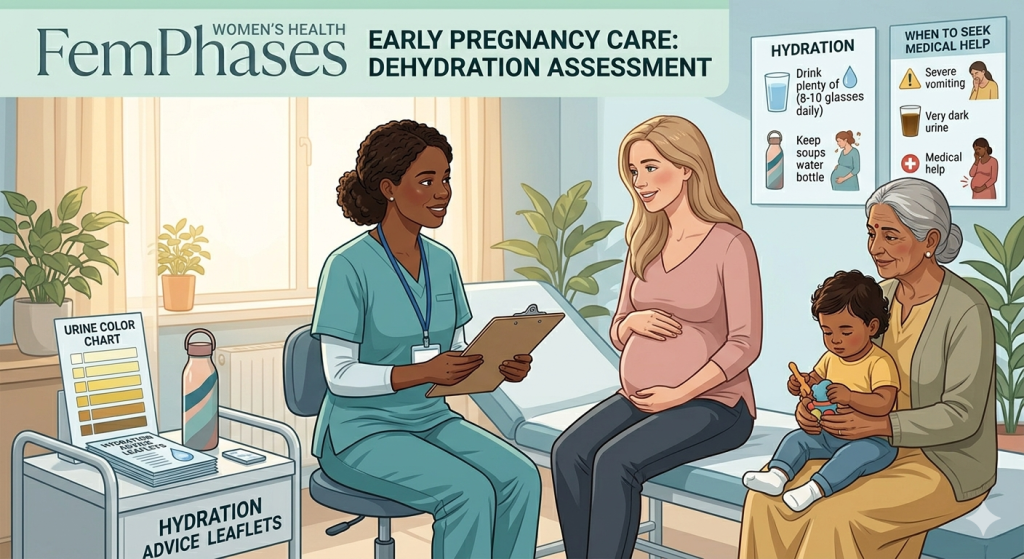
Dehydration happens when your body loses more fluid than it takes in. In pregnancy, that balance can shift more easily because your body needs extra fluid to support increased blood volume, circulation, and the fluid around the baby. Water also helps move nutrients through your body and supports amniotic fluid production. (ACOG)
Can dehydration in early pregnancy harm the baby?
Usually, mild dehydration in early pregnancy is more of a warning sign than a direct threat. If you can drink again, recover quickly, and keep some food down, the baby is unlikely to be harmed. But persistent dehydration, especially when linked with repeated vomiting, weight loss, or hyperemesis gravidarum, can make you very unwell and may increase the chance of complications such as poor nutrition or a baby measuring smaller than expected. That is why early treatment matters. This is a careful clinical inference based on guidance indicating that ordinary morning sickness does not usually increase risk, whereas severe, untreated sickness with weight loss can. (nhs.uk)
Why does it happen?
The most common reason for dehydration in early pregnancy is nausea and vomiting. Morning sickness is very common and often starts between about 4 and 7 weeks of pregnancy. For many women, it improves by 16 to 20 weeks, but for some, it is much more severe.
A. Common causes
i. Morning sickness
Even “normal” pregnancy sickness can make it hard to sip enough throughout the day, especially if water suddenly tastes unpleasant or triggers nausea. (Tommy’s)
ii. Hyperemesis gravidarum
This is the severe end of the spectrum. It can involve repeated vomiting, dehydration, low blood pressure, and weight loss. It needs a medical assessment.
iii. Hot weather, sweating, or exercise
You may lose fluid more quickly in warm conditions or if you are active and not replacing fluids. (ACOG)
iv. Diarrhoea or a stomach bug
If vomiting is accompanied by diarrhoea, fever, or tummy pain, a virus or food-related illness may be the cause.
Evidence-based solutions
Practical rehydration at home
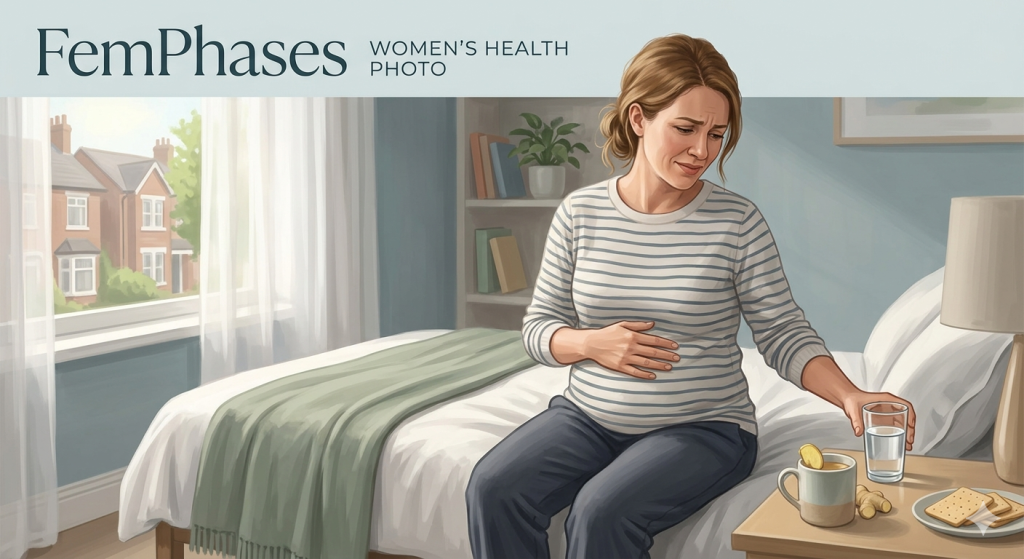
For mild dehydration in early pregnancy, the goal is steady replacement, not forcing large drinks all at once.
- Take small, frequent sips rather than large glasses.
- Try water, ice chips, diluted juice, clear soups, or oral rehydration fluids if tolerated.
- Sip more often during the day, not just when you feel thirsty.
- Eat small, plain foods if you can manage them, such as crackers, toast, rice, or pasta. (nhs.uk)
How much should you aim to drink?
Guidance varies slightly, but ACOG recommends 8 to 12 cups of water a day during pregnancy. In contrast, UK guidance commonly suggests 6 to 8 medium glasses, about 1.6 litres, with more if you are vomiting, sweating, or in hot weather. Rather than fixating on a perfect number, a useful practical sign is aiming for pale yellow urine. (ACOG)
Medical interventions
If you cannot keep fluids down, home care is no longer enough.
Anti-sickness medication
ACOG says vitamin B6 may be tried first, and doxylamine may also be used for nausea and vomiting in pregnancy. RCOG and the NHS also note that safe anti-sickness medicines can be prescribed in pregnancy when symptoms are affecting daily life. (ACOG)
Intravenous fluids
If dehydration becomes moderate or severe, you may need fluids through a drip. This is a common treatment for severe vomiting or hyperemesis gravidarum. (nhs.uk)
Hospital assessment
If vomiting persists, clinicians may also check urine, perform blood tests, assess weight loss, and monitor electrolyte levels. (NICE CKS)
Morning Sickness Relief in Pregnancy: What Helps and When to Worry
Signs or symptoms
Common signs of dehydration
- feeling very thirsty
- dark yellow or strong-smelling urine
- peeing less often than usual
- dizziness or light headedness
- tiredness or weakness
- dry mouth, lips, or eyes
- headache
- constipation (nhs.uk)
Signs it may be more serious
- not peeing for 8 hours or more
- being unable to keep fluids down for 24 hours
- feeling faint when standing
- weight loss
- vomiting blood
- severe tummy pain
- fever or a racing heartbeat (nhs.uk)
What is normal and when to pay attention
Some nausea, reduced appetite, and the occasional day when drinking feels difficult can be part of normal early pregnancy. Morning sickness often feels miserable, but it does not usually put the baby at increased risk on its own. (nhs.uk)
What is not something to brush off is worsening dehydration in early pregnancy that keeps coming back, stops you from functioning, or comes with repeated vomiting and weight loss. That is the point where it moves from “common pregnancy discomfort” to “needs assessment.” (nhs.uk)
Holistic and lifestyle changes
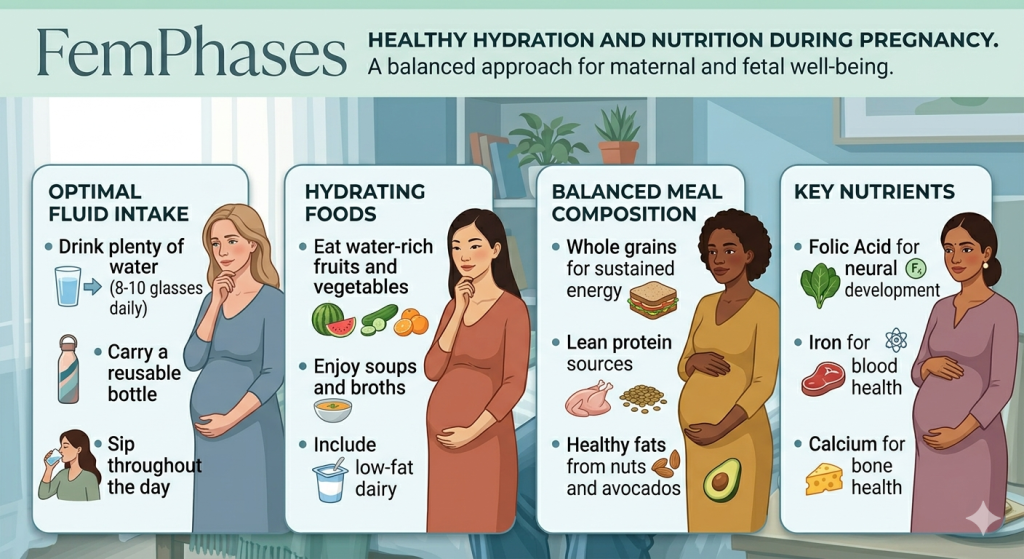
Nutrition and hydration habits that may help
i. Eat little and often.
An empty stomach can make nausea worse. Small meals and snacks may be easier to tolerate. (nhs.uk)
ii. Choose cold or bland foods.
Cold foods sometimes smell less strongly and trigger less nausea. (nhs.uk)
iii. Keep fluids nearby
A water bottle by the bed, sofa, or desk can make sipping easier. (Tommy’s)
iv. Watch caffeine and sugary drinks.
Some drinks count toward fluids, but too much caffeine is not advised in pregnancy, and very sugary drinks may worsen nausea for some people. (Tommy’s)
v. Rest and manage triggers.
Tiredness can make nausea worse. Food smells, heat, and stuffy rooms can also be triggers. (nhs.uk)
When to see a doctor
Please seek medical advice promptly if you have dehydration in early pregnancy and any of the following:
- you have not peed in 8 hours or more
- your urine is very dark and you are peeing much less than usual
- you cannot keep fluids down for 24 hours
- you feel weak, faint, or dizzy when standing
- you are losing weight
- you have tummy pain, fever, or blood in your vomit
- you think you may have hyperemesis gravidarum
- you simply feel something is not right (nhs.uk)
Key takeaway
Dehydration in early pregnancy is common, especially when nausea and vomiting are part of the picture. Mild dehydration is usually fixable and unlikely to harm the baby if it improves quickly. The real concern is ongoing or severe dehydration, because it can make you unwell and may affect pregnancy if it leads to significant vomiting, poor intake, or weight loss. Early support matters, and safe treatment is available. (nhs.uk)
Frequently Asked Questions
Q: Is dehydration in early pregnancy an emergency?
A: Not always. Mild dehydration can often be treated at home. It becomes urgent if you cannot keep fluids down, are not peeing, feel faint, or have severe vomiting. (nhs.uk)
Q: Can morning sickness alone hurt the baby?
A: Typical morning sickness does not usually increase risk to the baby. Severe vomiting with dehydration and weight loss needs treatment. (nhs.uk)
Q: How do I know if I am dehydrated in early pregnancy?
A: Look for dark urine, peeing less, thirst, dry mouth, dizziness, tiredness, and headaches. (nhs.uk)
Q: What should I drink if water makes me feel sick?
A: Try small sips of cold water, ice chips, diluted juice, clear soups, or oral rehydration drinks if they suit you. (nhs.uk)
Q: Can dehydration cause miscarriage?
A: The sources reviewed here do not say that mild dehydration directly causes miscarriage. The safer takeaway is that persistent dehydration should be treated early because severe illness in pregnancy needs medical care. (Tommy’s)
Q: When should I worry about hyperemesis gravidarum?
A: Worry less about the label and more about the pattern: repeated vomiting, weight loss, dizziness, low urine output, and being unable to function or drink properly are signs to seek help.
Medical disclaimer
This article is for education only and does not replace medical care. If you have signs of dehydration in early pregnancy, cannot keep fluids down, feel faint, or are worried about your symptoms, contact your midwife, GP, maternity unit, or urgent care service for personal advice. In an emergency, seek urgent medical help.