
Femphases: Helping women understand hormones, emotions, and midlife health.

Trust Bar Marquee

What to Expect (The phases of change)

PCOS Symptoms: Early Signs, Diagnosis, and When to Get Checked

Introduction For many women, PCOS symptoms begin quietly. A few missed periods. Acne that does not improve with age. Weight changes that feel difficult to explain. Extra facial hair. Exhaustion. Mood swings. Fertility struggles. What often starts as “something feels off” can slowly become years of unanswered questions. Polycystic ovary syndrome (PCOS) is one of the most common hormonal conditions affecting women of reproductive age. It is estimated to affect around 1 in 10 women globally, although many remain undiagnosed for years. PCOS affects hormone balance, ovulation, metabolism, skin health, fertility, and long-term health risks, including diabetes and cardiovascular disease. Despite its name, PCOS is not simply a condition involving ovarian cysts. It is a complex endocrine disorder involving hormones such as insulin, testosterone, and luteinising hormone (LH), as well as inflammatory pathways. Modern research increasingly recognises PCOS as a whole-body condition, not just a reproductive issue. According to guidance from the NHS and NICE, early recognition and treatment can help reduce complications and improve quality of life. Many women dismiss early PCOS symptoms because they are told irregular periods are “normal,” weight changes are simply lifestyle-related, or acne is cosmetic rather than hormonal. But your symptoms deserve attention. Recognising these signs early can empower you to seek support sooner and take control of your long-term health. What Causes PCOS? PCOS does not have one single cause. Current evidence suggests it develops from a combination of: Genetics Insulin resistance Hormonal imbalance Chronic low-grade inflammation Environmental and lifestyle factors Women with close relatives who have PCOS are more likely to develop the condition themselves, suggesting a strong hereditary component. i. Insulin Resistance and Hormone Disruption One of the most important mechanisms behind PCOS symptoms is insulin resistance. This means the body’s cells do not respond effectively to insulin, the hormone that regulates blood sugar. As a result, the body produces more insulin to compensate. High insulin levels stimulate the ovaries to produce excess androgens, often called “male hormones,” including testosterone. This hormonal shift can contribute to: Irregular ovulation Acne Excess facial or body hair Scalp hair thinning Weight gain Fatigue Research from the Endocrine Society continues to support insulin resistance as a major driver of metabolic and reproductive complications in PCOS. ii. Inflammation and PCOS Emerging evidence from 2024–2026 research also highlights the role of chronic inflammation in PCOS. Low-grade inflammation may worsen insulin resistance and disrupt ovarian function. This helps explain why some women with PCOS experience: Persistent fatigue Joint discomfort Brain fog Mood symptoms Difficulty losing weight despite lifestyle changes PCOS is increasingly understood as a condition involving metabolic, psychological, and inflammatory pathways together. Why PCOS Looks Different in Different Women Not every woman experiences the same PCOS symptoms. Some women are lean and struggle mainly with irregular periods or fertility issues. Others experience severe metabolic symptoms, including weight gain and prediabetes. Ethnicity, genetics, age, and hormone patterns all influence how PCOS appears clinically. Some women also develop symptoms gradually over time, especially during: Puberty Perimenopause Periods of chronic stress Weight changes After stopping hormonal contraception Symptoms, Diagnosis & Barriers a. Common Early PCOS Symptoms The initial signs of PCOS, such as irregular or missed periods and hormonal changes, are crucial for early detection because recognising them promptly can lead to earlier support and management. Common signs include: Irregular or missed periods Heavy or unpredictable bleeding Acne, especially along the jawline Increased facial or body hair (hirsutism) Weight gain or difficulty losing weight Scalp hair thinning Oily skin Fatigue Fertility difficulties Mood changes or anxiety Darkened skin patches (acanthosis nigricans) are often linked to insulin resistance When to Get Checked You should consider speaking with a healthcare professional if you experience: Periods more than 35 days apart Missing periods for several months Persistent hormonal acne Excess hair growth Fertility difficulties after trying to conceive Rapid weight changes Signs of insulin resistance Severe fatigue or worsening symptoms Early assessment matters because untreated PCOS can increase the risk of: Type 2 diabetes High blood pressure Sleep apnoea Endometrial hyperplasia Infertility Anxiety and depression b. How PCOS Is Diagnosed There is no single test for PCOS. Diagnosis usually involves a combination of symptoms, blood tests, and ultrasound findings. Most clinicians use the Rotterdam Criteria, which require two out of three features: Irregular ovulation or irregular periods Signs of excess androgens Polycystic ovaries seen on ultrasound Tests may include: Testosterone levels Blood glucose and HbA1c Lipid profile Thyroid function Prolactin levels Pelvic ultrasound According to the Office on Women’s Health, diagnosis can sometimes take years because symptoms overlap with other conditions. The Reality of Medical Advocacy Many women with PCOS symptoms report feeling dismissed, particularly if symptoms are gradual or weight-related. If you feel your concerns are not being taken seriously: Track your symptoms Bring cycle records to appointments Request hormone and metabolic testing Ask questions about long-term risks Seek a second opinion if necessary Your symptoms are valid, even if they fluctuate or do not fit a textbook picture. Feeling heard and understood is essential for your confidence and emotional well-being. Solutions & Support i. Medical Treatments Treatment depends on symptoms, fertility goals, metabolic health, and personal preference. Common evidence-based medical approaches include: Combined hormonal contraception for cycle regulation Metformin for insulin resistance Fertility medications if trying to conceive Anti-androgen medications for excess hair growth Acne treatments Weight management support The ACOG recommends individualised treatment plans based on reproductive and metabolic needs. ii. Lifestyle and Metabolic Support Lifestyle interventions are not about blame or “fixing” your body. They are about supporting hormone regulation and reducing long-term health risks. Research consistently shows benefits from: Balanced blood sugar support Regular movement Strength training Sleep optimisation reduction Sustainable nutrition habits Even modest improvements in insulin sensitivity may improve ovulation and energy levels. Helpful strategies may include: Prioritising protein and fibre Reducing ultra-processed foods Walking after meals Building muscle mass Managing chronic stress iii. Mental Health and Emotional Impact Living with ongoing PCOS symptoms can affect self-esteem, body image, relationships, and emotional well-being. Women with

PCOS Symptoms: Early Signs, Diagnosis, and When to Get Checked Read More »
Dehydration in Early Pregnancy: Can It Harm the Baby?

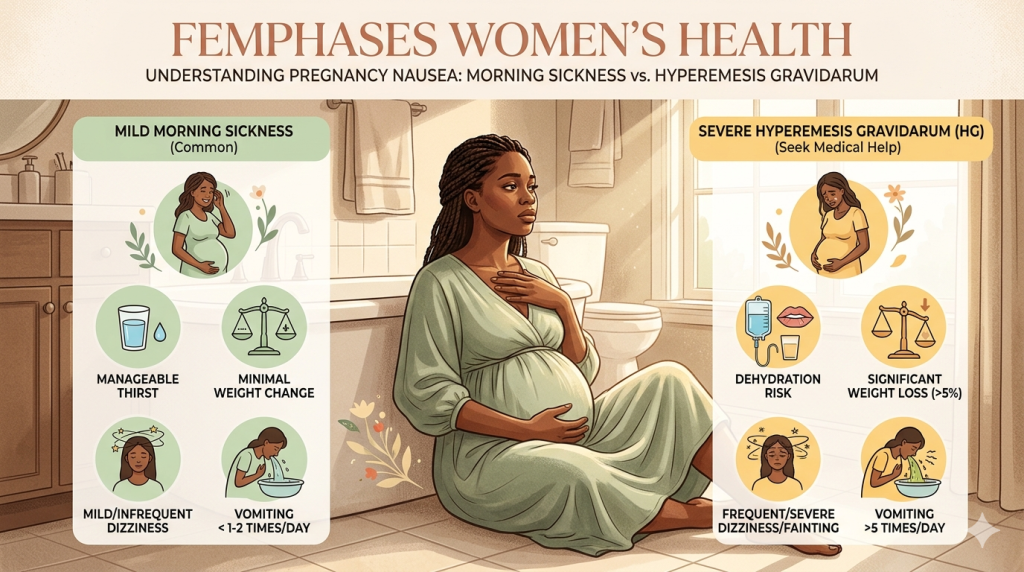
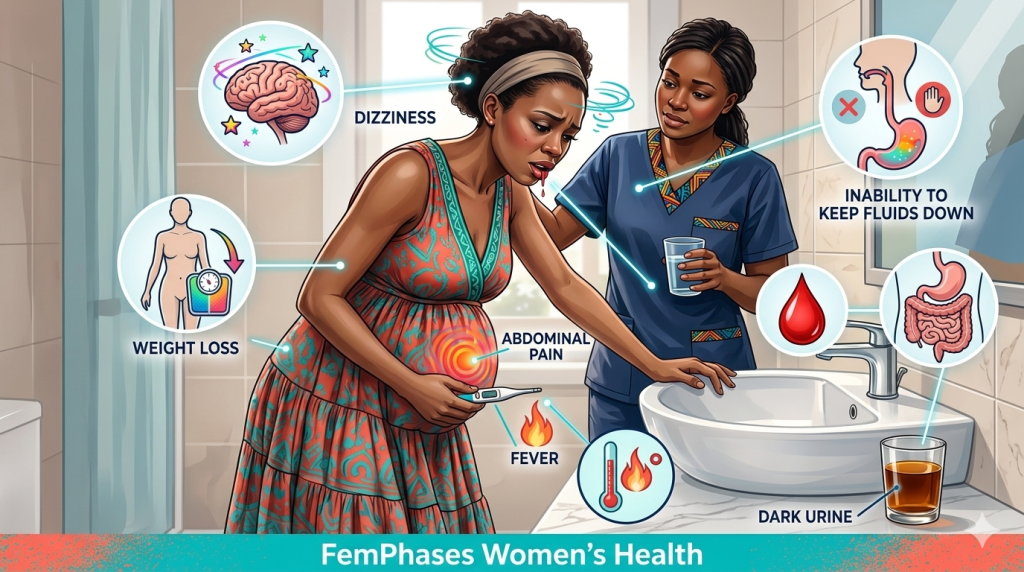
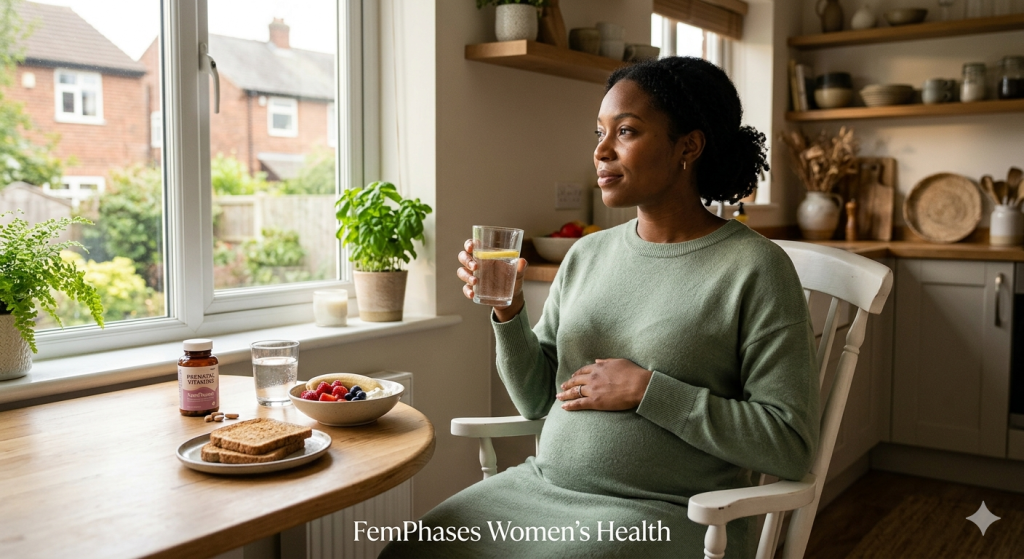
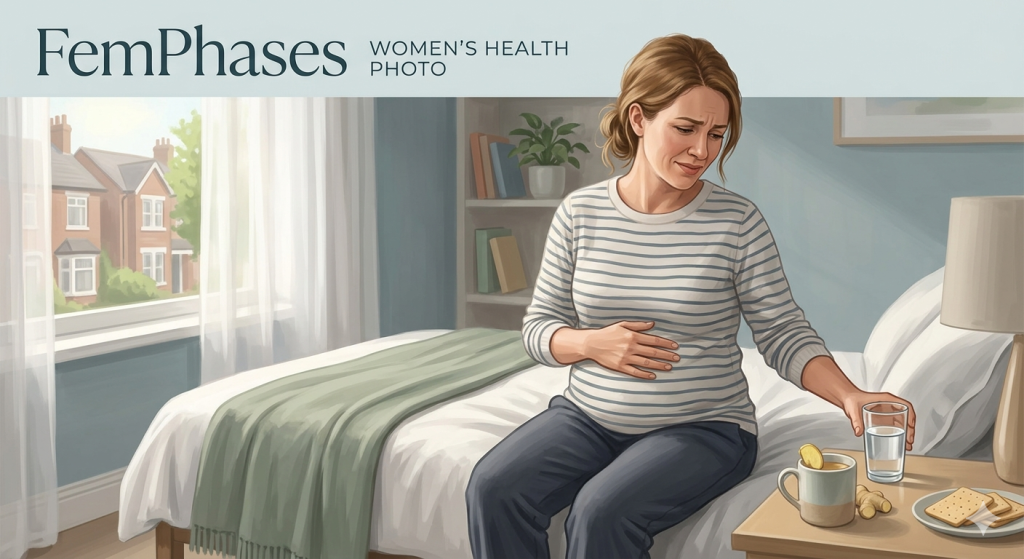
Dehydration in Early Pregnancy If you are worried about dehydration in early pregnancy, you are not overreacting. Many of us expect nausea, food aversions, and tiredness in the first trimester, but it can be frightening when you cannot keep fluids down or when you notice you are barely peeing. The reassuring part is that a short, mild episode of dehydration in early pregnancy is unlikely to harm the baby if corrected promptly. The part we should take seriously is this: ongoing, worsening, or severe dehydration needs prompt attention because it can affect your health and, if it leads to significant weight loss or prolonged illness, may also affect the baby indirectly. (nhs.uk) In this guide, we will walk through what dehydration in early pregnancy actually means, why it happens, what signs to watch for, what usually helps, and when to contact a midwife, GP, or maternity unit. What is it? Dehydration happens when your body loses more fluid than it takes in. In pregnancy, that balance can shift more easily because your body needs extra fluid to support increased blood volume, circulation, and the fluid around the baby. Water also helps move nutrients through your body and supports amniotic fluid production. (ACOG) Hyperemesis Gravidarum vs Morning Sickness: Signs to Watch Can dehydration in early pregnancy harm the baby? Usually, mild dehydration in early pregnancy is more of a warning sign than a direct threat. If you can drink again, recover quickly, and keep some food down, the baby is unlikely to be harmed. But persistent dehydration, especially when linked with repeated vomiting, weight loss, or hyperemesis gravidarum, can make you very unwell and may increase the chance of complications such as poor nutrition or a baby measuring smaller than expected. That is why early treatment matters. This is a careful clinical inference based on guidance indicating that ordinary morning sickness does not usually increase risk, whereas severe, untreated sickness with weight loss can. (nhs.uk) Why does it happen? The most common reason for dehydration in early pregnancy is nausea and vomiting. Morning sickness is very common and often starts between about 4 and 7 weeks of pregnancy. For many women, it improves by 16 to 20 weeks, but for some, it is much more severe. A. Common causes i. Morning sickness Even “normal” pregnancy sickness can make it hard to sip enough throughout the day, especially if water suddenly tastes unpleasant or triggers nausea. (Tommy’s) ii. Hyperemesis gravidarum This is the severe end of the spectrum. It can involve repeated vomiting, dehydration, low blood pressure, and weight loss. It needs a medical assessment. iii. Hot weather, sweating, or exercise You may lose fluid more quickly in warm conditions or if you are active and not replacing fluids. (ACOG) iv. Diarrhoea or a stomach bug If vomiting is accompanied by diarrhoea, fever, or tummy pain, a virus or food-related illness may be the cause. Evidence-based solutions Practical rehydration at home For mild dehydration in early pregnancy, the goal is steady replacement, not forcing large drinks all at once. Take small, frequent sips rather than large glasses. Try water, ice chips, diluted juice, clear soups, or oral rehydration fluids if tolerated. Sip more often during the day, not just when you feel thirsty. Eat small, plain foods if you can manage them, such as crackers, toast, rice, or pasta. (nhs.uk) How much should you aim to drink? Guidance varies slightly, but ACOG recommends 8 to 12 cups of water a day during pregnancy. In contrast, UK guidance commonly suggests 6 to 8 medium glasses, about 1.6 litres, with more if you are vomiting, sweating, or in hot weather. Rather than fixating on a perfect number, a useful practical sign is aiming for pale yellow urine. (ACOG) Medical interventions If you cannot keep fluids down, home care is no longer enough. Anti-sickness medication ACOG says vitamin B6 may be tried first, and doxylamine may also be used for nausea and vomiting in pregnancy. RCOG and the NHS also note that safe anti-sickness medicines can be prescribed in pregnancy when symptoms are affecting daily life. (ACOG) Intravenous fluids If dehydration becomes moderate or severe, you may need fluids through a drip. This is a common treatment for severe vomiting or hyperemesis gravidarum. (nhs.uk) Hospital assessment If vomiting persists, clinicians may also check urine, perform blood tests, assess weight loss, and monitor electrolyte levels. (NICE CKS) Morning Sickness Relief in Pregnancy: What Helps and When to Worry   Signs or symptoms Common signs of dehydration feeling very thirsty dark yellow or strong-smelling urine peeing less often than usual dizziness or light headedness tiredness or weakness dry mouth, lips, or eyes headache constipation (nhs.uk) Signs it may be more serious not peeing for 8 hours or more being unable to keep fluids down for 24 hours feeling faint when standing weight loss vomiting blood severe tummy pain fever or a racing heartbeat (nhs.uk) What is normal and when to pay attention Some nausea, reduced appetite, and the occasional day when drinking feels difficult can be part of normal early pregnancy. Morning sickness often feels miserable, but it does not usually put the baby at increased risk on its own. (nhs.uk) What is not something to brush off is worsening dehydration in early pregnancy that keeps coming back, stops you from functioning, or comes with repeated vomiting and weight loss. That is the point where it moves from “common pregnancy discomfort” to “needs assessment.” (nhs.uk) Holistic and lifestyle changes Nutrition and hydration habits that may help i. Eat little and often. An empty stomach can make nausea worse. Small meals and snacks may be easier to tolerate. (nhs.uk) ii. Choose cold or bland foods. Cold foods sometimes smell less strongly and trigger less nausea. (nhs.uk) iii. Keep fluids nearby A water bottle by the bed, sofa, or desk can make sipping easier. (Tommy’s) iv. Watch caffeine and sugary drinks. Some drinks count toward fluids, but too much caffeine is not advised in pregnancy, and very sugary

Dehydration in Early Pregnancy: Can It Harm the Baby? Read More »

Hyperemesis Gravidarum vs Morning Sickness: Signs to Watch

Hyperemesis Gravidarum vs Morning Sickness: Signs You Shouldn’t Ignore Pregnancy nausea can be miserable, and for many of us, it can also be confusing. When does “normal” sickness become something more serious? If you’ve been searching for “hyperemesis gravidarum vs morning sickness, you’re likely trying to work out whether what you’re feeling is expected, or whether it needs medical help. You are not overreacting for asking that question. We deserve clear answers, especially when we feel exhausted, worried, and unable to function. In this guide, we’ll walk through the difference between hyperemesis gravidarum vs morning sickness, why it happens, the signs to watch for, what can help, and when it’s time to call a doctor or midwife. Common pregnancy sickness is very common and usually settles by 20 weeks, but hyperemesis gravidarum is more severe, can cause dehydration and weight loss, and often needs medical treatment. (RCOG) What is it? “Morning sickness” is the everyday term for nausea and vomiting in pregnancy. Despite the name, it can happen at any time of day or night, not just in the morning. It usually starts early in pregnancy, often between weeks 4 and 7. (RCOG) Earliest Signs of Pregnancy: What They Mean and When to Test Morning sickness Morning sickness usually means: nausea with or without vomiting reduced appetite symptoms that are unpleasant but still allow some food or fluids to stay down symptoms that often improve by around 16 to 20 weeks (MedlinePlus) Hyperemesis gravidarum Hyperemesis gravidarum, often shortened to HG, is the severe end of the spectrum. It means the nausea and vomiting are so intense that normal eating, drinking, and daily life become difficult. HG can lead to dehydration, weight loss, and electrolyte imbalance, and some women need outpatient rehydration or hospital care. It affects roughly 1 to 3 in 100 pregnancies. (nhs.uk) In simple terms, the biggest difference in hyperemesis gravidarum vs morning sickness is not just feeling worse. It is whether your body is starting to struggle because you cannot keep enough fluid or nutrition down. (nhs.uk) Why does it happen? The exact cause is not fully understood, but pregnancy hormones appear to play a major role. Sources such as MedlinePlus link nausea and vomiting in pregnancy to rising hCG levels, while RCOG notes that some women may have stronger symptoms because of genetic differences and higher levels of the placental hormone GDF-15. (MedlinePlus) You may be more likely to have worse symptoms if: i: Higher-risk situations you’ve had HG or severe pregnancy sickness before you’re pregnant with twins or more there is a family history of HG, you are prone to motion sickness (nhs.uk) None of this means you did anything wrong. This is not caused by weakness, stress, or “not coping well.” It is a real medical condition. Folic Acid, Prenatal Vitamins, and What You Need Before Pregnancy Evidence-Based Solutions Medical interventions Treatment depends on how severe the symptoms are and whether dehydration or weight loss has started. i: For milder pregnancy sickness anti-sickness medicines prescribed in pregnancy can help doxylamine-pyridoxine is an established option; in the UK, Xonvea is the licensed formulation mentioned by RCOG other medicines used in pregnancy may include cyclizine, promethazine, prochlorperazine, metoclopramide, domperidone, or ondansetron, depending on the clinical picture and your doctor’s judgement (RCOG) ii. For suspected hyperemesis gravidarum You may need: assessment for dehydration and weight loss urine and blood tests intravenous fluids through a drip anti-sickness medicines by mouth, injection, or IV thiamine (vitamin B1), especially if vomiting is prolonged hospital admission if you cannot keep fluids or medicines down corticosteroids in more stubborn or severe cases after first-line treatment has not worked (RCOG) This is one reason the hyperemesis gravidarum vs morning sickness question matters so much. HG is not something we should “push through” if we are becoming dehydrated or rapidly losing weight.  Signs or symptoms Morning sickness symptoms queasy feeling, often worse on waking, but possible any time occasional vomiting food aversions smell sensitivity still able to drink at least some fluids and eat small amounts (RCOG) Hyperemesis gravidarum symptoms severe, persistent nausea frequent vomiting, sometimes many times a day inability to keep food or fluids down dark urine or peeing much less dizziness, weakness, or fainting weight loss feeling very dry, thirsty, or unwell symptoms continuing beyond the usual pattern, or becoming disabling (nhs.uk) What is normal and when to pay attention It is normal for pregnancy sickness to feel rough. It is not normal to be unable to function, unable to drink, or to feel as though your body is shutting down. More likely to be “typical” morning sickness nausea without major dehydration vomiting, but still keeping some food and drinks down symptoms that are unpleasant but manageable at home gradual improvement by mid-pregnancy for many women (RCOG) More concerning for HG or another medical issue not peeing much, or urine becoming very dark unable to keep food or fluids down for 24 hours rapid weight loss vomiting with dizziness or fainting vomiting blood abdominal pain, fever, or vomiting that starts after 16 weeks, because other causes may need to be ruled out (nhs.uk) That is the heart of the difference between hyperemesis gravidarum and morning sickness: one is a common pregnancy sickness; the other is a more serious condition where your hydration, nutrition, and well-being may be at risk. (MedlinePlus) Early Pregnancy Nutrition: What Matters in the First 12 Weeks Holistic/Lifestyle Changes These measures can help with milder symptoms and can still support recovery alongside medical care, but they are not a substitute for treatment if you are becoming dehydrated. Nutrition and practical strategies eat small, frequent meals rather than large ones choose bland, lower-fat, carbohydrate-rich foods such as crackers, plain biscuits, rice, pasta, or potatoes avoid smells and foods that trigger nausea sip fluids little and often when you can tolerate them try eating and drinking during the times of day when nausea is less intense wear loose clothing if pressure on the stomach makes symptoms worse (RCOG) Supportive

Hyperemesis Gravidarum vs Morning Sickness: Signs to Watch Read More »

Morning Sickness Relief in Pregnancy: What Helps and When to Worry

Introduction If you are searching for morning sickness relief in pregnancy, there is a good chance you are not just feeling a little queasy. You may be exhausted, put off by smells you used to ignore, struggling to eat, or wondering whether what you are feeling is still “normal.” Many of us grow up hearing the phrase morning sickness, but the reality is often much more disruptive, much less tidy, and not limited to the morning at all. The good news is that morning sickness relief in pregnancy is possible, and there are practical, evidence-based ways to make symptoms more manageable. In this guide, we will walk through why nausea and vomiting occur in pregnancy, which symptoms are common, which treatments actually help, when medication may be appropriate, and when symptoms require medical attention. We will also cover the red flags that may point to hyperemesis gravidarum, the more severe end of the spectrum. What is morning sickness? Morning sickness is the common name for nausea and vomiting of pregnancy. Despite the name, it can happen at any time of day or night. It usually begins early, often between 4 and 7 weeks of pregnancy, and for many women it starts to improve by 16 to 20 weeks. It is extremely common, and mild to moderate symptoms are part of many healthy pregnancies. (RCOG) Still, common does not mean easy. Morning sickness can affect appetite, sleep, work, mood, hydration, and day-to-day functioning. That is why honest, practical morning sickness relief in pregnancy matters so much. Why does morning sickness happen? Morning sickness is not caused by weakness, anxiety, or “doing pregnancy badly.” It is linked to the normal biological changes of early pregnancy. One of the main drivers appears to be rising pregnancy hormones. The placenta produces hormones very early, and these seem to affect the stomach, appetite, and the brain’s nausea pathways. The Royal College of Obstetricians and Gynaecologists notes that pregnancy sickness is thought to be related to hormones, and research suggests that GDF-15, a hormone produced by the placenta, may play an important role in nausea and appetite loss. (RCOG) Other factors may make symptoms more noticeable, too: A heightened sense of smell Slower stomach emptying Fatigue Hunger or long gaps without eating Carrying twins or higher-order multiples A personal history of severe pregnancy sickness A previous history of hyperemesis gravidarum (RCOG) This is one reason morning sickness relief in pregnancy usually works best when we look at the whole picture: food, fluids, triggers, rest, and symptom severity. Symptoms and signs You may be experiencing: Persistent nausea, with or without vomiting Vomiting after meals Dry heaving or retching A strong aversion to smells, foods, or textures Feeling worse when your stomach is empty Loss of appetite Excess saliva Dizziness or weakness Trouble drinking enough fluids Fatigue from repeated nausea or vomiting Symptoms that last all day, not just in the morning Some women mainly feel queasy. Others vomit several times a day. Both experiences can be distressing, and both deserve support. What actually helps with morning sickness relief in pregnancy? For many women, the most effective approach is not one miracle remedy but a combination of small, practical strategies. a. Eat little and often An empty stomach can make nausea worse. Small, frequent meals or snacks may be easier to tolerate than three large meals. NHS guidance suggests trying 6 small meals a day rather than larger meals. (nhs.uk) Helpful choices often include: Dry toast Plain crackers or biscuits Plain rice or pasta Potatoes Cereal Banana Simple protein snacks you can tolerate b. Drink in small, regular sips Hydration matters, but big drinks can sometimes trigger vomiting. Small sips throughout the day work better than trying to drink a full glass at once. Water, ice chips, diluted juice, or oral rehydration drinks may be easier on the stomach. NHS advice emphasises the importance of staying hydrated, and the inability to keep fluids down is a warning sign that needs attention. (nhs.uk) c. Keep bland foods nearby Many women do better with bland, dry foods, especially before getting out of bed or during long gaps between meals. NHS advice includes foods such as plain biscuits, dry bread, toast, pasta, and jacket potatoes. (nhs.uk) d. Avoid strong triggers Common triggers include: Cooking smells Greasy or spicy food Hot rooms Fatigue Long car journeys Certain toothpaste flavours Strong perfumes Trying colder foods may help because they often smell less intense. e. Ginger may help NICE recommends that women with mild to moderate nausea and vomiting who prefer a non-drug option can try ginger. NHS guidance also notes that some people find ginger helpful. (NICE) You might try: Ginger tea Ginger biscuits Ginger chews Ginger ale made with real ginger It is sensible to check with a pharmacist or maternity clinician before taking concentrated ginger supplements. f. Acupressure may be worth trying Acupressure wristbands are not a guaranteed fix, but some women do find them useful. NICE says acupressure can be considered as an adjunct treatment for moderate to severe nausea and vomiting, and NHS pregnancy guidance mentions wristbands as something some people find helpful. (NICE) g. Rest matters more than it sounds Exhaustion can intensify nausea. Rest will not “cure” pregnancy sickness, but being overtired often makes symptoms more difficult to tolerate. Where possible, lowering physical demands for a short period may help. Medical interventions that may be used Sometimes lifestyle changes are not enough. That is not failure. It simply means symptoms may need medical treatment. NICE recommends offering an antiemetic to pregnant women who choose pharmacological treatment for nausea and vomiting in pregnancy, after discussing the benefits and drawbacks. (NICE) a. Vitamin B6 and doxylamine ACOG states that vitamin B6 (pyridoxine) is a safe over-the-counter option that may be tried first, and doxylamine may be added if needed; a prescription combination product is also available in some settings. (acog.org) b. Prescription anti-sickness medicines Depending on where you live, medicines commonly considered include: Doxylamine/pyridoxine Cyclizine Promethazine Metoclopramide Prochlorperazine

Morning Sickness Relief in Pregnancy: What Helps and When to Worry Read More »

Early Pregnancy Nutrition: What Matters in the First 12 Weeks

Early Pregnancy Nutrition: What Matters in the First 12 Weeks If you are in early pregnancy and food suddenly feels confusing, unappealing, or even impossible to eat, you are not doing anything wrong. For many of us, the first trimester is not glowing or graceful. It can be a strange mix of joy, worry, nausea, food aversions, exhaustion, and the pressure to “eat perfectly” at the exact time eating may feel hardest. The good news is that early Pregnancy nutrition does not need to look flawless to be effective. What matters most is understanding the basics, knowing which nutrients truly count, staying safe with food, and getting help early if symptoms are making it hard to cope. In this guide, we will walk through what your body is doing in the first 12 weeks, which nutrients matter most, what to do if nausea takes over, which foods and supplements require extra caution, and exactly when symptoms cross the line from common to something that needs medical support. (nhs.uk) Why early pregnancy nutrition matters The first 12 weeks of pregnancy are a major period of growth. Long before a bump appears, your baby’s brain, spinal cord, heart, and other early structures are developing rapidly. That is why nutrition in early pregnancy matters so much: this is a time of fast cell growth, placental development, and hormonal change, all happening in a relatively short window. Folic acid is especially important in these early weeks because it helps reduce the risk of neural tube defects, which affect the developing brain and spine. In the UK, standard guidance is 400 micrograms of folic acid daily until 12 weeks of pregnancy, with 5 mg daily recommended for some higher-risk groups, such as people with diabetes, certain blood disorders, previous affected pregnancies, or medicines that interfere with folate metabolism. (nhs.uk) Vitamin D matters too. It supports healthy bone development and the functioning of other body systems, including the baby’s developing skeleton and organs. NHS guidance recommends 10 micrograms of vitamin D daily during pregnancy. Alongside this, a balanced diet helps provide energy, protein, iron, calcium, iodine, fibre, and other nutrients that support both you and the pregnancy, even if day-to-day eating is less than ideal. (nhs.uk) Folic Acid, Prenatal Vitamins, and What You Need Before Pregnancy What is happening in the first 12 weeks The “why” in simple terms Early pregnancy is hormonally intense. Rising levels of human chorionic gonadotropin (hCG) and oestrogen are linked with nausea and smell sensitivity. At the same time, progesterone relaxes smooth muscle, which can slow digestion and contribute to bloating, reflux, and constipation. At the same time, blood volume is beginning to rise, your metabolism is shifting, and your body is prioritising the growth of the placenta and embryo. That is why you might feel ravenous one day, repulsed by food the next, and far more tired than usual. None of this means you are failing at nutrition. It means your body is doing a lot, very early. (ACOG) The key point is this: in early pregnancy, perfection is not the target. Consistency with the essentials is. Small, manageable, repeated choices often matter more than ideal meals. Common symptoms that can affect eating Many people in early Pregnancy notice symptoms that directly change appetite, food tolerance, and hydration. You might be feeling: Nausea, especially in the morning or when your stomach is empty Vomiting or gagging when brushing teeth, smelling food, or eating certain textures Food aversions, often to meat, eggs, coffee, fried foods, or strongly scented meals Heightened sense of smell that makes normal kitchen smells unbearable Extreme fatigue, making shopping, cooking, and meal prep feel impossible Bloating, reflux, or indigestion Constipation from hormonal changes and slower digestion Sudden cravings or a preference for very plain foods Anxiety around eating “the right things” while struggling to eat much at all (ACOG) These symptoms are common, but they still deserve care and practical support. The nutrients that matter most Folic acid This is the non-negotiable supplement in early pregnancy. Standard UK guidance is 400 micrograms daily from before conception until 12 weeks. If you did not start before becoming pregnant, start as soon as you find out you are pregnant. Higher-dose 5 mg folic acid is recommended for certain people at increased risk, and that should be discussed with a GP or maternity clinician. (nhs.uk) Food sources of folate include leafy greens, legumes, citrus, and fortified cereals, but diet alone is usually not enough to reliably meet the recommended amount in early pregnancy. (nhs.uk) Vitamin D The NHS advises 10 micrograms daily during pregnancy. This is usually taken as a supplement because food sources and sunlight alone are often not enough, especially in the UK. (University Hospitals Birmingham) Protein You do not need to “eat for two” in the first trimester, but you do need regular nourishment. Protein supports tissue growth and helps with steadier energy and fullness. Good options include eggs, beans, lentils, yoghurt, milk, tofu, fish, chicken, and nut butters. If nausea is severe, smaller protein portions spread throughout the day may feel more manageable than a single large meal. Iron, calcium, iodine, and fibre These all matter in pregnancy, but they do not usually require separate supplements unless advised by a clinician. In practice, it helps to think in terms of food groups: dairy or fortified alternatives for calcium; eggs and seafood for iodine; beans and leafy greens for iron; and fruit, vegetables, oats, and wholegrains for fibre. If constipation is creeping in, fluid and fibre together usually work better than fibre alone. Fish and healthy fats Fish can be a useful source of protein and omega-3 fats. FDA/EPA guidance advises pregnant people to eat 8 to 12 ounces of lower-mercury fish per week. In contrast, NHS guidance notes that some fish should be limited or avoided due to mercury or other pollutant exposure. (U.S. Food and Drug Administration) Earliest Signs of Pregnancy: What They Mean and When to Test What to eat when nausea is

Early Pregnancy Nutrition: What Matters in the First 12 Weeks Read More »

Folic Acid, Prenatal Vitamins, and What You Need Before Pregnancy

Introduction When we start thinking about pregnancy, it is easy to feel overwhelmed by advice. One person says to buy the most expensive prenatal vitamin on the shelf. Another says food is enough. Someone else tells us to start supplements months in advance. If you have ever stood in front of a pharmacy shelf wondering what you actually need before pregnancy, you are not alone. This guide will walk us through what matters most before pregnancy, what folic acid actually does, whether prenatal vitamins are necessary, which nutrients deserve real attention, what to avoid, and when it is worth speaking with a doctor. The goal is not to make preparation feel perfect. It is to make it feel clearer, calmer, and safer. Why Supplements Matter Before Pregnancy The earliest weeks of pregnancy are busy, long before many people even know they have conceived. In those first weeks, the embryo is forming critical structures, including the brain and spinal cord. This is why folate status matters so much before conception and in the very early stages of pregnancy. The neural tube develops early, and enough folic acid before and during early pregnancy helps lower the risk of neural tube defects such as spina bifida. (cdc.gov) Folic acid is the synthetic form of folate, also known as vitamin B9. It supports healthy cell division and DNA synthesis. That matters because early embryonic development depends on rapid cell growth. If folate stores are too low at the wrong time, development may be affected before symptoms ever appear. (nhs.uk) Prenatal vitamins are not magic fertility pills, and they do not guarantee conception. What they do offer is nutritional insurance. They can help cover common gaps in folic acid and, depending on the formula, nutrients like vitamin D, iron, iodine, and sometimes choline. ACOG recommends taking a daily prenatal vitamin containing 400 micrograms of folic acid before pregnancy, and the CDC advises starting at least 1 month before conception. (ACOG) Calculate Your Fertile Window What Folic Acid Actually Does Why it get so much attention Folic acid has one of the clearest evidence bases in preconception care. Health authorities consistently recommend that people who could become pregnant take 400 micrograms (mcg) of folic acid daily before conception and in early pregnancy to reduce the risk of neural tube defects. (cdc.gov) This recommendation exists because timing matters. Waiting until a positive test can mean missing part of the critical window. The CDC recommends starting at least 1 month before conception. At the same time, NHS guidance recommends starting when trying for a baby, ideally around 3 months before pregnancy, and continuing until 12 weeks of pregnancy. (cdc.gov) Standard dose vs higher dose For most people, 400 mcg daily is the standard pre-pregnancy dose. But some people need more. A higher dose, usually 4,000 mcg (4 mg) daily, may be recommended by a clinician if there has been a previous pregnancy affected by a neural tube defect. This higher dose should be medically supervised, and it is important not to add extra prenatal vitamins, as this can increase intake of other vitamins, including vitamin A, beyond what is appropriate. (cdc.gov)   Prenatal Vitamins: What They Help With and What They Do Not A prenatal vitamin is best thought of as a foundation, not a replacement for food, rest, or medical care. A prenatal vitamin can help: provide folic acid reliably every day reduce the chance of missing key nutrients during a busy season support people with nausea, restrictive diets, low appetite, or inconsistent eating offer nutrients that may be harder to get in adequate amounts from diet alone, such as vitamin D or iodine, depending on the product (ACOG) A prenatal vitamin cannot: treat all causes of infertility fix major nutritional deficiencies instantly replace tailored care for conditions like coeliac disease, thyroid disease, anaemia, bariatric surgery history, or eating disorders guarantee a healthy pregnancy outcome That is why the best prenatal vitamin is not always the trendiest one. It is the one that fits your needs, contains the right basics, and is safe for you. Symptoms or Signs You May Be Feeling Before Pregnancy Many people preparing for pregnancy feel physically fine. Nutrient gaps can be quiet. Still, some signs suggest it is worth reviewing your health, diet, or blood work with a clinician. You might notice: Tiredness or low energy Pale skin or shortness of breath on exertion Frequent headaches Brittle nails or hair changes Poor appetite or nausea Brain fog or difficulty concentrating Very restrictive eating patterns Heavy periods, which can raise the risk of low iron levels Digestive issues that may affect absorption Anxiety about whether you are doing enough before pregnancy These signs are not specific to folate or prenatal vitamin issues alone. They tell us the body may deserve a closer look. What You Actually Need Before Pregnancy 1. Folic acid This is the non-negotiable basic for most people planning pregnancy. What to aim for: 400 mcg folic acid daily, starting before conception and continuing through at least the first 12 weeks of pregnancy. (ACOG) 2. Vitamin D Vitamin D helps regulate calcium and phosphate, which support bones, teeth, and muscles. NHS guidance recommends 10 micrograms of vitamin D daily during pregnancy and often advises supplementation when trying to conceive, especially in lower-sunlight months. (nhs.uk) 3. Iron Not everyone needs extra iron before conception, but iron becomes especially important if you already have low stores, heavy periods, a history of anaemia, or dietary risk factors. Many prenatal vitamins include iron, but not all do. During pregnancy, the WHO recommends daily iron plus folic acid as part of antenatal care, though pre-pregnancy needs should be individualised. (World Health Organisation) 4. Iodine and choline These nutrients matter for foetal brain and nervous system development, but whether you need them as supplements depends on your diet, local recommendations, and the prenatal you choose. ACOG lists choline among important nutrients during pregnancy, and NIH’s Office of Dietary Supplements also highlights choline as a key nutrient

Folic Acid, Prenatal Vitamins, and What You Need Before Pregnancy Read More »

Trying to Conceive: What Actually Helps Fertility? | Expert Guide

Introduction: You Are Not the Only One! The journey to parenthood is rarely a straight line. For many of us, the decision to start a family comes with a mixture of profound excitement and, quite often, a quiet, nagging anxiety. We live in a world where we are used to being in control, yet fertility can sometimes feel like a mysterious biological black box. If you’ve been tracking your temperature, peeing on ovulation sticks, or simply wondering why it hasn’t happened yet, please know that your feelings are valid. We understand the unique emotional weight of the “two-week wait.” In this guide, we are going to strip away the myths and look at the clinical evidence. You will learn how your hormones orchestrate the reproductive cycle, which lifestyle changes actually move the needle, and when it is time to seek professional medical guidance. Our goal is to empower you with clarity so you can navigate your fertility journey with confidence and peace of mind. Fertile Window Calculator The “Why”: The Biological Dance of Conception At its core, fertility is a high-stakes coordination between your brain and your ovaries. It starts in the hypothalamus, which signals the pituitary gland to release Follicle-Stimulating Hormone (FSH). This hormone acts like a starter pistol, telling your ovaries to grow a handful of follicles, each containing an egg. As these follicles grow, they produce oestrogen, which thickens the lining of your uterus (the endometrium) to create a plush “nest.” Eventually, one dominant follicle wins the race, triggering a surge in Luteinizing Hormone (LH). This surge signals the release of the egg—this is ovulation. Once the egg is released, the empty follicle transforms into the corpus luteum, which produces progesterone. Progesterone is the “pro-gestation” hormone; it stabilises the uterine lining. If sperm meets the egg in the fallopian tube, the resulting embryo travels to the uterus to implant. If not, hormone levels drop, the lining sheds, and the cycle begins anew. Understanding this rhythm is the first step in optimising your fertility. Basal Body Temperature Tracking for Ovulation: How It Works and What It Can Tell You The Symptoms and Signs: Listening to Your Body Your body provides subtle clues every month that indicate your fertility status. Learning to read these “biomarkers” can significantly reduce the time to conception. Here is what you should be looking for: Cervical Mucus Changes: As you approach ovulation, your discharge will become clear, stretchy, and slippery, resembling raw egg whites. This protects sperm and helps them swim. Basal Body Temperature (BBT) Shift: A slight rise in your resting temperature (usually about 0.2°C to 0.5°C) occurs right after ovulation due to increased progesterone. Ovulation Pain (Mittelschmerz): Some women feel a dull ache or sharp twinge on one side of the lower abdomen mid-cycle. Breast Tenderness: Fluctuating hormones post-ovulation can make breast tissue feel heavy or sensitive. Increased Libido: Nature has a way of boosting your sex drive exactly when you are most fertile. Positive OPK: Ovulation Predictor Kits (OPKs) detect the LH surge in your urine 24–36 hours before the egg is released. Evidence-Based Solutions: Lifestyle and Nutrition While we cannot control every aspect of biology, we can certainly influence the “soil” in which the seed grows. Optimising your lifestyle is about reducing systemic inflammation and balancing the endocrine system to support peak fertility. 1. The Fertility Diet Research, including the landmark “Fertility Diet” study from Harvard, suggests that nutrition plays a massive role in ovulatory function. Focus on: Complex Carbohydrates: Swap white bread and sugary cereals for whole grains like quinoa and oats to keep insulin stable. High insulin can disrupt ovulation. Plant-Based Proteins: Replacing one serving of meat per day with beans, lentils, or nuts has been shown to reduce the risk of ovulatory infertility. Full-Fat Dairy: Surprisingly, small amounts of full-fat yoghurt or milk are associated with better fertility outcomes than low-fat versions. 2. Targeted Supplementation While a prenatal vitamin is the baseline, specific supplements can support egg quality: Folic Acid/Methylfolate: Essential for preventing neural tube defects and supporting early cell division. Coenzyme Q10 (CoQ10): Helps support mitochondrial function in the egg, which is vital as we age. Vitamin D: Often called a pro-hormone, adequate levels are linked to better implantation rates. 3. Stress and Sleep High levels of cortisol (the stress hormone) can inhibit the GnRH pulse generator in the brain, potentially delaying or stopping ovulation. Aim for 7–9 hours of quality sleep, as melatonin—the sleep hormone—is also a potent antioxidant that protects developing eggs. Brown Discharge Before Your Period: What It Means Medical Interventions: When Science Lends a Hand Sometimes, despite our best efforts, the biological machinery needs a tune-up. Modern medicine offers several pathways to boost fertility through targeted interventions. Ovulation Induction For women with irregular cycles or PCOS, medications like Letrozole or Clomiphene Citrate (Clomid) can be used. These oral medications gently nudge the ovaries to produce and release an egg, often under the supervision of an OB/GYN or endocrinologist. Structural Corrections In some cases, physical barriers prevent conception. Hysteroscopy or Laparoscopy can be used to remove uterine fibroids, polyps, or endometriosis lesions that might be interfering with implantation or blocking fallopian tubes. Assisted Reproductive Technology (ART) If more conservative measures don’t work, ART provides highly successful alternatives: IUI (Intrauterine Insemination): Concentrated sperm is placed directly into the uterus during ovulation. IVF (In Vitro Fertilisation): Eggs are retrieved, fertilised in a lab, and the resulting embryo is transferred back to the uterus. When to See a Doctor: The Red Flags Time is often a factor in reproductive health, and we want to ensure you aren’t waiting longer than necessary. The general rule is to seek help after one year of unprotected sex if you are under 35, or six months if you are 35 or older. However, you should book an appointment immediately if you experience these “red flags”: Irregular or Absent Periods: This may indicate PCOS or premature ovarian insufficiency. Severe Pelvic Pain: Could be a sign of endometriosis or pelvic inflammatory disease. Two or More Miscarriages:

Trying to Conceive: What Actually Helps Fertility? | Expert Guide Read More »

Early Menopause vs Premature Ovarian Insufficiency (POI ) Explained

Introduction If you have been told you might be facing menopause earlier than expected, or someone has mentioned premature ovarian insufficiency, it can feel confusing, frightening, and strangely lonely. Many of us hear these terms used almost interchangeably, even though they do not always mean the same thing. (nhs.uk) In this guide, we will walk through the differences between early menopause and premature ovarian insufficiency (POI), why the distinction matters, the symptoms that may appear, how diagnosis is made, what treatments may help, and when it is important to seek medical care. The aim is to help you feel informed, calmer, and better prepared for your next step. (nhs.uk) What is menopause? Menopause is usually diagnosed after 12 months without a period when there is no other medical explanation. In the UK, the average age of natural menopause is around 51. (NICE) Early menopause means menopause happens before age 45. Premature menopause means it happens before age 40. The NHS uses these age-based definitions, but in clinical practice, people under 40 with ovarian dysfunction are often assessed for premature ovarian insufficiency, which is a more precise diagnosis than simply saying “early menopause.” (nhs.uk) Perimenopause Symptom Checker Early menopause vs premature ovarian insufficiency: the key difference Here is the simplest way to understand it: Early menopause This is an umbrella term based on age. It describes menopause happening earlier than expected, especially before 45. It may happen naturally, after surgery, or after treatments such as chemotherapy or radiotherapy. (nhs.uk) Premature ovarian insufficiency (POI) POI is a medical condition in which the ovaries stop working normally before age 40, shown by irregular or absent periods together with hormone test results that confirm reduced ovarian function. Importantly, POI does not always indicate that ovarian function has permanently stopped. Some people still have intermittent ovarian activity. (ESHRE) So what is the real difference? The difference is that menopause usually implies that periods have ended permanently, while POI means the ovaries are underperforming before 40 and may work sporadically. That matters for diagnosis, treatment planning, fertility counselling, and contraception advice. (nhs.uk) Why this happens: the Hormone Story Our ovaries do more than release eggs. They also make hormones, especially oestrogen and progesterone, which affect periods, vaginal tissues, bones, the heart and blood vessels, sleep, mood, and temperature regulation. When ovarian function declines, oestrogen levels fall, and the brain responds by producing more follicle-stimulating hormone (FSH) in an effort to encourage the ovaries to work harder. (Leeds Teaching Hospitals Flipbooks) In natural menopause, this process usually unfolds gradually. In POI, the same low-oestrogen pattern can happen much earlier, before 40, and ovarian activity may be intermittent rather than completely absent. That is why someone with POI may still have occasional periods or even, in some cases, ovulate unexpectedly. (ESHRE) This lower lifetime exposure to oestrogen matters. When it happens young, it can affect bone density, cardiovascular health, urogenital tissues, and overall quality of life if not recognised and managed properly. (ACOG) Perimenopause vs. Menopause: The 10-Year Transition No One Explains Symptoms and signs to look out for The symptoms of menopause, early menopause, and POI can overlap. What many people notice first is a change in their cycle, but the body often gives other clues too. (NICE) You might experience: Periods becoming irregular, lighter, farther apart, or stopping altogether Hot flushes Night sweats Vaginal dryness Pain during sex Reduced sex drive Difficulty sleeping Low mood Anxiety Problems with memory or concentration Joint or muscle aches Fatigue Trouble conceiving or unexpected infertility concerns (nhs.uk) Not everyone gets dramatic hot flushes. Sometimes the earliest clue is simply that your periods are no longer behaving the way they used to. (NICE) What causes early menopause and POI? Sometimes there is a clear reason. Often, there is not. Common or recognised causes include: Genetic or chromosomal factors, such as Turner syndrome or an FMR1 premutation Autoimmune conditions Chemotherapy Radiotherapy Surgery to remove the ovaries Some cases are linked to other medical treatments or ovarian damage No identifiable cause, which is common in POI (ACOG) Family history, smoking, low body weight, and starting periods early have also been associated with a higher chance of earlier menopause. (nhs.uk) One important clinical point is that POI is not always the same as natural menopause happening early. It can be spontaneous, genetic, autoimmune, or treatment-related, and that is one reason proper assessment matters. (ESHRE) How doctors diagnose POI and early menopause If symptoms suggest menopause under age 45, and especially under 40, the next step is usually a careful history plus hormone testing. NICE and ESHRE recommend thinking about POI in people under 40 who have no periods or infrequent periods for at least 4 months, especially when menopausal symptoms are present. (ESHRE) Diagnosis of POI is generally made when there are: Irregular or absent periods for at least 4 months High FSH levels on testing, showing ovarian insufficiency before age 40 (ESHRE) A doctor may also look for an underlying cause, which can include genetic testing or evaluation for autoimmune conditions, depending on the clinical picture. (ACOG) If both ovaries have been surgically removed before age 40, the diagnosis is straightforward and further hormone confirmation is not usually needed. (ESHRE) Evidence-based treatment options a. Evidence-Based Solutions Treatment depends on age, symptoms, medical history, fertility goals, and whether there are any reasons that hormones are not safe for you. The key goal is not just symptom relief. In younger women with POI, treatment is also used to help protect bone and cardiovascular health until at least the age of natural menopause, unless there is a contraindication. (NICE) b. Medical Interventions i. Hormone replacement therapy (HRT) For many people with POI, HRT is a first-line treatment unless there is a reason it should not be used. ACOG states that hormone therapy is indicated to reduce the risk of osteoporosis, cardiovascular disease, and urogenital atrophy, while improving quality of life. NICE advises continuing hormonal treatment until at least the age of natural menopause. (ACOG) ii.

Early Menopause vs Premature Ovarian Insufficiency (POI ) Explained Read More »

Oestrogen Dominance: 12 Signs Your Progesterone Is Too Low

Introduction If you have been feeling unlike yourself lately, you are not imagining it. Many of us notice changes in our cycles, mood, sleep, breasts, skin, or energy and wonder whether our Hormone Health is shifting underneath it all. When people use the phrase “oestrogen dominance,” they are usually describing a pattern where oestrogen’s effects feel stronger because progesterone is too low, especially in the second half of the cycle or during perimenopause. Strictly speaking, oestrogen dominance is not a formal medical diagnosis, but the symptoms people mean by it can be very real and deserve proper assessment. (The Menopause Consortium) In this guide, we will walk through 12 common signs that progesterone may be too low, explain the biology in clear language, and cover both evidence-based medical options and supportive lifestyle steps to help you feel steadier, more informed, and in control of your Hormone Health. We will also cover the important red flags that should not be brushed aside. Oestrogen Balance Self Assessment Why this happens: the hormone mechanism in plain English Oestrogen and progesterone are not “good” and “bad” hormones. They are a team. Oestrogen helps build up the uterine lining and plays a role in bone health, brain function, skin, and metabolism. Progesterone rises after ovulation and helps balance that build-up, stabilise the lining, and prepare the body for a possible pregnancy. (Cleveland Clinic) When you do not ovulate regularly, you may not make enough progesterone. That can happen in perimenopause, with some cases of PCOS, during times of major stress, after significant weight change, with thyroid issues, or when cycles become irregular for other reasons. The result is not always “too much oestrogen” in an absolute sense. Often, there is too little progesterone relative to oestrogen’s effects. (Endocrine) This matters because progesterone helps keep the uterine lining from being overstimulated. Without enough progesterone, some people develop heavier periods, more spotting, breast tenderness, bloating, and cycle-related mood changes. In menopause care, this is also why people with a uterus who take systemic oestrogen usually need a progestogen alongside it to protect the endometrium. (NICE) So if your Hormone Health feels off, the issue may not be a trendy hormone label. It may be a very understandable pattern of ovulation changes, low progesterone, changing cycle signals, or a separate gynaecological condition that needs treatment. 12 signs your progesterone may be too low Below are the symptoms many women describe when they talk about “oestrogen dominance.” None of these signs proves a diagnosis on its own, but together they can paint a useful picture. Heavy periods If you are soaking through pads or tampons faster than usual, passing clots, or finding your periods are disrupting work, sleep, or daily life, low progesterone can be part of the story because the uterine lining may be less well-regulated. Heavy bleeding is not considered normal and deserves assessment. (acog.org) Shorter cycles or more frequent periods Some women notice their cycle shortening, for example, from 28 days to 24 or 21 days. This can happen when ovulation becomes less predictable and progesterone support in the second half of the cycle drops. (acog.org) Spotting before your period Brown spotting or light bleeding in the days leading up to a period can sometimes indicate a weaker luteal phase, meaning progesterone may not stay high enough for long enough. (Endocrine) Breast tenderness or swollen breasts Sore, full, or lumpy-feeling breasts often get worse when hormonal balance is shifting. Breast tenderness is commonly reported with hormone fluctuations and can be especially noticeable in perimenopause. (nhs.uk) Bloating and fluid retention Feeling puffy, swollen, or uncomfortable around your abdomen can show up when hormones fluctuate, especially in the premenstrual phase. (nhs.uk) Worse PMS If the week or two before your period feels like a completely different version of you, progesterone may be part of the picture. PMS can include mood symptoms, breast pain, headaches, bloating, irritability, and food cravings. (nhs.uk) Mood swings, anxiety, or feeling emotionally less resilient Hormonal fluctuations can affect neurotransmitters and sleep, which, in turn, can affect mood. During the menopausal transition, mood changes and anxiety are common enough that NICE specifically recommends considering menopause-focused CBT for some women. (nhs.uk) Sleep problems You may feel wired at night, wake often, or sleep lightly in the days leading up to your period. Sleep can worsen during times of hormonal change, particularly in perimenopause and menopause. (nhs.uk) Headaches or menstrual migraines Hormone fluctuations, especially around the late luteal phase and period, can trigger headaches in some women. (nhs.uk) Lower libido Low progesterone is not the only cause of low desire, but shifting sex hormones, fatigue, stress, sleep loss, and mood changes can all feed into reduced libido. (Cleveland Clinic) Irregular ovulation or fertility struggles Progesterone rises after ovulation, so if you are not ovulating regularly, progesterone may remain low. That can affect cycle predictability and make conception harder. (Endocrine) Symptoms worsening in perimenopause For many women, this pattern becomes more obvious in their 40s because ovulation becomes more erratic before periods stop completely. Perimenopause can bring irregular bleeding, breast tenderness, sleep disruption, mood changes, and cycle unpredictability. (acog.org) What else can look similar? This is an important Hormone Health point: symptoms that get blamed on “oestrogen dominance” may actually be caused by something else. Heavy or irregular bleeding can also happen with fibroids, adenomyosis, endometrial polyps, thyroid problems, PCOS, pregnancy-related issues, medication effects, or endometrial changes. Fibroids in particular can cause heavy bleeding, pelvic pain, and pressure symptoms. (acog.org) That is why we should be cautious about self-diagnosing based solely on social media. A proper history and examination, and sometimes blood tests, cervical screening review, ultrasound, or endometrial assessment, may be needed depending on your age and symptoms. (acog.org) Hormonal Imbalance in Women: Signs, Causes, and When to Seek Help Evidence-based solutions Medical interventions Treatment depends on your age, symptoms, bleeding pattern, pregnancy plans, medical history, and whether you are in your reproductive years, perimenopause, or menopause. HRT or prescribed progesterone If you are in perimenopause

Oestrogen Dominance: 12 Signs Your Progesterone Is Too Low Read More »

Perimenopause vs. Menopause: The 10-Year Transition No One Explains

The part nobody prepares us for Menopause is often talked about as if it is one single moment. One day you are “fine,” and the next day you have crossed some invisible line into a new stage of life. But for most of us, that is not how it unfolds at all. What many women actually live through is a long, confusing transition that can stretch over several years. Periods change. Sleep changes. Mood changes. Your body can start to feel unfamiliar before you have missed enough periods even to be called “in menopause.” That experience is real, common, and deeply under-explained. (nhs.uk) In this guide, we will walk through the difference between perimenopause and menopause, why symptoms can begin years earlier than expected, what is happening hormonally, what treatments are backed by evidence, and when symptoms should not be brushed off. The goal is simple: to help us understand what our bodies are doing, so we can respond with clarity instead of confusion. (nhs.uk) Perimenopause vs menopause: what is the difference? a. Perimenopause Perimenopause is the transition leading up to menopause. During this phase, the ovaries gradually become less consistent in releasing eggs and producing hormones, especially oestrogen and progesterone. It often begins in the 40s, but timing varies. ACOG notes that perimenopause may last from about ages 45 to 55, although some women notice changes earlier. (ACOG) This is why many women say, “I do not feel like myself anymore,” even while they are still having periods. You can absolutely be in perimenopause while still menstruating. In fact, irregular or changing periods are often one of the earliest signs. (nhs.uk) b. Menopause Menopause is not the whole transition. It has a specific medical definition: the point when you have gone 12 months in a row without a menstrual period. After that point, you are considered postmenopausal. (nhs.uk) That distinction matters. Perimenopause is the lead-up. Menopause is the milestone. Post menopause is what comes after. Perimenopause Symptom Checker Why it feels like a “10-year transition” People often describe this as a decade-long shift because symptoms may begin years before the final period and persist afterwards. NHS and NIH guidance both note that symptoms can start years before periods stop and may carry on beyond that point. (nhs.uk) Whydoes this happen: the hormone changes behind the symptoms This is the part we deserve to have explained clearly. During the reproductive years, oestrogen and progesterone rise and fall in a more predictable rhythm. In perimenopause, that rhythm becomes less steady. The ovaries start working less reliably, ovulation becomes more irregular, and hormone levels fluctuate more dramatically. That hormonal unpredictability is what drives so many of the symptoms. (ACOG) Oestrogen affects much more than periods. It interacts with the brain, blood vessels, bones, bladder, vagina, skin, sleep regulation, and temperature control. So when oestrogen swings up and down, it can show up as hot flushes, night sweats, anxiety, low mood, sleep disruption, vaginal dryness, joint discomfort, and brain fog. (nhs.uk) Progesterone also changes. Because ovulation becomes less predictable, progesterone can drop unevenly as well. That can contribute to cycle changes, sleep disruption, and a general sense that your body is no longer running on the patterns you knew for years. This is also why one blood test often does not “capture” what is happening. NICE advises that in people aged 45 or over with typical symptoms, menopause and perimenopause are usually diagnosed based on symptoms and menstrual history rather than broad hormone testing. (NICE) Symptoms you might notice during the transition The symptoms of menopause and perimenopause can be physical, emotional, cognitive, and sexual. They also vary widely. Some women have a few mild symptoms. Others feel as though every system in their body has changed at once. NHS, ACOG, and NIH sources describe a broad symptom pattern that can include: (nhs.uk) Irregular periods Heavier or lighter bleeding than usual Hot flushes Night sweats Sleep problems or waking at 3 a.m. for no obvious reason Mood changes, including irritability, anxiety, or low mood Brain fog, poor concentration, or forgetfulness Reduced libido Vaginal dryness Pain during sex Urinary symptoms, including urgency or recurrent discomfort Palpitations Headaches Aches, stiffness, or joint discomfort Changes in body composition or weight distribution Low confidence or a sense of not feeling like yourself None of this means you are failing to cope. It means the transition is affecting real biology. What can help: evidence-based treatment options There is no single “right” way to move through menopause. Treatment should be based on symptoms, medical history, personal preference, and what matters most in your daily life. NICE recommends individualised menopause care and shared decision-making rather than a one-size-fits-all approach. (NICE) A. Medical interventions i. Hormone replacement therapy (HRT) For many women, HRT is the most effective treatment for vasomotor symptoms such as hot flushes and night sweats. NICE recommends offering HRT for menopause-related vasomotor symptoms, and ACOG describes hormone therapy as a standard treatment option for several common symptoms. (NICE) HRT may also help with: Sleep disrupted by hot flushes Vaginal dryness and discomfort Mood symptoms linked to the transition Bone protection in some women, especially when menopause happens early (ACOG) There are different forms: Oestrogen-only HRT is usually used if you no longer have a uterus. Combined oestrogen and progestogen HRT is used if you still have a uterus, because oestrogen alone can thicken the uterine lining and raise endometrial cancer risk (ACOG) Transdermal options, such as patches or gels, may be preferred in some people because the route of administration can affect clotting risk. ACOG notes that oral oestrogen may have a more prothrombotic effect than transdermal oestrogen. (ACOG) ii. Vaginal oestrogen If your main symptoms are vaginal dryness, burning, urinary irritation, or pain with sex, local vaginal oestrogen can be very effective and uses much lower systemic exposure than whole-body HRT. (National Institute on Ageing) B. Nonhormonal prescription options If HRT is not suitable, not wanted, or not the best fit, there are still evidence-based options.

Perimenopause vs. Menopause: The 10-Year Transition No One Explains Read More »