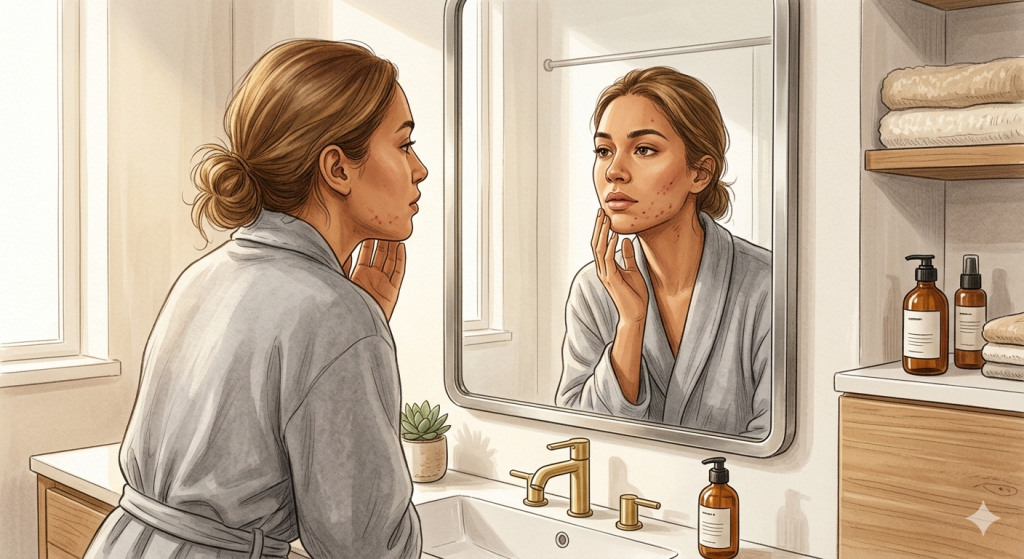
Have you ever felt as though your body is suddenly “off” and you cannot quite explain why? Maybe your periods have changed, your skin is breaking out, your sleep feels different, or your mood seems less steady than usual. It is very common to wonder, “Is this a hormonal imbalance?”
That phrase gets used a lot, but it can feel vague and confusing. The good news is that it does have a real meaning. The more important part is understanding what hormones do, how changes can show up in daily life, and when a symptom is worth checking properly rather than guessing.
Quick answer
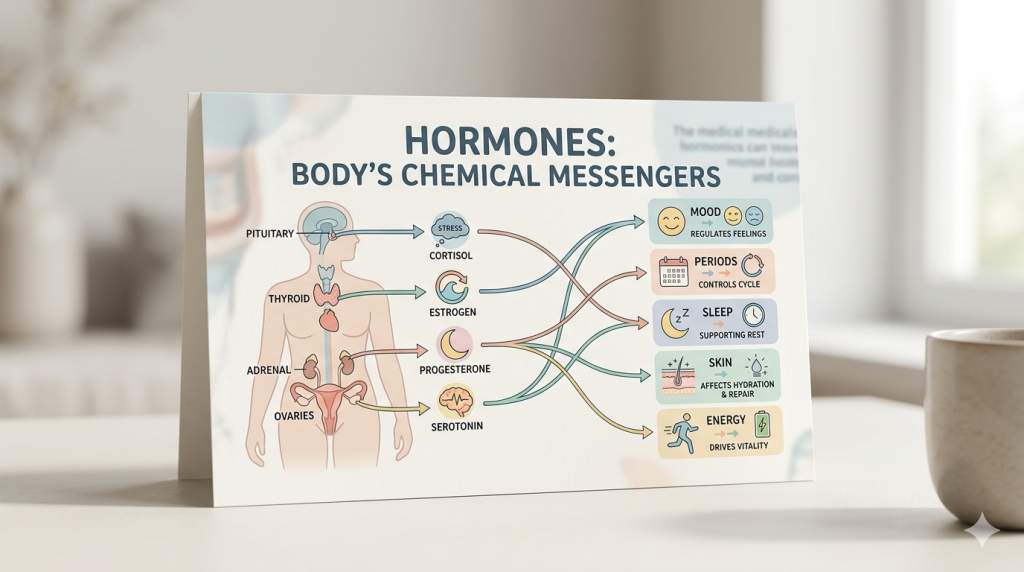
A hormonal imbalance means one or more hormones are too high, too low, or not working in the usual way for your body. Hormones help control things like periods, ovulation, metabolism, mood, sleep, and temperature regulation, so shifts can affect many parts of how you feel. Sometimes these changes are part of a normal life stage, but at other times they point to a condition that needs medical review. (MedlinePlus)
What is Hormonal Imbalance?
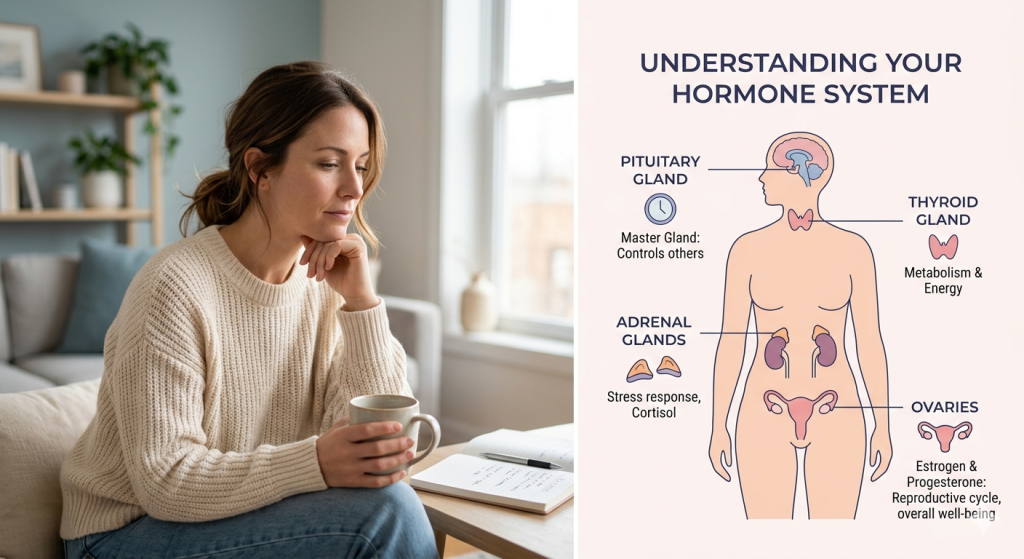
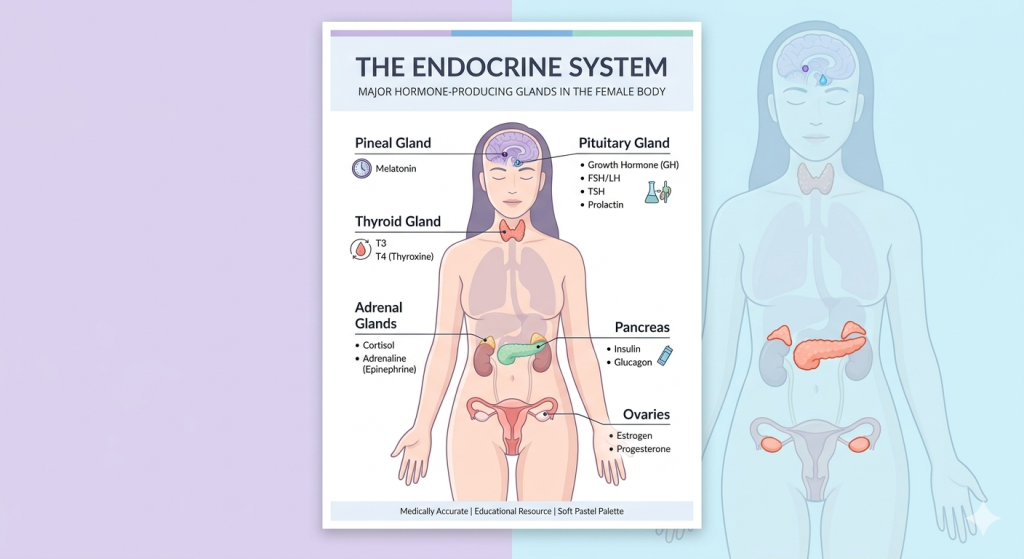
Hormones are chemical messengers made by glands in the endocrine system. They travel through the blood and help regulate important functions such as growth, metabolism, fertility, sexual function, mood, and energy use. Even a small change in hormone levels can affect how the body works. (MedlinePlus)
When people say “hormonal imbalance,” they usually mean that hormone levels have shifted in a way that is causing symptoms. In women, this often refers to changes involving oestrogen, progesterone, testosterone or other androgens, thyroid hormones, insulin, or stress hormones. It can also be related to life stages such as puberty, pregnancy, perimenopause, and menopause. (Cleveland Clinic)
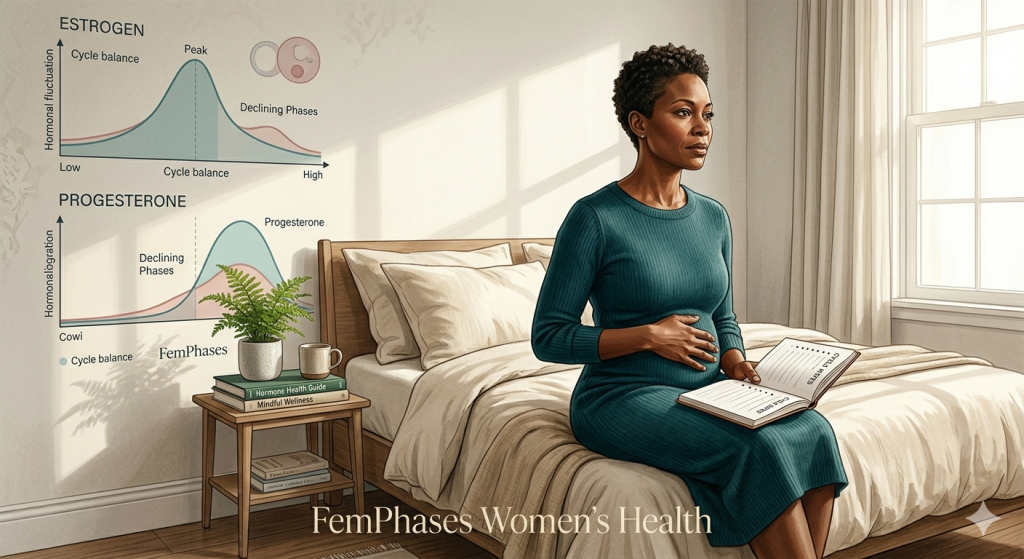
It is worth remembering that hormones naturally rise and fall. So not every fluctuation is a problem. The question is whether the change fits a normal pattern or is causing symptoms that are persistent, disruptive, or unusual for you.
Why does it happen?
There is no single cause. Hormonal changes can happen for several reasons, and the cause depends on which hormone is involved.
Common reasons include:
- Normal life stages such as puberty, pregnancy, postpartum changes, perimenopause, and menopause (MedlinePlus)
- PCOS, which can affect ovulation and androgen levels and often causes irregular periods, acne, and excess hair growth (nhs.uk)
- Thyroid conditions such as hypothyroidism or hyperthyroidism, which can affect weight, mood, energy, heart rate, and periods (MedlinePlus)
- Insulin resistance or metabolic changes, especially in conditions like PCOS (Cleveland Clinic)
- Certain medicines or health conditions, depending on your situation (MedlinePlus)
In everyday life, many women use “hormonal imbalance” as a catch-all phrase for symptoms that may actually have different underlying causes. That is why it is important not to self-diagnose based on a single symptom.
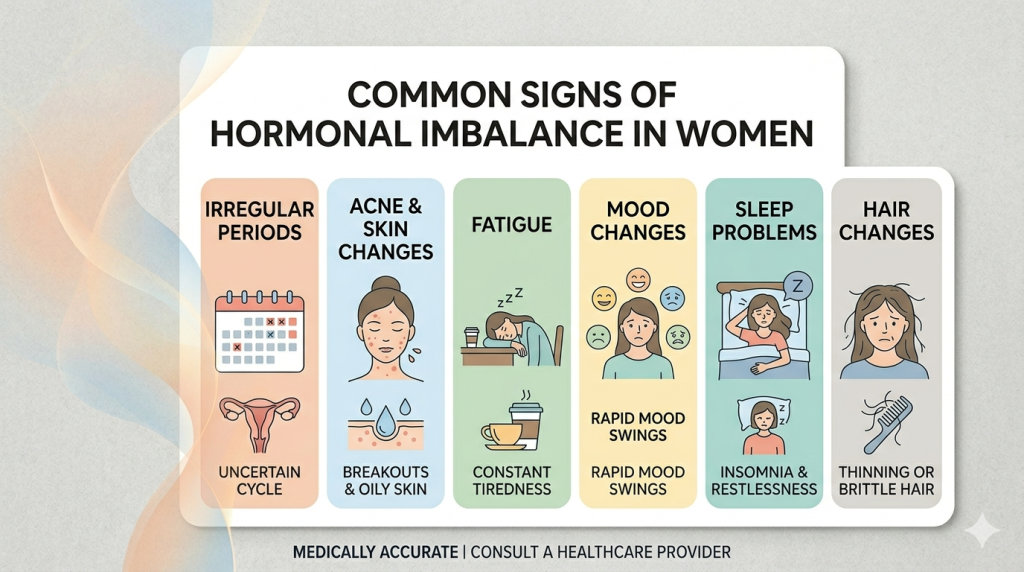
Signs or symptoms
Symptoms vary widely because different hormones do different jobs. A change in estrogen will not always look the same as a thyroid problem or PCOS.
Possible signs can include:
- irregular periods, missed periods, or very heavy bleeding
- acne or oily skin
- unwanted facial or body hair
- thinning hair or hair loss
- hot flushes or night sweats
- sleep problems
- mood changes
- low energy or fatigue
- unexplained weight change
- reduced sex drive
- vaginal dryness
- fertility difficulties or trouble ovulating (nhs.uk)
Not all of these symptoms automatically mean a hormone disorder. For example, hot flushes and cycle changes are common around menopause, while acne and irregular periods may point more toward PCOS in some women. Thyroid problems can also mimic many other issues because thyroid hormones affect how the body uses energy. (NIDDK)
A medically responsible reminder here: symptoms alone cannot tell you exactly which hormone is involved. Testing, timing, and a full clinical picture matter.
What is normal, and when to pay attention
Hormonal fluctuations are a normal part of being human. Menstrual cycles are not perfectly identical every month. Perimenopause can bring changing periods, sleep disruption, and temperature changes. Pregnancy and the months after birth also involve major hormonal shifts. (MedlinePlus)
What deserves closer attention is when symptoms are:
- new and persistent
- getting worse
- interfering with daily life
- affecting your periods, fertility, sleep, or mental well-being
- paired with other body changes such as hair loss, excess hair growth, or rapid weight change
Pay particular attention if your periods become very irregular, stop unexpectedly when pregnancy is not the reason, become unusually heavy, or are joined by symptoms such as acne, unwanted hair growth, or fertility difficulty. That pattern can sometimes be seen with PCOS, but it still needs proper assessment. (nhs.uk)
It also helps to look for patterns rather than isolated bad days. Keeping a simple record of your cycle, sleep, mood, skin changes, headaches, and energy can make it easier to spot recurring patterns and help a doctor assess you.

When to speak to a doctor
Speak to a doctor or qualified healthcare professional if:
- your periods have changed significantly
- you are missing periods and are not pregnant
- you are struggling with severe acne, excess hair growth, or hair thinning
- you have symptoms of menopause that are affecting daily life
- you have ongoing fatigue, weight change, or mood changes without a clear reason
- you are trying to conceive, and your cycles seem irregular
- something does not feel right, and it is not settling
A doctor may ask about your cycle, symptoms, medications, and health history. Depending on the picture, they may suggest blood tests or other checks. Hormone testing is sometimes useful, but it is not always as simple as testing “all hormones” once, because some hormones naturally change during the month, and results need context. (MedlinePlus)
Seek urgent medical advice if heavy bleeding is severe, you feel faint, have chest pain, or have other sudden or alarming symptoms.

Key takeaway
A hormonal imbalance is not a single diagnosis. It is a way of describing symptoms that may happen when hormones are too high, too low, or behaving differently than expected. Sometimes this is part of a normal life stage. Sometimes it is linked to conditions such as PCOS or thyroid disease. The key is not to panic, but not to brush things off either. If symptoms are ongoing, disruptive, or unusual for you, it is worth getting them checked. (NIDDK)
FAQs
Can stress cause a hormonal imbalance?
Stress can affect hormone pathways and may influence sleep, cycles, appetite, and mood, but it is not the only explanation for these symptoms. If symptoms are persistent, do not assume stress is the whole story.
Does a hormonal imbalance always affect periods?
No. Period changes are common, but hormones also affect energy, weight, temperature regulation, skin, hair, sleep, and mood. (MedlinePlus)
Is hormonal imbalance the same as PCOS?
No. PCOS is one specific condition that affects hormones and ovulation. “Hormonal imbalance” is a broader term and can include menopause-related changes, thyroid problems, and more. (nhs.uk)
Can menopause be mistaken for a hormonal imbalance?
Many women use that phrase to describe menopause or perimenopause symptoms. In that sense, hormone changes are involved, but menopause is a normal life stage rather than a disease. (MedlinePlus)
How do doctors check for hormone problems?
They usually start with your symptoms, menstrual history, and general health, then decide whether blood tests or other investigations are appropriate. One test alone does not always give the full answer. (MedlinePlus)
Medical Disclaimer
This article is for general informational purposes only and does not replace medical advice, diagnosis, or treatment from a qualified healthcare professional. If you have severe symptoms, heavy bleeding, fainting, chest pain, or ongoing changes in your periods, mood, weight, or energy, seek medical advice promptly.