


It can be unsettling to notice bleeding between periods when you were not expecting it. Maybe you wiped and saw light pink spotting, or maybe your period seemed to finish and then started again a few days later. Either way, it is a common reason women seek answers, and it is understandable to want to know whether it is harmless or requires a check.
Bleeding between periods is not always a sign of a serious problem. It can happen because of hormonal changes, contraception, ovulation, infections, polyps, fibroids, pregnancy-related causes, or changes around perimenopause. But any bleeding that is unusual for you, keeps happening, is heavy, or happens after sex, during pregnancy, or after menopause should be checked by a clinician.
What is bleeding between periods?
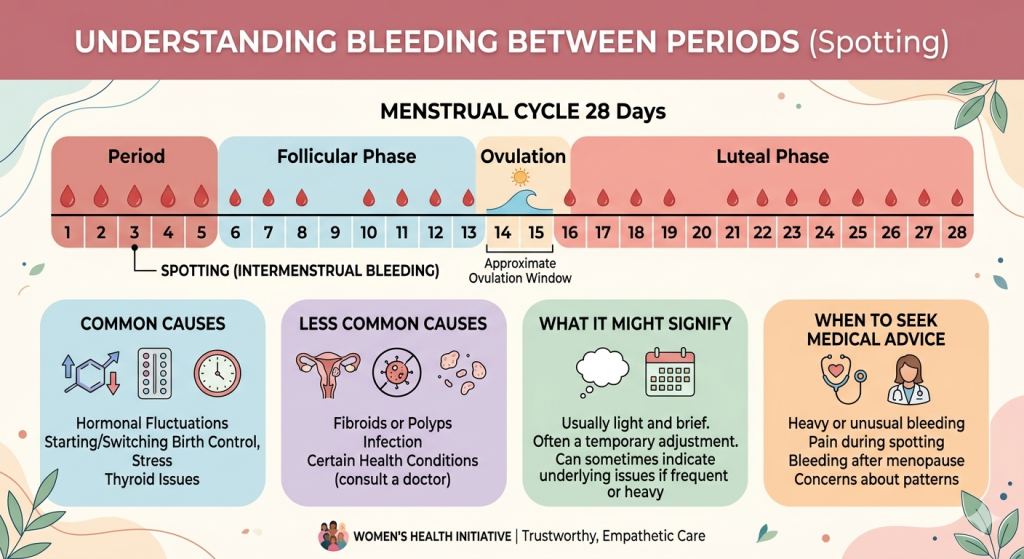
Bleeding between periods means any vaginal bleeding or spotting that happens outside your usual menstrual period. Some women notice only a few drops of blood on their underwear or toilet tissue. Others may have bleeding that feels more like a light period. Medical sources often group this under “abnormal uterine bleeding,” which means bleeding that falls outside your usual pattern.
Spotting vs heavier bleeding
1. Spotting
- A few drops of pink, red, or brown blood
- Often only noticeable when wiping
- May last a few hours to a day or two
2. Heavier bleeding
- Needs a pad or liner
- Lasts longer
- May come with cramps, pelvic pain, or clots
A menstrual cycle is commonly around 21 to 35 days, with bleeding lasting about 3 to 7 days, so bleeding outside that pattern is worth noticing, especially if it is new for you.
Why does it happen?
There is no single cause of bleeding between periods. Sometimes it is linked to hormones. Other times it can point to something structural, infectious, or pregnancy-related.
Common causes of bleeding between periods
i: Hormonal changes
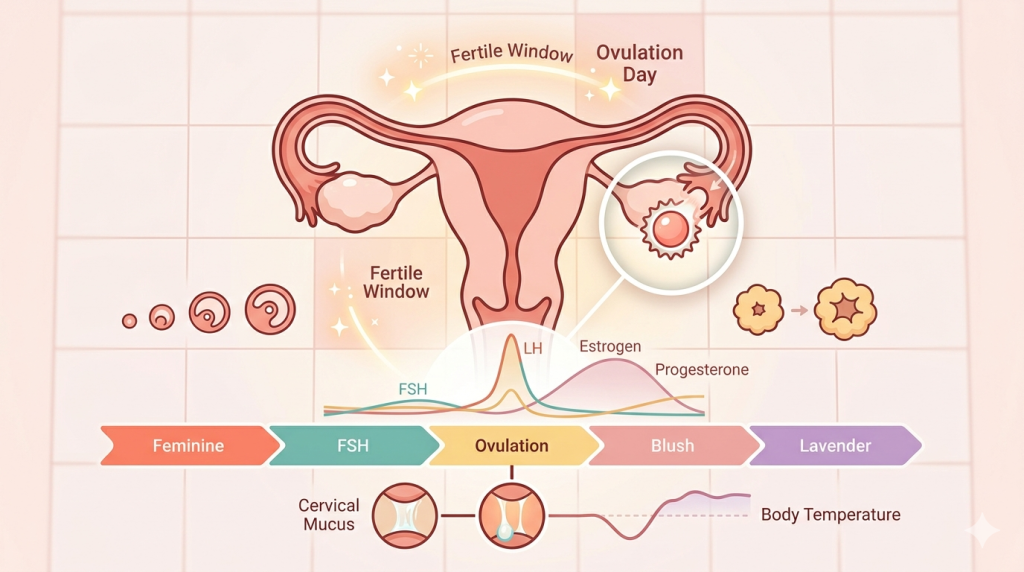
Hormone shifts are one of the most common reasons for bleeding between periods. This can happen around ovulation, in the first few months after starting or changing hormonal contraception, or during perimenopause when cycles become less predictable.
ii: Contraception
The pill, hormonal coil, implant, injection, and emergency contraception can all cause spotting, especially in the early months. This is often called breakthrough bleeding.
iii: Pregnancy-related causes
Sometimes bleeding between periods is not a period issue at all. It may happen in early pregnancy, including with implantation bleeding, miscarriage, or ectopic pregnancy. Any bleeding in pregnancy should be discussed with a healthcare professional.
iv: Infections or irritation
Sexually transmitted infections such as chlamydia, vaginal dryness, or irritation around the cervix can cause unexpected bleeding, especially after sex.
v: Polyps or fibroids
These are non-cancerous growths in or around the uterus or cervix that can cause bleeding between periods, heavier periods, or bleeding after sex.
vi: PCOS and other ovulation problems
When ovulation is irregular, the lining of the womb can build up and shed unpredictably, which can lead to irregular bleeding or spotting.
vii: Less common but important causes
Occasionally, unusual bleeding can be linked to cancer or pre-cancerous changes, especially if it happens after menopause, after sex, or keeps recurring without a clear reason.
Heavy periods: what is normal and when to get help
Signs or symptoms
Bleeding between periods can show up in different ways. The pattern often gives helpful clues.
i: You might notice
- Light pink, red, or brown spotting
- Bleeding halfway through your cycle
- Bleeding after sex
- A period that seems to stop and start again
- Pelvic pain or cramping
- Unusual vaginal discharge
- Heavier or longer periods alongside the spotting
ii: Symptoms that need more attention
- Bleeding that is getting heavier
- Passing large clots
- Dizziness, weakness, or shortness of breath
- One-sided pelvic pain
- Fever or foul-smelling discharge
- Bleeding in pregnancy
- Any bleeding after menopause
What is normal, and when to pay attention
A small amount of spotting is not always a sign of a serious problem. For example, bleeding between periods can happen with ovulation or in the first few months of a new contraceptive method. But “common” does not always mean “ignore it.” If it is unusual for you, it deserves attention.
1: It may be less worrying if
- It is very light and short-lived
- It happens once
- You recently started or changed hormonal contraception
- It fits with ovulation timing, and you otherwise feel well
2: Pay closer attention if
- It keeps happening month after month
- It is heavier than spotting
- It happens after sex
- Your periods have also become much heavier, longer, or more painful
- You are pregnant or could be pregnant
- You have gone through menopause
- You feel unwell, anaemic, or are in pain
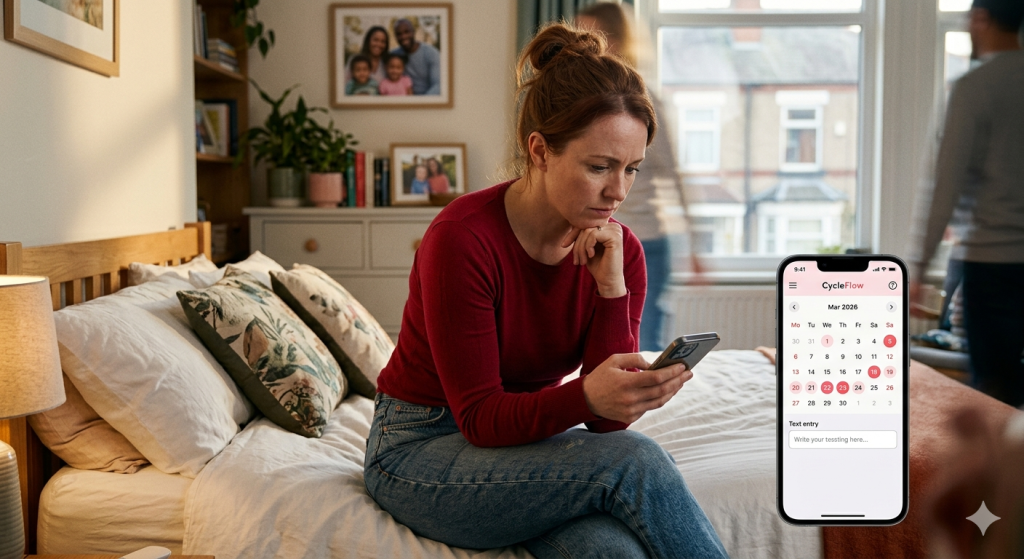
A helpful practical step is to track what is happening: when the bleeding starts, how long it lasts, how heavy it is, whether you have pain, and whether it is linked to sex, contraception, or missed pills. That makes it easier to explain at a medical appointment.
Missing Periods in Perimenopause: Is It Normal?
When to speak to a doctor
Speak to a doctor, sexual health clinic, or women’s health clinician if bleeding between periods is new, recurring, or not clearly explained by something like recently starting contraception. NHS and other medical guidance advise getting unusual vaginal bleeding checked, even when the cause turns out not to be serious.
i: Make an appointment soon if
- You keep having bleeding between periods
- You bleed after sex
- Your normal cycle has changed significantly
- You have pelvic pain, unusual discharge, or signs of infection
- You think your contraception may be affecting your bleeding, and you need advice
ii: Get urgent medical help if
- You are pregnant and bleeding
- You have severe pain, fainting, or feel very unwell
- The bleeding is very heavy, such as soaking through pads or tampons quickly
- You bleed after menopause
Key takeaway
Bleeding between periods can happen for many reasons, and often the cause is treatable or temporary. Still, it is one of those symptoms that should not be brushed aside if it is new, recurrent, heavy, linked to sex, happens in pregnancy, or appears after menopause. If you are unsure, getting checked is the safest next step. It is always okay to ask about changes in your cycle.
FAQs
Is bleeding between periods normal?
It can happen sometimes, especially with hormonal contraception, ovulation, or perimenopause. But because it can also signal infection, pregnancy-related causes, polyps, fibroids, or more serious conditions, it should be noticed rather than ignored.
Why am I spotting two weeks after my period?
That timing can sometimes match ovulation, but it can also happen with contraception changes, hormone shifts, infections, or structural causes such as fibroids or polyps. If it keeps happening, get medical advice.
Can stress cause bleeding between periods?
Stress can affect hormone patterns and cycle timing, which may contribute to irregular bleeding in some people. But do not assume stress is the only cause if the bleeding is new or persistent.
Should I worry about bleeding between periods on the pill?
Spotting can be common in the first few months of starting, missing, or changing the pill. But if it continues, becomes heavy, or comes with pain or other symptoms, speak to a clinician.
Is bleeding between periods a sign of cancer?
Usually not, but in some cases it can. That is why unusual bleeding, especially after sex or after menopause, should always be checked.
Medical disclaimer
This article is for general education and is not a substitute for personal medical advice, diagnosis, or treatment. If you have bleeding between periods that is heavy, recurrent, painful, happens during pregnancy, or occurs after menopause, please speak to a qualified healthcare professional promptly.