Introduction
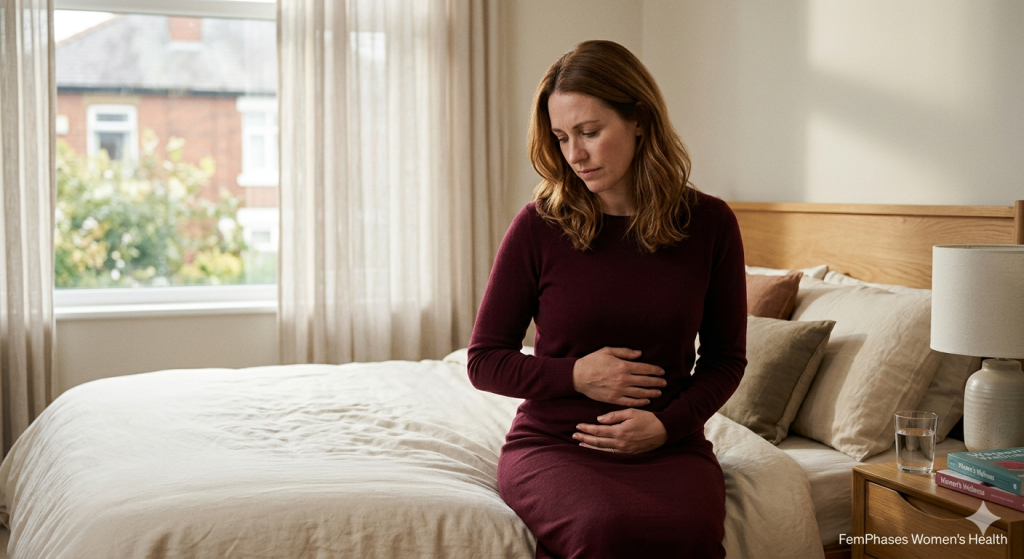
If you have been wondering whether your painful periods, pelvic pain, or bowel symptoms could be signs of endometriosis, you should not ignore them; you are not overreacting. Many women are told that severe period pain is “just part of being a woman,” but ongoing pain that disrupts your life deserves proper attention.
Endometriosis can look different from one person to another. For some women, it shows up as worsening period pain. For others, it appears as pain during sex, bowel pain, fatigue, or trouble getting pregnant.
Quick answer:
The main signs of endometriosis you should not ignore are pain that is severe, recurring, or starts interfering with daily life. This can include painful periods, pelvic pain between periods, pain during sex, painful bowel movements, pain when urinating during your period, heavy bleeding, and fertility difficulties. Endometriosis is treatable, but it should be evaluated by a doctor rather than dismissed. (nhs.uk)
What is Endometriosis?
Endometriosis is a condition in which tissue similar to the lining of the womb grows outside the womb, often on organs such as the ovaries, fallopian tubes, bowel, bladder, or pelvic lining. This tissue still responds to hormones, which means it can cause inflammation, irritation, scarring, and pain. (nhs.uk)
Why Endometriosis matters
Endometriosis is not simply “bad period pain.” It is a long-term condition that can affect physical health, emotional well-being, sex life, work, sleep, and fertility. NICE also notes that people with endometriosis may need long-term support because the impact can be wide-ranging. (NICE)
Why does Endometriosis happen?
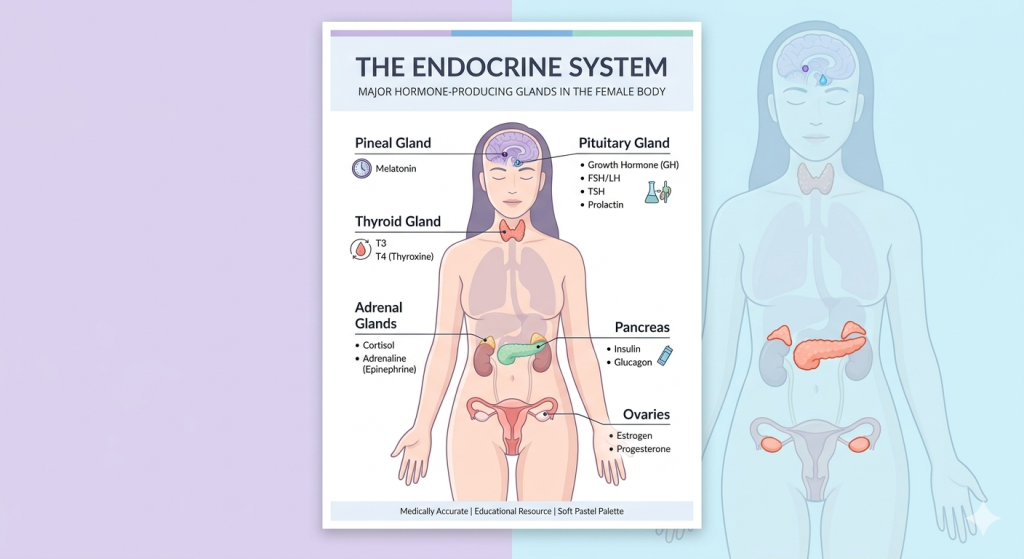
The exact cause is not fully understood. It likely develops through a mix of factors rather than one single reason. These may include hormones, immune system factors, family history, and the way endometrial-like tissue can grow outside the womb. (ACOG)
A few things doctors do know
Hormones play a role.
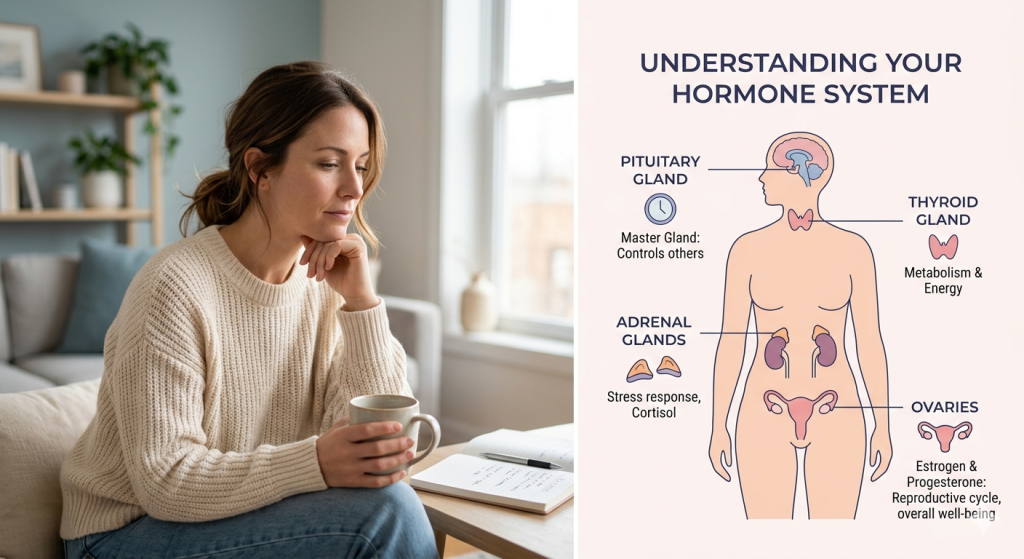
Endometriosis tissue responds to hormones such as estrogen, which can help explain why symptoms often flare around the menstrual cycle. (ACOG)
It can run in families.
A family history can increase suspicion, which is why NICE recommends asking about it when endometriosis is being considered. (NICE)
Symptoms do not always match severity.
Some women with significant endometriosis have mild symptoms, while others with smaller areas of disease may have severe pain. That is one reason symptoms should be taken seriously, even when scans are normal, or the pain seems hard to explain.
Signs or symptoms
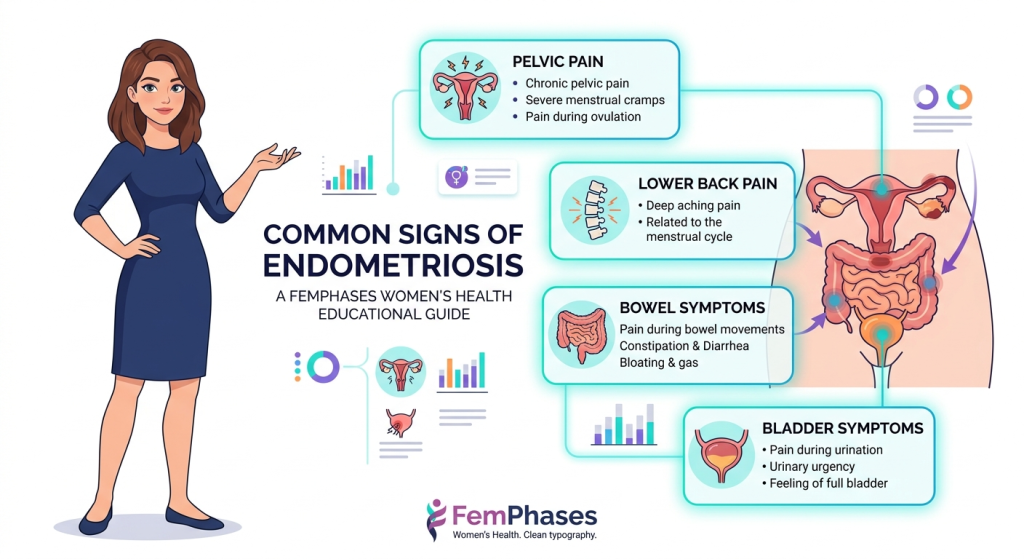
The biggest message here is simple: the signs of endometriosis you should not ignore are the ones that keep happening, get worse, or start affecting your daily life.
Common signs of endometriosis you should not ignore
- Very painful periods that stop you from doing normal activities
- Pelvic pain before, during, or after your period
- Heavy periods or bleeding that feels hard to manage
- Pain during or after sex, often felt deep inside
- Painful bowel movements during your period
- Pain when urinating during your period
- Lower back pain or ongoing pelvic ache
- Bloating, bowel discomfort, or intestinal pain
- Fatigue alongside recurring pain
- Difficulty getting pregnant or fertility concerns (nhs.uk)
Symptoms that are easy to dismiss
Some signs of endometriosis you should not ignore do not always look obviously “gynaecological.” For example:
Bowel symptoms around your period
If you notice pain when opening your bowels, constipation, diarrhoea, or deep pelvic pressure that gets worse around your period, that pattern matters. (Office on Women’s Health)
Bladder pain during your period
Pain when passing urine during menstruation can also be part of the picture and should not be brushed off. (Office on Women’s Health)
Pain that keeps returning
Pain that comes back month after month, especially if it is getting worse, is one of the clearest signs of endometriosis you should not ignore. (nhs.uk)
Cramping in Early Pregnancy: What Is Normal and What Is Not?
What is normal, and when to pay attention
A mild amount of cramping that improves with rest, heat, or simple pain relief can happen with periods. But pain is not “normal” when it regularly disrupts your life.
What may be within the usual range
- Mild cramps for a day or two
- Symptoms that respond well to simple pain relief
- Discomfort that does not stop you from functioning
When to pay attention
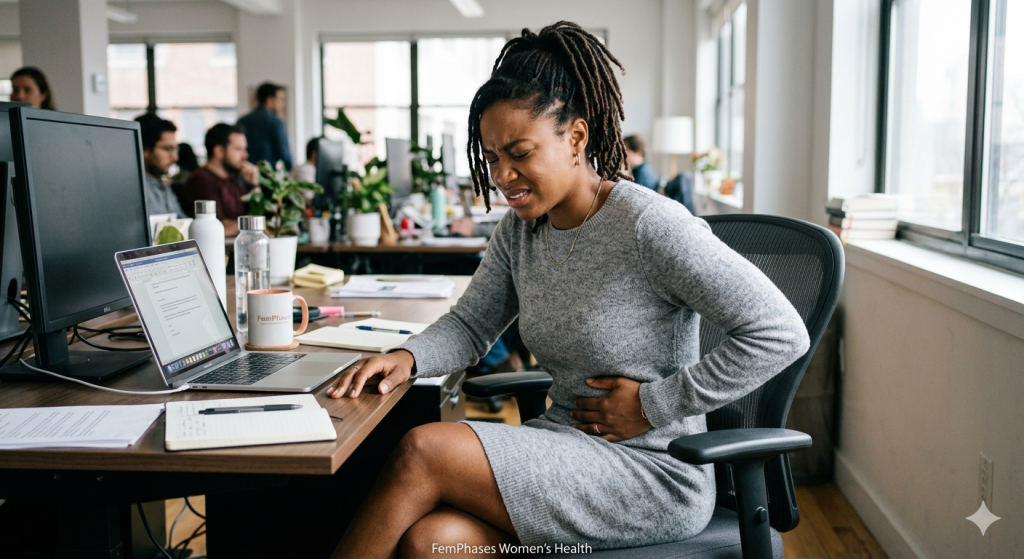
The signs of endometriosis you should not ignore usually involve a pattern like this:
- You miss work, school, or social plans because of period pain
- Pain relief is no longer helping enough
- Your symptoms are getting worse over time
- Sex becomes painful
- You have bowel or bladder pain linked to your cycle
- You feel exhausted by your periods every month
- You have been trying to conceive without success and also have painful periods or pelvic pain (nhs.uk)
A medically responsible reminder
Severe pain should not be self-diagnosed as endometriosis. Other conditions can also cause pelvic pain or heavy bleeding, including fibroids, pelvic inflammatory disease, adenomyosis, ovarian cysts, or bladder and bowel conditions. A proper medical assessment matters. (NICE)
When to speak to a doctor
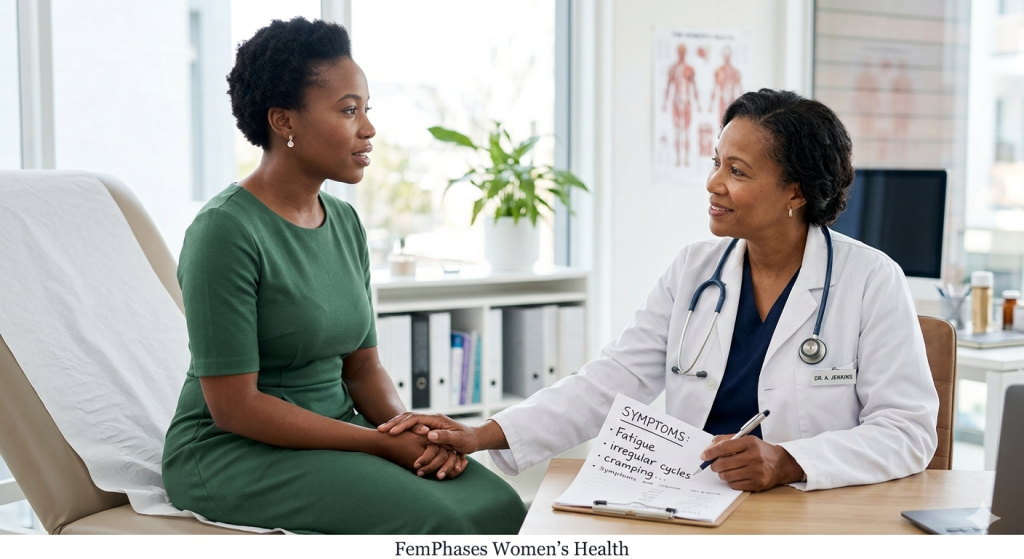
Speak to a doctor if you think you have signs of endometriosis that you should not ignore, especially if the symptoms are affecting your daily life, relationships, mental well-being, or fertility.
Book an appointment if
- Your periods are consistently very painful
- You have pelvic pain between periods
- You have pain during sex
- You notice bowel or bladder pain around menstruation
- Your bleeding is very heavy
- You have symptoms plus trouble conceiving
What the doctor may do
A doctor may ask about your symptom pattern, periods, sex, fertility, and family history. They may examine you, arrange an ultrasound, discuss symptom tracking, and refer you to a specialist if needed. NICE recommends examination and ultrasound in suspected cases, while also recognising that endometriosis can still be present even if imaging is normal. (NICE)
Go urgently if
Seek urgent medical help if you have:
- Sudden, severe pelvic pain, unlike your usual symptoms
- Very heavy bleeding causing dizziness or fainting
- Fever, vomiting, or signs of acute illness
- Severe pain in pregnancy
These symptoms may indicate something else that needs urgent care.
Key takeaway
The most important thing to remember is this: the signs of endometriosis you should not ignore are the ones that keep coming back, feel severe, or interfere with your life. Painful periods that flatten you, pain during sex, bowel or bladder pain around your cycle, and fertility concerns are all worth discussing with a doctor. You do not need to wait until things become unbearable to ask for help.
Frequently Asked Questions
Q: Can endometriosis feel like normal period pain?
A: Sometimes it begins that way, but endometriosis pain is often more intense, more disruptive, or linked with other symptoms such as pain during sex, bowel pain, or pain between periods. (nhs.uk)
Q: What are the first signs of endometriosis?
A: Often, the first signs are very painful periods, pelvic pain that keeps returning, or pain that gets worse over time. Some women also notice bowel symptoms or pain during sex early on. (nhs.uk)
Q: Can you have endometriosis with a normal ultrasound?
A: Yes. Imaging can help, but normal ultrasound results do not rule out endometriosis. (Right Decisions)
Q: Does endometriosis always cause heavy periods?
A: No. Heavy bleeding can happen, but not everyone with endometriosis has it. Some women mainly have pain, bowel symptoms, or fertility problems. (nhs.uk)
Q: Is pain during sex a sign of endometriosis?
A: It can be. Deep pain during or after sex is one of the recognised symptoms and should be discussed with a doctor, especially if it keeps happening. (Office on Women’s Health)
Q: Can endometriosis affect fertility?
A: Yes. Endometriosis can be linked with fertility problems, which is one reason it is worth assessing early. (NICE)
Q: When should I worry about painful periods?
A: You should pay attention when period pain stops you from living normally, is getting worse, or comes with other symptoms such as pelvic pain, heavy bleeding, bowel pain, bladder pain, or pain during sex. (nhs.uk)
Medical disclaimer
This article is for general education only and is not a diagnosis or a substitute for medical care. If you have severe pain, heavy bleeding, fertility concerns, or symptoms that are worsening, speak to a qualified doctor or gynaecologist. Seek urgent medical attention for sudden severe pain, fainting, very heavy bleeding, fever, or other acute symptoms.