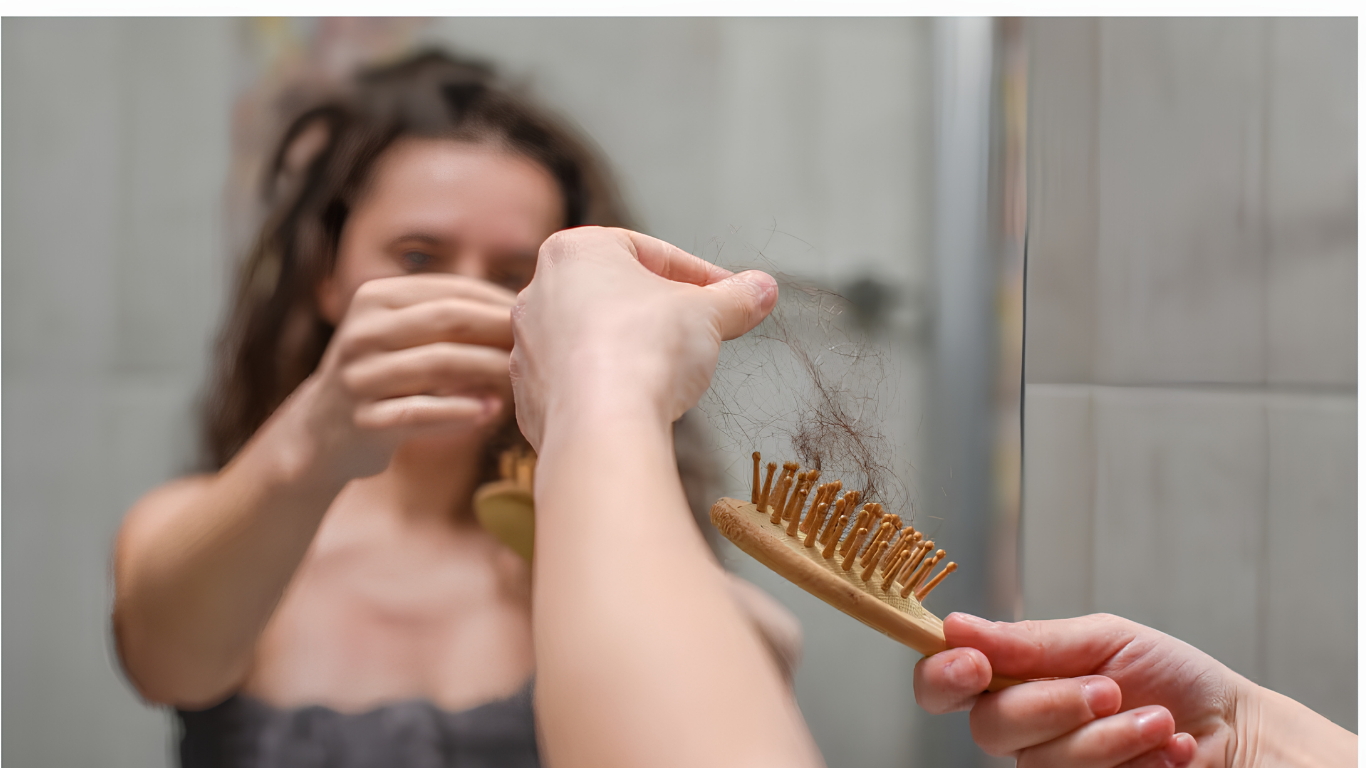


For many women, PCOS symptoms begin quietly. A few missed periods. Acne that does not improve with age. Weight changes that feel difficult to explain. Extra facial hair. Exhaustion. Mood swings. Fertility struggles. What often starts as “something feels off” can slowly become years of unanswered questions.
Polycystic ovary syndrome (PCOS) is one of the most common hormonal conditions affecting women of reproductive age. It is estimated to affect around 1 in 10 women globally, although many remain undiagnosed for years. PCOS affects hormone balance, ovulation, metabolism, skin health, fertility, and long-term health risks, including diabetes and cardiovascular disease.
Despite its name, PCOS is not simply a condition involving ovarian cysts. It is a complex endocrine disorder involving hormones such as insulin, testosterone, and luteinising hormone (LH), as well as inflammatory pathways. Modern research increasingly recognises PCOS as a whole-body condition, not just a reproductive issue.
According to guidance from the NHS and NICE, early recognition and treatment can help reduce complications and improve quality of life.
Many women dismiss early PCOS symptoms because they are told irregular periods are “normal,” weight changes are simply lifestyle-related, or acne is cosmetic rather than hormonal. But your symptoms deserve attention. Recognising these signs early can empower you to seek support sooner and take control of your long-term health.
What Causes PCOS?
PCOS does not have one single cause. Current evidence suggests it develops from a combination of:
- Genetics
- Insulin resistance
- Hormonal imbalance
- Chronic low-grade inflammation
- Environmental and lifestyle factors
Women with close relatives who have PCOS are more likely to develop the condition themselves, suggesting a strong hereditary component.
i. Insulin Resistance and Hormone Disruption
One of the most important mechanisms behind PCOS symptoms is insulin resistance. This means the body’s cells do not respond effectively to insulin, the hormone that regulates blood sugar.
As a result, the body produces more insulin to compensate. High insulin levels stimulate the ovaries to produce excess androgens, often called “male hormones,” including testosterone.
This hormonal shift can contribute to:
- Irregular ovulation
- Acne
- Excess facial or body hair
- Scalp hair thinning
- Weight gain
- Fatigue
Research from the Endocrine Society continues to support insulin resistance as a major driver of metabolic and reproductive complications in PCOS.
ii. Inflammation and PCOS
Emerging evidence from 2024–2026 research also highlights the role of chronic inflammation in PCOS. Low-grade inflammation may worsen insulin resistance and disrupt ovarian function.
This helps explain why some women with PCOS experience:
- Persistent fatigue
- Joint discomfort
- Brain fog
- Mood symptoms
- Difficulty losing weight despite lifestyle changes
PCOS is increasingly understood as a condition involving metabolic, psychological, and inflammatory pathways together.
Why PCOS Looks Different in Different Women
Not every woman experiences the same PCOS symptoms. Some women are lean and struggle mainly with irregular periods or fertility issues. Others experience severe metabolic symptoms, including weight gain and prediabetes.
Ethnicity, genetics, age, and hormone patterns all influence how PCOS appears clinically.
Some women also develop symptoms gradually over time, especially during:
- Puberty
- Perimenopause
- Periods of chronic stress
- Weight changes
- After stopping hormonal contraception
Symptoms, Diagnosis & Barriers
a. Common Early PCOS Symptoms
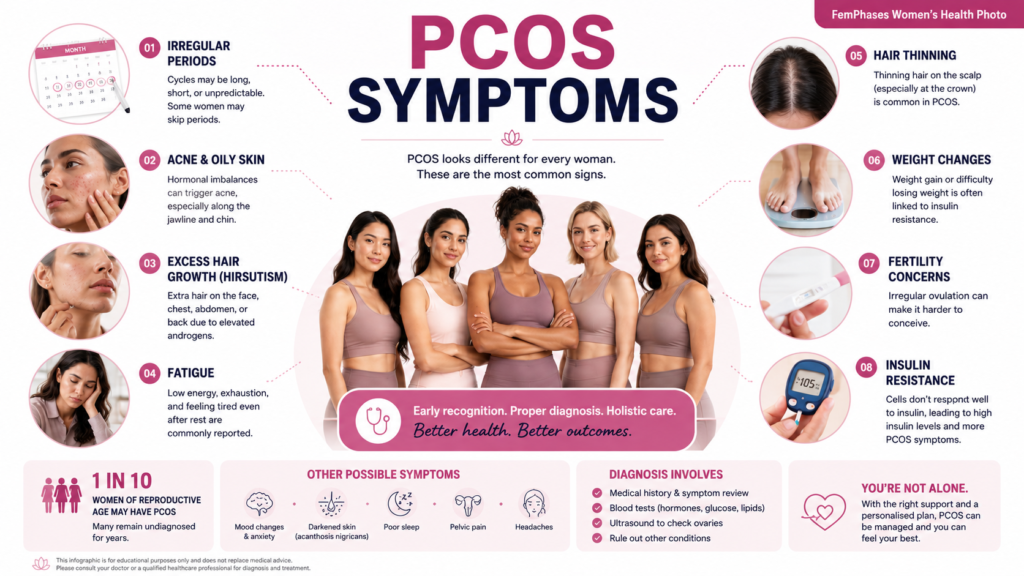
The initial signs of PCOS, such as irregular or missed periods and hormonal changes, are crucial for early detection because recognising them promptly can lead to earlier support and management.
Common signs include:
- Irregular or missed periods
- Heavy or unpredictable bleeding
- Acne, especially along the jawline
- Increased facial or body hair (hirsutism)
- Weight gain or difficulty losing weight
- Scalp hair thinning
- Oily skin
- Fatigue
- Fertility difficulties
- Mood changes or anxiety
- Darkened skin patches (acanthosis nigricans) are often linked to insulin resistance
When to Get Checked
You should consider speaking with a healthcare professional if you experience:
- Periods more than 35 days apart
- Missing periods for several months
- Persistent hormonal acne
- Excess hair growth
- Fertility difficulties after trying to conceive
- Rapid weight changes
- Signs of insulin resistance
- Severe fatigue or worsening symptoms
Early assessment matters because untreated PCOS can increase the risk of:
- Type 2 diabetes
- High blood pressure
- Sleep apnoea
- Endometrial hyperplasia
- Infertility
- Anxiety and depression
b. How PCOS Is Diagnosed
There is no single test for PCOS. Diagnosis usually involves a combination of symptoms, blood tests, and ultrasound findings.
Most clinicians use the Rotterdam Criteria, which require two out of three features:
- Irregular ovulation or irregular periods
- Signs of excess androgens
- Polycystic ovaries seen on ultrasound
Tests may include:
- Testosterone levels
- Blood glucose and HbA1c
- Lipid profile
- Thyroid function
- Prolactin levels
- Pelvic ultrasound
According to the Office on Women’s Health, diagnosis can sometimes take years because symptoms overlap with other conditions.
The Reality of Medical Advocacy
Many women with PCOS symptoms report feeling dismissed, particularly if symptoms are gradual or weight-related.
If you feel your concerns are not being taken seriously:
- Track your symptoms
- Bring cycle records to appointments
- Request hormone and metabolic testing
- Ask questions about long-term risks
- Seek a second opinion if necessary
Your symptoms are valid, even if they fluctuate or do not fit a textbook picture. Feeling heard and understood is essential for your confidence and emotional well-being.
Solutions & Support
i. Medical Treatments
Treatment depends on symptoms, fertility goals, metabolic health, and personal preference.
Common evidence-based medical approaches include:
- Combined hormonal contraception for cycle regulation
- Metformin for insulin resistance
- Fertility medications if trying to conceive
- Anti-androgen medications for excess hair growth
- Acne treatments
- Weight management support
The ACOG recommends individualised treatment plans based on reproductive and metabolic needs.
ii. Lifestyle and Metabolic Support
Lifestyle interventions are not about blame or “fixing” your body. They are about supporting hormone regulation and reducing long-term health risks.
Research consistently shows benefits from:
- Balanced blood sugar support
- Regular movement
- Strength training
- Sleep optimisation reduction
- Sustainable nutrition habits
Even modest improvements in insulin sensitivity may improve ovulation and energy levels.
Helpful strategies may include:
- Prioritising protein and fibre
- Reducing ultra-processed foods
- Walking after meals
- Building muscle mass
- Managing chronic stress
iii. Mental Health and Emotional Impact
Living with ongoing PCOS symptoms can affect self-esteem, body image, relationships, and emotional well-being.
Women with PCOS have higher rates of:
- Anxiety
- Depression
- Eating disorders
- Emotional distress
Psychological support matters just as much as hormonal care.
Support may include:
- Therapy
- Support groups
- Body image counselling
- ADHD or neurodivergence assessment, where relevant
- Stress management techniques
iv. Fertility and Future Health
Not all women with PCOS experience infertility. Many conceive naturally or with support.
However, PCOS can affect ovulation, making conception less predictable. Early treatment can improve reproductive outcomes.
Long-term monitoring is also important because PCOS increases the risk of:
- Prediabetes
- Type 2 diabetes
- Cardiovascular disease
- Sleep apnoea
- Endometrial cancer risk related to prolonged absence of periods
Regular check-ups can help monitor these risks early.

Conclusion
Living with unexplained hormonal changes can feel frustrating, isolating, and deeply confusing, especially when your symptoms are dismissed or brushed aside. But PCOS symptoms are real, medically recognised and worthy of attention. Whether you are struggling with irregular periods, acne, fatigue, fertility concerns, weight changes, or emotional overwhelm, your body is not “failing” you. It is communicating that something deeper may need support.
One of the most important things to understand about PCOS is that it rarely looks the same from one woman to another. Some women experience obvious reproductive symptoms early on, while others mainly notice metabolic changes, skin issues, or persistent exhaustion. This variation is one reason diagnosis is often delayed. Yet early recognition matters because timely support can help reduce long-term health risks and improve overall quality of life.
The good news is that PCOS is manageable. With the right combination of medical care, lifestyle support, symptom tracking, and emotional support, many women see significant improvements in their cycles, energy, metabolic health, and well-being. Treatment is not about achieving perfection or “curing” your body. It is about understanding your hormone patterns, supporting your health realistically, and finding sustainable approaches that work for you.
If your symptoms have been persistent, worsening, or affecting your daily life, you deserve answers and compassionate care. Paying attention to your body early, asking questions, and advocating for yourself can make a meaningful difference not only for your reproductive health but also for your long-term physical and emotional well-being.
The Femphases Takeaway
PCOS symptoms are not “just hormones” or something you should push through. Your cycle, skin, energy, mood, metabolism, and reproductive health are all connected.
If something in your body feels different, persistent, or unexplained, it is worth paying attention to.
Start with:
- Tracking your symptoms
- Recording menstrual changes
- Asking for hormone and metabolic testing
- Seeking evidence-based support
- Focusing on sustainable, realistic care rather than perfection
Small changes and earlier intervention can make a meaningful difference over time.
Frequently Asked Questions
1. Can you have PCOS with regular periods?
Yes. Some women with PCOS still ovulate regularly or have near-regular cycles, particularly in milder cases.
2. What age do PCOS symptoms usually start?
Many women notice symptoms during puberty or in their late teens and twenties, although symptoms can appear later.
3. Does PCOS always cause weight gain?
No. Lean PCOS exists, and some women experience hormonal symptoms without significant weight changes.
4. Is PCOS the same as ovarian cysts?
No. PCOS is a hormonal and metabolic condition. Ovarian cysts alone do not mean someone has PCOS.
5. Can PCOS improve over time?
Symptoms can improve with treatment, lifestyle support, and hormonal changes across life stages, but PCOS is generally considered a long-term condition.
6. Should I see a doctor for irregular periods?
Yes. Persistent irregular periods should always be assessed to rule out hormonal or reproductive conditions.
7. Does PCOS affect menopause?
PCOS may continue to affect metabolic health after menopause, although reproductive symptoms often shift with age.
Soft Call to Action
Not sure where your symptoms fit? Take the Tools and Quizzes to understand your pattern.
Medical Disclaimer
This article is for educational purposes only and does not replace personal medical advice, diagnosis, or treatment. If you are worried about your symptoms, if your symptoms are getting worse, or if something does not feel right in your body, please speak with your doctor, nurse practitioner, gynaecologist, endocrinologist, or another qualified healthcare professional. Seek urgent medical help for severe, sudden, or concerning symptoms.