FemPhases

Trust Bar Marquee

Body & Hormones

Your body may begin to feel unfamiliar, but you are not imagining the changes. Explore clear, compassionate guidance on perimenopause, menopause, sleep, weight, brain fog, sexual health and other hormonal concerns so you can understand what is happening and know when to seek support.

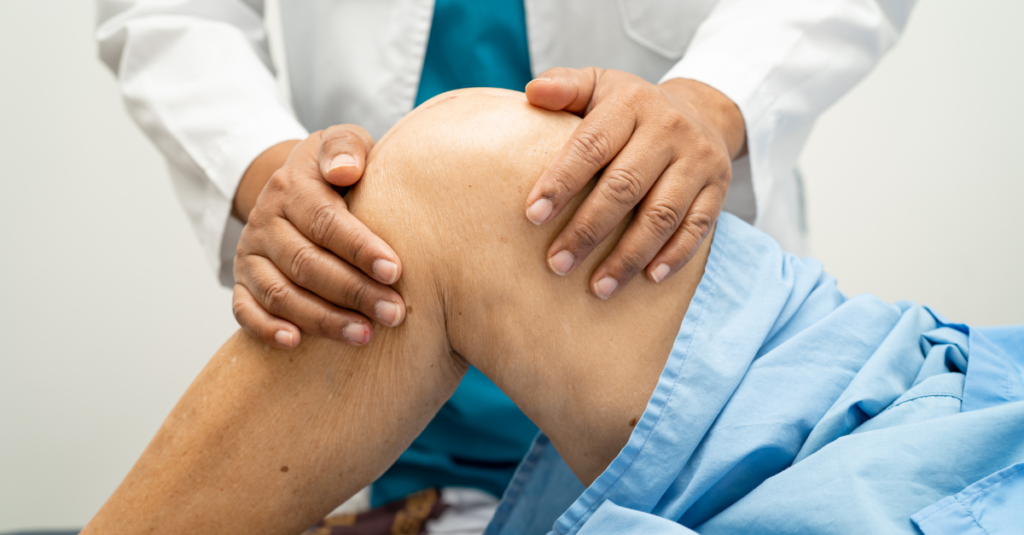
Is It Normal to Have Joint Pain During Perimenopause?

You stand up after sitting for a while and notice your knees feel stiff. Your fingers ache when you wake up in the morning. Your shoulders feel tighter than they used to, and climbing the stairs leaves your hips uncomfortable. You haven’t injured yourself, yet your joints seem to complain more than they once did. If you’ve started wondering, “Is it normal to have joint pain?” you’re certainly not alone. Many women begin to notice aching or stiff joints in their forties and fifties. Sometimes the discomfort comes and goes. Other times, it seems to appear for no obvious reason. It can make everyday activities more difficult and leave you wondering whether it’s simply part of getting older, a symptom of perimenopause or a sign that something more serious is happening. The reassuring news is that joint pain is common, particularly during midlife. Hormonal changes, normal ageing, everyday wear and tear, physical activity and certain medical conditions can all contribute to aching joints. However, while occasional stiffness is often harmless, persistent, severe or swollen joints should never be ignored. Understanding the possible causes can help you decide what you can manage yourself and when it’s time to seek medical advice. Quick Facts Is it common? Yes. Many women experience joint pain or stiffness during midlife, particularly during perimenopause. What might cause it? Hormonal changes, ageing, osteoarthritis, injury, overuse, autoimmune conditions, physical inactivity or excess weight. When should I speak to a doctor? If your joint pain is severe, persistent, associated with swelling, redness, fever or significantly affects your daily life. The Brief Answer Yes, joint pain is common, particularly during midlife. Many women notice their joints becoming stiffer or more uncomfortable during perimenopause. This may be linked to changing hormone levels, natural ageing, reduced muscle strength or other lifestyle factors. Occasional aches after exercise or following a busy day are usually nothing to worry about. However, joint pain that is persistent, worsening or accompanied by swelling, redness, warmth or fever should always be assessed by a doctor. The key is recognising what’s likely to be a normal part of the body’s changing needs—and what may indicate an underlying condition that deserves medical attention. Understanding What’s Happening to Your Joints Your joints are where two or more bones meet. They rely on healthy cartilage, strong muscles, flexible ligaments and lubricating joint fluid to move comfortably. As you get older, several natural changes occur: Cartilage gradually becomes thinner. Muscles may lose strength. Connective tissues become less flexible. Hormone levels fluctuate. Recovery after physical activity may take longer. Together, these changes can make joints feel stiffer, particularly after sitting still, first thing in the morning or after an unusually active day. During perimenopause, many women notice these changes more clearly because declining oestrogen levels may influence inflammation, joint lubrication and pain sensitivity. Although joint discomfort can be frustrating, understanding why it’s happening often makes it easier to manage. Common Reasons Why Your Joint Are Painful Joint pain rarely has a single cause. More often than not, several factors combine to affect how your joints feel. 1. Hormonal Changes During Perimenopause One of the most common reasons women notice aching joints in midlife is changing hormone levels. Oestrogen helps support many tissues throughout the body, including bones, cartilage and the structures around your joints. As oestrogen levels fluctuate during perimenopause, some women notice: Stiff fingers. Aching knees. Sore hips. Shoulder discomfort. Neck pain. General joint stiffness. According to the NHS – Menopause, joint aches and pains are recognised symptoms experienced by many women during the menopause transition. 2. Normal Ageing It’s natural for joints to change over time. Years of walking, lifting, exercising and everyday movement gradually place wear on the joints. This doesn’t mean pain is inevitable, but it does mean you may notice: More stiffness after sitting. Slower recovery after activity. Less flexibility. Occasional aches during colder weather. Many of these changes develop gradually over many years. 3. Osteoarthritis Osteoarthritis is the most common type of arthritis. It develops when the protective cartilage covering the ends of bones gradually wears down. It most commonly affects the: Knees. Hips. Hands. Spine. Symptoms often include: Pain during movement. Morning stiffness lasting less than 30 minutes. Reduced flexibility. A grating sensation during movement. According to the NHS, osteoarthritis becomes more common with increasing age but can often be managed successfully through exercise, weight management and other treatments. 4. Reduced Muscle Strength Muscles play an important role in supporting your joints. During midlife, natural muscle loss can mean joints receive less support than before. This can increase strain on: Knees. Hips. Ankles. Lower back. Shoulders. Regular strength training is one of the most effective ways to protect your joints as you age. 5. Physical Inactivity It may seem surprising, but moving less can actually make your joints feel stiffer. When you spend long periods sitting, the muscles around your joints become less active, and the joints themselves become less lubricated. This can make everyday movements feel uncomfortable when you first stand up. Many women notice stiffness: First thing in the morning. After a long car journey. After sitting at a desk. While watching television in the evening. The good news is that gentle movement often helps ease this type of stiffness. 6. Being Overweight Your joints support your body every day. Carrying extra weight places additional pressure on weight-bearing joints such as the: Knees. Hips. Ankles. Lower back. Research shows that even modest weight loss can reduce pressure on these joints and improve mobility. This isn’t about achieving a certain dress size; it’s about supporting your joints so they can move more comfortably. 7. Previous Injuries Old injuries can sometimes return to remind us they’re still there. You may notice pain in a joint if you’ve previously: Sprained an ankle. Torn a ligament. Broken a bone. Injured your knee. Dislocated a shoulder. These joints may become more sensitive with age or during periods of increased physical activity. 8. Inflammatory Arthritis and Other Medical Conditions Although

Is It Normal to Have Joint Pain During Perimenopause? Read More »
Your Perimenopause Appointment: Questions Worth Asking

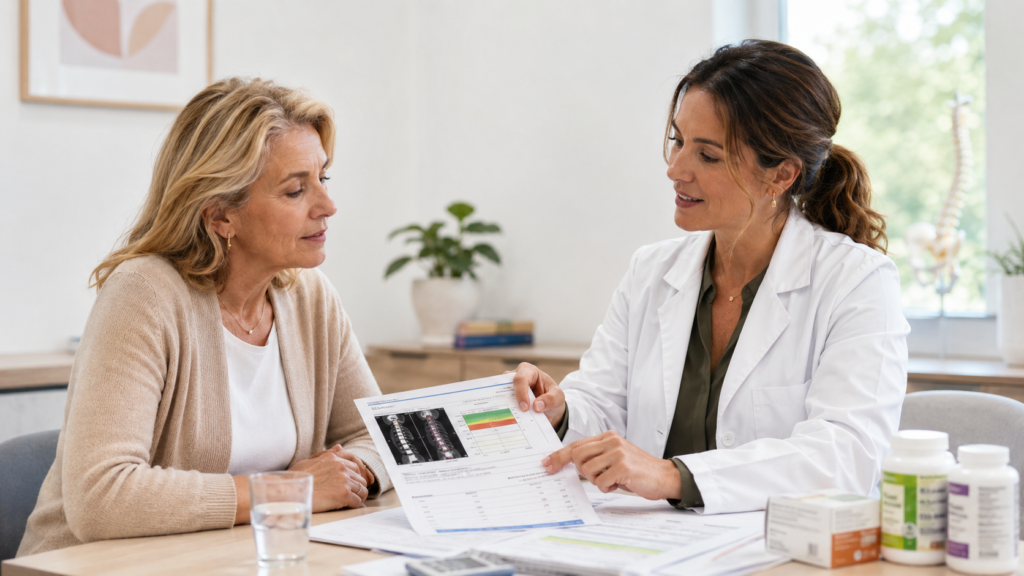
If you suspect you may be experiencing perimenopause, you do not need to arrive at your appointment with a diagnosis—or a perfect explanation. Bring a short record of what has changed, describe how it affects your daily life, and ask what other causes should be considered. Remember, your concerns are valid, and your healthcare team is there to support you through this process. The goal is not to prove that hormones are responsible. It is to begin a thoughtful conversation about your health and leave with a clearer next step. Why Perimenopause Can Be Difficult to Explain It often begins with ordinary moments that do not seem connected. You wake at 3 a.m. and cannot get back to sleep. Your period arrives ten days early. A familiar work task suddenly requires more concentration, or you find yourself unusually tearful, irritable or anxious. Perimenopause is the transition leading up to menopause. During this time, ovarian hormone levels fluctuate and periods may become less predictable. Menopause is reached after 12 consecutive months without a menstrual period, provided there is no other medical explanation. Symptoms may include: Changes in menstrual timing or flow Hot flushes and night sweats Sleep disruption Low mood, anxiety or mood changes Problems with memory or concentration Headaches or worsening migraines Palpitations Muscle and joint discomfort Vaginal dryness or painful sex Urinary symptoms Reduced sexual desire Changes in skin, hair or body shape The NHS overview of perimenopause and menopause symptoms explains that symptoms can affect relationships, family life, social activities and work. Not every woman experiences the same symptoms or timing. Your experience is unique, and consulting a healthcare professional can help find the best approach for you. Just as importantly, these symptoms are not unique to perimenopause. Thyroid conditions, anaemia, pregnancy, medication, sleep disorders and mental health concerns can produce similar changes. That is why a proper assessment matters. Before Your Appointment: What to Write Down You do not need an elaborate spreadsheet. One page of clear notes can be enough. Your menstrual pattern Record any changes in: How often your period comes How long bleeding lasts How heavy or painful it has become Bleeding between periods Bleeding after sex Missed periods Symptoms that become worse before your period If you use hormonal contraception, note this too. It can influence bleeding patterns and sometimes make the menopausal transition harder to recognise from periods alone. Your other symptoms Write down the symptoms that concern you most, when they began and how often they happen. You might include: Sleep quality Hot flushes or night sweats Mood changes or anxiety Memory and concentration difficulties Headaches or migraines Palpitations Joint or muscle discomfort Vaginal or urinary symptoms Changes in sexual desire Energy levels Try to describe the effect rather than simply listing the symptom. “Poor sleep” is helpful; “I wake three or four times a night and struggle during morning meetings” gives your healthcare professional a clearer picture. Your health information Bring or prepare: A list of medicines and supplements Your current contraception Relevant diagnoses or previous operations Allergies and medication reactions Family history, particularly breast cancer, blood clots, osteoporosis or cardiovascular disease Any previous treatments you have tried The questions you most want answered Questions Worth Asking About Perimenopause You may not need to ask every question below. Choose the ones that reflect what you are experiencing and keep them somewhere easy to find during the appointment. 1. “Could my symptoms be related to perimenopause?” This is a simple and useful place to begin. You could say: “My sleep, periods and mood have all changed over the past several months. Could perimenopause be contributing to this?” This invites your healthcare professional to consider the overall pattern without assuming hormones are the only explanation. 2. “What other possible causes should we consider?” Symptoms such as fatigue, low mood, poor concentration, palpitations and changing periods can have several causes. Depending on your history and symptoms, a clinician may consider: Pregnancy Thyroid conditions Anaemia or iron deficiency Medication effects Anxiety or depression Sleep disorders Fibroids or other causes of abnormal bleeding Nutritional deficiencies Other underlying health conditions Asking this question encourages a balanced assessment and reduces the risk of every new symptom being attributed automatically to perimenopause. 3. “Do I need any tests?” There is no single blood test that confirms every case of perimenopause. According to current NICE menopause recommendations, perimenopause can usually be identified in otherwise healthy women aged 45 or over from their symptoms and menstrual changes, without routine laboratory testing. Testing may be considered in different circumstances—for example, if symptoms occur before age 45, periods have stopped at a younger age or another medical condition is suspected. Rather than asking for a general “hormone panel,” try: “Would any tests help rule out other explanations for these symptoms?” The answer will depend on your age, menstrual history, medical background and individual symptoms. 4. “Which treatment options might be appropriate for me?” Treatment should be based on the symptoms affecting you, your medical history, your preferences and the balance of potential benefits and risks. Options may include: Hormone replacement therapy Menopause-specific cognitive behavioural therapy Non-hormonal prescription medicines Treatment for heavy or painful periods Support for sleep or mental health Vaginal moisturisers or lubricants Vaginal oestrogen for some vaginal and urinary symptoms Pelvic-health support Practical changes to movement, nutrition, alcohol use or sleep routines The Royal College of Obstetricians and Gynaecologists’ menopause treatment guide provides an accessible overview of hormonal and non-hormonal choices. 5. “What are the benefits and risks of HRT for me?” Hormone replacement therapy, or HRT, replaces hormones that become lower around menopause. It can help with symptoms such as hot flushes, night sweats and some menopause-related sleep difficulties. The appropriate formulation depends on several factors, including whether you have a uterus, your symptoms, your medical history and your preferences. HRT can be provided in different forms, including tablets, patches, gels, sprays and vaginal preparations. Ask: Which symptoms might HRT help? Is HRT suitable given my medical and

Your Perimenopause Appointment: Questions Worth Asking Read More »

Is It Normal to Gain Weight During Perimenopause?

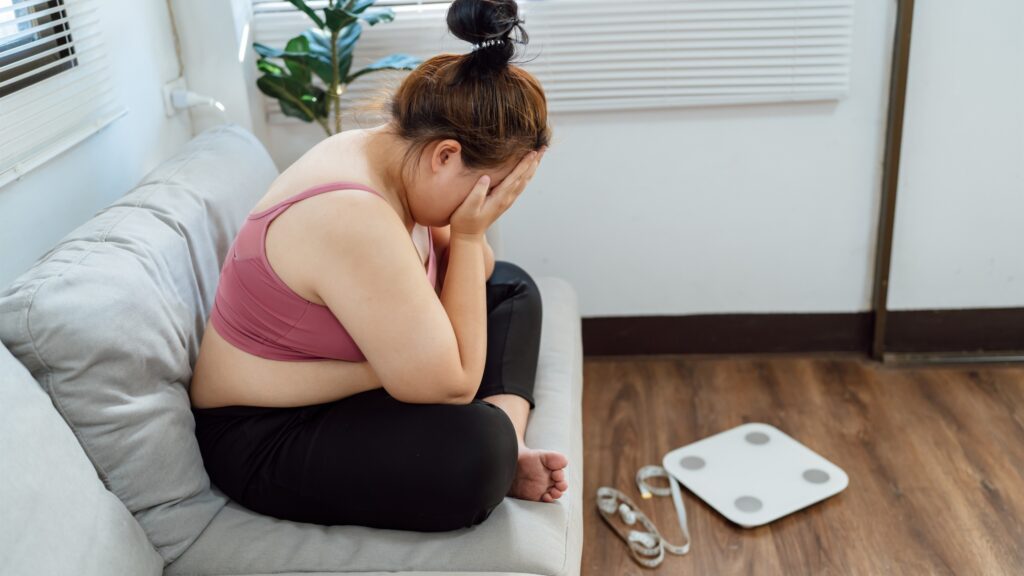
You step on the scales and pause. The number is higher than you expected. You haven’t changed how you eat. You’re still as active as you were a year ago. Yet your clothes feel tighter, your waistline has changed, and your body no longer feels familiar. If you’ve found yourself wondering, “Is it normal to gain weight during perimenopause?” you’re asking one of the most common questions women have during midlife. Many women notice changes in their weight and body shape during perimenopause. While some gain only a few pounds, others feel as though their body has changed almost overnight. It can be frustrating, upsetting and confusing, especially when you’re doing all the “right” things. The reassuring news is that weight changes during perimenopause are common but not inevitable, and they aren’t simply about willpower. According to the NHS – Menopause, hormonal changes during midlife, together with ageing, changes in muscle mass, lifestyle and sleep, can all influence body weight and where fat is stored. Understanding what’s happening inside your body is the first step towards managing these changes with confidence rather than frustration. What might cause it? Hormonal changes, ageing, reduced muscle mass, slower metabolism, poor sleep, stress and lifestyle factors all contribute. When should I speak to a doctor? If you experience sudden or unexplained weight gain, rapid weight loss or symptoms suggesting another medical condition. A Quick Fact Yes, weight gain during perimenopause is common. However, it isn’t caused by hormones alone. Many changes happen during this stage of life at the same time. Hormone levels fluctuate, muscle mass naturally decreases with age, metabolism changes, sleep may become disrupted, and stress levels are often higher due to work, family, and caring responsibilities. All of these factors can influence your weight. The important thing to remember is that common doesn’t mean inevitable. Understanding why these changes happen can help you make realistic choices that support your health without chasing unrealistic expectations. Understanding What’s Happening One of the biggest myths about perimenopause is that hormones suddenly “cause” weight gain. The reality is more complex. During perimenopause: Oestrogen levels fluctuate. Muscle mass gradually decreases. Your body burns slightly fewer calories at rest. Fat is more likely to be stored around the abdomen. Sleep often becomes lighter. Stress hormones may remain higher for longer. Together, these changes can make it easier to gain weight and more difficult to lose it than it was in your twenties or thirties. This doesn’t mean your metabolism has stopped working or that weight gain is unavoidable; it means your body is changing, and your approach to health may need to change too. Common Reasons Why Women Gain Weight During Perimenopause? Weight gain during perimenopause rarely has one single cause. Instead, several physical and lifestyle factors often overlap. 1. Hormonal Changes During perimenopause, levels of oestrogen and progesterone fluctuate. Although hormones don’t directly cause weight gain, they influence where fat is stored. Many women notice: More fat around the waist. Less fat around the hips and thighs. Increased bloating. Changes in body shape. According to the Royal College of Obstetricians and Gynaecologists (RCOG), these changes are a normal part of the menopause transition. 2. Loss of Muscle Mass From around the age of 30, adults naturally begin to lose muscle mass unless they actively maintain it. Because muscle burns more energy than fat, having less muscle means your body needs slightly fewer calories each day. This gradual change can contribute to weight gain over time, particularly if eating habits remain the same. 3. Changes in Metabolism Many women believe their metabolism suddenly “switches off.” In reality, metabolism usually slows gradually with age rather than dramatically. The combination of: Less muscle. Reduced physical activity. Hormonal changes. Ageing. can all influence how efficiently your body uses energy. While the changes are real, they’re often smaller than many people expect. 4. Poor Sleep Poor sleep doesn’t just leave you feeling tired. Research shows it can also affect the hormones that regulate hunger and fullness. When you’re sleep deprived, you may be more likely to: Feel hungrier. Crave sugary foods. Snack more often. Feel less motivated to exercise. Over time, this can contribute to gradual weight gain. According to the NHS – Sleep and Tiredness, improving sleep is an important part of supporting overall health. 5. Stress and Cortisol Midlife is often one of the busiest stages of life. Many women are balancing careers, teenagers or young adult children, ageing parents, financial responsibilities and their own changing health—all at the same time. Long-term stress doesn’t automatically cause weight gain, but it can influence behaviours that affect your weight. For example, when you’re stressed, you may be more likely to: Reach for convenience foods. Eat for comfort rather than hunger. Skip exercise because you’re short of time or energy. Sleep poorly. Feel too exhausted to prepare balanced meals. Stress also affects cortisol, one of the body’s stress hormones. Although cortisol isn’t solely responsible for weight gain, long-term stress may contribute to changes in appetite and fat distribution. 6. Reduced Physical Activity Life changes during midlife can make it harder to stay active. You may find yourself: Sitting for longer at work. Caring for family members. Feeling too tired to exercise. Recovering more slowly after activity. Experiencing joint aches or stiffness. Even a small reduction in daily movement can influence your energy balance over time. The good news is that you don’t need intense workouts to support your health. Regular walking, strength training and activities you enjoy can all make a positive difference. 7. Emotional Eating Food isn’t just fuel; it can also provide comfort. During periods of stress, anxiety or poor sleep, many people notice they’re more likely to: Snack mindlessly. Crave sweet or high-fat foods. Eat larger portions. Eat in response to emotions rather than hunger. This is a normal human response and nothing to feel guilty about. Recognising these patterns is the first step towards changing them with kindness rather than self-criticism. 8. An Underlying Medical Condition Although

Is It Normal to Gain Weight During Perimenopause? Read More »

Feeling Comfortable in Your Changing Body

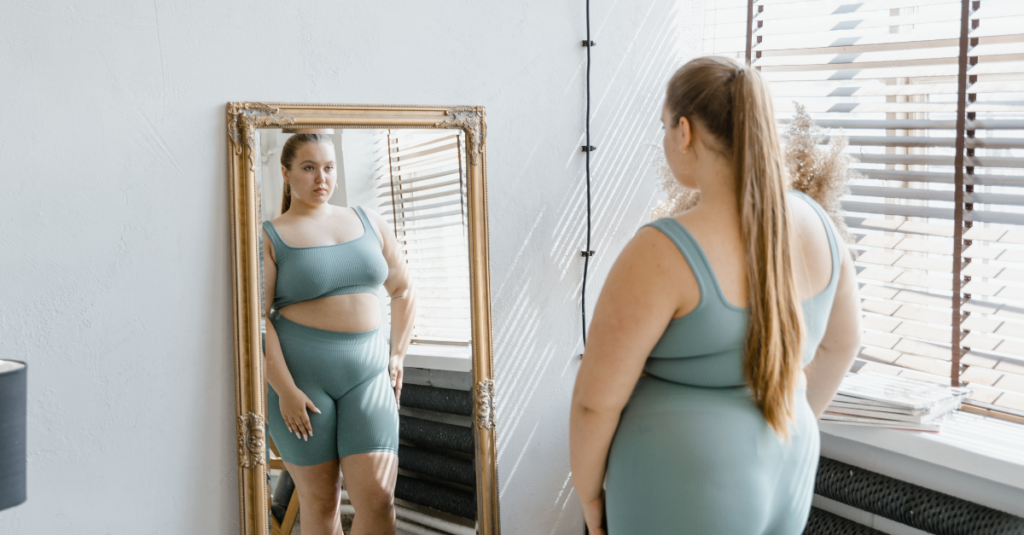
It may happen while you are getting dressed. You reach for something you have worn many times before, but it no longer sits in quite the same way. Perhaps the waistband feels tighter, your breasts look different, or the shape in the mirror feels less familiar than it did a year ago. You may change outfits several times before leaving the room. Not because there is anything wrong with your body, but because you are still learning how to recognise yourself in it. Midlife can bring changes to weight, body shape, skin, hair, muscle, sleep, sexual comfort and energy. Some are connected to perimenopause and menopause. Others are influenced by ageing, health conditions, medication, daily routines, relationships and the amount of stress or responsibility you carry. Recognizing that physical changes are only part of the story can help women feel validated and less alone in their experience, fostering a sense of understanding and acceptance. Feeling comfortable does not have to mean loving every change. It can begin more quietly: with understanding, respect and a decision to stop treating your body as an enemy. A Quick Answer It is common for women to notice changes in body shape, weight, skin, hair, sexual desire and vaginal comfort during midlife. The NHS guide to menopause symptoms includes changes in body shape and weight, dry or itchy skin, hair thinning, vaginal dryness and reduced sex drive among the experiences that may occur during perimenopause and menopause. Hormonal changes can contribute, but they do not explain everything. Weight and body composition are also affected by genetics, muscle mass, sleep, activity, medication, health conditions, eating patterns and the natural changes that occur across adulthood. NICE notes that weight gain around menopause has a complex range of possible causes and is unlikely to be explained by perimenopause alone. Understanding that cultural messages often suggest a woman’s value depends on remaining youthful and slim can empower women to challenge these ideas, fostering confidence and resilience. You do not have to ignore physical changes. But you do not have to turn every change into a personal failure, either. Why Your Relationship With Your Body May Be Changing Midlife is not simply a biological transition but also a transition in identity, which can help women feel reassured that these changes are a normal part of life’s evolution. The body you have known for decades may begin to feel more unpredictable. Sleep changes. Periods become irregular. Weight settles differently. The skin feels drier, and familiar forms of exercise may take longer to recover from. At the same time, you may be moving through career pressure, parenting, caring for ageing relatives, relationship changes, grief or a growing awareness that your own needs have been pushed aside for years. 1. Weight and body shape may change Some women gain weight during midlife, while others notice a change in where weight is carried even when the number on the scale remains similar. Hormonal changes may influence fat distribution. However, reduced muscle mass, disrupted sleep, medication, activity levels, appetite, health conditions and ordinary age-related changes can also contribute. The Office on Women’s Health explains that lower oestrogen may play a role after menopause, but changes in metabolism, activity and muscle mass are also relevant. Weight gain is not evidence that you have become careless. Nor does weight loss automatically mean that you are healthier. Unintentional weight change, particularly when rapid or accompanied by other symptoms like fatigue or pain, should be assessed by a healthcare professional rather than dismissed as menopause. 2. Intimacy may feel different Desire is influenced by far more than hormones. Sleep deprivation, stress, relationship difficulties, medication, pain, low mood, body image and feeling emotionally unsupported can all affect sexual interest. The NHS notes that reduced libido has many possible causes and that identifying the underlying reason can help guide support. Changing oestrogen levels may contribute to vaginal dryness or discomfort during sex. Exploring lubricants, pelvic floor exercises, or talking with a healthcare provider can support intimacy and comfort. This is not a failure of attraction or femininity. It may be a physical comfort issue that deserves care. 3. Confidence may become less straightforward Perhaps you once knew exactly what suited you. Now familiar clothes feel uncomfortable, photographs catch you off guard, and compliments are harder to accept. Confidence may also be affected by experiences that have little to do with appearance. Fatigue, brain fog, caring responsibilities, workplace invisibility, relationship strain and persistent symptoms can all make you feel less connected to yourself. Sometimes discomfort with the body is really grief for an earlier stage of life or anger at societal expectations. Acknowledging these feelings can help you process and find acceptance. Both feelings can exist alongside gratitude for what your body has survived. What It Can Look Like in Everyday Life Body discomfort rarely remains confined to the mirror. You may stop attending social events because nothing feels right to wear. You might avoid swimming, exercise classes or intimacy because being seen feels exposing. You may spend more time checking your stomach, skin or hair, comparing yourself with old photographs or promising that you will enjoy life properly once your body changes again. It can also affect relationships. A partner may interpret withdrawal as rejection, while you are quietly managing dryness, embarrassment, fatigue or a loss of confidence. At work, you may choose clothes that hide rather than support you. At home, you may avoid being photographed with your family even though those photographs would later hold far more meaning than the size of your body. These are not trivial concerns. Body image influences how comfortably you take up space in your own life. Challenging some unhelpful assumptions A changing body does not mean: You have stopped caring for yourself. You need to become smaller before buying comfortable clothes. Every weight change is caused by menopause. Intimacy should remain the same throughout life. Pain during sex is something you must tolerate. Confidence must depend on liking every part of your

Feeling Comfortable in Your Changing Body Read More »

Why Skin and Hair Change in Midlife

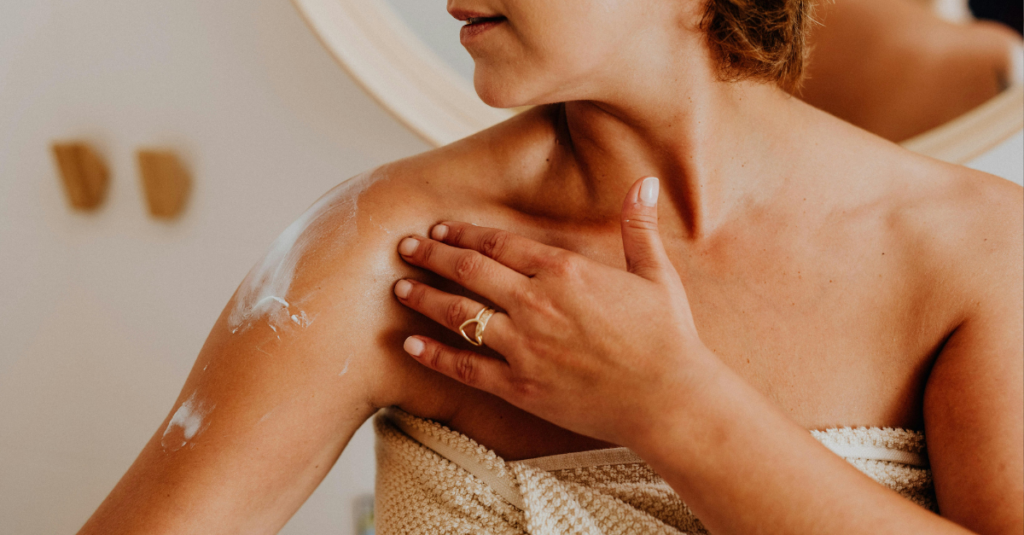
You may notice it while doing something you have done countless times before. The moisturiser that once worked perfectly now disappears into your skin without making it feel comfortable. Your scalp feels drier. Your foundation settles differently. A spot appears along your jawline just as you are trying to work out why your cheeks have become sensitive. Then there is the hairbrush. Perhaps it holds more strands than usual. Your parting looks slightly wider, or your ponytail no longer feels as full. None of these changes may seem dramatic on their own, yet together they can make your reflection feel unfamiliar. Midlife skin and hair changes are common, which can help women feel reassured and less alone in their experiences, fostering acceptance and reducing worry. The aim is not to wage war on every line, spot or loose hair, but to understand what may be changing, supporting women in feeling understood and empowered in their self-care journey. A Quick Answer During perimenopause and menopause, changing hormone levels may affect the skin’s moisture, thickness and resilience. Some women notice dry or itchy skin, increased sensitivity, changes in oiliness or adult acne. Hair may become drier, feel more fragile or gradually appear thinner. The NHS guide to menopause and perimenopause symptoms includes dry or itchy skin and hair thinning or loss among the changes some women experience. However, hormones are not the only possible explanation. Skin and hair can also be affected by thyroid conditions, iron deficiency, autoimmune illness, scalp disorders, medication, recent illness, rapid weight change, restrictive eating, chronic stress, inherited patterns of hair loss, or hormonal imbalances. Recognizing these signs can help you understand whether your changes are related to hormones or other health conditions, guiding you on when to consult a healthcare professional. A gentle routine may support comfort, but seeking professional advice for persistent, sudden, or painful changes can help women feel supported and confident in their health decisions. Why Skin and Hair Can Change in Midlife Hormones influence skin and hair, but they also respond to what is happening throughout the rest of the body. This is why two women of the same age can have entirely different experiences. 1. Skin may hold less moisture As hormone levels change around menopause, the skin can become drier, thinner or less firm. You may notice tightness after cleansing, itching, flaking or greater sensitivity to products you previously tolerated. Weather, central heating, hot showers, fragranced products, frequent exfoliation, and some medicines can contribute to dryness. Eczema, psoriasis and thyroid conditions may also affect how the skin feels. Dryness is not evidence that you have neglected yourself. Sometimes the routine that served your skin for years simply needs to become quieter and more supportive. 2. Sensitivity can appear unexpectedly Midlife skin may react more strongly to active ingredients, fragrance or repeated cleansing. A product marketed as “anti-ageing” may contain ingredients that are useful for some people but too irritating for your skin. Redness, stinging and peeling are not signs that a product is working harder. They can indicate irritation or damage to the skin barrier. Persistent facial redness, visible blood vessels, burning or acne-like bumps may also be associated with conditions such as rosacea and should not automatically be blamed on menopause. 3. Adult acne can arrive alongside dryness It can feel particularly unfair to experience spots and dryness at the same time. Changing hormone patterns may contribute to breakouts, often around the lower face or jawline. Still, adult acne may also be influenced by skincare products, medication, stress, polycystic ovary syndrome or other hormonal conditions. Acne can cause oily skin, inflamed spots and tenderness, and it may lead to scarring or dark marks. Trying to scrub spots away usually adds irritation without addressing the cause. Prescription treatments and hormonal therapies may help some women with persistent acne, but these require professional guidance because suitability depends on your health, other medicines and individual risks. 4. Hair growth may slow or become less dense Hair naturally moves through cycles of growth, rest and shedding. Changes in hormones, age and genetics can gradually alter those cycles. Female-pattern hair loss often appears as a widening parting or reduced density over the top of the scalp. It tends to progress gradually rather than causing complete baldness. Excessive shedding can look different. You may notice more hair falling out all over the scalp after an illness, major stress, rapid weight loss, surgery, or other physical strain. This type of shedding is often called telogen effluvium. For Black women, traction from tight braids, extensions, weaves or repeatedly pulled-back styles can also damage hair follicles. Some forms of scarring hair loss are more common in Black women and benefit from early dermatological assessment. What These Changes Can Look Like in Everyday Life Skin and hair changes are sometimes treated as superficial concerns. The emotional effect can be anything but superficial. Your face and hair are part of how you recognise yourself. When they change unexpectedly, you may feel exposed, older than you expected or less confident in social and professional settings. You may begin avoiding bright lighting or photographs. Hair washing can become stressful because you are counting the strands in the shower. You might spend money on products promising dramatic restoration, then blame yourself when nothing changes. These concerns can also affect intimacy. You may not want someone touching your face or hair when you are already feeling self-conscious. None of this means you are vain. It means a visible part of your identity is changing, and you are trying to make sense of it. Unhelpful assumptions worth challenging Midlife skin and hair changes do not mean: You have failed to care for yourself. Every change is caused by menopause. You need an aggressive anti-ageing routine. Adult acne is caused by poor hygiene. Hair loss is something you must hide. Expensive products are always more effective. Supplements are automatically safe. You should accept sudden or severe changes without assessment. There is a difference between respecting natural

Why Skin and Hair Change in Midlife Read More »

Why Am I So Tired? Midlife Fatigue Explained

You wake to the alarm and immediately begin negotiating with yourself. Just five more minutes. Perhaps ten. By the time you get out of bed, your mind is already moving through the day ahead: work, meals, messages, appointments, family responsibilities and the small unfinished jobs that somehow keep finding their way back to you. You may have slept, but you do not feel restored. By mid-afternoon, you are reaching for another coffee, wondering when ordinary life became so exhausting. Feeling tired in midlife is common, but recognizing it can help you feel understood and validated, encouraging proactive health awareness. The answer is not always to push harder. A Quick Answer Many factors like poor sleep, stress, and diet can affect your energy. Small lifestyle changes can help you feel more in control and hopeful about managing fatigue. Perimenopause may contribute, particularly when hormonal changes disturb sleep or bring hot flushes, heavier periods, anxiety or low mood. However, persistent exhaustion should not automatically be blamed on hormones, ageing or being busy. The NHS guidance on tiredness and fatigue lists several possible contributors, including insomnia, life stress, hormonal changes, illness, thyroid disorders, sleep apnoea, and lifestyle factors. It also advises seeking medical advice when tiredness continues without a clear explanation or affects daily life. Conditions such as iron-deficiency anaemia, thyroid disease, diabetes, sleep apnoea, depression, medication side effects and post-viral illness can also cause fatigue. Sometimes more than one factor is present. Feeling tired is not proof that something serious is wrong. But exhaustion that persists, worsens, or feels disproportionate to your routine, especially if accompanied by symptoms like chest pain, sudden weight loss, or severe mood changes, deserves prompt medical attention. Why Your Energy May Feel Different in Midlife Fatigue is not simply sleepiness. It can feel like physical heaviness, reduced motivation, mental fog or a sense that your internal battery never fully charges. You may be able to keep functioning while still feeling deeply depleted. 1. Your sleep may be more disrupted than you realise You do not have to be awake all night to experience poor-quality sleep. Brief awakenings, night sweats, pain, needing the toilet, anxiety, snoring or an uncomfortable bedroom can repeatedly interrupt the deeper stages of sleep. You may not remember each interruption, yet wake feeling as though you have hardly rested. During perimenopause and menopause, hot flushes and night sweats may make it harder to fall asleep or remain asleep. The NHS menopause symptom guide notes that sleep problems can contribute to daytime tiredness, irritability, stress and difficulty concentrating. Hormones may be part of this pattern, but they are not the only possibility. Insomnia, restless legs, sleep apnoea, chronic pain, alcohol and some medicines can all reduce sleep quality. 2. Your mind may rarely be fully off duty Mental load is the largely invisible work of remembering, anticipating and organising. It is noticing that the toothpaste is nearly finished, remembering an elderly parent’s appointment, planning what everyone will eat and mentally carrying tasks that have not yet been completed. This constant internal monitoring uses attention and emotional energy. When it sits alongside employment, caring responsibilities, financial concerns or relationship strain, rest may not feel genuinely restful. Stress can also keep the body in a state of alertness. You may feel exhausted during the day but strangely awake when your head touches the pillow. 3. Your periods may be affecting your iron levels Periods can become heavier, longer or less predictable during perimenopause. Regular blood loss may contribute to iron-deficiency anaemia, particularly when bleeding is heavy. Anaemia can cause tiredness, weakness, breathlessness, dizziness, headaches, palpitations or pale skin. These symptoms require assessment rather than simply being accepted as part of menopause. Do not begin high-dose iron supplements without professional advice. Too much iron can be harmful, and fatigue may have another cause. A healthcare professional can decide whether blood tests or treatment are appropriate. 4. Food and hydration patterns may have shifted Busy days can quietly reshape the way you eat. You might skip breakfast, work through lunch, and reach late afternoon with little more than coffee. At other times, exhaustion may make convenient food the only realistic option. No individual food will cure fatigue. However, long gaps between meals, low overall intake, dehydration or a diet lacking variety may leave energy feeling less steady. Deficiencies involving iron, vitamin B12, folate, or vitamin D may contribute in some people, but symptoms alone cannot confirm a deficiency. Testing and treatment, including blood tests, should be guided by a healthcare professional where appropriate, especially if fatigue persists despite dietary adjustments. 5. Your routine may no longer fit your body The habits that once felt manageable may now leave less room for recovery. Perhaps your work has become more demanding. You may be caring for children and ageing parents at the same time. Exercise may have disappeared from your week, or you may be pushing through intense workouts despite sleeping badly. Midlife fatigue does not always mean your body has become weaker. Sometimes it means the gap between what is being asked of you and the recovery available to you has become too wide. What Midlife Fatigue Can Look Like in Everyday Life Fatigue often changes daily life before anyone else notices. You may still go to work, prepare meals and answer messages. From the outside, everything appears normal. Inside, you may feel as though you are completing each task with the final few percentage points of your energy. Fatigue can look like: Struggling to get out of bed despite sleeping Losing concentration during conversations or meetings Feeling too tired to socialise Becoming more irritable with people you care about Relying heavily on caffeine or sugar to stay alert Cancelling exercise because your body feels heavy Feeling overwhelmed by small decisions Losing interest in activities you normally enjoy Needing the weekend simply to recover from the week This can affect identity as much as energy. You may wonder why you are no longer as productive, patient or spontaneous as

Why Am I So Tired? Midlife Fatigue Explained Read More »

Perimenopause Changes No One Warns You About

You may first notice it on an ordinary morning. You wake after what should have been a full night’s sleep, yet your body feels as though it has been carrying something heavy. Your clothes sit differently. Your period arrives early, then disappears the following month. You forget why you walked into the kitchen and find yourself unexpectedly irritated by someone chewing too loudly. Nothing is dramatically wrong, but you do not feel quite like yourself. Perimenopause is often described as a collection of hot flushes and irregular periods. The reality can be much broader. It may affect how you sleep, think, feel, move, work, relate to other people and experience your own body. Recognising this can help you feel more reassured and less anxious about these changes. These changes deserve understanding, not shame. A Quick Answer Perimenopause is the transitional stage leading up to menopause, when hormone production from the ovaries begins to change and fluctuate. Menopause itself is reached after you have gone 12 consecutive months without a period. During this transition, you may notice changes in your periods, sleep, mood, concentration, energy, skin, temperature regulation, sexual comfort and body composition. Symptoms can appear gradually, come and go, or change over time. The NHS overview of menopause and perimenopause symptoms reflects how varied this experience can be. Hormones may be part of the picture, but they are not automatically the explanation for everything. Thyroid conditions, anaemia, pregnancy, medication effects, depression, anxiety, chronic pain, sleep disorders and other health concerns can produce similar experiences. You do not need to decide for yourself whether every change is “just perimenopause”. A healthcare professional can help you consider the whole picture, giving you confidence and reassurance in managing your health. Why Perimenopause Can Affect So Many Parts of Your Life Oestrogen and progesterone do more than control menstruation. They interact with systems involved in body temperature, sleep, mood, bones, muscles, skin, the urinary tract and sexual comfort. During perimenopause, hormone levels may rise and fall unpredictably rather than declining in a smooth, orderly way. This is one reason symptoms can feel inconsistent. You might have several settled weeks followed by a difficult period that seems to arrive without warning. 1. Changes to the menstrual cycle Changes to the menstrual cycle are often among the first signs. Periods may become shorter or longer, lighter or heavier, closer together or further apart. Bleeding changes should be discussed with a healthcare professional, especially if bleeding becomes very heavy, occurs between periods, or happens after sex, to ensure proper evaluation. 2. Sleep and energy You may struggle to fall asleep, wake repeatedly, or find yourself wide awake at 3 a.m. Night sweats, stress, pain, caring responsibilities, alcohol, caffeine, sleep apnoea, or changing work patterns can all contribute to disrupted sleep. Poor sleep has a way of spreading into everything else. Concentration becomes harder. Patience becomes thinner. Exercise feels less appealing, and ordinary responsibilities begin to require more effort. 3.  Mood and mental clarity Some women feel more anxious, tearful, irritable or emotionally sensitive. Others notice brain fog, forgetfulness or difficulty finding familiar words. This does not mean you are becoming less capable. Mood and concentration can be affected by hormonal fluctuations, but also by disrupted sleep, workplace pressure, relationship strain, grief, caregiving and the emotional weight of reaching a new stage of life. Persistent low mood, severe anxiety or a loss of interest in things you normally enjoy should not simply be accepted as part of ageing. 4. Skin, hair and physical comfort Skin may become drier, more sensitive or less predictable. Hair texture or thickness may change. Some women develop itching, vaginal dryness, urinary discomfort, headaches, joint stiffness, or a heightened awareness of their heartbeats. These experiences can be associated with perimenopause, but they can also have other causes. A racing heart may relate to anxiety, caffeine, medication, anaemia or a heart rhythm problem. Joint pain may also arise from injury, inflammatory conditions, reduced activity or other health concerns. What It Can Look Like in Everyday Life The hardest changes are not always the most visible ones. You may begin turning down evening plans because you are too tired to hold a conversation. You might feel embarrassed when you lose your train of thought during a meeting or worry that colleagues see you as disorganised. At home, irritability and exhaustion may affect closeness with a partner or patience with children. Vaginal dryness, body discomfort or reduced desire can alter intimacy. You might feel disconnected from a body that once seemed more familiar and dependable. Changes in weight or body shape can be particularly emotional. Some women notice that weight settles differently, especially around the middle. Age-related muscle changes, activity levels, sleep, stress, medication, appetite and genetics may all play a part alongside hormonal changes. This is not evidence that you have failed to be disciplined. Your body is not a problem to be punished into submission. Challenging some common assumptions Perimenopause does not mean: You are “too young” to experience meaningful hormonal changes. Every symptom is caused by hormones. You must tolerate symptoms until they become unbearable. Weight gain means you have stopped taking care of yourself. Poor concentration means you are losing your intelligence. Treatment has to involve hormones. Asking for support means you are not coping well. Every woman’s experience is different. Some have mild changes. Others experience symptoms that significantly affect work, relationships, confidence and daily functioning. Supporting Yourself Through the Changes The goal is not to create the perfect routine or control every symptom. It is about noticing what your body is asking for and reducing unnecessary strain where you can, helping you feel more empowered and in control of your health. 1. Keep a simple pattern record For several weeks, note: Period dates and bleeding changes Sleep quality Hot flushes or night sweats Mood and concentration Headaches, palpitations or pain Medication, alcohol and caffeine Anything that improves or worsens symptoms This can help you recognise patterns and give a healthcare

Perimenopause Changes No One Warns You About Read More »

Hormones and Anger in Perimenopause

The Overview There is a particular kind of anger that can arrive in perimenopause and feel nothing like your usual self. It may come fast. It may feel disproportionate. It may leave you thinking, Why did I react like that? And then, because women are so often trained to manage everyone else’s comfort, the anger is quickly followed by guilt. Hormones and anger are not about blaming every feeling on oestrogen or pretending hormones explain everything. It is about understanding that perimenopause can change the biological conditions your brain uses to regulate emotion. Perimenopause is the transition leading up to menopause, when ovarian hormones fluctuate before periods eventually stop. Menopause itself is confirmed after 12 months without a period. During this transition, many women experience changes in sleep, temperature control, periods, weight distribution, libido, memory, concentration, anxiety, low mood, and emotional steadiness. The NHS recognises mood swings, low mood, depression, memory problems, and concentration changes as symptoms of perimenopause and menopause, and notes that these can feel worse when sleep is poor and exhaustion builds. (nhs.uk) So no, you are not “just angry.” You may be under-slept, hormonally sensitive, overloaded, inflamed by stress, carrying invisible labour, and trying to function in a body whose internal settings are shifting. That does not mean anger is harmless or that we should ignore its impact on relationships, work, parenting, or self-esteem. It means anger deserves context, care, and a plan — not shame. Menopause Mood Tracker Tool What emotional regulation mean Emotional regulation means your ability to notice, tolerate, express, and recover from emotions without being completely taken over by them. It is not the same as never feeling angry. Healthy emotional regulation allows you to feel anger, understand what it is signalling, and respond rather than explode, freeze, withdraw, or spiral. During perimenopause, emotional regulation may become harder because several systems are changing at once: reproductive hormones, sleep, stress response, metabolism, brain chemistry, and life demands. Why oestrogen matters for mood Oestrogen is not only a reproductive hormone. It also interacts with brain systems involved in mood, sleep, cognition, temperature regulation, and stress sensitivity. During perimenopause, oestrogen can rise and fall unpredictably rather than decline in a straight line. That instability can be harder for some women than a steady low level. Research continues to explore how oestrogen affects neurotransmitters — chemical messengers such as serotonin, dopamine, and noradrenaline — which influence mood, motivation, reward, focus, and emotional sensitivity. A 2025 review on perimenopausal depression describes oestrogen’s role in mood-related brain pathways and why hormonal fluctuation may contribute to depressive and emotional symptoms in susceptible women. (PMC) This is one reason Hormones and Anger can feel so personal. Your usual coping tools may still be there, but the threshold for overwhelm may be lower. Progesterone, calm, and the “short fuse” Progesterone is often described as a calming hormone because some of its metabolites interact with GABA, a brain system involved in relaxation and inhibition. In perimenopause, progesterone may decline earlier or become less consistent, especially as ovulation becomes irregular. For some women, this can feel like losing an internal buffer. Things that once rolled off your back may suddenly land hard. Noise, mess, interruptions, unfairness, being touched out, being dismissed, or carrying too much responsibility can trigger anger faster than before. That anger is not imaginary. It is often a signal that your nervous system is running with less reserve. Sleep disruption makes anger louder Perimenopause-related insomnia, night sweats, early waking, and restless sleep can make emotional regulation much harder. Poor sleep affects the prefrontal cortex — the part of the brain involved in judgement, impulse control, perspective, and decision-making — while increasing reactivity in threat-detection systems. In plain English: when you are sleeping badly, your brain has less space between trigger and reaction. NICE recommends discussing management options based on individual symptoms and circumstances. It includes menopause-specific cognitive behavioural therapy as an option for vasomotor symptoms such as hot flushes and night sweats, either alongside HRT, when HRT is contraindicated, or when someone prefers not to use HRT. (NICE) Anger is often the visible tip of a bigger symptom cluster Many women search for hormones and anger because anger is the symptom that scares them most. But underneath it, there may be: 3 a.m. waking night sweats anxiety low mood brain fog migraines heavier or irregular periods palpitations low libido relationship strain workplace stress caring responsibilities blood sugar dips burnout This matters because treatment works best when the whole pattern is seen, not just the loudest symptom. Signs and Symptoms a. Emotional signs to watch for Perimenopause-related anger may show up as: feeling suddenly irritable or impatient snapping over small things rage that feels out of proportion crying after anger feeling overstimulated by noise, clutter, touch, or demands intense frustration before or during periods feeling less emotionally resilient than usual shame after conflict withdrawing because you are afraid of your own reactions The Office on Women’s Health lists mood changes among common menopause-related symptoms and encourages personalised symptom management plans, which is important because emotional symptoms rarely happen in isolation. (Office on Women’s Health) b. Physical symptoms that may travel with anger Anger may rise alongside physical changes such as: hot flashes or night sweats poor sleep headaches or worsening migraines breast tenderness joint aches palpitations heavier, lighter, closer, or skipped periods weight gain around the abdomen vaginal dryness or urinary symptoms The NHS notes that perimenopause and menopause can include mood changes, memory and concentration problems, weight changes, urinary symptoms, headaches, palpitations, joint pains, skin changes, and reduced libido. (nhs.uk) When anger may be more than perimenopause Perimenopause can contribute to emotional dysregulation, but it should not be used to explain away everything. Speak with a healthcare professional if anger is: new, intense, or worsening linked with panic attacks or depression affecting your relationships, work, parenting, or safety connected to trauma triggers accompanied by heavy alcohol use or substance use associated with thoughts of self-harm or not wanting to

Hormones and Anger in Perimenopause Read More »