
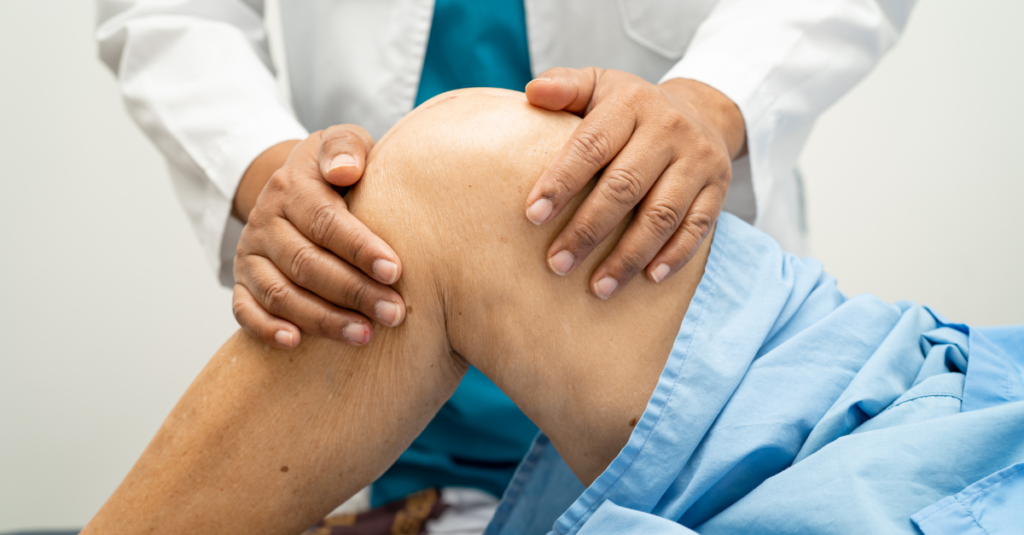
You stand up after sitting for a while and notice your knees feel stiff.
Your fingers ache when you wake up in the morning. Your shoulders feel tighter than they used to, and climbing the stairs leaves your hips uncomfortable. You haven’t injured yourself, yet your joints seem to complain more than they once did.
If you’ve started wondering,
“Is it normal to have joint pain?” you’re certainly not alone.
Many women begin to notice aching or stiff joints in their forties and fifties. Sometimes the discomfort comes and goes. Other times, it seems to appear for no obvious reason. It can make everyday activities more difficult and leave you wondering whether it’s simply part of getting older, a symptom of perimenopause or a sign that something more serious is happening.
The reassuring news is that joint pain is common, particularly during midlife. Hormonal changes, normal ageing, everyday wear and tear, physical activity and certain medical conditions can all contribute to aching joints.
However, while occasional stiffness is often harmless, persistent, severe or swollen joints should never be ignored. Understanding the possible causes can help you decide what you can manage yourself and when it’s time to seek medical advice.
Quick Facts
Is it common? Yes. Many women experience joint pain or stiffness during midlife, particularly during perimenopause.
What might cause it? Hormonal changes, ageing, osteoarthritis, injury, overuse, autoimmune conditions, physical inactivity or excess weight.
When should I speak to a doctor? If your joint pain is severe, persistent, associated with swelling, redness, fever or significantly affects your daily life.
The Brief Answer
Yes, joint pain is common, particularly during midlife.
Many women notice their joints becoming stiffer or more uncomfortable during perimenopause. This may be linked to changing hormone levels, natural ageing, reduced muscle strength or other lifestyle factors.
Occasional aches after exercise or following a busy day are usually nothing to worry about.
However, joint pain that is persistent, worsening or accompanied by swelling, redness, warmth or fever should always be assessed by a doctor.
The key is recognising what’s likely to be a normal part of the body’s changing needs—and what may indicate an underlying condition that deserves medical attention.
Understanding What’s Happening to Your Joints
Your joints are where two or more bones meet.
They rely on healthy cartilage, strong muscles, flexible ligaments and lubricating joint fluid to move comfortably.
As you get older, several natural changes occur:
- Cartilage gradually becomes thinner.
- Muscles may lose strength.
- Connective tissues become less flexible.
- Hormone levels fluctuate.
- Recovery after physical activity may take longer.
Together, these changes can make joints feel stiffer, particularly after sitting still, first thing in the morning or after an unusually active day.
During perimenopause, many women notice these changes more clearly because declining oestrogen levels may influence inflammation, joint lubrication and pain sensitivity.
Although joint discomfort can be frustrating, understanding why it’s happening often makes it easier to manage.
Common Reasons Why Your Joint Are Painful
Joint pain rarely has a single cause.
More often than not, several factors combine to affect how your joints feel.
1. Hormonal Changes During Perimenopause
One of the most common reasons women notice aching joints in midlife is changing hormone levels.
Oestrogen helps support many tissues throughout the body, including bones, cartilage and the structures around your joints.
As oestrogen levels fluctuate during perimenopause, some women notice:
- Stiff fingers.
- Aching knees.
- Sore hips.
- Shoulder discomfort.
- Neck pain.
- General joint stiffness.
According to the NHS – Menopause, joint aches and pains are recognised symptoms experienced by many women during the menopause transition.
2. Normal Ageing
It’s natural for joints to change over time.
Years of walking, lifting, exercising and everyday movement gradually place wear on the joints.
This doesn’t mean pain is inevitable, but it does mean you may notice:
- More stiffness after sitting.
- Slower recovery after activity.
- Less flexibility.
- Occasional aches during colder weather.
Many of these changes develop gradually over many years.
3. Osteoarthritis
Osteoarthritis is the most common type of arthritis.
It develops when the protective cartilage covering the ends of bones gradually wears down.
It most commonly affects the:
- Knees.
- Hips.
- Hands.
- Spine.
Symptoms often include:
- Pain during movement.
- Morning stiffness lasting less than 30 minutes.
- Reduced flexibility.
- A grating sensation during movement.
According to the NHS, osteoarthritis becomes more common with increasing age but can often be managed successfully through exercise, weight management and other treatments.
4. Reduced Muscle Strength
Muscles play an important role in supporting your joints.
During midlife, natural muscle loss can mean joints receive less support than before.
This can increase strain on:
- Knees.
- Hips.
- Ankles.
- Lower back.
- Shoulders.
Regular strength training is one of the most effective ways to protect your joints as you age.
5. Physical Inactivity
It may seem surprising, but moving less can actually make your joints feel stiffer.
When you spend long periods sitting, the muscles around your joints become less active, and the joints themselves become less lubricated. This can make everyday movements feel uncomfortable when you first stand up.
Many women notice stiffness:
- First thing in the morning.
- After a long car journey.
- After sitting at a desk.
- While watching television in the evening.
The good news is that gentle movement often helps ease this type of stiffness.
6. Being Overweight
Your joints support your body every day.
Carrying extra weight places additional pressure on weight-bearing joints such as the:
- Knees.
- Hips.
- Ankles.
- Lower back.
Research shows that even modest weight loss can reduce pressure on these joints and improve mobility.
This isn’t about achieving a certain dress size; it’s about supporting your joints so they can move more comfortably.
7. Previous Injuries
Old injuries can sometimes return to remind us they’re still there.
You may notice pain in a joint if you’ve previously:
- Sprained an ankle.
- Torn a ligament.
- Broken a bone.
- Injured your knee.
- Dislocated a shoulder.
These joints may become more sensitive with age or during periods of increased physical activity.
8. Inflammatory Arthritis and Other Medical Conditions
Although many causes of joint pain are harmless, some require medical treatment.
Examples include:
- Rheumatoid arthritis.
- Psoriatic arthritis.
- Gout.
- Lupus.
- Lyme disease (less common in the UK).
- Thyroid disorders.
These conditions often cause additional symptoms such as:
- Swollen joints.
- Warmth or redness.
- Severe morning stiffness.
- Fatigue.
- Fever.
- Joint pain affecting both sides of the body.
Early diagnosis is important because treatment can help reduce symptoms and protect your joints.
Could It Be Hormones?
For many women, the answer is yes.
Hormones influence far more than your menstrual cycle. Oestrogen also helps support healthy bones, muscles, tendons and the tissues around your joints.
As oestrogen levels fluctuate during perimenopause, some women notice:
- Aching hands.
- Painful knees.
- Stiff hips.
- Shoulder pain.
- General body aches.
- Reduced flexibility.
You may also notice joint discomfort alongside:
- Hot flushes.
- Night sweats.
- Brain fog.
- Fatigue.
- Mood changes.
- Irregular periods.
These symptoms often occur together because they’re all influenced by hormonal changes.
However, while hormones are a common explanation, they shouldn’t be invoked for every new ache or pain.
If your symptoms are severe, persistent or unusual, it’s important to speak to your doctor.
Why Do My Joints Hurt?
Joint pain often develops gradually rather than appearing overnight.
Ask yourself:
- Is the pain in one joint or several?
- Does it improve once you start moving?
- Is it worse after activity?
- Are your joints swollen?
- Do you feel stiff every morning?
- Have your symptoms started recently?
Answering these questions can help identify possible causes.
Keep a Joint Health Diary
For two to four weeks, make a note of:
- Which joints hurt.
- When the pain starts.
- How long it lasts.
- Whether it’s worse in the morning or evening.
- Physical activity.
- Sleep quality.
- Stress levels.
- Other symptoms, including swelling or fatigue.
Patterns often emerge that can help you and your doctor understand what’s contributing to your symptoms.
When Joint Pain Isn’t Normal
Although occasional aches are common, some symptoms should never be ignored.
Arrange an appointment with your doctor if you experience:
- Persistent swelling.
- Red, hot joints.
- Severe pain.
- Fever with joint pain.
- Sudden inability to move a joint.
- Pain following a significant injury.
- Joint pain lasting several weeks without improvement.
- Pain that wakes you regularly during the night.
These symptoms don’t necessarily mean something serious is wrong, but they do need medical assessment.
When It May Be Worth Speaking to a Doctor
Speak to your doctor if:
- Joint pain is affecting your daily activities.
- You’re struggling to walk or climb stairs.
- Your symptoms continue despite self-care.
- You notice swollen or deformed joints.
- You have unexplained weight loss.
- You’re experiencing persistent fatigue alongside joint pain.
- You’re concerned your symptoms may be related to perimenopause or another medical condition.
Your doctor may recommend blood tests, imaging, or a referral to a specialist, depending on your symptoms.
Getting the right diagnosis early can make a significant difference to long-term joint health.
Simple Steps That May Help
The best approach depends on the underlying cause, but many women benefit from making small, sustainable lifestyle changes.
1. Keep Moving
It may seem tempting to rest painful joints completely, but gentle movement often helps reduce stiffness.
Choose activities that are kind to your joints, such as:
- Walking.
- Swimming.
- Cycling.
- Yoga.
- Pilates.
- Tai Chi.
Aim to move a little every day rather than doing lots of exercise only occasionally.
2. Build Muscle Strength
Strong muscles help protect your joints.
Resistance exercises using:
- Body weight.
- Resistance bands.
- Light weights.
can improve stability and reduce pressure on your joints over time.
Strength training also helps maintain bone health during perimenopause and beyond.
3. Maintain a Healthy Weight
If you’re carrying extra weight, even small reductions can reduce the load on your knees, hips and ankles.
Focus on:
- Balanced meals.
- Regular movement.
- Sustainable lifestyle habits.
Avoid crash diets, which are difficult to maintain and may lead to muscle loss.
4. Prioritise Good Sleep
Sleep and joint health are more closely connected than many people realise.
When you don’t sleep well, your body has less opportunity to repair muscles and joints. Poor sleep can also make pain feel more intense the following day.
To support better sleep:
- Keep a regular bedtime.
- Make your bedroom cool, dark and quiet.
- Limit caffeine later in the day.
- Reduce screen time before bed.
- Develop a relaxing bedtime routine.
Improving your sleep may not eliminate joint pain, but it can help you feel more refreshed and better able to manage discomfort.
5. Eat a Balanced, Anti-Inflammatory Diet
There’s no single food that can cure joint pain, but eating a balanced diet supports your joints, muscles and bones.
Aim to include:
- Colourful vegetables and fruit.
- Oily fish such as salmon or sardines.
- Wholegrains.
- Beans and lentils.
- Nuts and seeds.
- Healthy fats, including olive oil.
These foods provide nutrients that support overall health and may help reduce inflammation throughout the body.
6. Stay Hydrated
Water helps keep your body functioning well, including the tissues that support your joints.
Although drinking more water won’t cure joint pain, staying hydrated supports overall health and may help reduce feelings of stiffness.
7. Listen to Your Body
There’s an important difference between discomfort from using your muscles and pain that signals something isn’t right.
Gentle movement is often helpful, but if an activity consistently causes significant pain or swelling, it’s worth stopping and discussing your symptoms with your doctor or a physiotherapist.
Learning to pace yourself—rather than pushing through pain or avoiding activity altogether—can help you stay active while protecting your joints.
What the Research Says
Joint pain is one of the most commonly reported symptoms during perimenopause and menopause.
Research suggests that fluctuating oestrogen levels may contribute to joint discomfort by affecting cartilage, connective tissues and the body’s inflammatory response. While scientists are still exploring the exact relationship, many women report an increase in joint aches during the menopause transition.
According to the NHS – Menopause, joint pain and stiffness are recognised symptoms of menopause and often occur alongside sleep problems, fatigue and hot flushes.
Research also shows that maintaining regular physical activity is one of the most effective ways to support healthy joints. The NHS – Osteoarthritis recommends regular exercise, maintaining a healthy weight and strengthening the muscles around affected joints as key parts of managing joint pain.
The National Institute for Health and Care Excellence (NICE) advises that persistent joint pain should be assessed to identify the underlying cause and ensure appropriate treatment where needed.
Questions Women Often Ask
1. Is joint pain a normal part of perimenopause?
Yes, for many women it is.
Fluctuating hormone levels during perimenopause can contribute to aching or stiff joints. However, joint pain can also have other causes, so persistent or severe symptoms should be assessed by a doctor.
2. Which joints are most affected?
Many women notice discomfort in their:
- Hands and fingers.
- Knees.
- Hips.
- Shoulders.
- Neck.
- Lower back.
The pattern varies from person to person.
3. Why do my joints feel stiff when I wake up?
Mild stiffness first thing in the morning is common and often improves once you start moving.
If stiffness lasts more than an hour every morning or is accompanied by swollen joints, it’s worth discussing it with your doctor.
4. Can exercise make joint pain worse?
Not usually.
The right type of exercise often helps reduce stiffness and strengthen the muscles that support your joints.
If you’re unsure where to start, consider speaking to a physiotherapist or another healthcare professional for personalised advice.
5. Is joint pain just a sign of getting older?
Not entirely.
Ageing can contribute to joint changes, but hormones, muscle strength, physical activity, previous injuries and medical conditions can all influence how your joints feel.
6. When should I seek medical advice?
Arrange an appointment if:
- Pain is severe or persistent.
- A joint becomes swollen, hot or red.
- You have a fever with joint pain.
- You struggle with everyday activities.
- Your symptoms are worsening rather than improving.
Nurse’s Tip
As a nurse, one of the biggest misconceptions I hear is, “My joints hurt, so I should rest until they feel better.”
In reality, gentle movement is often one of the best things you can do. Rest has its place after an injury, but for many long-term joint conditions, keeping your joints moving and your muscles strong can help reduce stiffness and improve mobility.
If movement causes severe pain or swelling, don’t ignore it. That’s your body’s way of telling you it needs further assessment.
Key Takeaways
- Joint pain is common, especially during midlife and perimenopause.
- Hormonal changes, ageing, osteoarthritis and lifestyle factors can all contribute.
- Gentle movement and strength training often help reduce stiffness.
- Persistent swelling, redness, severe pain or fever should never be ignored.
- Keeping a symptom diary can help identify patterns and support conversations with your doctor.
- Looking after your joints today can improve your mobility and quality of life in the future.
What This Means for You
Aching joints can be frustrating, particularly if they’ve appeared without an obvious reason.
The good news is that many women experience joint pain during perimenopause, and in many cases there are practical ways to reduce discomfort and improve mobility.
Rather than accepting joint pain as something you simply have to live with, pay attention to your symptoms, stay active where you can and seek medical advice if your pain is persistent or changing.
Your joints support you every day. Looking after them now can help you stay active, independent and confident for years to come.
You know your body better than anyone else. If something doesn’t feel right, trust your instincts and speak to a doctor.
Medical Disclaimer
This article is for educational purposes only and should not replace professional medical advice, diagnosis or treatment. If you have symptoms that concern you or persist, speak to your doctor or another qualified healthcare professional. In an emergency, seek immediate medical care.