If you are asking whether it is normal to feel tired all the time, you are asking something women put to clinicians in every part of the world. Lasting exhaustion is one of the most common reasons women aged 35 and over seek medical advice, whatever healthcare system they live in.
The short answer is that it is very common. But common is not the same as inevitable, and it is not the same as untreatable. Ongoing Tiredness usually has a reason behind it, often more than one, and many of those reasons respond well to the right support. This article explains the likely causes, what to raise with a healthcare professional, and what you can do yourself, including if your access to tests or specialists is limited.
At a Glance
Is it normal? Very common in women over 35 worldwide, though lasting fatigue usually has a findable cause.
Most likely causes: Perimenopause, iron deficiency, an underactive thyroid, broken sleep, stress and low mood.
Seek advice if: Tiredness lasts more than four weeks, is getting worse, or comes with other symptoms.
Possible tests: Blood tests for iron, thyroid, blood sugar and vitamin levels, where these are available to you.
What helps: Treating the cause, steady sleep timing, regular meals and gentle strength work.
Important: Symptoms, treatments, and access to care vary widely between countries and between individuals.
What “tired all the time” actually means
Ordinary Tiredness lifts after a good night’s sleep or a quiet few days. Fatigue does not. Fatigue is already there when you wake, stays with you all day, and is not relieved by rest.
That difference matters, because it is where Tiredness stops being a lifestyle question and becomes a medical one. For example, if this fatigue has lasted more than four weeks and you cannot explain it, it is worth discussing with a qualified healthcare professional.
Common reasons women feel tired all the time
1. Perimenopause and menopause
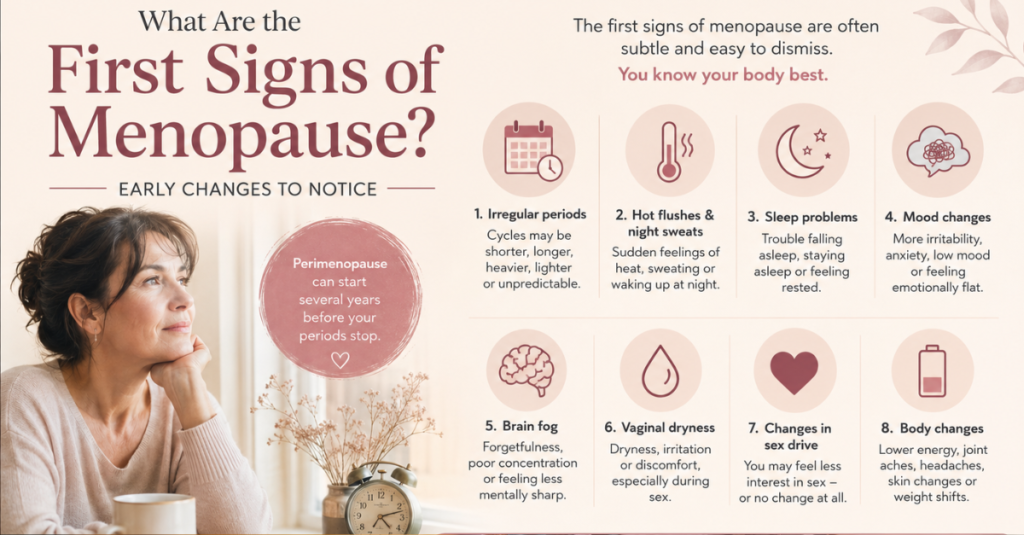
Perimenopause is the stage of hormonal change leading up to your final period. It can last several years, and symptoms often begin while periods are still regular, which is why many women do not connect the two.
Fatigue is among the most widely reported symptoms of this transition. The World Health Organisation places natural menopause between the ages of 45 and 55 for women worldwide, although some reach it earlier.
Changing levels of oestrogen (spelt estrogen in some countries) and progesterone affect sleep quality, body temperature, mood and blood sugar regulation, so Tiredness arrives from several directions at once. Night sweats can lighten your sleep without waking you fully. Experiences differ enormously between regions and between individuals, so another woman’s menopause tells you very little about your own.
2. Iron deficiency and anaemia
This cause is missed more often than any other, and it is a worldwide issue. The World Health Organisation estimated that in 2019, about 30% of non-pregnant women aged 15 to 49 were affected by anaemia (spelt anaemia in some countries), with the highest rates in the WHO African and South-East Asia regions. Iron deficiency is the most common cause.
That estimate covers women up to age 49, so it does not describe women in their fifties and sixties directly. Iron deficiency remains common beyond that age, particularly where periods have been heavy for years.
Heavy or unpredictable bleeding is usual in perimenopause and reduces iron stores steadily. Those stores can fall low before a basic blood count shows anaemia, so ask specifically about ferritin, a test that measures stored iron, if it is available to you. Other signs include breathlessness on stairs, pale inner eyelids, brittle nails, hair shedding and restless legs at night.
3. An underactive thyroid
An underactive thyroid, known medically as hypothyroidism, is far more common in women and becomes more likely in midlife. It overlaps so closely with perimenopause that the two are regularly confused. Feeling cold when others are comfortable, constipation, dry skin and unexplained weight gain point more towards the thyroid. One blood test can usually identify it.
4. Broken sleep you may not notice
You can spend eight hours in bed and still wake unrefreshed. Common reasons include night sweats, restless legs, a busy mind, alcohol where you drink it, and sleep apnoea. This breathing disorder is under-recognised in women because it often appears as insomnia or low mood rather than loud snoring.
5. Stress, low mood and the load you carry
Women in this age group frequently carry heavy and largely invisible responsibilities. Depending on your circumstances, that may mean children, ageing parents or other relatives, paid work, unpaid caring, farming or a family business, migration, or supporting a wider household. Sustained stress disturbs sleep and directly reduces energy.
Low mood and anxiety also cause real physical fatigue, not simply low motivation. That is a biological effect, and it can be treated.
Everyday patterns matter too. Caffeine can affect sleep for hours after your last drink, and where alcohol is part of your life, it disturbs the deeper stages of sleep. Long gaps between meals cause blood sugar dips that feel like exhaustion.
Why women are often not taken seriously
If you have raised Tiredness before and felt dismissed, you are not imagining it. Many women face barriers like limited awareness among health providers or cultural stigma. Knowing this can empower you to advocate for yourself and present specific information to your healthcare provider.
When to seek medical advice
Speak to your doctor, nurse practitioner or another appropriate clinician if fatigue has lasted more than four weeks, is worsening, or is affecting your work, driving or relationships.
Warning signs that need prompt attention
Seek medical advice without delay if your Tiredness comes with any of these:
- Weight loss you cannot explain
- Bleeding between periods, after sex, or any bleeding after menopause
- Very heavy bleeding, or passing large clots
- Breathlessness at rest, or chest pain
- A new lump anywhere
- Blood when you open your bowels, or a lasting change in bowel habits
- Heavy night sweats
- Feeling hopeless, or having thoughts of harming yourself
If symptoms feel urgent, contact your local emergency service or urgent medical service. Emergency numbers are different in every country, so use the one that applies where you are. If you are struggling with your mental health, please tell a qualified professional or someone you trust. Many countries have free confidential helplines, and a local health service can direct you to one.
Tests a clinician may consider
Where available, a useful first set of tests includes a full blood count (called a complete blood count in some countries), ferritin, thyroid function, blood glucose, vitamin B12 and vitamin D. Whether these are free, covered by insurance, or paid for directly depends on the healthcare system where you live, and costs vary widely.
If access or cost means choosing, iron and thyroid tests usually give the most useful information for women in this age group. Discuss that decision with a clinician rather than making it alone.
Whatever your circumstances, keep a two-week symptom diary first, noting sleep, energy, bleeding and mood. It costs nothing, and it turns a general complaint into a clear clinical picture.
Practical steps that need no prescription
- Keep your waking time steady, including on rest days. Consistent timing does more for energy than extra hours in bed.
- Eat something containing protein within an hour or so of waking, then at regular intervals, using foods that are affordable where you live.
- Add resistance work twice a week. Carrying, digging, climbing stairs or bodyweight movements all count, and muscle strength has a direct effect on fatigue.
- Get daylight on your face soon after waking. Sunlight is weaker during certain months, and those months fall at opposite times of year in the northern and southern hemispheres, so adjust to your own location.
- Keep your sleeping space cool if you can, around 16 to 18°C (61 to 64°F), because body temperature needs to fall for deep sleep. And be realistic about what you are carrying. Some fatigue is a signal rather than a fault.
Frequently asked questions
1. How long is too long to feel tired?
More than four weeks without an obvious explanation is worth raising with a healthcare professional. Six months or more is generally described as chronic fatigue and needs fuller assessment.
2. Can perimenopause cause fatigue before any hot flushes?
Yes. Tiredness, disturbed sleep and mood changes often appear early, sometimes years before hot flushes, also called hot flashes, or before periods become irregular.
3. Will hormone therapy help with Tiredness?
For some women it helps, particularly where night sweats are breaking sleep. Menopausal hormone therapy, also called hormone replacement therapy or HRT, is not a treatment for fatigue itself and is not suitable for everyone. Availability, prescribing rules and brand names differ from country to country, so ask about the generic name where you live. Discuss the benefits and risks with a qualified professional, and never start or stop treatment without guidance.
4. Should I take an iron supplement without being tested?
Ideally, no. Iron is best taken when testing shows you need it, because the body stores excess iron rather than removing it, and too much can cause harm. If testing is not available to you, ask a pharmacist or clinician for advice rather than taking it long term on your own.
5. Are vitamin B12 and vitamin D worth checking?
Both can cause fatigue when levels are low. Deficiency is common in many populations, particularly where sunlight exposure is limited, skin is more pigmented, clothing covers most of the body, or diets contain little animal-source food.
6. Could this be something serious?
Usually not. Fatigue is far more often caused by hormones, iron, thyroid or sleep than by anything dangerous. Even so, Tiredness combined with any of the warning signs listed above should always be checked.
The bottom line
Feeling tired all the time is common, and it still deserves investigating. You have not simply become a woman with less energy. Something is using yours up, and in most cases it can be found and improved.
You know your body better than anyone. Trust what it is telling you, and ask for the answers you deserve.
Medical disclaimer
This article is written by a registered nurse for general information and education. It is not a substitute for personalised medical advice, diagnosis or treatment, and it cannot diagnose any individual. Symptoms, treatments, medicine names and access to care vary between countries and between individuals. Always speak to a qualified healthcare professional about your own health, and do not start, stop or change any prescribed treatment without professional guidance. If your symptoms feel urgent, contact your local emergency or urgent medical service.
Call to action
Start a two-week symptom diary today, noting sleep, daily energy, bleeding and mood, then take it with you when you next speak to a clinician. Join the FemPhases newsletter for evidence-informed support written by nurses, for women everywhere.