How to Balance Career Demands and Health Needs
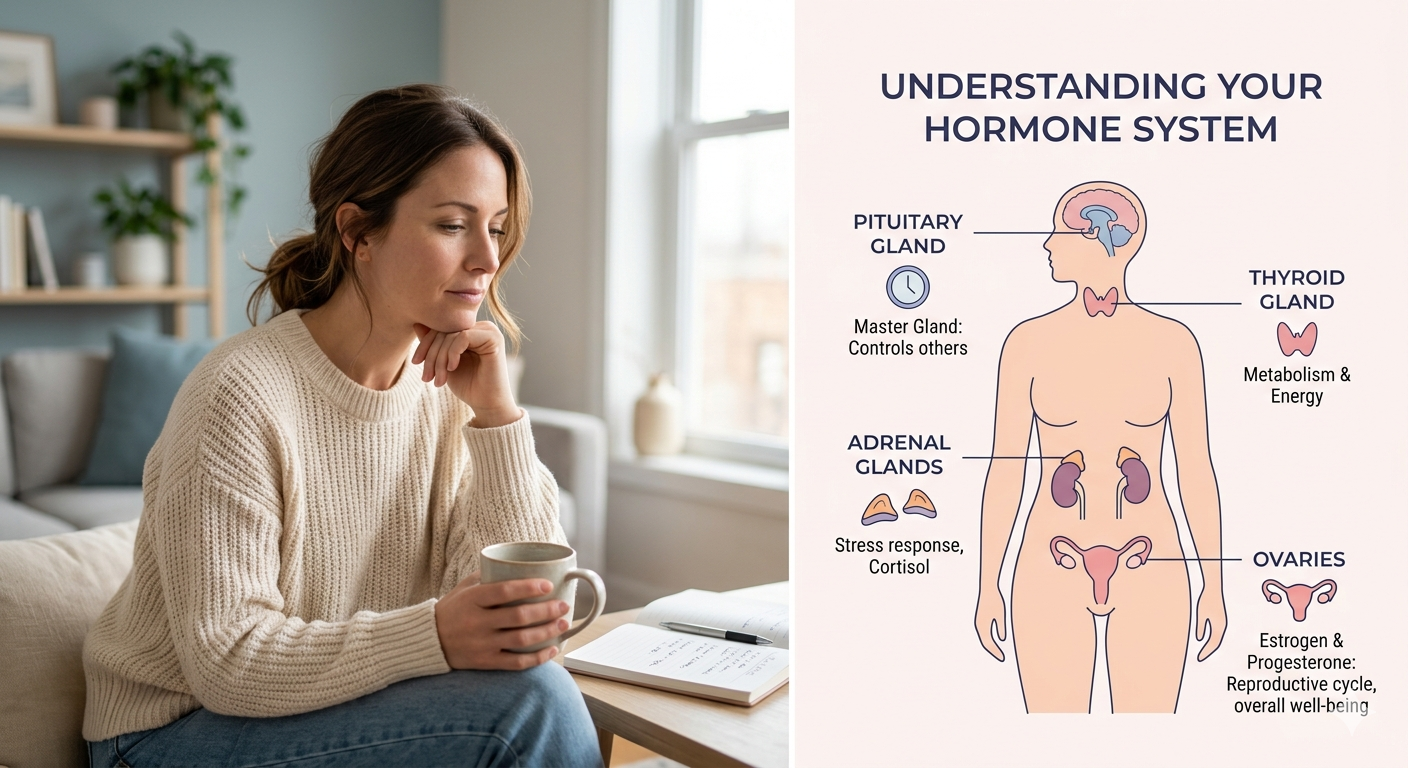
Introduction You might be answering emails while ignoring a headache, pushing through meetings on very little sleep, or telling yourself you will book that health appointment when work “settles down.” But for many women, work rarely settles down. Career responsibilities, home life, hormones, periods, fertility concerns, pregnancy, menopause symptoms, stress, and fatigue can all sit on the same plate. Balancing career demands and health needs is not about doing everything perfectly. It is about learning to notice what your body is asking for, making realistic adjustments, and knowing when support would help. This guide will walk you through what matters, what is commonly misunderstood, and how to protect your well-being without feeling guilty. Why Career and Health Can Feel So Hard to Balance Modern work often rewards availability, speed, and constant productivity. Your body, however, works on rhythms. It needs sleep, food, movement, recovery, medical care, emotional safety, and hormonal stability. When your work life keeps asking for more than your body can comfortably give, you may start to feel as though your health is an inconvenience. It is not. Your health is not separate from your career. It is the foundation that allows you to think clearly, make decisions, manage pressure, communicate well, and keep going over time. When health needs are repeatedly pushed aside, small signals can become harder to ignore: poor sleep, low mood, heavier periods, digestive symptoms, headaches, anxiety, exhaustion, or feeling unlike yourself. The aim is not to abandon ambition. It is to build a way of working that does not require you to abandon yourself. Perimenopause Symptom Checker Your Body Is Not Being Difficult Many women minimise symptoms because they are used to functioning through discomfort. You may have learned to keep going through period pain, heavy bleeding, migraines, pelvic pain, nausea, pregnancy symptoms, breastfeeding demands, perimenopause changes, or chronic fatigue. But “common” does not always mean “normal for you,” and it certainly does not mean you should suffer in silence. Your endocrine system is the network of glands and hormones that helps regulate your menstrual cycle, sleep, stress response, metabolism, mood, fertility, and the transition to menopause. When you are under ongoing pressure, your stress system can affect sleep, appetite, energy, concentration, and emotional resilience. This does not mean stress is “all in your head.” It means your brain and body are closely connected. A demanding job can also make existing symptoms harder to manage. A hot office may worsen hot flushes. Back-to-back meetings may make heavy periods or bladder symptoms more stressful. Shift work may disturb sleep and menstrual patterns. Long hours may leave little time for nourishing meals, movement, rest, or medical appointments. Your body is not failing you. It may be trying to get your attention. Women’s Health Needs Change Across Life Phases Your health needs will not always look the same. They may change across your menstrual cycle, during fertility treatment, pregnancy, postpartum recovery, perimenopause, menopause, or while managing a long-term condition. During some phases of the menstrual cycle, you may notice changes in energy, mood, sleep, appetite, or pain sensitivity. Some women feel relatively steady throughout the month, while others experience symptoms that affect work, relationships, and confidence. Conditions such as endometriosis, polycystic ovary syndrome, fibroids, premenstrual dysphoric disorder, thyroid problems, anaemia, migraines, and autoimmune conditions can also affect daily functioning. Pregnancy and postpartum life can bring nausea, pelvic girdle pain, fatigue, anxiety, low mood, feeding challenges, sleep disruption, or the emotional strain of returning to work before you feel fully ready. Perimenopause, the years leading up to menopause, can affect sleep, mood, concentration, temperature control, periods, libido, joints, and energy. Menopause is reached when periods have stopped for 12 months, but symptoms may begin years before that. Some women feel blindsided because they are still building careers, caring for family, and carrying heavy responsibilities while their bodies are changing in ways they were never fully prepared for. This is why balance has to be flexible. What worked for you five years ago may not work now. Guidelines on mental health at work What Is Often Misunderstood One common misunderstanding is that needing adjustments means you are less capable. In reality, support often helps capable women stay well and continue contributing. Another misunderstanding is that symptoms must be severe before they matter. You do not have to wait until you are collapsing, crying in the car, bleeding through clothes, unable to sleep, or dreading every workday before you take your health seriously. It is also easy to confuse resilience with constant endurance. Real resilience includes recovery. It means noticing strain early, asking for help when needed, and making changes before your body forces you to stop. Balance also does not always mean equal time for work and health every day. Some weeks will be work-heavy. Others may need more rest, medical attention, or emotional space. A healthier balance is usually built through small, repeated choices that protect your body over time. Boundaries Are a Health Strategy Boundaries are not just about saying no. They are about making your energy, time, and health needs visible enough to be respected. A boundary might sound like: “I can take this on, but I will need to move the deadline.” It might mean protecting lunch breaks, blocking out time for medical appointments, declining nonessential meetings, asking for flexible work arrangements, or not checking email late at night unless your role truly requires it. For some women, boundaries feel uncomfortable because they are used to being helpful, reliable, and available. But being reliable should not mean being permanently depleted. A useful question is: “What would make this sustainable?” If the answer is more rest, clearer priorities, better staffing, flexible hours, a cooler workspace, fewer last-minute demands, or protected time for treatment, that is important information. When Work Starts Affecting Your Health Work-related stress can show up in the body and mind. You might feel irritable, tearful, tense, anxious, forgetful, or unable to switch off. You may notice headaches, stomach symptoms, chest tightness,
How to Balance Career Demands and Health Needs Read More »