
Why Women Are Choosing Rest Over Hustle in 2026
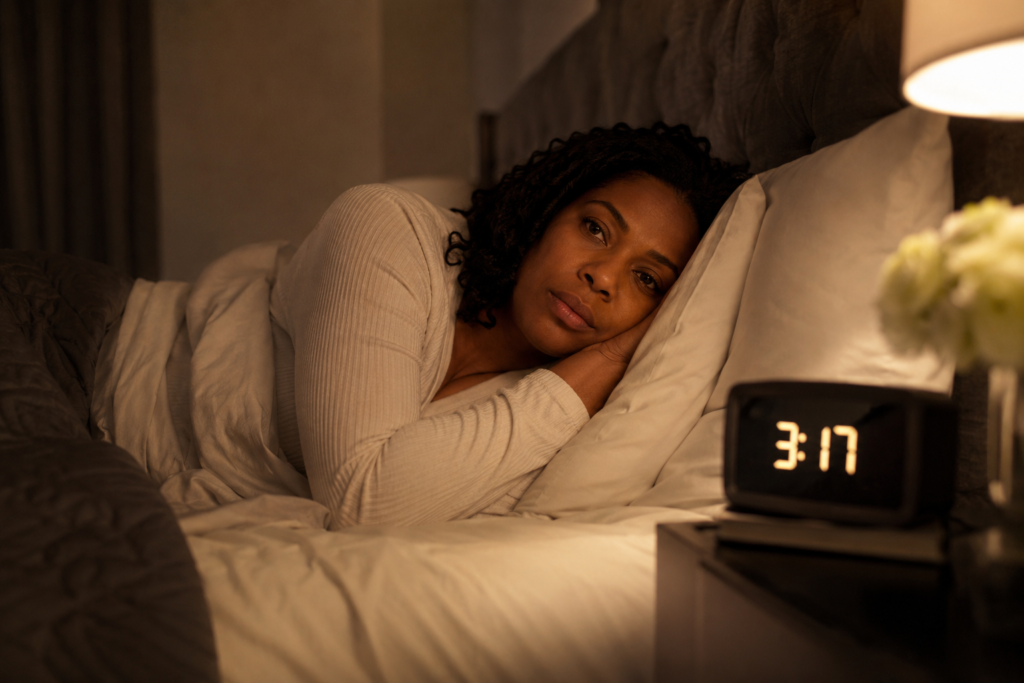
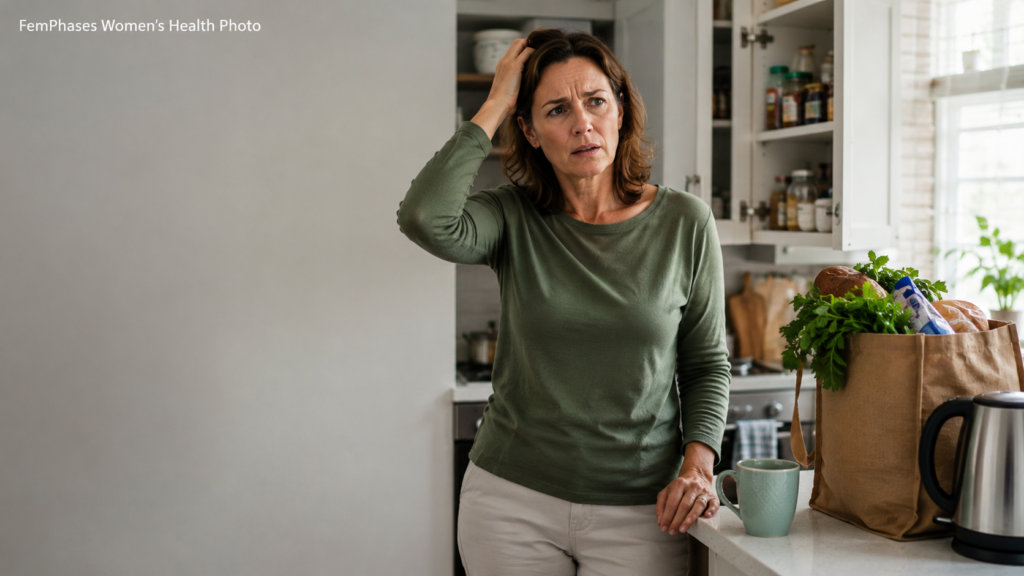
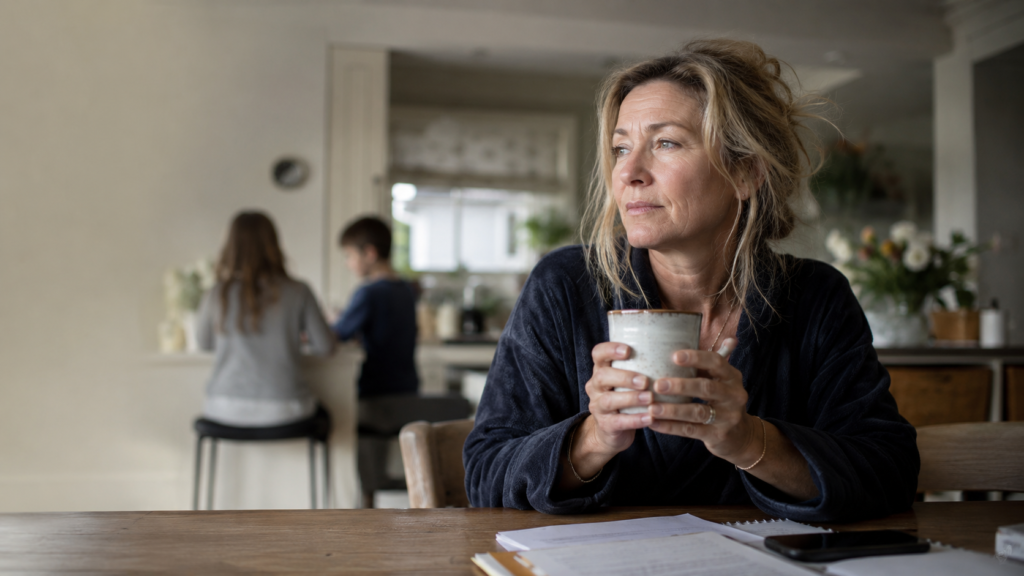
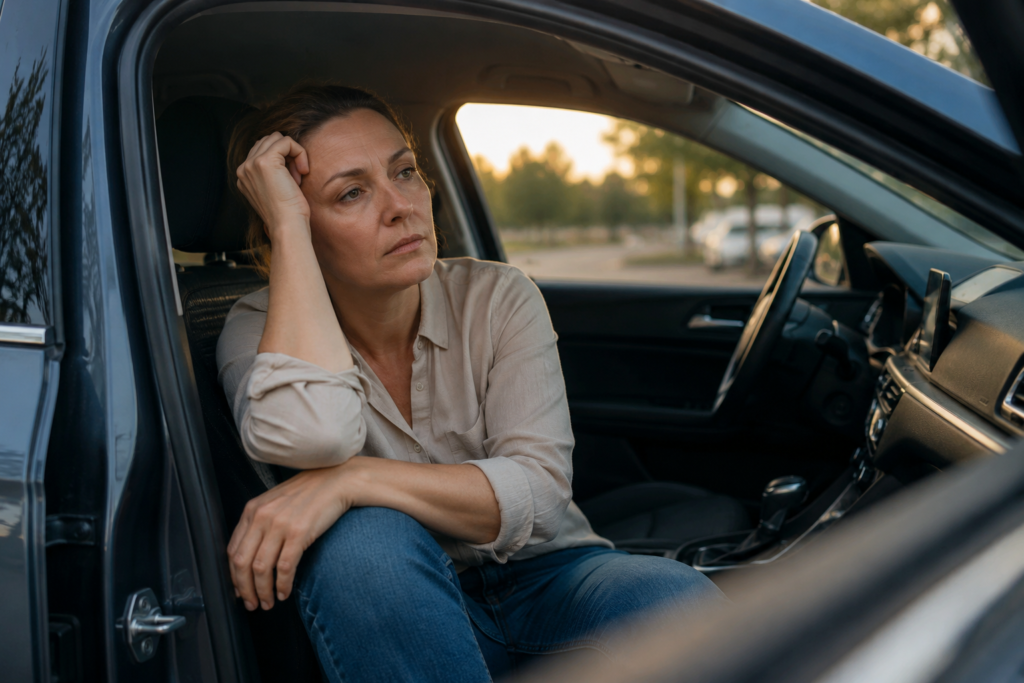
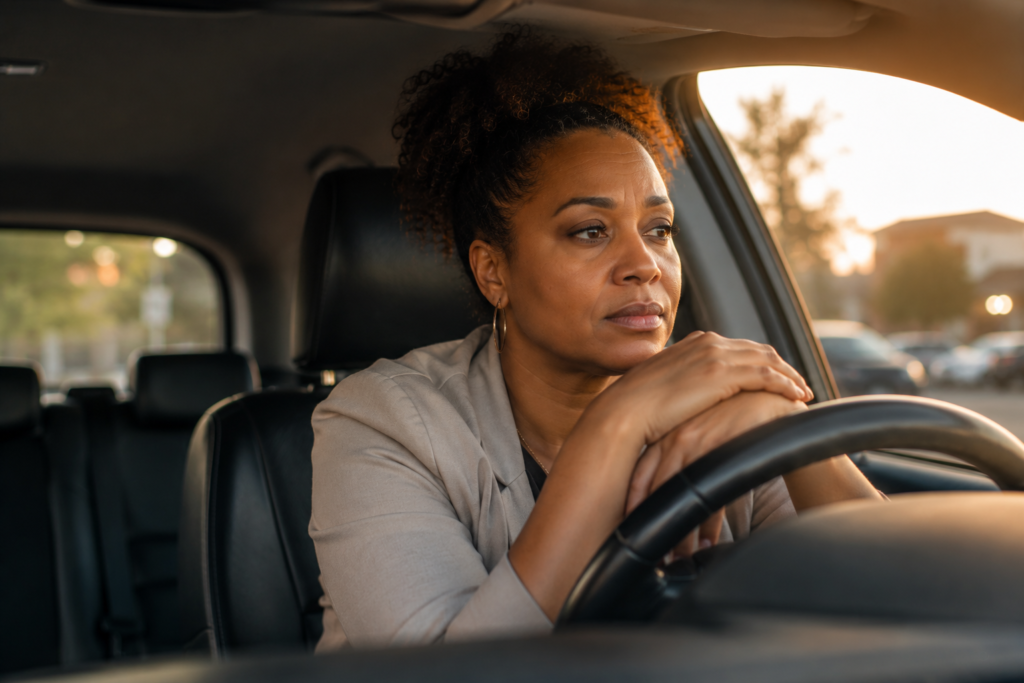
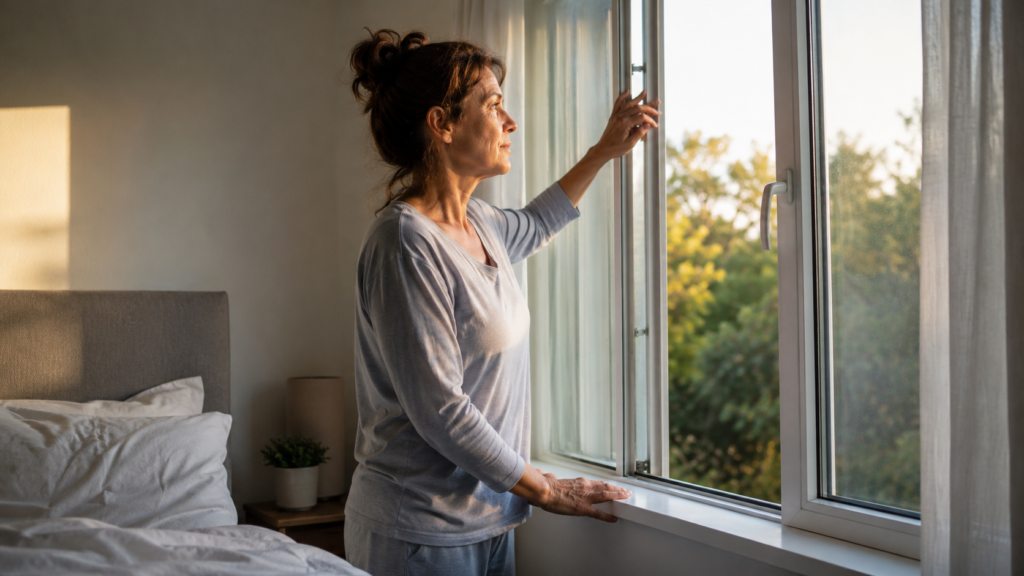
Introduction You wake up tired before the day has even started. Your phone is already buzzing. Someone needs something. There are emails to answer, meals to plan, deadlines to meet, appointments to remember, laundry to fold, and somehow you are also supposed to drink more water, exercise consistently, meditate, look rested, and keep smiling through it all. For years, many women were told that exhaustion was normal. That being “busy” meant you were successful. That pushing through was a strength. But something has shifted. Why women are prioritising rest over hustle in 2026 is not simply a wellness trend. It is a response to years of physical exhaustion, emotional overload, rising stress levels, hormonal changes, caregiving pressures, workplace burnout, and the growing realisation that constant productivity is unsustainable for the human body. Women are increasingly recognising that rest is not laziness. It is healthcare. It is nervous system regulation. It is hormone support. It is emotional recovery. And for many women, it is survival. This shift is happening quietly in homes, workplaces, therapy rooms, GP appointments, menopause clinics, and online communities where women are finally admitting: “I cannot keep living like this.” And honestly, many bodies have been trying to say that for years. The “Always On” Lifestyle Has Real Health Consequences For a long time, hustle culture rewarded women for ignoring their needs. Skipping meals. Working through exhaustion. Functioning on little sleep. Putting everyone else first. Smiling while overwhelmed. The problem is that the body keeps score. Chronic stress affects almost every system in the body, including: Hormones Sleep regulation Blood sugar balance Mental health Immune function Heart health Digestion Menstrual cycles Menopause symptoms Research continues to show strong links between long-term stress and increased risks of anxiety, depression, cardiovascular disease, sleep disorders, and burnout. The body was never designed to remain in a constant state of alertness. According to the World Health Organisation (WHO), burnout is now recognised as an occupational phenomenon associated with chronic workplace stress that has not been successfully managed. For many women, though, stress is not limited to work. It is happening everywhere. Women Are Carrying Invisible Labour That Often Goes Unrecognised One reason why women are prioritising rest over hustle in 2026 is that many women are mentally overloaded in ways that are difficult to measure. Even in loving households and successful careers, women often carry the invisible management of life itself: Remembering appointments Planning meals Emotional caregiving Managing family schedules Monitoring children’s emotional needs Caring for ageing parents Coordinating household tasks Maintaining social relationships Anticipating everyone else’s needs This constant mental tracking creates what psychologists sometimes call cognitive load. You may look “fine” externally while internally feeling mentally crowded all the time. Many women describe it as: “My brain never switches off.” “I’m tired in my bones.” “I feel overstimulated constantly.” “I can’t recover properly anymore.” These experiences are real. They are not weaknesses. And they are increasingly being recognised as legitimate health concerns rather than personal failings. Hormonal balance Quiz Hormones, Stress, and Exhaustion Are Deeply Connected One of the most important reasons women are prioritising rest over hustle in 2026 is the growing awareness of how stress affects female hormone health. The nervous system and endocrine system work closely together. When stress becomes chronic, the body increases production of stress hormones like cortisol and adrenaline. Over time, this can influence: Sleep quality Mood regulation Appetite Energy levels Menstrual cycles Perimenopause symptoms Blood sugar regulation Libido Cognitive function For women in perimenopause and menopause, especially, prolonged stress can intensify symptoms such as: Hot flushes Anxiety Heart palpitations Brain fog Fatigue Sleep disruption Irritability Low mood The British Menopause Society and NHS menopause guidance both acknowledge the significant impact menopause symptoms can have on quality of life, sleep, work performance, and emotional well-being. Many women are only now realising that the exhaustion they blamed on “not coping well enough” may actually reflect a body under prolonged physiological strain. That realisation can feel emotional. Because once you understand what stress is doing inside the body, rest stops feeling indulgent and starts feeling necessary. Rest Is Not Just Sleep When people hear the word “rest,” they often imagine naps or sleeping in. But true rest is much broader than that. Some women sleep for eight hours and still feel exhausted because their nervous systems never fully relax. Real rest may include: i. Physical Rest Sleep Gentle movement Taking breaks Recovery days Reducing overcommitment ii. Mental Rest Less multitasking Reduced screen exposure Quiet time Fewer decisions Boundaries around work iii. Emotional Rest Being able to say “I’m struggling” Feeling emotionally safe Not masking constantly Time away from emotional caregiving iv. Sensory Rest Lower noise levels Reduced notifications Time away from overstimulation Calm environments v. Social Rest Spending time with people who feel safe Reducing emotionally draining interactions Allowing yourself solitude without guilt Many women are discovering they do not necessarily need to become “more productive.” They need opportunities to recover. The Pandemic Changed Women’s Relationship With Productivity Part of why women are prioritising rest over hustle in 2026 comes from collective burnout following years of social, economic, and emotional strain. The pandemic intensified: Caregiving demands Workplace stress Financial anxiety Health fears Emotional isolation Grief Parenting pressures Exhaustion among healthcare workers and carers For many women, it became impossible to ignore how unsustainable their pace of life had become. Some women left toxic workplaces. Others reduced working hours. Some stopped glorifying overwork entirely. There has also been a growing public discussion around: Nervous system regulation Burnout recovery Menopause in the workplace Emotional labour Mental health Boundaries Cycle-aware well-being Not all online advice is evidence-based, of course. But the broader cultural shift toward rest reflects something important: women are questioning systems that reward depletion. And many are choosing differently. Rest Improves Health Outcomes More Than Many Women Realise Rest is not passive. The body is highly active during recovery. Adequate rest supports: Memory consolidation Hormone regulation Immune function Emotional processing Tissue repair Cardiovascular health Blood pressure
Why Women Are Choosing Rest Over Hustle in 2026 Read More »