Femphases: Helping women understand hormones, emotions, and midlife health.

Trust Bar Marquee

Hormones, Stress & Sleep

I Don’t Feel Like Myself Anymore During Menopause

Introduction You walk into the kitchen and forget why you are there. Again. Your partner asks a harmless question, and suddenly you feel irrationally irritated. Someone at work sends a mildly frustrating email, and your chest tightens with anger that feels far bigger than the situation deserves. At the same time, there are moments when you feel strangely flat, disconnected, or emotionally numb. You look at your own life and quietly think: “I don’t feel like myself anymore.” For many women, this thought becomes one of the most unsettling parts of menopause. Not just the hot flushes. Not just the sleep disruption. But the feeling that something deeper has shifted inside you. Many women find themselves caught off guard by how intensely they experience emotional blunting, rage, mood swings, and anxiety during menopause. Recognising these feelings as common can help women feel understood and less isolated in their experiences. Some women describe feeling emotionally detached. Others feel overwhelmed by anger they barely recognise in themselves. Many feel exhausted, overstimulated, tearful, anxious, or like they’re not the person they used to be. If you have been thinking, “I don’t feel like myself anymore” during menopause, know that hormonal shifts can affect the brain, nervous system, sleep, emotions, stress tolerance, and sense of self in very real ways, making these feelings understandable and valid. At the same time, menopause often arrives during one of the busiest and emotionally demanding stages of life. Careers, caregiving, ageing parents, relationship strain, grief, burnout, changing bodies, and shifting identities can all collide at once. This article explains why emotional blunting, rage, and identity changes during menopause happen, what science currently understands about the connection between hormones and emotional health, and what may help you feel more emotionally grounded again, showing that these changes are manageable. Hormonal balance Quiz Why Menopause Can Feel Emotionally Overwhelming Menopause is not simply a reproductive transition. It is also a neurological, emotional, and psychological transition. During perimenopause and menopause, levels of oestrogen and progesterone fluctuate and eventually decline. These hormones do far more than regulate periods. They also interact closely with: Serotonin Dopamine GABA Cortisol Sleep regulation Stress response systems Brain temperature regulation Cognitive processing Emotional regulation Oestrogen, in particular, influences neurotransmitters involved in mood stability, emotional resilience, motivation, and well-being. When hormone levels become unpredictable, many women notice emotional symptoms such as: Increased irritability Sudden anger or rage Anxiety Emotional sensitivity Tearfulness Feeling emotionally “flat” Reduced motivation Loss of confidence Brain fog Reduced stress tolerance Emotional exhaustion Feeling disconnected from themselves Importantly, this does not happen because women are weak or emotionally unstable. These experiences are rooted in genuine biological changes happening alongside major life pressures. According to the NHS and the British Menopause Society, psychological symptoms are recognised features of menopause and can significantly affect quality of life. Trusted resources: NHS Menopause Overview: https://www.nhs.uk/conditions/menopause/ British Menopause Society: https://thebms.org.uk/ NICE Menopause Guidance: https://www.nice.org.uk/guidance/ng23 Emotional Blunting During Menopause: “I Feel Numb” One of the least talked-about experiences is emotional blunting. Many women expect mood swings. Fewer expect emotional numbness. Some describe it as: Feeling emotionally disconnected Losing excitement or joy Not caring about things they used to love Feeling detached from relationships Struggling to feel emotionally present Feeling like they are “watching life happen” Losing motivation or emotional energy For some women, this can feel frightening. Especially if they have always been emotionally expressive, engaged, caring, or energetic. Several factors may contribute to emotional blunting during menopause: i. Hormonal fluctuations Changing oestrogen levels can affect serotonin and dopamine pathways involved in emotional responsiveness, pleasure, and reward. ii. Chronic stress overload Many midlife women are operating under enormous mental and emotional pressure for years before menopause symptoms become obvious. Eventually, the nervous system can shift into emotional shutdown or exhaustion. iii. Sleep deprivation Poor sleep profoundly affects emotional processing. Night sweats, insomnia, anxiety, and fragmented sleep can leave the brain emotionally depleted. iv. Depression or anxiety Menopause can increase vulnerability to anxiety and depression, especially in women with previous mental health histories. However, emotional blunting does not always mean clinical depression. Sometimes women feel emotionally depleted and neurologically overwhelmed. Persistent numbness, hopelessness, or loss of pleasure should always be discussed with a healthcare professional to empower women to seek support confidently. Menopause Rage: “Why Am I So Angry?” One of the most validating things many women hear is this: Menopause rage is real. Not everyone experiences it, but for those who do, it can feel intense and unfamiliar. Women often describe: Explosive irritation Sudden anger Feeling overstimulated by noise or demands Losing patience quickly Feeling constantly “on edge” Rage followed by guilt or shame Emotional overwhelm from small triggers This anger is often misunderstood. Women may blame themselves and think: “What is wrong with me?” “I used to be patient.” “I don’t recognise myself anymore.” Yet menopause rage is often linked to a combination of: Hormonal shifts Sleep deprivation Cognitive overload Chronic stress Anxiety Emotional burnout Years of suppressed needs and emotional labour For some women, menopause becomes the stage where emotional tolerance finally runs out. The nervous system becomes less able to absorb constant pressure. This is not an excuse for harmful behaviour, but it is an important explanation. Understanding the biological and psychological context can reduce shame and help women seek support earlier. Identity Changes During Menopause The phrase “I don’t feel like myself anymore” during menopause often goes beyond symptoms. Many women are grieving changes they cannot fully explain. Menopause can challenge identity in deeply personal ways. Some women feel: Less confident Less attractive Less emotionally resilient Less capable at work Disconnected from their sexuality Frustrated by changes in memory or concentration Uncertain about who they are becoming At the same time, life circumstances may also be shifting. Children may be growing up or leaving home. Careers may feel draining or unsatisfying. Relationships may change. Ageing becomes more visible. Parents may need care. Bodies change in ways society rarely prepares women for compassionately. For many women, menopause becomes

I Don’t Feel Like Myself Anymore During Menopause Read More »
Burnout or Hormones? How to Tell the Difference

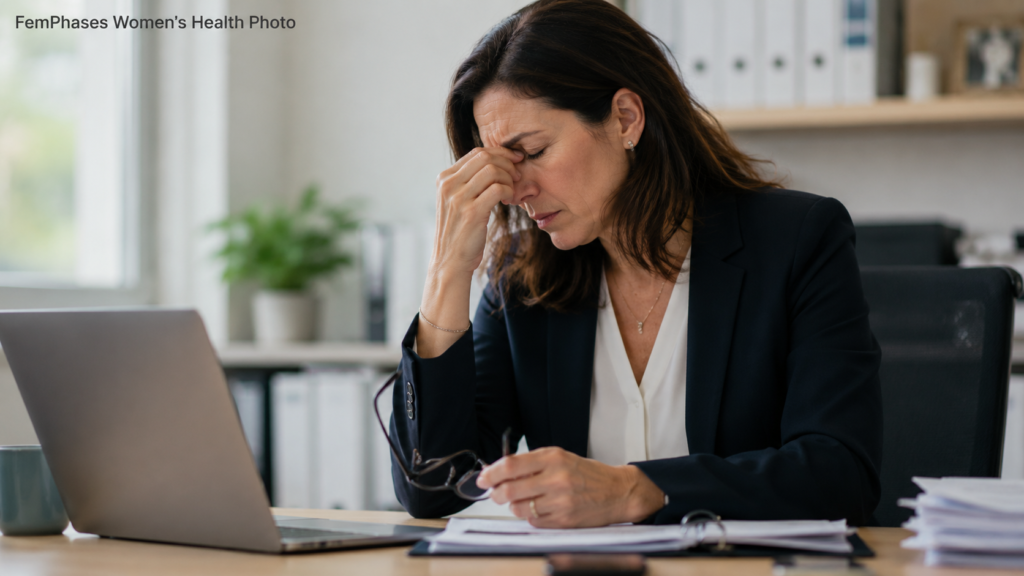
Introduction You forget why you walked into the room. You snap at someone you love over something tiny. You feel exhausted before the day has properly started, yet somehow your mind still will not switch off at night. Then comes the question many women quietly ask themselves: “Is this stress… or is something happening with my hormones?” The confusion is understandable. Burnout and hormonal changes can look remarkably similar. Both can affect your energy, mood, sleep, concentration, motivation, memory, and emotional resilience. Many women spend months — sometimes years — blaming themselves for “not coping well enough,” when their body may actually be going through significant hormonal shifts. At the same time, chronic stress and emotional overload are incredibly real. Modern life asks a lot of women. Many are balancing careers, caregiving, relationships, financial pressure, invisible emotional labour, and their own health needs while running on very little rest. So when symptoms appear, it can feel impossible to know: is it burnout or hormones? Understanding when symptoms warrant medical attention is crucial. If symptoms persist, worsen, or significantly impact daily life, consult a healthcare professional to ensure proper care. Why Burnout and Hormonal Changes Feel So Similar One reason the burnout or hormones question is so confusing is that stress hormones and reproductive hormones constantly interact. When stress becomes chronic, the body produces more cortisol and adrenaline. Over time, this can affect: Sleep quality Mood regulation Blood sugar balance Memory and concentration Energy levels Menstrual cycles Appetite Immune function Hormonal changes during perimenopause, menopause, PMS, PMDD, thyroid disorders, or postpartum recovery can also affect these same systems. In other words, your brain and body do not separate emotional stress from hormonal health as neatly as we sometimes imagine. According to the NHS menopause guidance, fluctuating hormone levels during perimenopause can cause symptoms including anxiety, brain fog, mood changes, fatigue, poor sleep, and difficulty concentrating. Meanwhile, the World Health Organisation on burnout describes burnout as emotional exhaustion, mental distance from work, and reduced functioning caused by chronic unmanaged stress. The overlap is significant. What Burnout Often Feels Like Burnout is more than simply being tired. It is a state of physical, emotional, and mental depletion that develops over time when stress consistently outweighs recovery. Women experiencing burnout often describe: Feeling emotionally numb or detached Dreading responsibilities they once managed well Constant irritability Exhaustion that rest does not fully fix Difficulty concentrating Feeling overwhelmed by ordinary tasks Increased anxiety Cynicism or emotional withdrawal Frequent headaches or tension Trouble sleeping despite exhaustion Many women also describe a quiet sense of guilt feeling like they “should be coping better.” Burnout is especially common in women who are: caregivers, healthcare workers, parents of young children, supporting ageing parents, neurodivergent, living with chronic illness, or carrying invisible emotional labour for everyone around them. Importantly, burnout symptoms often worsen during prolonged periods of stress and may improve, at least partially, with rest, boundaries, support, and recovery time. What Hormonal Changes Often Feel Like Hormonal symptoms can be more cyclical, fluctuating, or physically layered. Keeping a symptom diary or noting patterns can help women identify cyclical changes or triggers, making it easier to discuss their experiences with a healthcare provider. Hormonal symptoms may include: Hot flushes or night sweats Sudden anxiety without clear triggers Heart palpitations Changes in menstrual cycles Breast tenderness Mood swings Brain fog Sleep disruption Joint aches Vaginal dryness Reduced stress tolerance Weight changes Low libido New migraines or worsening headaches Perimenopause, in particular, can begin years before periods stop completely. The British Menopause Society explains that hormone fluctuations during this stage can affect emotional well-being long before women realise menopause may be involved. Some women describe feeling emotionally unlike themselves. Others say they suddenly feel more sensitive, anxious, reactive, or overwhelmed by things they previously handled easily. That does not mean they are “failing.” It means their nervous system and hormonal environment may be changing simultaneously. Burnout or Hormones? Clues That May Help You Tell the Difference There is no perfect checklist, and symptoms can overlap. But certain patterns can provide helpful clues. a. Signs It May Lean More Toward Burnout Symptoms are strongly linked to workload, emotional stress, or life pressure You feel emotionally depleted more than physically symptomatic Rest, holidays, or reduced stress improve symptoms somewhat You feel detached, numb, or emotionally exhausted Sleep problems are driven by racing thoughts or stress Symptoms worsen during particularly demanding periods b. Signs Hormones May Be Playing a Bigger Role Symptoms fluctuate with your menstrual cycle Your periods have changed in timing, heaviness, or frequency You experience hot flushes or night sweats Symptoms seem unpredictable or sudden You notice physical changes alongside mood symptoms Sleep disruption happens even when stress levels are manageable You are in your late 30s, 40s, or early 50s and noticing new symptoms c. Signs It Could Be Both This is actually very common. Hormonal changes can reduce stress resilience, increasing the likelihood of burnout. Meanwhile, chronic stress can intensify hormonal symptoms. Many women are not imagining things when they say: “I feel emotionally exhausted and physically different at the same time.” That experience is real. Why Women Are Often Dismissed One painful reality is that many women seeking answers about burnout or hormones feel dismissed at some point. Some are told: “It’s just stress.” “You’re probably anxious.” “You’re too young for perimenopause.” “Your blood tests are normal.” “Everyone feels tired.” And while stress and anxiety absolutely matter, dismissing symptoms without proper assessment can make women feel misunderstood and isolated, which is why validation is so important. The Royal College of Obstetricians and Gynaecologists (RCOG) notes that perimenopause symptoms can begin years before menopause and vary significantly between women. Hormonal health is not always straightforward. Symptoms do not always fit neatly into boxes. Blood tests can also fluctuate depending on timing and life stage. Prepare questions like, ‘Could this be hormonal?’ or ‘When should I consider testing?’ to facilitate meaningful conversations with your healthcare provider about your symptoms. The Emotional

Burnout or Hormones? How to Tell the Difference Read More »

Microdosing Exercise During Perimenopause

Introduction For many women, microdosing exercise during perimenopause feels surprisingly more manageable than the intense fitness routines they used to tolerate in their 20s or 30s. If workouts suddenly leave you exhausted for days, trigger headaches, worsen sleep, increase anxiety, or make your body feel inflamed instead of energised, you are not imagining it. Across women’s health forums, menopause clinics, Reddit discussions, and research conversations, more midlife women are asking the same question: Why does exercise suddenly feel harder during perimenopause? The answer is complex, but increasingly understood. During perimenopause, fluctuating hormones can affect recovery, stress response, sleep quality, body temperature regulation, insulin sensitivity, inflammation, and muscle repair. For some women, long or high-intensity workouts may temporarily increase the body’s stress load rather than improve resilience. That does not mean movement is bad for you. In fact, movement remains one of the most evidence-supported tools for protecting cardiovascular health, bone density, mood, cognition, and metabolic health during midlife. The difference is that many women benefit from changing how they exercise rather than abandoning exercise altogether. This is where the idea of microdosing exercise during perimenopause has gained attention. Rather than pushing through long, exhausting workouts, microdosing movement involves shorter, lower-stress bursts of activity spread throughout the day. Think: 5–15 minute strength sessions Short walks after meals Gentle mobility routines Brief resistance training blocks “Movement snacks” instead of marathon sessions For some women, this approach improves consistency, reduces recovery crashes, and feels more sustainable physically and emotionally. According to the NHS menopause guidance, regular physical activity supports both physical and mental health during menopause transition. The key is finding an approach that your body can recover from consistently. Hormonal Fluctuations Can Change Exercise Tolerance Perimenopause is the transitional stage before menopause, when hormones like oestrogen and progesterone fluctuate unpredictably. Oestrogen affects: Muscle recovery Glucose regulation Inflammation Brain function Joint health Blood vessel function When oestrogen fluctuates or declines, some women notice: Slower recovery Increased soreness Fatigue after exercise Sleep disruption Higher perceived exertion Progesterone changes may also affect nervous system regulation and stress sensitivity. This means a workout routine that once felt energising may suddenly feel excessively taxing. The British Menopause Society notes that women in perimenopause often experience significant shifts in sleep, mood, and energy, all of which influence exercise capacity and recovery. Perimenopause Symptom Tracker Quiz Cortisol Load and the “Overstressed Body” Conversation One of the biggest trending discussions around microdosing exercise during perimenopause involves cortisol. Cortisol is the body’s primary stress hormone. It is not “bad.” We need cortisol for energy regulation, immune function, blood pressure control, and survival. However, chronic stress combined with: poor sleep caregiving stress under-fuelling intense exercise work pressure hormonal fluctuation may increase overall physiological stress load. Some women report that excessive high-intensity training during perimenopause worsens: insomnia palpitations anxiety hot flushes fatigue injury risk Research between 2024 and 2026 increasingly focuses on recovery capacity rather than exercise intensity alone. Microdosing exercise during perimenopause may help reduce the “all-or-nothing” cycle many women experience with fitness. Short Movement Sessions Still Improve Health A growing body of research shows that the benefits of exercise do not require hour-long workouts. The World Health Organisation’s physical activity guidance supports accumulated movement across the day, including shorter activity sessions. Even brief activity may support: insulin sensitivity cardiovascular health blood sugar regulation muscle preservation mood cognitive function Examples of microdosed movement include: 10-minute brisk walks 5-minute resistance bands sessions stair climbing mobility exercises mini strength circuits gentle yoga flows For women struggling with exercise intolerance, consistency often matters more than intensity. Strength Training Still Matters in Midlife Importantly, microdosing exercise during perimenopause does not mean avoiding strength training. Muscle mass naturally declines with age, especially after menopause. Resistance training supports: bone density metabolism insulin sensitivity balance functional mobility The difference is that many women benefit from: shorter sessions more recovery days lower training volume slower progression improved fuelling The American College of Obstetricians and Gynaecologists (ACOG) continues to recommend regular strength and aerobic activity during midlife for long-term health protection. Symptoms, Diagnosis & Barriers i. Signs Your Body May Need a Different Exercise Approach Signs sometimes associated with excessive exercise stress during perimenopause include: Extreme fatigue after workouts Delayed recovery lasting several days Worsening insomnia Increased anxiety or irritability Frequent injuries Dizziness or palpitations Persistent muscle soreness Exercise dread Elevated resting heart rate Hot flushes triggered by intense exercise Brain fog after training These symptoms do not automatically mean exercise is harmful. They may signal: inadequate recovery low iron under-fuelling thyroid dysfunction poor sleep perimenopausal hormone changes overtraining underlying medical conditions ii. Iron Deficiency and Midlife Fatigue Matter Women in perimenopause may also experience heavier or irregular periods, increasing the risk of iron deficiency. Low iron can contribute to: breathlessness dizziness fatigue poor exercise tolerance heart palpitations weakness brain fog If symptoms feel extreme or new, it is important to seek appropriate assessment rather than assuming they are “just ageing.” Blood tests may include: ferritin full blood count thyroid function B12 vitamin D glucose testing iii. Many Women Feel Dismissed A major barrier is that women are often told to “push through.” But more clinicians are recognising that sustainable movement matters more than punishing exercise routines. Exercise adaptation during perimenopause is not a failure. It is physiology. Solutions & Support i. What Microdosing Exercise Can Look Like A sustainable weekly plan may include: 10-minute morning mobility Two short strength sessions Walking after meals Gentle cycling Pilates or yoga Rest days without guilt Stretch breaks during work For some women, multiple short sessions feel significantly better than one long, draining workout. ii. Recovery Becomes Part of the Plan Recovery is not laziness. Recovery is part of training. Supportive recovery habits may include: adequate protein intake hydration sleep support stress reduction blood sugar stability pacing intense workouts avoiding excessive under-eating The nervous system often responds better to consistency than extremes. iii. Nutrition Supports Hormone and Muscle Health Women in perimenopause may benefit from focusing on: protein with meals fibre-rich foods iron-rich

Microdosing Exercise During Perimenopause Read More »

Perimenopause Rage: Hormones, Burnout, or Both?

Introduction One minute you are answering an email, folding laundry, or trying to make dinner. Next, you are overwhelmed by a surge of anger that feels far bigger than the moment itself. You snap at your partner. You cry in the car. You feel guilty afterwards, but also strangely exhausted. For many women, perimenopause rage can feel frightening, confusing, and deeply unlike themselves. And yet, this experience is far more common than most people realise. Perimenopause – the transitional phase leading up to menopause – is increasingly recognised not just as a reproductive shift, but as a whole-body neurological, hormonal, and psychological transition. While hot flushes and irregular periods are often discussed, emotional symptoms such as irritability, anxiety, anger, and emotional dysregulation are frequently under-recognised or dismissed, despite their significant impact on daily life. Recent research from organisations including the National Institutes of Health, the National Institute for Health and Care Excellence, and the American College of Obstetricians and Gynaecologists increasingly acknowledges that fluctuating hormones can significantly affect mood, sleep, stress tolerance, and emotional resilience. But hormones are only part of the picture. Many women in midlife are also carrying intense mental and emotional loads: Careers and workplace stress Caring for children and ageing parents Financial pressure Relationship strain Chronic sleep deprivation Invisible emotional labour Long-term burnout So when rage appears during perimenopause, the real question is often not “Is this hormones or stress?” but rather: How are hormones and burnout amplifying each other? Understanding that interaction matters. Because when women are told they are simply “overreacting” or “being difficult,” many delay seeking help and continue suffering in silence. The good news is that there are evidence-based ways to understand, support, and treat these symptoms. Knowing support options can help women feel hopeful and less alone in managing perimenopause-related mood changes. Perimenopause Symptom Quiz How Hormonal Changes Affect Mood and Emotional Regulation Fluctuating levels of oestrogen and progesterone characterise perimenopause. Oestrogen does far more than regulate periods. It also affects: Serotonin (mood regulation) Dopamine (motivation and reward) Cortisol response (stress hormone regulation) Sleep quality Brain temperature regulation Cognitive processing When oestrogen fluctuates unpredictably, the brain can become more sensitive to stress and emotional triggers, which may lead to sudden mood swings or feelings of overwhelm. i. Oestrogen and the Brain’s Stress Response Research suggests that fluctuating oestrogen may increase activation in the brain’s emotional processing centres, including the amygdala, which plays a key role in fear, threat perception, and emotional intensity. This can lead to: Lower frustration tolerance Increased irritability Emotional reactivity Sudden anger or rage episodes Heightened sensitivity to stress Importantly, this does not mean women are “unstable.” It means the nervous system is responding differently under hormonal stress. ii. Progesterone, Anxiety, and Emotional Exhaustion Progesterone has calming effects on the brain through interaction with GABA receptors — chemical pathways associated with relaxation and nervous system regulation. As progesterone levels decline in perimenopause: Anxiety may increase Sleep quality may worsen Nervous system recovery becomes harder Emotional overwhelm may intensify This combination can create a “short fuse” feeling that many women describe. iii. Sleep Disruption Intensifies Emotional Reactivity Sleep disturbance is one of the strongest predictors of mood symptoms in perimenopause. Night sweats, insomnia, anxiety, and hormonal fluctuations can severely affect restorative sleep. Poor sleep directly impacts: Emotional regulation Impulse control Stress tolerance Cognitive function Pain sensitivity Even mild chronic sleep deprivation can increase irritability and anger responses. Burnout and Midlife Overload Hormones do not exist in isolation. Many women entering perimenopause are already operating under sustained stress before hormonal symptoms begin. a. The Invisible Mental Load Midlife women are often simultaneously: Managing households Supporting children Caring for elderly relatives Working full-time Navigating relationship pressures Coping with financial strain This ongoing cognitive and emotional labour creates chronic nervous system activation. When hormonal changes reduce stress resilience, previously manageable demands may suddenly feel unbearable. b. Chronic Stress and Cortisol Dysregulation Burnout involves long-term activation of the body’s stress response system. Over time, chronic stress can disrupt: Cortisol rhythms Sleep cycles Immune function Blood sugar balance Emotional regulation Research increasingly shows overlap between burnout symptoms and perimenopausal symptoms: Fatigue Brain fog Irritability Emotional numbness Anxiety Sleep problems Difficulty concentrating For many women, these experiences become biologically intertwined. c. Why Rage Often Appears “Out of Nowhere” Rage during perimenopause is rarely caused by one single event. Instead, it often reflects: Hormonal sensitivity Nervous system overload Emotional suppression Chronic stress accumulation Sleep deprivation Feeling unseen or unsupported Sometimes anger emerges because the body can no longer sustain years of over-functioning without consequence. The Role of Neurodiversity and Mental Health History Emerging research suggests women with: ADHD Autism PMDD (Premenstrual Dysphoric Disorder) Anxiety disorders Depression Trauma histories may experience more severe mood symptoms during perimenopause. Hormonal shifts can amplify existing nervous system sensitivities. Many women are first diagnosed with ADHD or mood disorders during midlife because symptoms become more noticeable as hormonal buffering declines. Symptoms, Diagnosis & Barriers Signs That Perimenopause Rage May Be Happening Perimenopause rage can present differently for different women. Common experiences include: Sudden intense anger Feeling emotionally explosive Irritability over small triggers Crying and anger cycling together Feeling “not like yourself” Guilt after emotional outbursts Increased sensitivity to noise or stress Emotional exhaustion Feeling constantly overstimulated Some women also notice: Brain fog Hot flushes Cycle changes Sleep disruption Anxiety Palpitations Low mood i. Rage Is Not Always Loud Not all rage looks explosive. For some women, it appears as: Emotional withdrawal Resentment Internalised anger Numbness Increased cynicism Persistent irritability Why Diagnosis Can Be Difficult Perimenopause is diagnosed clinically, meaning symptoms and menstrual history are often more important than hormone blood tests alone. Because hormone levels fluctuate dramatically during perimenopause, a single blood test may not reflect the full picture. i. Common Barriers Women Face Many women report: Being dismissed as “stressed” Having symptoms attributed only to mental health Being told they are “too young” Feeling embarrassed discussing rage or anger Not recognising emotional symptoms as hormonal Women from marginalised communities

Perimenopause Rage: Hormones, Burnout, or Both? Read More »

Heavy Periods and Low Iron in Your 40s

Introduction For many women, the 40s arrive with subtle shifts at first: a missed period here, a shorter cycle there, a little more fatigue than usual. Then sometimes the changes become impossible to ignore. Periods get heavier. Clots appear. Bleeding lasts longer. Energy disappears. You may find yourself wondering whether this is “just perimenopause” or whether something more serious is happening. Heavy periods and low iron in your 40s are common, but understanding that you don’t have to endure them can empower you to seek evaluation, especially during the menopausal transition, also called perimenopause, the hormonal phase leading up to menopause. Remember, common does not mean normal. Heavy menstrual bleeding can quietly drain iron stores over months or years, leading to iron deficiency and, in some cases, iron-deficiency anaemia a condition where the body no longer has enough healthy red blood cells to carry oxygen effectively. The effects can be profound: Exhaustion that sleep does not fix Brain fog and poor concentration Breathlessness Anxiety-like symptoms Heart palpitations Hair shedding Feeling physically “flattened” Recent guidance from organisations including the National Institute for Health and Care Excellence, the American College of Obstetricians and Gynaecologists, and the World Health Organisation continues to emphasise that heavy bleeding warrants proper evaluation, particularly during midlife, when hormonal fluctuations can overlap with fibroids, thyroid conditions, adenomyosis, and other health concerns. Understanding the connection between hormones, bleeding, and iron levels can help you advocate for yourself earlier. Keeping track of your symptoms can build confidence in discussing your health and making informed decisions. Am I in Perimenopause? Symptom Quiz Why Heavy Bleeding Often Increases During Perimenopause Fluctuating levels of oestrogen and progesterone mark perimenopause. These hormones help regulate the menstrual cycle and maintain the lining of the uterus (the endometrium). During your 40s, ovulation becomes less predictable. Many cycles become anovulatory, meaning the ovary does not release an egg. Without ovulation, progesterone levels may remain lower than usual while oestrogen continues stimulating the uterine lining. The result? The lining can build up excessively and shed irregularly, causing: Heavier bleeding Longer periods Shorter cycles Spotting between periods Large blood clots Research published across 2024–2026 women’s health reviews continues to show that hormonal instability during perimenopause is one of the leading causes of abnormal uterine bleeding in midlife women. i. The Iron Loss Connection Iron is essential for producing haemoglobin, the protein in red blood cells that carries oxygen throughout the body. When menstrual bleeding becomes excessive, the body can lose iron faster than it replaces it. Over time, this may progress through stages: Iron depletion: stored iron falls Iron deficiency: tissues begin to lack iron Iron-deficiency anaemia: haemoglobin drops Importantly, many women experience symptoms even before anaemia appears on standard blood tests. This is why some clinicians now recommend evaluating: Ferritin (iron storage protein) Full blood count (FBC) Transferrin saturation Vitamin B12 and folate Thyroid function A “normal” haemoglobin result does not always rule out iron deficiency. ii. Fibroids, Adenomyosis, and Other Hidden Causes Not all heavy bleeding in your 40s is purely hormonal. Conditions such as fibroids, adenomyosis, thyroid disorders, endometrial polyps, and endometriosis can also contribute to heavy periods and should be considered during evaluation. Several conditions become more common during this stage of life. Fibroids are non-cancerous growths in or around the uterus that can increase bleeding, pressure, pelvic pain, and urinary symptoms. Adenomyosis occurs when tissue similar to the uterine lining grows into the muscular wall of the uterus. It can cause: Very painful periods Heavy clotting Pelvic pressure Chronic inflammation Other possible contributors include: Thyroid disorders Endometrial polyps Endometriosis Bleeding disorders Certain medications Perimenopausal hormonal changes Rarely, endometrial cancer This is why persistent heavy bleeding should never automatically be dismissed as “just age.” iii. Why Iron Deficiency Affects the Whole Body Iron is involved in far more than oxygen transport. Low iron can affect: Brain function Neurotransmitters Temperature regulation Muscle performance Immune function Hair growth Mood regulation Emerging evidence also suggests links between iron deficiency and: Increased anxiety symptoms Restless legs syndrome Sleep disruption Reduced exercise tolerance Many women describe it as feeling unlike themselves. Symptoms, Diagnosis & Barriers 1. Signs Your Heavy Periods May Be Affecting Iron Levels Symptoms can develop gradually and become easy to normalise. Common signs include: Extreme fatigue Needing naps frequently Breathlessness climbing stairs Dizziness Pale skin Heart palpitations Headaches Hair thinning Feeling cold often Poor concentration or “brain fog” Irritability Weakness Craving ice or non-food items (pica) Signs of heavy menstrual bleeding itself may include: Bleeding through pads or tampons hourly Passing clots larger than a 50p coin Bleeding longer than 7 days Needing double protection Waking overnight to change products Avoiding social activities due to bleeding ii. When Heavy Bleeding Needs Urgent Medical Assessment When heavy bleeding becomes severe or sudden, seek prompt medical assessment. Urgent signs include passing large clots, fainting, chest pain, or bleeding after menopause, which require immediate attention. Seek prompt medical care if you experience: Sudden severe bleeding Fainting or chest pain Shortness of breath Bleeding after sex Bleeding after menopause Severe pelvic pain Rapid worsening of symptoms iii. The Problem of Medical Dismissal Many women spend years being told: “Your labs are normal.” “It’s just stress.” “It’s your age.” “Perimenopause is messy.” While hormonal shifts are real, your persistent symptoms deserve investigation. You have the right to be heard and taken seriously when discussing your health concerns. Women in midlife are often balancing careers, caregiving, mental load, and chronic exhaustion. Symptoms become easy to minimise — both internally and within healthcare systems. Medical advocacy matters. It is reasonable to ask: What is causing my bleeding? Has my ferritin been checked? Could this be fibroids or adenomyosis? Should I have imaging or further testing? What are my treatment options? iv. Recommended Diagnostic Approaches Depending on symptoms and history, evaluation may include: Pelvic examination Blood tests Pelvic ultrasound Endometrial biopsy Hysteroscopy Hormone evaluation Thyroid testing Current guidelines from NICE and ACOG support investigating abnormal bleeding patterns during perimenopause, particularly when bleeding changes significantly

Heavy Periods and Low Iron in Your 40s Read More »

Does HRT Increase Breast Cancer Risk? What the Latest Evidence Says

Introduction:  If you have been thinking about HRT but feel nervous because of breast cancer headlines, you are not alone. HRT and breast cancer risk is one of the most searched, most misunderstood, and most emotionally loaded menopause topics. Many women are left wondering: Am I putting myself in danger, or am I avoiding treatment that could genuinely help me feel well again? The clearest answer is this: HRT and breast cancer risk depend on the type of HRT, how long it is used, your personal breast cancer risk, and whether you have a uterus or a history of breast cancer. NICE says oestrogen-only HRT has little or no increase in breast cancer risk, while combined HRT can increase risk, especially with longer use. (NICE) In this article, we will walk through what the evidence actually means, what is worth paying attention to, and how to have a calm, informed conversation with your clinician. What Is Hormone Replacement Therapy? HRT, or hormone replacement therapy, is treatment used to replace or support falling hormone levels during perimenopause and menopause. It is most often used to help symptoms such as hot flushes, night sweats, poor sleep, vaginal dryness, low mood, joint aches, brain fog, and reduced quality of life. There are different types: Oestrogen-only HRT: usually for women who have had a hysterectomy. Combined HRT: oestrogen plus a progestogen, used when the uterus is still present to protect the womb lining. Vaginal oestrogen: low-dose local treatment for vaginal dryness, bladder symptoms, painful sex, and recurrent urinary symptoms. Systemic HRT: tablets, patches, gels, sprays, or implants that affect the whole body. When people talk about HRT and breast cancer risk, they are usually talking about systemic HRT, especially combined oestrogen-progestogen therapy. Low-dose vaginal oestrogen is generally treated differently because very little is absorbed into the bloodstream, and major guidance does not link it with the same breast cancer risk pattern as systemic therapy. (The Lancet) FemPhases Menopause Symptom Checker Why Does It Happen? Breast tissue is hormone-sensitive. Oestrogen and progesterone can influence the growth of some breast cells. This does not mean HRT “automatically causes cancer,” but it helps explain why certain hormone combinations may slightly increase the chance of breast cancer being diagnosed in some women. i. The type of HRT matters The latest guidance consistently separates oestrogen-only HRT from combined HRT. NICE states there is “very little or no increase” in breast cancer risk with oestrogen-only HRT, while combined HRT is associated with an increased risk. (NICE) Combined HRT is often necessary for women with a uterus because taking oestrogen without enough progestogen can increase the risk of endometrial cancer. So this is not about one hormone being “good” and another being “bad.” It is about matching the safest treatment to your body. ii. Duration matters The longer systemic HRT is used, the more important individual risk review becomes. The large 2019 Lancet individual participant meta-analysis found that breast cancer risk increased with duration of menopausal hormone therapy use, except for vaginal oestrogens. (The Lancet) That does not mean every woman must stop HRT after a set number of years. It means the decision should be reviewed regularly, especially if symptoms or risk factors have changed, or the original reason for starting HRT has changed. iii. Your baseline risk matters A small relative increase can mean different things for different women. A woman with a strong family history, previous high-risk breast biopsy, dense breasts, obesity, high alcohol intake, or previous breast cancer may need more specialist guidance than someone with low baseline risk. The British Menopause Society highlights that HRT risk should be discussed alongside other breast cancer risk factors, including alcohol and obesity, rather than in isolation. (British Menopause Society) Signs and Symptoms HRT and breast cancer risk is not usually something you can “feel.” Breast cancer risk is about probability, not a pattern of symptoms. Still, breast awareness matters whether you use HRT or not. Common menopause symptoms that may lead women to consider HRT include: Hot flushes Night sweats Waking at 3–4 a.m. Mood changes or anxiety Brain fog Vaginal dryness or soreness Painful sex Recurrent urinary symptoms Joint aches Palpitations Low libido Fatigue Skin and hair changes Breast changes that should be checked include: A new breast lump or thickening Nipple discharge, especially if bloody New nipple inversion Dimpling or puckering of breast skin A rash or crusting around the nipple Persistent breast pain in one area Swelling, redness, or warmth A lump in the armpit Any change that feels unusual for you What Is Normal and When to Pay Attention? Some breast tenderness can happen when starting or adjusting HRT, especially if the dose or progestogen pattern changes. But new, persistent, one-sided, or unusual breast changes should always be assessed. a. Common Changes These may be common but are still worth monitoring: Mild breast tenderness after starting HRT Temporary bloating or fluid retention Light bleeding in the first few months of some HRT regimens Changes in sleep, mood, or energy while adjusting treatment Vaginal discharge with local oestrogen Cyclical breast discomfort with sequential combined HRT b. Needs Urgent Attention Do not ignore: A new breast lump Nipple bleeding or new discharge Bleeding after sex Heavy or persistent abnormal bleeding Severe pelvic pain Chest pain, shortness of breath, fainting, or sudden weakness Symptoms of anaemia, such as breathlessness, dizziness, or extreme fatigue Unexplained weight loss Severe mood changes or thoughts of self-harm Evidence-Based Solutions The safest approach to HRT and breast cancer risk is not panic or avoidance. It is personalised decision-making. A good menopause consultation should consider: Your age Menopause stage Whether you have a uterus Personal or family history of breast cancer Previous breast biopsies or genetic risk Your symptoms and how much they affect daily life Blood clot, stroke, heart disease, and migraine history Bone health Current medicines Your values and preferences For many healthy women under 60, or within 10 years of menopause, HRT can be an appropriate and effective treatment for

Does HRT Increase Breast Cancer Risk? What the Latest Evidence Says Read More »

Hormonal Imbalance in Women: Causes & Symptoms

Introduction When your body starts behaving differently, it can feel unsettling. Maybe your periods have changed, your moods feel harder to steady, your sleep is broken, your skin is flaring, or you feel tired in a way that rest does not fix. Many of us wonder, quietly, “Is this hormones?” The causes of hormonal imbalance in women can include normal life stages, stress, thyroid problems, PCOS, perimenopause, medication effects, pregnancy-related changes, and other medical conditions. This guide explains what hormonal imbalance is, why it happens, the symptoms to watch for, what is common, and when it is safer to get checked. What Is Hormonal Imbalance? Hormonal imbalance means one or more hormones are higher, lower, or fluctuating in a way that affects how the body feels or functions. Hormones are chemical messengers. They help regulate periods, ovulation, fertility, mood, metabolism, sleep, temperature control, skin, hair growth, appetite, energy, and sexual well-being. Important hormones in women’s health include oestrogen, progesterone, testosterone, thyroid hormones, insulin, cortisol, prolactin, and reproductive hormones such as FSH and LH. A hormonal imbalance can affect women and people assigned female at birth at any age. It may happen during puberty, after stopping contraception, during pregnancy or after birth, during perimenopause and menopause, or because of conditions such as PCOS or thyroid disease. PCOS is described by the Office on Women’s Health as a condition involving hormonal imbalance and metabolism problems, affecting about 1 in 10 women of childbearing age. (Office on Women’s Health) PCOS Symptoms: What Irregular Periods May Be Telling You Why Does It Happen? The causes of hormonal imbalance in women are not always one single thing. Sometimes hormones shift during a normal transition. Other times, symptoms are a sign that something needs to be assessed. i. Life stage hormone changes Hormones naturally fluctuate across the menstrual cycle. Oestrogen and progesterone rise and fall each month, which can affect mood, energy, sleep, appetite, breast tenderness, discharge, and bleeding patterns. Perimenopause is another major hormone transition. Oestrogen can fluctuate unpredictably before periods stop, and this may cause hot flushes, night sweats, sleep disturbance, mood changes, brain fog, vaginal dryness, joint aches, heavier or irregular periods, and changes in libido. NICE guidance covers identifying and managing menopause, including premature ovarian insufficiency. (NICE) Pregnancy, miscarriage, abortion, breastfeeding, and the months after birth can also bring strong hormone shifts. These changes can affect bleeding, mood, hair shedding, sleep, skin, pelvic symptoms, and energy. ii. PCOS and ovulation problems PCOS is one of the common causes of hormonal imbalance in women, especially when symptoms include irregular periods, acne, increased facial or body hair, scalp hair thinning, weight changes, or difficulty getting pregnant. NHS guidance notes that women with PCOS may ovulate infrequently, leading to irregular or absent periods and fertility difficulties. (nhs.uk) iii. Thyroid problems The thyroid helps regulate metabolism, body temperature, heart rate, bowel habits, menstrual cycles, mood, and energy. An underactive thyroid may cause fatigue, weight gain, constipation, low mood, dry skin, hair thinning, heavy periods, and feeling cold. An overactive thyroid may cause anxiety, palpitations, weight loss, sweating, diarrhoea, tremor, lighter or irregular periods, and heat intolerance. iv. Stress, sleep, and blood sugar Stress does not “ruin” hormones overnight, but chronic stress, poor sleep, under-eating, over-exercising, alcohol, high caffeine intake, and unstable blood sugar can worsen symptoms. Cortisol, insulin, reproductive hormones, and thyroid function all interact. This is why the causes of hormonal imbalance in women often include both medical and lifestyle contributors. vi. Other possible medical causes Symptoms may also be linked to endometriosis, fibroids, adenomyosis, high prolactin, diabetes or insulin resistance, eating disorders, adrenal conditions, premature ovarian insufficiency, medication side effects, or gynaecological conditions affecting the womb or ovaries. Hormonal Acne: Causes and Treatment Options Signs and Symptoms Hormonal symptoms can be obvious, subtle, or easily mistaken for stress, burnout, ageing, or “just life.” Common symptoms include: Irregular periods Missed periods Heavy bleeding or flooding Bleeding between periods Painful periods Hot flushes or night sweats Mood swings, anxiety, irritability, or low mood Poor sleep or waking in the early hours Fatigue that feels out of proportion Brain fog or poor concentration Acne or oily skin Facial hair growth or scalp hair thinning Weight gain or difficulty losing weight Breast tenderness Low libido Vaginal dryness or pain with sex Headaches or migraines that follow a cycle Bloating, cravings, or appetite changes Palpitations or feeling shaky Feeling unusually cold or hot Constipation or diarrhoea Less obvious symptoms may include recurrent thrush-like irritation, urinary symptoms, joint aches, dry eyes, worsening PMS, emotional sensitivity, dizziness, and reduced exercise tolerance. What Is Normal and When to Pay Attention? Some hormonal changes are common, but “common” does not always mean “ignore it.” The key question is whether symptoms are new, worsening, disruptive, unusual for you, or linked with red flags. a. Common Changes These can be common but are still worth tracking: Mild PMS before a period Slight cycle variation from month to month Breast tenderness before bleeding Heavier or irregular periods during perimenopause Temporary cycle changes after illness, travel, stress, or stopping hormonal contraception Hair shedding after childbirth Mild hot flushes during perimenopause Mood changes that improve once bleeding starts b. Needs Urgent Attention Please seek urgent medical help or same-day advice if you have: Very heavy bleeding, soaking pads quickly, or passing large clots Bleeding after menopause Bleeding after sex Severe pelvic or abdominal pain Chest pain, shortness of breath, fainting, or sudden weakness Pregnancy with pain, bleeding, dizziness, or shoulder-tip pain New breast lump, nipple discharge, or skin changes Unexplained weight loss Symptoms of anaemia such as breathlessness, dizziness, racing heart, or extreme fatigue Severe mood changes, feeling unsafe, or thoughts of self-harm NHS guidance states that postmenopausal bleeding should be assessed and that people should be referred to a specialist clinic or hospital. (nhs.uk) ACOG also highlights that bleeding after menopause should be discussed with an obstetrician-gynaecologist. (acog.org) Evidence-Based Solutions Treatment depends on the cause, severity, age, pregnancy status, menopause stage, medical history, medication use, fertility

Hormonal Imbalance in Women: Causes & Symptoms Read More »