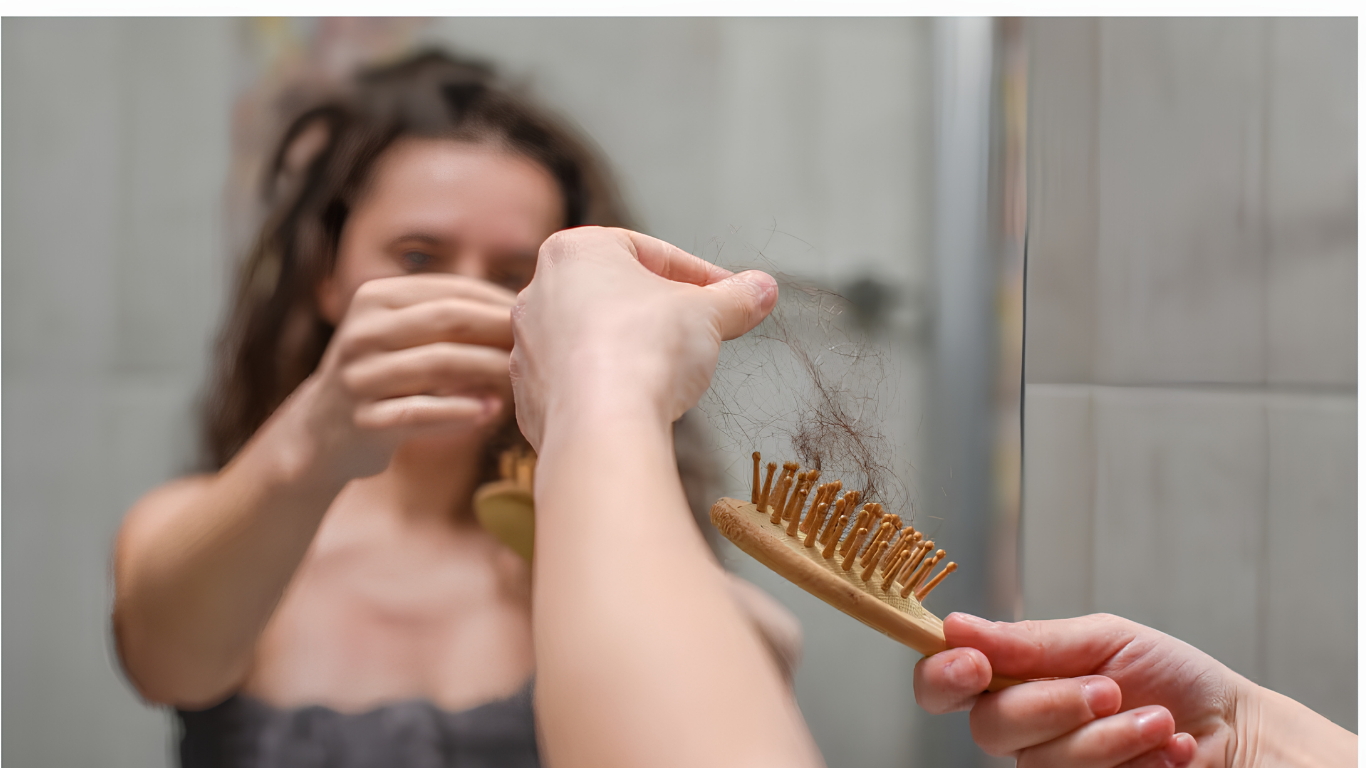


You walk into the kitchen and forget why you are there. Again.
Your partner asks a harmless question, and suddenly you feel irrationally irritated. Someone at work sends a mildly frustrating email, and your chest tightens with anger that feels far bigger than the situation deserves. At the same time, there are moments when you feel strangely flat, disconnected, or emotionally numb. You look at your own life and quietly think:
“I don’t feel like myself anymore.”
For many women, this thought becomes one of the most unsettling parts of menopause.
Not just the hot flushes. Not just the sleep disruption. But the feeling that something deeper has shifted inside you.
Many women find themselves caught off guard by how intensely they experience emotional blunting, rage, mood swings, and anxiety during menopause. Recognising these feelings as common can help women feel understood and less isolated in their experiences.
Some women describe feeling emotionally detached. Others feel overwhelmed by anger they barely recognise in themselves. Many feel exhausted, overstimulated, tearful, anxious, or like they’re not the person they used to be.
If you have been thinking, “I don’t feel like myself anymore” during menopause, know that hormonal shifts can affect the brain, nervous system, sleep, emotions, stress tolerance, and sense of self in very real ways, making these feelings understandable and valid.
At the same time, menopause often arrives during one of the busiest and emotionally demanding stages of life. Careers, caregiving, ageing parents, relationship strain, grief, burnout, changing bodies, and shifting identities can all collide at once.
This article explains why emotional blunting, rage, and identity changes during menopause happen, what science currently understands about the connection between hormones and emotional health, and what may help you feel more emotionally grounded again, showing that these changes are manageable.
Hormonal balance Quiz
Why Menopause Can Feel Emotionally Overwhelming
Menopause is not simply a reproductive transition. It is also a neurological, emotional, and psychological transition.
During perimenopause and menopause, levels of oestrogen and progesterone fluctuate and eventually decline. These hormones do far more than regulate periods.
They also interact closely with:
- Serotonin
- Dopamine
- GABA
- Cortisol
- Sleep regulation
- Stress response systems
- Brain temperature regulation
- Cognitive processing
- Emotional regulation
Oestrogen, in particular, influences neurotransmitters involved in mood stability, emotional resilience, motivation, and well-being.
When hormone levels become unpredictable, many women notice emotional symptoms such as:
- Increased irritability
- Sudden anger or rage
- Anxiety
- Emotional sensitivity
- Tearfulness
- Feeling emotionally “flat”
- Reduced motivation
- Loss of confidence
- Brain fog
- Reduced stress tolerance
- Emotional exhaustion
- Feeling disconnected from themselves
Importantly, this does not happen because women are weak or emotionally unstable.
These experiences are rooted in genuine biological changes happening alongside major life pressures.
According to the NHS and the British Menopause Society, psychological symptoms are recognised features of menopause and can significantly affect quality of life.
Emotional Blunting During Menopause: “I Feel Numb”
One of the least talked-about experiences is emotional blunting.
Many women expect mood swings. Fewer expect emotional numbness.
Some describe it as:
- Feeling emotionally disconnected
- Losing excitement or joy
- Not caring about things they used to love
- Feeling detached from relationships
- Struggling to feel emotionally present
- Feeling like they are “watching life happen”
- Losing motivation or emotional energy
For some women, this can feel frightening. Especially if they have always been emotionally expressive, engaged, caring, or energetic.
Several factors may contribute to emotional blunting during menopause:
i. Hormonal fluctuations
Changing oestrogen levels can affect serotonin and dopamine pathways involved in emotional responsiveness, pleasure, and reward.
ii. Chronic stress overload
Many midlife women are operating under enormous mental and emotional pressure for years before menopause symptoms become obvious.
Eventually, the nervous system can shift into emotional shutdown or exhaustion.
iii. Sleep deprivation
Poor sleep profoundly affects emotional processing.
Night sweats, insomnia, anxiety, and fragmented sleep can leave the brain emotionally depleted.
iv. Depression or anxiety
Menopause can increase vulnerability to anxiety and depression, especially in women with previous mental health histories.
However, emotional blunting does not always mean clinical depression. Sometimes women feel emotionally depleted and neurologically overwhelmed.
Persistent numbness, hopelessness, or loss of pleasure should always be discussed with a healthcare professional to empower women to seek support confidently.
Menopause Rage: “Why Am I So Angry?”
One of the most validating things many women hear is this:
Menopause rage is real.
Not everyone experiences it, but for those who do, it can feel intense and unfamiliar.
Women often describe:
- Explosive irritation
- Sudden anger
- Feeling overstimulated by noise or demands
- Losing patience quickly
- Feeling constantly “on edge”
- Rage followed by guilt or shame
- Emotional overwhelm from small triggers
This anger is often misunderstood.
Women may blame themselves and think:
- “What is wrong with me?”
- “I used to be patient.”
- “I don’t recognise myself anymore.”
Yet menopause rage is often linked to a combination of:
- Hormonal shifts
- Sleep deprivation
- Cognitive overload
- Chronic stress
- Anxiety
- Emotional burnout
- Years of suppressed needs and emotional labour
For some women, menopause becomes the stage where emotional tolerance finally runs out.
The nervous system becomes less able to absorb constant pressure.
This is not an excuse for harmful behaviour, but it is an important explanation.
Understanding the biological and psychological context can reduce shame and help women seek support earlier.
Identity Changes During Menopause
The phrase “I don’t feel like myself anymore” during menopause often goes beyond symptoms.
Many women are grieving changes they cannot fully explain.
Menopause can challenge identity in deeply personal ways.
Some women feel:
- Less confident
- Less attractive
- Less emotionally resilient
- Less capable at work
- Disconnected from their sexuality
- Frustrated by changes in memory or concentration
- Uncertain about who they are becoming
At the same time, life circumstances may also be shifting.
Children may be growing up or leaving home. Careers may feel draining or unsatisfying. Relationships may change. Ageing becomes more visible. Parents may need care. Bodies change in ways society rarely prepares women for compassionately.
For many women, menopause becomes a period of emotional reckoning.
Not because women are “falling apart,” but because years of caregiving, responsibility, pressure, perfectionism, and emotional suppression often catch up all at once.
This emotional disorientation is more common than many realise.
And importantly, it does not mean you are losing yourself forever.
PCOS Symptoms: Early Signs, Diagnosis, and When to Get Checked
Why So Many Women Feel Dismissed
Unfortunately, many women seeking help for menopause-related emotional symptoms are still dismissed.
Some are told they are:
- “Just stressed”
- “Too emotional”
- “Depressed”
- “Overreacting”
- “Getting older”
Others are prescribed antidepressants without anyone discussing hormonal changes, sleep disruption, or perimenopause.
While antidepressants absolutely help some women, emotional symptoms during menopause deserve a fuller conversation.
Women should not have to fight to be believed.
The Royal College of Obstetricians and Gynaecologists and NICE both recognise that menopause can significantly affect mental well-being.
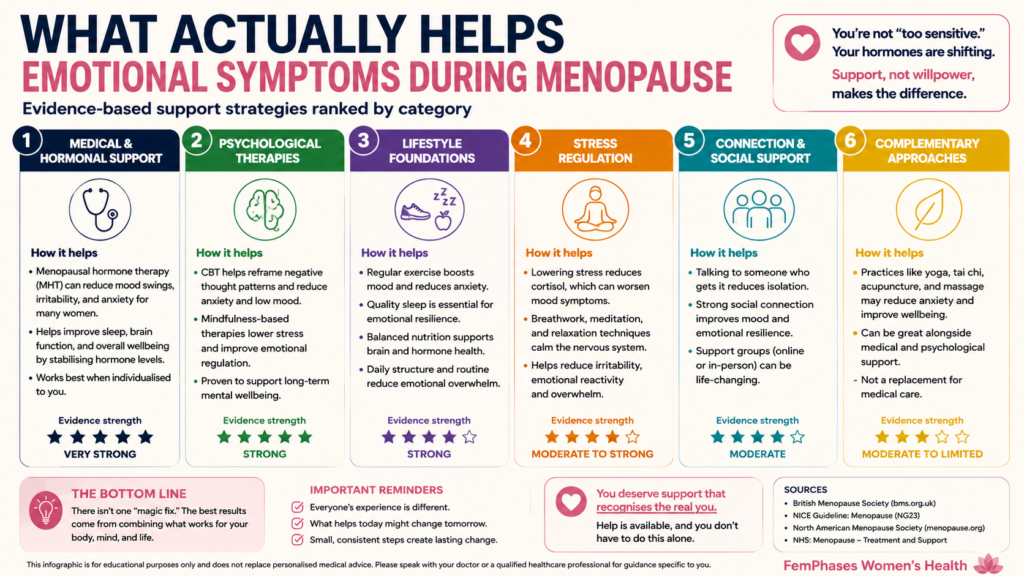
What Can Help Emotional Symptoms During Menopause?
There is no single solution that works for every woman.
However, emotional symptoms during menopause are treatable and manageable.
Support often works best when it addresses both biology and emotional well-being.
1. Understanding What Is Happening
For many women, simply learning that emotional blunting, rage, and identity changes during menopause are recognised experiences can reduce fear significantly.
Clarity reduces shame.
Understanding helps women stop blaming themselves.
2. Prioritising Sleep
Sleep disruption can intensify almost every menopause symptom.
Poor sleep affects:
- Mood
- Emotional regulation
- Anxiety
- Concentration
- Stress tolerance
- Memory
- Anger
Helpful strategies may include:
- Reducing alcohol close to bedtime
- Keeping bedrooms cool
- Managing caffeine intake
- Consistent sleep routines
- Treating night sweats if present
- Seeking help for insomnia
If sleep problems are severe or persistent, a medical assessment is important.
3. Hormone Replacement Therapy (HRT)
For some women, Hormone Replacement Therapy can significantly improve emotional symptoms, especially when symptoms are linked to fluctuating hormones.
Research suggests HRT may help improve:
- Mood stability
- Sleep
- Anxiety
- Irritability
- Quality of life
However, HRT is not suitable for everyone.
Benefits and risks depend on:
- Medical history
- Age
- Timing
- Type of menopause
- Personal risk factors
This is why personalised medical guidance matters.
Avoid online claims presenting HRT as either a miracle cure or something universally dangerous. The reality is more nuanced.
4. Psychological Support
Therapy can be incredibly valuable during menopause.
Especially when women are coping with:
- Anxiety
- Depression
- Identity shifts
- Relationship stress
- Emotional overwhelm
- Burnout
- Trauma history
- Chronic caregiving stress
Cognitive Behavioural Therapy (CBT) has evidence supporting its use for menopause-related symptoms, particularly anxiety, mood symptoms, and sleep difficulties.
Therapy is not about “fixing” women.
Often, it provides space to process enormous life changes while learning practical coping strategies.
5. Nervous System Regulation
Many women in menopause feel chronically overstimulated.
The nervous system becomes more reactive when sleep, hormones, stress, and emotional load are all under pressure.
Gentle nervous system support can help.
This does not need to look perfect or complicated.
Helpful practices may include:
- Walking outdoors
- Regular movement
- Strength training
- Yoga or stretching
- Breathing exercises
- Reducing constant multitasking
- Taking sensory breaks
- Spending time alone without demands
- Social connection
- Rest without guilt
Small, consistent changes often help more than extreme wellness routines.
6. Medical Assessment Matters
Not every emotional symptom is automatically caused by menopause.
It is important to rule out other health conditions that can overlap with menopause symptoms, including:
- Thyroid disorders
- Vitamin deficiencies
- Anaemia
- Depression
- Anxiety disorders
- Sleep disorders
- Medication side effects
If something feels significantly wrong, worsening, or frightening, seek professional support.
Myth: “Menopause Turns Women Into Angry, Emotional People”
This stereotype is unfair and deeply harmful.
Menopause does not “ruin” women.
Many women actually become:
- More self-aware
- More assertive
- More emotionally honest
- More protective of their energy
- Less willing to tolerate chronic stress or unequal emotional labour
Sometimes what appears as “menopause rage” is also years of emotional exhaustion, finally becoming impossible to ignore.
That does not mean every emotional reaction is healthy or justified.
However, women deserve compassion and proper support, not ridicule.
Practical Daily Takeaways
If you currently feel emotionally unlike yourself, these reminders may help:
- You are not imagining this.
- Hormonal changes can affect emotional well-being.
- Emotional blunting and rage during menopause are common.
- Sleep deprivation amplifies emotional symptoms.
- Chronic stress matters.
- You do not have to “push through” alone.
- Support is available.
- Your personality has not disappeared.
- This stage will not feel exactly like this forever.
Sometimes the goal is not to become your “old self” again.
Sometimes it is learning how to care for the version of yourself that is emerging now.
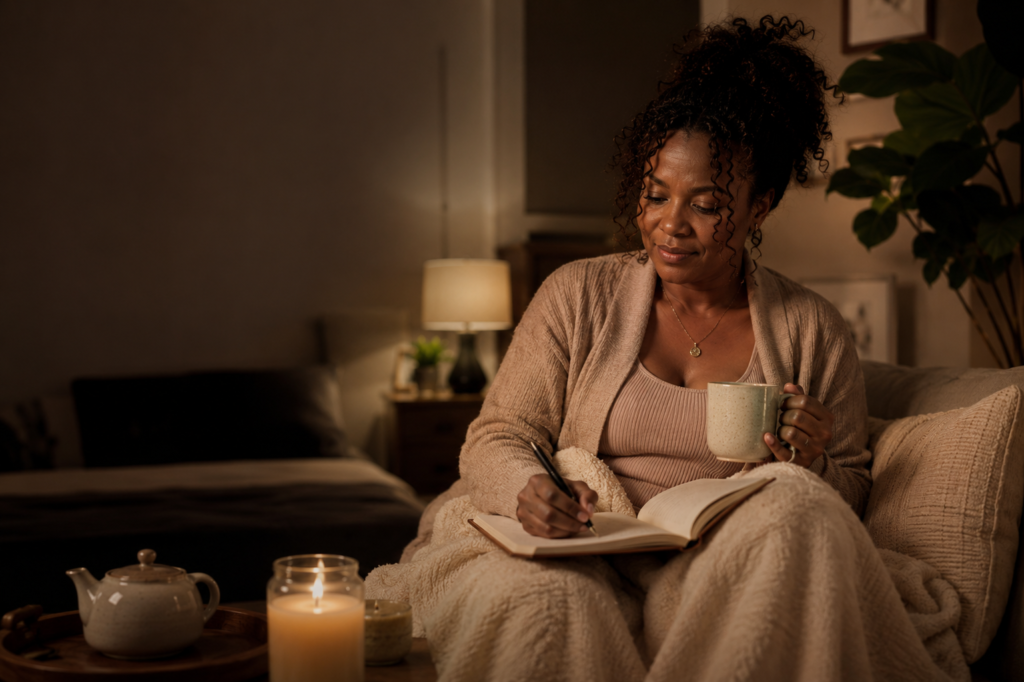
When to Seek Professional Help
Please seek medical support if you experience:
- Persistent low mood
- Severe anxiety
- Panic attacks
- Hopelessness
- Thoughts of self-harm
- Severe sleep disruption
- Intense emotional distress
- Symptoms affecting work or relationships significantly
- Sudden personality changes
- Symptoms that feel frightening or unmanageable
You deserve support early, not only when things become unbearable.
Conclusion
If you keep thinking, “I don’t feel like myself anymore” during menopause, you are far from alone. Many women quietly experience emotional blunting, rage, overwhelm, anxiety, exhaustion, and identity shifts during this transition.
Yet these experiences are rarely discussed honestly. Menopause is not only physical. It can reshape emotions, stress tolerance, confidence, relationships, and the way women experience themselves internally. That can feel disorientating. Sometimes, it is even frightening.
However, understanding what is happening can bring enormous relief. You are not weak. You are not failing. You are not “too sensitive.”
And you are not losing your mind.
Your body and brain are moving through a major hormonal and neurological transition while you are still expected to function normally in a demanding world.
You deserve information that is compassionate, evidence-based, and realistic. Most importantly, you deserve support. With the right combination of medical care, emotional support, rest, education, and self-understanding, many women begin to feel more emotionally steady, connected, and hopeful again. Even if right now it feels difficult to imagine.
Medical Disclaimer
This article is for educational purposes only and does not replace personalised medical advice, diagnosis, or treatment. If you are worried about your symptoms, if your symptoms are getting worse, or if something does not feel right in your body, please speak with your doctor, nurse practitioner, gynaecologist, endocrinologist, or another qualified healthcare professional. Seek urgent medical help for severe, sudden, or concerning symptoms.