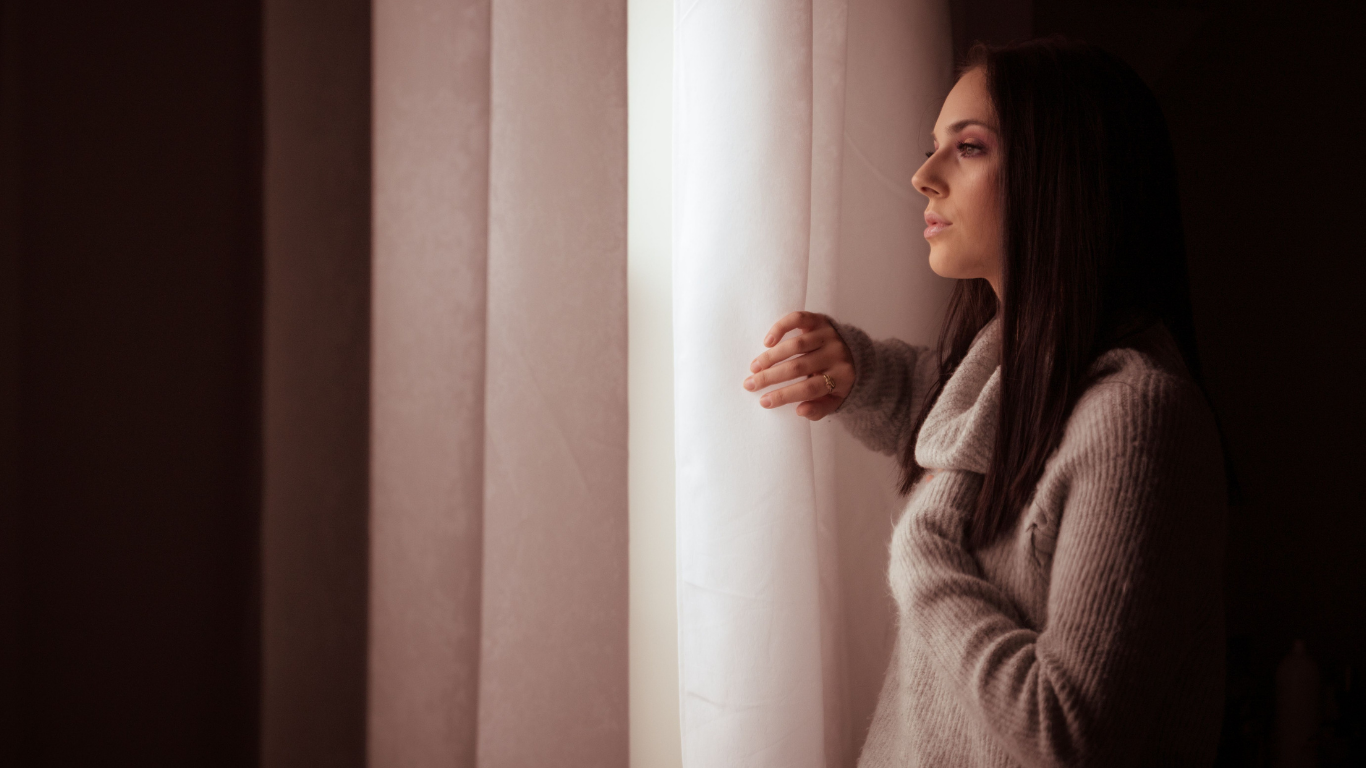


There are moments that many women recognise instantly.
You walk into a room and completely forget why you went there. You burst into tears over something small and then feel confused by your own reaction. You feel anxious for no obvious reason. You wake at 3 am with your heart racing and your mind spinning. You feel emotionally exhausted, yet somehow expected to function normally.
Then comes the quiet internal question many women carry for months, sometimes years:
“What is happening to me?”
For many women, the answer is more complicated than “stress” or “getting older.” Hormonal changes can affect the brain, leading to symptoms like depression, mood swings, or irritability. Yet emotional and psychological symptoms are often overlooked, minimised, or mistaken for personality changes, burnout, anxiety disorders, or simply “coping badly.”
The truth is that hormonal fluctuations can influence mood, sleep, emotional regulation, memory, energy levels, concentration, and even how safe or overwhelmed you feel in your own body.
That does not mean your emotions are “all hormonal.” It also does not mean you are imagining things.
It means your brain and body are deeply connected.
Understanding the signs your hormones may be affecting your mental health can help you feel more supported, confident, and less alone in what you are experiencing.
Overview
Hormones act like chemical messengers throughout the body. They influence everything from metabolism and reproduction to stress responses, sleep cycles, appetite, emotional processing, and brain function.
Several hormones are especially important for mental and emotional well-being, including:
- Oestrogen
- Progesterone
- Cortisol
- Thyroid hormones
- Testosterone
- Insulin
When these hormones fluctuate or become imbalanced, emotional symptoms can appear gradually or suddenly.
This can happen during:
- Perimenopause
- Menopause
- Pregnancy
- Postpartum recovery
- Menstrual cycles
- Chronic stress
- Thyroid disorders
- PCOS
- Sleep deprivation
- Long-term illness
- Significant life stress
What makes this difficult is that emotional symptoms are often invisible. Many women continue functioning outwardly while privately feeling unlike themselves.
Research increasingly shows strong links between hormonal health and emotional well-being, particularly during midlife hormonal transition. Studies have found that fluctuating oestrogen levels can affect serotonin, dopamine, stress regulation, and sleep quality — all of which influence mood and mental health.
You can learn more through trusted organisations, including the NHS Menopause Overview, British Menopause Society, NICE Menopause Guidance, and the Office on Women’s Health.
1. You Feel More Emotionally Sensitive Than Usual
One of the most common signs your hormones may be affecting your mental health is feeling emotionally “thinner.”
Things that once felt manageable suddenly feel overwhelming.
You may notice:
- Crying more easily
- Feeling emotionally reactive
- Becoming irritated quickly
- Feeling unusually vulnerable
- Struggling with rejection or criticism
- Feeling emotionally exhausted after ordinary interactions
Many women describe feeling as though their emotional resilience has disappeared overnight.
This can feel frightening, especially for women who are used to coping well under pressure.
Oestrogen plays an important role in serotonin regulation. During hormonal fluctuations — especially in perimenopause — serotonin activity may shift, affecting emotional stability and stress tolerance.
That emotional sensitivity is a common physiological change, not a sign of weakness or failure.
It is often a physiological change interacting with real-life stress.
2. Anxiety Appears Out of Nowhere
Many women are shocked by sudden anxiety during hormonal transition.
Especially if they have never struggled with anxiety before.
You may notice:
- Racing thoughts
- Chest tightness
- Feeling “on edge”
- Sudden panic sensations
- Overthinking constantly
- Increased health anxiety
- Feeling unsafe or unsettled
- Difficulty relaxing
Sometimes women describe it as feeling permanently overstimulated.
Hormonal changes can affect the nervous system, sleep quality, cortisol response, and neurotransmitters involved in emotional regulation.
Perimenopause, in particular, is associated with increased anxiety symptoms for many women.
Importantly, anxiety during hormonal shifts is real. It is not “dramatic,” attention-seeking, or imagined.
However, persistent or severe anxiety should always be assessed properly, so you can feel empowered to seek support and find relief.
3. Your Sleep Has Changed – And Your Mood Changed With It
Sleep disruption is one of the biggest but most underestimated signs that your hormones may be affecting your mental health.
Poor sleep affects:
- Emotional regulation
- Stress tolerance
- Memory
- Concentration
- Mood stability
- Anxiety levels
Hormonal changes can contribute to:
- Night waking
- Early morning waking
- Hot flushes
- Night sweats
- Restless sleep
- Heart palpitations at night
- Difficulty falling asleep
After enough disrupted nights, many women begin feeling emotionally depleted, foggy, irritable, or overwhelmed.
The body cannot regulate stress well without restorative sleep.
Sometimes women blame themselves for “not coping” when their nervous system is actually exhausted.
4. Brain Fog Makes You Feel Unlike Yourself
Brain fog can feel deeply unsettling.
You may struggle with:
- Forgetfulness
- Word-finding difficulties
- Poor concentration
- Mental fatigue
- Losing track of conversations
- Difficulty multitasking
- Feeling mentally slower than usual
This is another common sign that your hormones may be affecting your mental health, especially during perimenopause and menopause.
Many women quietly fear that something serious is wrong.
While brain fog should never automatically be dismissed, hormonal changes can absolutely influence cognition and memory.
Oestrogen affects several areas of brain function, including memory processing and cognitive performance.
Stress and poor sleep often worsen symptoms further.
5. You Feel Constantly Burnt Out
Sometimes hormonal changes amplify stress rather than create symptoms entirely on their own.
Women in midlife are often managing:
- Careers
- Parenting
- Caring responsibilities
- Financial stress
- Relationship strain
- Emotional labour
- Sleep deprivation
When hormonal fluctuations are added to an already overloaded nervous system, many women reach emotional exhaustion faster.
You may notice:
- Feeling emotionally numb
- Constant fatigue
- Reduced motivation
- Difficulty recovering from stress
- Feeling detached from yourself
- Loss of joy
- Increased overwhelm
This combination of chronic stress and hormonal change can feel physically and emotionally draining.
6. Your Mood Changes Around Your Cycle
For some women, emotional symptoms follow a noticeable hormonal pattern.
You may notice worsening:
- Anxiety
- Irritability
- Low mood
- Tearfulness
- Rage
- Sensitivity
- Exhaustion
before periods or during hormonal shifts.
Conditions like PMS and PMDD can significantly affect mental well-being.
Tracking symptoms can help identify patterns that many women previously thought were random. Keeping a simple journal of mood, sleep, cycle timing, energy levels, and physical symptoms can provide valuable insights and help you discuss your concerns with a healthcare provider.
Keeping a simple journal of:
- mood,
- sleep,
- cycle timing,
- energy levels,
- and physical symptoms
can sometimes reveal important hormonal connections.
7. You No Longer Feel Like Yourself
This is often the hardest symptom to describe.
Women frequently say:
- “I’ve lost myself.”
- “I don’t recognise myself anymore.”
- “I feel emotionally flat.”
- “I used to cope better.”
- “Everything feels harder.”
That emotional disconnect can feel lonely and frightening.
Hormonal shifts can affect identity indirectly because they influence:
- sleep,
- emotional regulation,
- confidence,
- cognition,
- energy,
- libido,
- and stress capacity.
When multiple symptoms happen together, women often feel emotionally overwhelmed before they fully understand what is happening.
Hormones and Mental Health: What Science Actually Says
There is growing recognition within medicine that hormonal changes influence emotional well-being.
Research shows links between fluctuating hormones and:
- depression,
- anxiety,
- sleep disturbance,
- cognitive symptoms,
- and emotional distress.
However, hormone health is complex.
Not every emotional symptom is caused solely by hormones.
Mental health is influenced by:
- biology,
- trauma,
- stress,
- relationships,
- environment,
- sleep,
- physical health,
- and life experiences.
The goal is not to blame hormones for every emotion.
The goal is to understand that hormones can be one important piece of the picture.
Signs You Should Speak With a Healthcare Professional
You deserve support if symptoms are affecting your quality of life.
Consider seeking medical advice if you experience:
- Persistent low mood
- Severe anxiety
- Panic attacks
- Significant sleep problems
- Suicidal thoughts
- Extreme mood changes
- Memory concerns
- Heavy periods
- Sudden emotional changes
- Symptoms interfering with daily life
A healthcare professional may explore:
- hormone changes,
- thyroid function,
- iron levels,
- vitamin deficiencies,
- sleep issues,
- mental health conditions,
- stress,
- or other underlying causes.
What Can Actually Help?
Support usually works best when it considers the whole person, not just hormones.
Evidence-Based Approaches May Include:
i. Lifestyle Support
- Regular movement
- Better sleep routines
- Reduced alcohol intake
- Balanced nutrition
- Stress management
- Nervous system regulation
- Rest and recovery
ii. Medical Support
Depending on symptoms and individual circumstances:
- Hormone Replacement Therapy (HRT)
- Cognitive Behavioural Therapy (CBT)
- Anxiety or depression treatment
- Thyroid treatment
- Sleep support
- Management of heavy bleeding or iron deficiency
iii. Emotional Support
- Therapy
- Support groups
- Honest conversations
- Reduced self-blame
- Education and reassurance
Many women feel significantly better once they understand what is happening in their bodies.
Clarity itself can reduce fear.
Myths That Often Make Women Feel Worse
a. “It’s all in your head.”
False.
Hormonal changes can genuinely affect brain chemistry, sleep, stress responses, and emotional regulation.
b. “You’re just not coping well.”
Also false.
Many women experiencing hormonal shifts are carrying enormous invisible loads while functioning at a very high level.
c. “Mood symptoms during perimenopause are rare.”
Not true.
Emotional symptoms are extremely common during hormonal transition.
d. “You should just push through it.”
You deserve support, not survival mode.
Practical Things You Can Start Doing This Week
1. Track symptoms gently
Patterns matter.
2. Prioritise sleep where possible
Even small improvements help emotional regulation.
3. Reduce self-judgement
Your nervous system may be overloaded, not failing.
4. Book a medical review if symptoms persist
Especially if symptoms are new, severe, or worsening.
5. Stop minimising your experience
You do not need to wait until you are completely burnt out to deserve help.
Conclusion
If you have been feeling emotionally unlike yourself lately, you are not alone.
Many women spend months quietly wondering why they suddenly feel more anxious, more exhausted, more forgetful, or emotionally overwhelmed.
Understanding the signs that your hormones may be affecting your mental health does not mean dismissing your emotions.
It means recognising that the brain and body work together.
Sometimes what feels like “losing yourself” is actually your body asking for support, rest, understanding, and proper care.
You deserve answers that are compassionate, evidence-based, and grounded in reality.
And you deserve to feel heard.
Medical Disclaimer
This article is for educational purposes only and does not replace personalised medical advice, diagnosis, or treatment. If you are worried about your symptoms, if your symptoms are getting worse, or if something does not feel right in your body, please speak with your doctor, nurse practitioner, gynaecologist, endocrinologist, or another qualified healthcare professional. Seek urgent medical help for severe, sudden, or concerning symptoms.