Femphases: Helping women understand hormones, emotions, and midlife health.

Trust Bar Marquee

Hormonal Health

How to Handle a Sudden Hot Flash During an Important Meeting

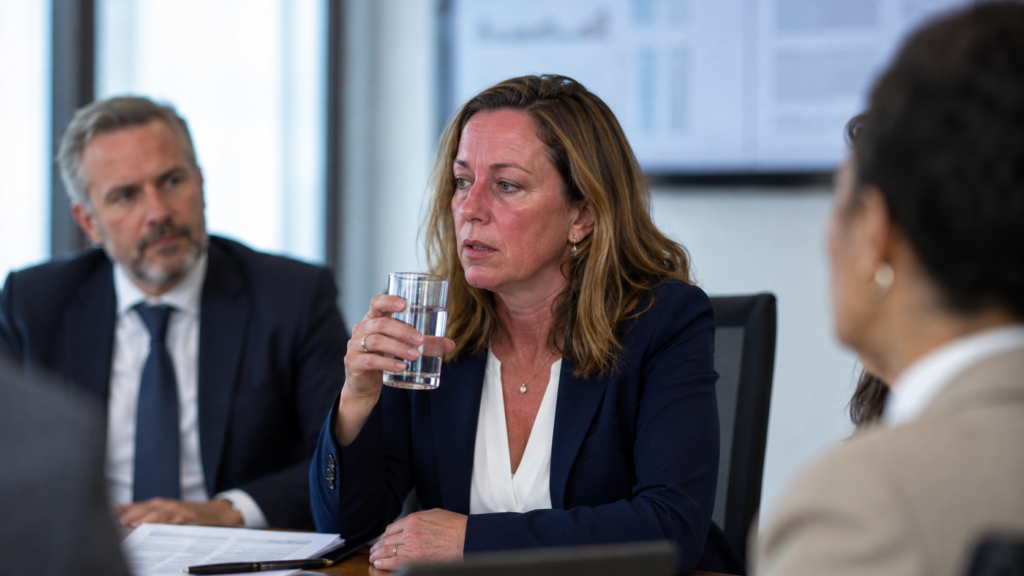
Introduction Hot flashes have a way of appearing at the worst possible moments. If you’ve ever wondered how to handle a sudden hot flash in the middle of an important meeting, you’re certainly not alone. Many women navigating perimenopause and menopause find themselves suddenly overwhelmed by intense heat, sweating, facial flushing, and discomfort while presenting, speaking, interviewing, or participating in professional discussions. The good news is that there are effective strategies to help you manage these episodes confidently. Understanding how to handle a sudden hot flash during an important meeting can reduce anxiety, improve comfort, and help you stay focused when it matters most. The Overview Hot flashes, sometimes called hot flushes, are among the most common symptoms of menopause and perimenopause. According to the NHS and major menopause societies, approximately 70–80% of women experience vasomotor symptoms during the menopause transition. A hot flash is a sudden sensation of intense heat that typically affects the face, neck, chest, and upper body. It often occurs alongside: Sweating Facial redness Increased heart rate Feelings of anxiety or embarrassment Chills after the episode passes While hot flashes are not dangerous, they can be disruptive, particularly in professional settings where concentration and confidence are important. For many women, workplace symptoms remain under-recognised despite growing awareness around menopause and women’s health. The In-Depth Study Why Do Hot Flashes Happen? Current research suggests that fluctuating oestrogen levels affect the hypothalamus, a region of the brain responsible for regulating body temperature. As hormone levels change, the body’s internal thermostat becomes more sensitive to minor temperature shifts. This can trigger a rapid heat-dissipation response, causing: Blood vessel widening (vasodilation) Increased skin temperature Sweating Flushing The Role of Perimenopause Perimenopause is the transitional period before menopause when hormone levels fluctuate significantly. Women may begin experiencing hot flashes years before their final menstrual period. Symptoms can vary in frequency and intensity from person to person. Stress and Hot Flashes Research increasingly suggests a two-way relationship between stress and vasomotor symptoms. Stress may: Trigger hot flashes Increase symptom severity Heighten awareness of symptoms Make recovery more difficult This is particularly relevant in workplace situations where performance pressure already exists. What Happens During a Meeting? When a hot flash occurs during an important meeting, the body may experience: Sudden heat sensation Visible facial flushing Increased perspiration Temporary concentration difficulties Heightened self-consciousness These symptoms can feel alarming but are usually temporary, lasting between one and five minutes. Signs and Symptoms Recognising early warning signs can help you respond quickly. Early Signs You may notice: Warmth rising through the chest Facial tingling Neck warmth Increased perspiration Mild anxiety Sudden feeling of overheating Common Symptoms During a Hot Flash Intense body heat Sweating Reddening of the face Racing heartbeat Brain fog Difficulty concentrating Symptoms That May Need Medical Assessment Speak with a healthcare professional if you experience: New symptoms that seem unusual Severe palpitations Chest pain Persistent dizziness Symptoms affecting daily life significantly A Note on Self-Advocacy Many women minimise menopause symptoms because they fear being dismissed or judged. If symptoms are affecting your work, sleep, mental health, or quality of life, you deserve support. Menopause symptoms are legitimate health concerns, and effective treatments are available. Diagnosis and Treatment How Are Hot Flashes Diagnosed? Diagnosis is usually based on: Symptom history Menstrual history Age and menopause stage Associated symptoms Hormone testing is not routinely required for most women over age 45, according to NICE guidance. Hormone Replacement Therapy (HRT) Hormone Replacement Therapy (HRT) remains the most effective treatment for menopausal hot flashes. Benefits may include: Reduced hot flashes Improved sleep Better quality of life Reduced night sweats Treatment suitability varies based on personal medical history. Non-Hormonal Medical Treatments Some women may benefit from: Certain antidepressants (SSRIs/SNRIs) Gabapentin Fezolinetant (where available and clinically appropriate) These treatments should always be discussed with a healthcare professional. Workplace Management Strategies Women experiencing frequent workplace symptoms may benefit from: Flexible temperature control Access to water Breaks when needed Layered clothing Remote working options were possible Barriers Workplace Stigma Many women report feeling embarrassed discussing menopause symptoms at work. Fear of appearing: Less competent Less capable Less professional can prevent women from seeking support. Lack of Awareness Managers and colleagues may not understand how menopause affects concentration, comfort, and confidence. Delayed Diagnosis Some women experience symptoms for years before receiving appropriate menopause care. Healthcare Access Challenges Access to menopause specialists and evidence-based treatment can vary by location and healthcare system. Solutions & Support What to Do Immediately During a Hot Flash If you’re wondering how to handle a sudden hot flash in the middle of an important meeting, try these practical steps: Take slow, controlled breaths Sip cool water Remove a layer of clothing if possible Focus on your message rather than the symptom Use a discreet handheld fan Keep posture relaxed Remember that most hot flashes pass within a few minutes. Breathing Techniques Research suggests paced breathing may help reduce symptom distress. Try: Inhale for 4 seconds Exhale for 6 seconds Repeat for 1–2 minutes Lifestyle Approaches Helpful strategies may include: Regular exercise Weight management where appropriate Sleep optimisation Limiting smoking Reducing excessive alcohol intake Stress management Clinical Treatments Versus Lifestyle Support Clinical Treatments Lifestyle Support HRT Regular exercise Non-hormonal medication Stress reduction Specialist menopause care Sleep improvement Symptom monitoring Trigger identification Most women benefit from a combination of approaches rather than relying on one intervention alone. Building a Workplace Hot Flash Plan Consider: Keeping a water bottle nearby Dressing in layers Using breathable fabrics Sitting near ventilation where possible Preparing a short pause statement Examples: “Give me one moment while I grab some water.” “Let me take a quick pause before continuing.” Most people will not notice your symptoms nearly as much as you think. Conclusion Learning how to handle a sudden hot flash in the middle of an important meeting is about preparation, self-compassion, and understanding what is happening in your body. Hot flashes can feel disruptive, but they do not define your competence, intelligence, or professional

How to Handle a Sudden Hot Flash During an Important Meeting Read More »

Vitamin D3 and K2 for Bone Health

Introduction Bone health is one of those things many women only think about after a scan, a fracture, or a quiet comment from a doctor: “Your bone density is lower than expected.” But your bones are not fixed structures. They are living tissue, constantly breaking down and rebuilding. That is why Vitamin D3 and K2 for bone health matter so much, especially during perimenopause, menopause, postmenopause, pregnancy, breastfeeding, and later life. Vitamin D3 helps your body absorb and regulate calcium. Vitamin K2 helps activate proteins that direct calcium into bone tissue. Think of D3 as helping calcium get through the door, and K2 as helping guide it to the right room. That does not mean everyone needs high-dose supplements, and it certainly does not mean supplements cure osteoporosis. But it does mean that Vitamin D3 and K2 for bone health deserve a thoughtful, evidence-based conversation. The Overview Bone health becomes especially important for women because oestrogen supports bone remodelling, the normal cycle in which old bone is broken down and new bone is formed. As oestrogen levels fluctuate and decline during perimenopause and menopause, bone loss can speed up. This is one reason osteoporosis is more common after menopause. Osteoporosis means bones have become more fragile, increasing the chance of fractures, especially in the hip, spine, and wrist. Osteopenia means bone density is lower than expected but not low enough to be diagnosed as osteoporosis. Vitamin D has a well-established role in bone health because it helps regulate calcium and phosphate. NHS guidance states that these nutrients are needed to keep bones, teeth, and muscles healthy. (nhs.uk) Vitamin K2 is less widely discussed in standard public guidance. Still, growing research suggests it may support bone metabolism by activating vitamin K-dependent proteins such as osteocalcin, which binds calcium in bone. (MDPI) So when people talk about Vitamin D3 and K2 for bone health, the real message is this: bones need nutrients, hormones, movement, and medical risk assessment working together. The In-Depth Study How Vitamin D3 Supports Bone Strength Vitamin D3, also called cholecalciferol, is one of the main forms of vitamin D used in supplements. It helps the gut absorb calcium from food and supplements. Without enough vitamin D, your body may struggle to maintain healthy calcium levels, and over time, this can weaken bones. The NIH explains that 25-hydroxyvitamin D, often written as 25(OH)D, is the main blood test used to assess vitamin D status. The NIH also notes that levels of 50 nmol/L (20 ng/mL) are considered sufficient for most people, while the risk of deficiency rises below 30 nmol/L (12 ng/mL). (Office of Dietary Supplements) This matters because many women are told to “just take calcium,” but calcium alone is not the whole story. Your body needs enough vitamin D to absorb and use calcium effectively. How Vitamin K2 Helps Calcium Go Where It Is Needed Vitamin K2 belongs to the vitamin K family. It is found in forms called menaquinones, including MK-4 and MK-7. Vitamin K2 helps activate proteins such as osteocalcin, a protein made by bone-building cells called osteoblasts. Activated osteocalcin helps bind calcium into the bone matrix. A 2024 review in Nutrients describes vitamin K as necessary for the carboxylation of osteocalcin and matrix Gla protein, both of which are involved in calcium handling and bone mineralisation. (MDPI) A 2024 systematic review and meta-analysis also found that vitamin K, especially K2, may help maintain or increase lumbar spine bone mineral density. However, the quality of the evidence and the populations studied vary. (PMC) That is why Vitamin D3 and K2 for bone health are often described as a “power couple”: D3 supports calcium absorption, while K2 supports calcium-related bone proteins. Why This Does Not Mean “More Is Better” More is not always better with supplements. Vitamin D is fat-soluble, which means excess amounts can build up. The NIH warns that vitamin D toxicity can cause high calcium levels, kidney problems, soft tissue calcification, abnormal heart rhythms, and other serious effects, usually from excessive supplement intake. (Office of Dietary Supplements) The Endocrine Society’s 2024 guideline also takes a cautious approach. It states that most healthy adults under 75 are unlikely to benefit from taking more than the recommended daily allowance of vitamin D, and that routine vitamin D testing is not needed for most healthy people. (Endocrine) So yes, Vitamin D3 and K2 for bone health can be important. But safe, personalised use matters. Menopause, Oestrogen, and Bone Loss During menopause, declining oestrogen can increase bone turnover. This means bone may be broken down faster than it is rebuilt. This is why conversations about bone health often become more urgent in the 40s, 50s, and beyond. The British Menopause Society states that adequate dietary or supplemental calcium and vitamin D are part of osteoporosis management, while also making clear that calcium and vitamin D alone have mixed evidence for reducing fractures and should not be seen as the only treatment. (British Menopause Society) For some women, medical treatments such as hormone replacement therapy, bisphosphonates, denosumab, or other osteoporosis medicines may be appropriate. Nutrients are foundational, but they are not a substitute for clinically indicated treatment. Signs and Symptoms Low vitamin D, low calcium intake, and declining bone density can be silent for years. Many women feel completely well until they have a fracture or a bone density scan. a. Possible Signs of Low Vitamin D Some people with low vitamin D may notice: Bone aches or tenderness Muscle weakness Fatigue Increased falls or poor muscle function Low mood, although this is non-specific Slow recovery from aches and pains These symptoms can also come from many other causes, including thyroid problems, anaemia, menopause-related sleep disruption, inflammatory conditions, medication side effects, or stress. That is why symptoms should be assessed rather than guessed. b. Possible Signs of Bone Loss Osteopenia and osteoporosis often do not cause symptoms early on. Warning signs may include: A fracture from a minor fall Loss of height over time New spinal curvature

Vitamin D3 and K2 for Bone Health Read More »

Can Acupuncture Reduce Severe Hot Flashes?

Introduction If you have ever been sitting calmly, minding your own business, and suddenly felt heat rush through your chest, neck, and face as if someone had turned your internal thermostat up too high, you are not imagining it. Severe hot flashes can feel disruptive, embarrassing, exhausting, and sometimes frightening. So it makes sense to ask: Can acupuncture safely reduce the frequency of severe hot flashes? The honest answer is that acupuncture may help some people reduce the frequency and severity of hot flashes, but the evidence is mixed. It should be viewed as a complementary option rather than a replacement for evidence-based menopause care. Current evidence suggests that acupuncture may be more effective than no treatment. Still, it has not consistently outperformed sham acupuncture in clinical trials, which makes it difficult to separate the specific needle effect from placebo, relaxation, attention, and therapeutic context. The NIH’s National Centre for Complementary and Integrative Health notes that acupuncture is generally considered safe when performed by a qualified practitioner, but appears less effective than hormone therapy for reducing hot flashes. (NCCIH) The Overview Hot flashes, also called vasomotor symptoms, are sudden episodes of heat, flushing, sweating, and sometimes chills or palpitations. “Vasomotor” means symptoms involving blood vessel widening and narrowing, which affect heat regulation. During perimenopause and menopause, fluctuating and declining oestrogen can affect the brain’s temperature-control centre, especially the hypothalamus. That temperature window narrows, so small changes in body temperature can trigger sweating, flushing, and a rush of heat. For some women, hot flashes are occasional and manageable. For others, they are intense, frequent, sleep-disrupting, and deeply draining. This is where the question “Can acupuncture safely reduce the frequency of severe hot flashes?” becomes clinically important. NICE guidance covers menopause identification and management and aims to improve consistent support and treatment choices for people experiencing menopause. Its menopause guideline was last reviewed in April 2026. (NICE) The NHS also lists hormone replacement therapy, cognitive behavioural therapy, clonidine, and some antidepressants as options that may be considered for hot flushes and night sweats depending on the person’s needs and suitability. (nhs.uk) The In-Depth Study What does the research say about acupuncture and hot flashes? The clinical picture is cautious but not dismissive. Research suggests acupuncture may reduce hot flash frequency and severity compared with no treatment, but results are less convincing when acupuncture is compared with sham acupuncture. Sham acupuncture is a research comparison where needles may be placed superficially, in non-traditional points, or using devices that mimic needling. A clinical evidence update concluded that acupuncture improves menopausal hot flashes compared with no treatment, but not compared with sham acupuncture. That matters because hot flashes are highly responsive to expectation, attention, relaxation, and placebo effects in many clinical trials. (PubMed) So, can acupuncture safely reduce the frequency of severe hot flashes? For some people, yes, it may reduce symptom burden. But it is best framed as a possible supportive therapy, not a guaranteed treatment. How might acupuncture work? Acupuncture involves placing very fine needles into specific points on the body. From a biomedical perspective, possible mechanisms include effects on: The nervous system, including calming sympathetic “fight-or-flight” activity Pain and temperature signalling pathways Endorphins, the body’s natural pain-modulating chemicals Stress regulation, which can influence hot flash perception and sleep quality Sleep and relaxation, which may indirectly reduce symptom distress Traditional acupuncture also uses concepts such as energy flow or “qi.” Still, in medical writing, it is important to explain that current clinical evidence is usually assessed by symptom outcomes, not by traditional theory alone. Is acupuncture as effective as HRT? No, based on current consensus, acupuncture should not be presented as equal to hormone therapy for moderate to severe vasomotor symptoms. The NCCIH states that acupuncture appears less effective than hormone therapy for reducing hot flash frequency. (NCCIH) Hormone replacement therapy, or HRT, remains one of the most effective treatments for menopausal vasomotor symptoms for many suitable candidates. NICE and NHS guidance support discussing HRT as a main treatment option, with individualised benefit-risk assessment. (NICE) What about people who cannot or do not want HRT? This is where acupuncture may be worth discussing. Some women cannot use HRT because of specific medical histories, while others choose not to. Non-hormonal options may include CBT, selected medications, and newer targeted treatments such as neurokinin-3 receptor antagonists where available and appropriate. The British Menopause Society’s 2025 consensus statement highlights the importance of non-hormonal and alternative treatment discussions because many women seek these options, sometimes before seeking medical help. (British Menopause Society) How to Handle a Sudden Hot Flash at Work Signs and Symptoms i. What severe hot flashes can feel like Severe hot flashes may include: Sudden intense heat in the face, neck, chest, or whole body Sweating that soaks clothing or bedding Facial flushing Racing heart or palpitations Anxiety-like sensations during the episode Chills after the heat passes Night sweats that interrupt sleep Fatigue, irritability, or brain fog the next day When asking “Can acupuncture safely reduce the frequency of severe hot flashes?”, it helps first to track the pattern. Frequency, severity, timing, triggers, and sleep disruption give you and your clinician a clearer picture. ii. When symptoms need medical review Hot flashes are common during perimenopause and menopause, but not every heat episode is hormonal. Speak with a healthcare professional if symptoms are new, worsening, unusual, or accompanied by: Chest pain or fainting Unexplained weight loss Fever or signs of infection Heavy or unexpected bleeding Severe palpitations Night sweats unrelated to menopause Symptoms before age 40 A history of breast cancer, blood clots, heart disease, thyroid disease, or other complex conditions Medical advocacy matters. If you feel dismissed, it is reasonable to say: “These symptoms are affecting my sleep, work, mood, and daily function. I want a full assessment and a treatment discussion.” Diagnosis and Treatment i. How clinicians assess hot flashes For most women over 45, menopause and perimenopause are usually assessed based on symptoms and menstrual changes rather than routine hormone

Can Acupuncture Reduce Severe Hot Flashes? Read More »

Why Is My Cycle Suddenly Shorter? Early Hormonal Changes in Your 40s

Introduction Why is my cycle suddenly shorter? It is one of the most common questions women begin asking in their late 30s and 40s. If your menstrual cycle used to arrive every 28 to 30 days and now seems to appear every 21 to 25 days, you are not imagining it. Many women notice subtle changes long before they experience classic menopause symptoms such as hot flushes or missed periods. These early shifts often represent the beginning of the menopause transition, also called perimenopause. Perimenopause refers to the years leading up to menopause when hormone production becomes less predictable. While menopause is officially diagnosed after 12 consecutive months without a period, hormonal changes can begin years earlier. For many women, a shorter cycle is one of the first noticeable signs that reproductive hormones are changing. Understanding why your cycle suddenly becomes shorter can help reduce anxiety, improve symptom awareness, and support informed conversations with healthcare professionals. According to guidance from the NHS, cycle changes are among the earliest and most common signs of perimenopause. The British Menopause Society and ACOG provide similar recommendations. The In-Depth Study What Happens to Hormones in Your Late 30s and 40s? The ovaries gradually become less responsive to hormonal signals from the brain. The menstrual cycle relies on a complex communication system involving: Oestrogen Progesterone Follicle-Stimulating Hormone (FSH) Luteinising Hormone (LH) As ovarian function changes, hormone levels begin fluctuating more dramatically from month to month. Unlike popular belief, hormones do not simply decline in a straight line. During early perimenopause, hormone levels often become more erratic before they eventually decrease. These fluctuations can affect: Cycle length Period flow Sleep quality Mood Energy levels Body temperature regulation Why Does a Cycle Become Shorter? When women ask, “Why is my cycle suddenly shorter?”, the answer often relates to changes in ovulation. In early perimenopause: Follicles may mature more quickly. Ovulation may occur earlier. Progesterone production may become less consistent. The interval between periods shortens. Instead of a 28-day cycle, periods may arrive every: 26 days 24 days 22 days Sometimes even 21 days Research published through menopause societies and endocrine organisations continues to show that shorter menstrual cycles are frequently among the earliest measurable markers of reproductive ageing. Oestrogen Fluctuations Can Be Significant Many women assume symptoms occur because oestrogen is low. In reality, early perimenopause often involves dramatic fluctuations in oestrogen levels. This can contribute to: Breast tenderness Heavy bleeding Anxiety Mood swings Headaches Bloating Sleep disruption These symptoms may occur even during regular menstrual periods. The Menopause Transition Starts Earlier Than Many Women Realise Many women expect menopause symptoms to begin in their 50s. However, research shows that hormonal changes commonly begin between the ages of 35 and 45. Women frequently report: Feeling “different” Reduced stress tolerance Poor recovery from exercise More pronounced PMS symptoms Unexpected fatigue Unfortunately, these experiences are often dismissed as normal ageing, stress, or lifestyle factors alone. Symptoms, diagnosis & Barriers Signs Your Shorter Cycle May Be Hormone-Related If you are wondering, “Why is my cycle suddenly shorter?”, look for patterns alongside menstrual changes. Common symptoms include: Menstrual Changes Shorter cycles Heavier periods Spotting between periods Irregular timing Longer bleeding episodes Physical Symptoms Night sweats Hot flushes Breast tenderness Joint aches Migraines Weight redistribution Emotional Symptoms Increased anxiety Irritability Low mood Feeling overwhelmed Reduced resilience to stress Cognitive Symptoms Brain fog Forgetfulness Difficulty concentrating When Should You See a Healthcare Professional? Not all cycle changes are caused by perimenopause. Medical evaluation is important if you experience: Bleeding after sex Extremely heavy bleeding Bleeding between periods Pelvic pain Significant cycle changes before age 40 Symptoms affecting quality of life Other conditions can cause cycle changes, including: Thyroid disorders Polycystic Ovary Syndrome (PCOS) Fibroids Endometriosis Adenomyosis Certain medications Why Diagnosis Can Be Challenging Perimenopause remains under-recognised. Many women spend years seeking answers because: Hormone levels fluctuate daily. Blood tests may appear “normal.” Symptoms overlap with stress and mental health conditions. Many women are still having regular periods. Current guidance from the NICE Menopause Guideline recommends that diagnosis in women over 45 is often based primarily on symptoms rather than hormone testing alone. Advocating for Yourself Tracking symptoms can provide valuable information. Consider recording: Cycle length Bleeding patterns Sleep quality Mood changes Hot flushes Energy levels Keeping a symptom diary can help healthcare professionals identify trends more effectively. Solutions & Support 1. Lifestyle Approaches That Support Hormonal Health Lifestyle changes cannot stop perimenopause, but they can improve symptom management. Evidence-based strategies include: i. Prioritising Sleep Poor sleep amplifies: Anxiety Brain fog Fatigue Hormonal symptom perception Aim for: Consistent sleep schedules Reduced evening caffeine Limiting screen exposure before bed ii. Regular Physical Activity Exercise supports: Mood regulation Cardiovascular health Bone strength Metabolic health Recommended activities include: Walking Resistance training Yoga Swimming Cycling iii. Nutrition A balanced diet can support overall well-being. Focus on: Protein-rich foods Fruits and vegetables Whole grains Calcium-rich foods Vitamin D sources The goal is overall health support rather than chasing quick-fix supplements. iv. Medical Treatments Treatment depends on symptoms, medical history, and personal preferences. Options may include: 2. Hormone Replacement Therapy (HRT) HRT replaces hormones that decline during menopause. Benefits may include: Reduced hot flushes Improved sleep Better mood stability Protection of bone health HRT is not appropriate for everyone and should be discussed with a healthcare professional. 3. Non-Hormonal Options Some women may benefit from: Cognitive Behavioural Therapy (CBT) Prescription medications for symptom management Sleep-focused interventions Mental health support i. Managing Stress During Hormonal Change Stress and hormone fluctuations can amplify each other. Research increasingly highlights the importance of: Mindfulness Relaxation practices Social connection Psychological support Boundary setting Many women find symptom management improves when emotional well-being is addressed alongside physical symptoms. Conclusion If you have been asking yourself, “Why is my cycle suddenly shorter?”, you are certainly not alone. A shortening menstrual cycle is often one of the earliest signs of perimenopause and hormonal transition. While this change can feel surprising, it is frequently a normal part of

Why Is My Cycle Suddenly Shorter? Early Hormonal Changes in Your 40s Read More »

What Nurses Notice About Women’s Stress Levels

Introduction You know that moment when you walk into a room and completely forget why you went there? Or when someone asks you a simple question and you suddenly feel like your brain has gone offline? Maybe you’ve been lying awake at 3am replaying conversations, worrying about your family, work, your health, your future, or all of them at once. Then the alarm goes off, and you still have to function. You still have to answer emails, look after people, go to work, remember appointments, smile politely, and somehow hold everything together. Many women appear to be functioning normally while secretly experiencing profound overwhelm, highlighting the need for nurses to recognise hidden stress signs. Not collapsed. Not unable to cope. Just carrying far more than their nervous system was ever meant to carry alone. In clinics, hospital wards, health centres, menopause appointments, emergency departments, and community settings, nurses repeatedly see the same quiet pattern. Women often minimise their stress until their body starts speaking louder than they do. Many women worry they are lazy, weak, or failing, which can make them feel misunderstood and alone, emphasising the importance of empathy in recognising their silent struggles. Understanding how nurses observe that stress affects hormones, sleep, inflammation, and mental health helps women grasp the broad health impact of stress. Women deserve to understand the internal changes caused by stress without shame, empowering them to seek appropriate support. Perimenopause Symptom Quiz Overview Stress has become so normalised for women that many people no longer recognise it as stress. Instead, it gets labelled as: “Just being busy” “Being emotional” “Hormones” “Mum brain” “Perimenopause” “Burnout” “Anxiety” “Part of getting older” The truth is more complex. Nurses often notice that women are juggling emotional labour, caregiving responsibilities, work pressure, financial strain, relationship stress, sleep deprivation, and invisible mental load simultaneously. Over time, the nervous system can remain stuck in a prolonged state of alertness. That state affects far more than mood. Research shows chronic stress can influence: Cortisol regulation Menstrual cycles Perimenopausal symptoms Blood pressure Blood sugar regulation Immune function Sleep quality Memory and concentration Pain perception Gut health Mental health symptoms Women are also more likely to internalise stress emotionally while continuing to function outwardly. That means many women look “fine” long after their body has started struggling. This is one of the biggest things nurses notice about women’s stress levels: symptoms are often dismissed because women remain productive. Meanwhile, their nervous system may be exhausted. According to the World Health Organisation, stress and mental health concerns among women are influenced by biological, social, and caregiving factors. World Health Organisation Similarly, the NHS acknowledges that chronic stress can affect both physical and emotional health, including sleep, digestion, mood, and cardiovascular wellbeing. NHS Stress Guide 1. The Nervous System Was Never Designed for Constant Pressure The human stress response is protective in short bursts. When the brain perceives a threat, the body releases stress hormones, including cortisol and adrenaline. Heart rate increases. Muscles tense. Blood sugar rises. Attention narrows. This is helpful during genuine danger. However, modern stress is often ongoing rather than temporary: Financial pressure Caregiving stress Workplace strain Emotional labour Poor sleep Chronic uncertainty Relationship tension Health anxiety The body may respond to all of these as a prolonged threat. Over time, nurses often observe women developing symptoms associated with nervous system overload rather than a single isolated illness. ii. Stress and Hormones Are Closely Connected One important reason why nurses notice that women’s stress levels matter so much is that stress interacts with hormones. Chronic stress may influence: Oestrogen fluctuations Progesterone levels Menstrual regularity Ovulation Perimenopausal symptoms Libido Sleep regulation Many women notice stress worsening: Hot flushes PMS Anxiety Migraines Irritability Fatigue Insomnia During perimenopause, especially, fluctuating hormones may make the nervous system feel more reactive or sensitive. Recognising how hormonal changes overlap with stress-related symptoms can help women and healthcare providers feel more confident in navigating diagnosis and treatment complexities. The British Menopause Society explains that hormonal changes can overlap significantly with stress-related symptoms, which can make diagnosis more complicated. British Menopause Society iii. Women Often Carry Invisible Mental Load Nurses frequently notice that women are not only managing tasks but also managing anticipation. Remembering: Appointments School forms Medication schedules Birthdays Household organisation Emotional needs of others Work responsibilities Family dynamics That constant cognitive tracking creates sustained mental strain. Many women say: “I can never fully switch off.” “My brain is always running.” “I feel guilty when I rest.” “I’m tired but wired.” Those experiences are extremely common. iv. Chronic Stress Can Change Physical Symptoms Stress is not imaginary. It is physiological. Research increasingly shows chronic stress may contribute to: Increased inflammation Muscle tension Gastrointestinal symptoms Headaches Poor sleep quality Heart palpitations Skin flare-ups Appetite changes Increased pain sensitivity This is why nurses sometimes see women move between multiple appointments before recognising stress as part of the wider picture. Importantly, this does not mean symptoms are “all in your head.” The symptoms are real. Stress affects multiple body systems at once. v. Many Women Minimise Their Own Distress Another thing nurses repeatedly notice about women’s stress levels is how often women downplay their suffering. Women frequently say: “Other people have it worse.” “I should cope better.” “I’m probably overreacting.” “I’m just tired.” “It’s nothing serious.” Sometimes women seek help only after symptoms become severe. This can delay support, diagnosis, and treatment. Signs and Symptoms Stress symptoms do not always look dramatic. Often they appear gradually and quietly. Emotional Signs Nurses Commonly Notice Women may experience: Feeling emotionally overwhelmed Irritability or short temper Increased anxiety Tearfulness Emotional numbness Feeling detached Low motivation Constant worry Difficulty relaxing Feeling “on edge” Some women describe feeling unlike themselves. Physical Signs That Are Often Overlooked Stress can also show up physically through: Fatigue Insomnia Brain fog Headaches Muscle tension Jaw clenching Digestive issues Changes in appetite Palpitations Dizziness Frequent illness Menstrual changes Many women are surprised by how physically stressful it can feel. Cognitive Symptoms One

What Nurses Notice About Women’s Stress Levels Read More »

Nervous System-Friendly Living for Women

Introduction You know that feeling when your phone buzzes one more time and suddenly you want to cry? Or when someone asks you a simple question and your brain freezes, even though you used to handle ten things at once without thinking? For many women, that constant sense of being “on edge” has become so normal that they barely notice it anymore. The racing thoughts at 2am. The tight shoulders. The exhaustion that sleep does not fix. The irritability that feels unlike you. The sense that your body is stuck in survival mode. This is partly why nervous system-friendly living has become such an important conversation in women’s health. It is not just another wellness trend. In many ways, it is a response to how overwhelmed modern life has become — especially for women balancing work, caregiving, hormones, mental load, emotional labour, financial stress, and constant digital stimulation. At the same time, more research is helping us understand how chronic stress affects the nervous system, hormone health, sleep, inflammation, mood, and even symptoms during perimenopause and menopause. Many women are not “failing to cope.” Their nervous systems are overloaded. And that changes the conversation completely. What Does “Nervous System-Friendly Living” Actually Mean? At its core, nervous system-friendly living means creating daily habits, routines, environments, and expectations that help your body feel safer, calmer, and less overwhelmed. It does not mean avoiding stress completely. That is impossible. Instead, it means reducing unnecessary stress overload while helping your nervous system recover more effectively from everyday life. Your nervous system is constantly scanning for safety and danger. This happens automatically, often without conscious awareness. When stress becomes chronic, the body can remain stuck in a prolonged “fight, flight, freeze, or fawn” state. Over time, this may contribute to symptoms such as: Anxiety Irritability Poor sleep Fatigue Brain fog Digestive issues Muscle tension Heart palpitations Emotional overwhelm Burnout Increased sensitivity to stress Feeling emotionally numb or disconnected For women in perimenopause or menopause, fluctuating hormones can make the nervous system even more sensitive to stress. Declining oestrogen levels may affect mood regulation, sleep quality, temperature control, and stress resilience. British Menopause Society That means the same workload or emotional pressure you managed at 35 may suddenly feel much harder at 45. Not because you are weak. Because your body is changing. Why So Many Women Feel Permanently Overstimulated Modern life places enormous demands on the nervous system. Many women spend years functioning in a constant state of hypervigilance without realising it. You answer messages while making dinner. You remember school forms while attending meetings. You carry emotional responsibility for family members. You worry about ageing parents, finances, children, relationships, work deadlines, and your own health — often all at once. Meanwhile, your nervous system rarely gets genuine rest. Scrolling late at night, multitasking all day, constant notifications, poor sleep, and chronic emotional stress all keep the body physiologically activated. Eventually, the body starts sending signals. Sometimes softly at first. Sometimes loudly. The Link Between Stress Hormones and Women’s Health When we talk about stress, many people think only about emotions. However, stress is also biological. The body releases hormones such as cortisol and adrenaline during stress responses. In short bursts, this is helpful. It helps us respond to danger. The problem happens when stress becomes chronic. Long-term nervous system activation may affect: Sleep quality Blood sugar regulation Appetite and cravings Immune function Mood Menstrual cycles Energy levels Cardiovascular health Research also shows that chronic stress can worsen menopausal symptoms, including hot flushes, anxiety, sleep disturbances, and mood changes. NHS Menopause Overview Importantly, stress does not always come from dramatic trauma. It can also come from: Chronic overwork Emotional caregiving Lack of rest Financial strain Feeling unsafe or unsupported Poor sleep Ongoing uncertainty Constant sensory stimulation This matters because many women minimise their own stress. They tell themselves: “I should be coping better.” “Other people have it worse.” “It’s probably just me.” Yet the body still keeps score. Nervous System-Friendly Living Is Not Laziness This is one of the biggest misconceptions. Rest is often misunderstood in cultures that reward constant productivity. Many women have been conditioned to believe their worth depends on how much they can tolerate, carry, achieve, or sacrifice. As a result, slowing down can feel uncomfortable, unfamiliar, or even guilt-inducing. However, nervous system regulation is not about becoming unproductive. It is about sustainability. Your body was never designed for endless stress without recovery. In fact, recovery is biologically necessary. The nervous system needs periods of safety, calm, pleasure, connection, movement, and restoration to function well. Without those moments, even strong people eventually struggle. Signs Your Nervous System May Be Overloaded Sometimes women do not recognise stress because they are still functioning externally. You can appear capable while feeling completely overwhelmed on the inside. Possible signs of nervous system overload include: Feeling “tired but wired” Snapping over small things Trouble relaxing Constant muscle tension Feeling emotionally flat Waking at 3 am with racing thoughts Difficulty concentrating Increased anxiety before periods or during perimenopause Digestive discomfort during stressful periods Feeling exhausted after social interaction Becoming highly sensitive to noise or stimulation Feeling like you are always behind These experiences are common. They are also deeply human. What Actually Helps the Nervous System? There is no single magical solution. Nervous system regulation is usually built through consistent small changes rather than dramatic overhauls. That is important because many overwhelmed women do not need more pressure disguised as “self-improvement.” They need support that feels realistic. Implementing small, consistent habits can make women feel capable and hopeful about improving their nervous system health. 1. Prioritising Sleep Without Perfectionism Sleep is one of the most important forms of nervous system recovery. However, many women struggle with sleep during periods of hormonal transition, stress, anxiety, or burnout. Helpful strategies may include: Reducing screen exposure before bed Keeping wake-up times consistent Limiting excessive caffeine late in the day Creating calming evening routines Lowering stimulation before sleep Seeking medical advice

Nervous System-Friendly Living for Women Read More »

Why Women Feel Emotionally Exhausted Right Now

Introduction You wake up tired even after sleeping. Someone asks a simple question, and suddenly you feel close to tears. Your brain feels foggy. Your patience feels thinner than it used to. You keep telling yourself to “pull yourself together,” but underneath it all, you quietly wonder: Why do I feel so emotionally exhausted all the time? Right now, many emotionally exhausted women are carrying far more than most people can see. They are managing work, caregiving, relationships, financial stress, invisible mental loads, changing hormones, disrupted sleep, and constant emotional demands — often while still trying to appear “fine.” For some women, the exhaustion feels emotional first. For others, it shows up physically: headaches, irritability, anxiety, low motivation, brain fog, body aches, or feeling emotionally numb. Many women describe feeling “running on empty,” even when they cannot point to a single obvious cause. And importantly: this is not simply about being “too sensitive” or “not coping well enough.” There are very real biological, psychological, social, and hormonal reasons why so many women feel emotionally depleted right now. Understanding what may be happening inside your body and mind can help replace confusion with clarity — and self-blame with compassion. Emotional Exhaustion Is More Than Ordinary Stress Most people experience stress. Emotional exhaustion is different. Emotional exhaustion happens when your nervous system has been under strain for too long without enough recovery. Over time, the body shifts into a state of chronic overload. Many emotionally exhausted women describe symptoms like: Feeling emotionally flat or detached Crying more easily Increased anxiety or irritability Difficulty concentrating Feeling overwhelmed by ordinary tasks Sleep problems Low resilience Physical fatigue Reduced motivation Feeling “burnt out” emotionally and mentally For some women, these symptoms are linked primarily to chronic stress. For others, hormones may also be playing a major role. Often, it is a combination of both. Am I in Perimenopause?” Symptom Quiz The Mental Load Many Women Carry Is Enormous One reason so many women feel emotionally exhausted right now is that many are carrying an ongoing invisible workload. This includes: Planning Organising Remembering appointments Managing household needs Emotional caregiving Anticipating other people’s needs Managing family dynamics Coordinating childcare Supporting ageing parents Maintaining relationships Carrying emotional responsibility at work Even highly capable women can become overwhelmed when their nervous systems rarely get true rest. Research consistently shows that women often carry a disproportionate share of emotional and domestic labour, even when working full-time jobs outside the home. NHS stress and mental well-being guidance The problem is not simply “being busy.” It is the ongoing cognitive and emotional demand of constantly holding everything together. And when this happens for months or years without recovery, emotional exhaustion can become chronic. Hormones Can Intensify Emotional Exhaustion Many emotionally exhausted women are also navigating hormonal changes without realising how deeply hormones affect mood, stress tolerance, and emotional resilience. Hormones influence: Sleep Stress response Brain chemistry Energy Emotional regulation Anxiety levels Memory and concentration When hormones fluctuate, emotional well-being can fluctuate too. Perimenopause and Emotional Exhaustion Perimenopause often begins in a woman’s 40s, but it can start earlier. During this stage, oestrogen and progesterone levels become more unpredictable. This hormonal instability can contribute to: Mood swings Anxiety Emotional sensitivity Sleep disruption Brain fog Fatigue Low mood Increased stress sensitivity Many women are shocked by how emotionally overwhelmed they suddenly feel during perimenopause. Not because they are “failing,” but because fluctuating hormones genuinely affect the brain and nervous system. The British Menopause Society explains that hormonal changes during perimenopause and menopause can significantly affect mood, sleep, cognition, and emotional well-being. Sleep Disruption Changes everything. Sleep and emotional regulation are deeply connected. When women experience hormonal sleep disturbances — especially during perimenopause or menopause — the nervous system becomes more reactive. Poor sleep can increase: Anxiety Emotional sensitivity Irritability Stress hormones Brain fog Emotional overwhelm Sometimes women blame themselves for “not coping,” when in reality, chronic sleep disruption is heavily affecting their emotional functioning. Chronic Stress Changes the Body When stress becomes long-term, the body does not simply “get used to it.” Instead, the nervous system may remain in a prolonged state of alertness. This can affect: Cortisol regulation Immune function Digestion Mood Sleep Inflammation Energy levels Over time, women may feel emotionally exhausted even in relatively normal daily situations. Small tasks can suddenly feel huge. Minor stressors can trigger disproportionate emotional responses. This is not a weakness. It is often nervous system overload. The World Health Organisation’s mental health resources highlight how chronic stress affects both physical and mental health over time. Many Women Have Been Dismissed for Years Another important reason many emotionally exhausted women feel overwhelmed is that they often spend years trying to get answers while feeling unheard. Women’s symptoms are frequently minimised, normalised, or attributed purely to anxiety without proper assessment. Many women hear things like: “You’re just stressed.” “That’s normal ageing.” “You’re probably anxious.” “You just need more sleep.” “Everyone feels tired.” Sometimes anxiety is part of the picture. But sometimes underlying hormonal, thyroid, sleep, nutritional, reproductive, or mental health factors are also contributing. Feeling dismissed can itself become emotionally exhausting. Emotional Exhaustion Can Look Different in Different Women Not all emotionally exhausted women look visibly distressed. Some women continue functioning at a high level while privately struggling. Others become emotionally withdrawn. Some become irritable or short-tempered. Others feel numb, disconnected, or unusually tearful. You do not need to “fall apart” for your exhaustion to be real. Myth: “If I Were Stronger, I’d Handle This Better” This is one of the most damaging myths many women carry. Emotional exhaustion is not a character flaw. Often, emotionally exhausted women are: Highly responsible Caring Capable Reliable Emotionally supportive to others Used to pushing through discomfort The problem is not that they are weak. The problem is often that they have been coping for too long without enough support, recovery, or understanding. Practical Ways to Support Emotional Recovery There is no single quick fix for emotional exhaustion. Recovery usually involves

Why Women Feel Emotionally Exhausted Right Now Read More »

Why Women Are Choosing Rest Over Hustle in 2026

Introduction You wake up tired before the day has even started. Your phone is already buzzing. Someone needs something. There are emails to answer, meals to plan, deadlines to meet, appointments to remember, laundry to fold, and somehow you are also supposed to drink more water, exercise consistently, meditate, look rested, and keep smiling through it all. For years, many women were told that exhaustion was normal. That being “busy” meant you were successful. That pushing through was a strength. But something has shifted. Why women are prioritising rest over hustle in 2026 is not simply a wellness trend. It is a response to years of physical exhaustion, emotional overload, rising stress levels, hormonal changes, caregiving pressures, workplace burnout, and the growing realisation that constant productivity is unsustainable for the human body. Women are increasingly recognising that rest is not laziness. It is healthcare. It is nervous system regulation. It is hormone support. It is emotional recovery. And for many women, it is survival. This shift is happening quietly in homes, workplaces, therapy rooms, GP appointments, menopause clinics, and online communities where women are finally admitting: “I cannot keep living like this.” And honestly, many bodies have been trying to say that for years. The “Always On” Lifestyle Has Real Health Consequences For a long time, hustle culture rewarded women for ignoring their needs. Skipping meals. Working through exhaustion. Functioning on little sleep. Putting everyone else first. Smiling while overwhelmed. The problem is that the body keeps score. Chronic stress affects almost every system in the body, including: Hormones Sleep regulation Blood sugar balance Mental health Immune function Heart health Digestion Menstrual cycles Menopause symptoms Research continues to show strong links between long-term stress and increased risks of anxiety, depression, cardiovascular disease, sleep disorders, and burnout. The body was never designed to remain in a constant state of alertness. According to the World Health Organisation (WHO), burnout is now recognised as an occupational phenomenon associated with chronic workplace stress that has not been successfully managed. For many women, though, stress is not limited to work. It is happening everywhere. Women Are Carrying Invisible Labour That Often Goes Unrecognised One reason why women are prioritising rest over hustle in 2026 is that many women are mentally overloaded in ways that are difficult to measure. Even in loving households and successful careers, women often carry the invisible management of life itself: Remembering appointments Planning meals Emotional caregiving Managing family schedules Monitoring children’s emotional needs Caring for ageing parents Coordinating household tasks Maintaining social relationships Anticipating everyone else’s needs This constant mental tracking creates what psychologists sometimes call cognitive load. You may look “fine” externally while internally feeling mentally crowded all the time. Many women describe it as: “My brain never switches off.” “I’m tired in my bones.” “I feel overstimulated constantly.” “I can’t recover properly anymore.” These experiences are real. They are not weaknesses. And they are increasingly being recognised as legitimate health concerns rather than personal failings. Hormonal balance Quiz Hormones, Stress, and Exhaustion Are Deeply Connected One of the most important reasons women are prioritising rest over hustle in 2026 is the growing awareness of how stress affects female hormone health. The nervous system and endocrine system work closely together. When stress becomes chronic, the body increases production of stress hormones like cortisol and adrenaline. Over time, this can influence: Sleep quality Mood regulation Appetite Energy levels Menstrual cycles Perimenopause symptoms Blood sugar regulation Libido Cognitive function For women in perimenopause and menopause, especially, prolonged stress can intensify symptoms such as: Hot flushes Anxiety Heart palpitations Brain fog Fatigue Sleep disruption Irritability Low mood The British Menopause Society and NHS menopause guidance both acknowledge the significant impact menopause symptoms can have on quality of life, sleep, work performance, and emotional well-being. Many women are only now realising that the exhaustion they blamed on “not coping well enough” may actually reflect a body under prolonged physiological strain. That realisation can feel emotional. Because once you understand what stress is doing inside the body, rest stops feeling indulgent and starts feeling necessary. Rest Is Not Just Sleep When people hear the word “rest,” they often imagine naps or sleeping in. But true rest is much broader than that. Some women sleep for eight hours and still feel exhausted because their nervous systems never fully relax. Real rest may include: i. Physical Rest Sleep Gentle movement Taking breaks Recovery days Reducing overcommitment ii. Mental Rest Less multitasking Reduced screen exposure Quiet time Fewer decisions Boundaries around work iii. Emotional Rest Being able to say “I’m struggling” Feeling emotionally safe Not masking constantly Time away from emotional caregiving iv. Sensory Rest Lower noise levels Reduced notifications Time away from overstimulation Calm environments v. Social Rest Spending time with people who feel safe Reducing emotionally draining interactions Allowing yourself solitude without guilt Many women are discovering they do not necessarily need to become “more productive.” They need opportunities to recover. The Pandemic Changed Women’s Relationship With Productivity Part of why women are prioritising rest over hustle in 2026 comes from collective burnout following years of social, economic, and emotional strain. The pandemic intensified: Caregiving demands Workplace stress Financial anxiety Health fears Emotional isolation Grief Parenting pressures Exhaustion among healthcare workers and carers For many women, it became impossible to ignore how unsustainable their pace of life had become. Some women left toxic workplaces. Others reduced working hours. Some stopped glorifying overwork entirely. There has also been a growing public discussion around: Nervous system regulation Burnout recovery Menopause in the workplace Emotional labour Mental health Boundaries Cycle-aware well-being Not all online advice is evidence-based, of course. But the broader cultural shift toward rest reflects something important: women are questioning systems that reward depletion. And many are choosing differently. Rest Improves Health Outcomes More Than Many Women Realise Rest is not passive. The body is highly active during recovery. Adequate rest supports: Memory consolidation Hormone regulation Immune function Emotional processing Tissue repair Cardiovascular health Blood pressure

Why Women Are Choosing Rest Over Hustle in 2026 Read More »

Why Sleep Has Become the New Wellness Obsession

Introduction You lie down exhausted. Your body feels heavy. Your mind does not. You replay conversations. Think about tomorrow’s responsibilities. Wonder why you feel so tired all day, yet somehow still unable to sleep properly at night. Maybe you scroll your phone for “just five minutes,” and it turns into an hour. Maybe you wake at 3 am with a racing heart and a brain that suddenly wants to solve every problem you’ve ever had. And somewhere in the middle of all this, you start noticing something strange: everyone is suddenly talking about sleep. It can feel overwhelming. But beneath the noise, there is a reason why sleep has become the new wellness obsession and it is not just another health trend. For many women, sleep has quietly become the missing piece of the puzzle. Not because women suddenly became lazy, weak, or “bad at coping,” but because modern life places enormous pressure on the nervous system, hormones, emotional well-being, and mental load. And sleep is where the body tries to repair the damage. When sleep suffers, everything often feels harder: Mood regulation Emotional resilience Hormone balance Appetite and cravings Brain fog Energy levels Anxiety symptoms Chronic pain Focus and concentration Sleep is not simply “rest.” It is active biological maintenance. For women navigating stress, caregiving, work pressure, perimenopause, menopause, anxiety, burnout, chronic illness, or emotional exhaustion, the conversation around sleep becomes a deeply personal journey of understanding and support. Sleep Is No Longer Seen as “Optional” For years, sleep was often misunderstood as optional or a sign of weakness. Many women believed that functioning on minimal sleep was normal or even admirable, but recent research shows that prioritizing sleep is essential for health and well-being. People bragged about functioning on 4 hours of sleep. Burnout became normalised. Productivity was glorified. Rest was framed as something you earned after everything else was done. Many women absorbed this message without even realising it. Keep going. Push through. Be available. Be productive. Be emotionally supportive. Hold everything together. But the body keeps score eventually. Research now consistently shows that poor sleep affects nearly every major system in the body, including cardiovascular health, immune function, metabolism, emotional regulation, cognition, and hormone production. NHS sleep and tiredness advice This growing awareness highlights that sleep is a cornerstone of health, not a luxury, empowering women to prioritize their well-being.   Women Often Experience Sleep Problems Differently Women are more likely than men to experience insomnia symptoms, fragmented sleep, and sleep disturbances linked to hormonal changes. Office on Women’s Health — Sleep Disorders And yet many women spend years believing: “I’m just stressed.” “This is probably normal.” “Maybe I’m overreacting.” “I should be coping better.” The reality is that multiple overlapping factors influence women’s sleep: i. Hormones Oestrogen and progesterone influence sleep quality, body temperature, mood, and nervous system regulation. During perimenopause and menopause, fluctuating hormones can contribute to: Night sweats Insomnia Early waking Increased anxiety Restless sleep Heart palpitations The British Menopause Society notes that sleep disturbance is one of the most common symptoms reported during menopause transition. 2. Mental Load Many women carry invisible cognitive labour: Remembering appointments Emotional caregiving Household planning Parenting responsibilities Work pressure Family coordination Even when physically exhausted, the brain may remain hyper-alert. 3. Stress and Nervous System Activation Chronic stress can keep the body in a state of heightened alertness. Cortisol patterns may become disrupted, making it harder to fall asleep or stay asleep. This does not mean the symptoms are “all in your head.” It means the nervous system is responding to prolonged strain. The Rise of “Sleep Anxiety” Ironically, one unexpected reason why sleep has become the new wellness obsession is that people have become anxious about sleep itself. You may recognise this cycle: You have one bad night You start worrying about sleep You monitor every waking You dread bedtime Your nervous system becomes more alert Sleep becomes even harder This is incredibly common. Sleep is deeply connected to safety. When the brain perceives pressure, stress, fear, or hypervigilance, it often struggles to transition into restorative rest. Many women describe bedtime as the only quiet moment of the day, which means unresolved thoughts finally surface. That can feel frightening, lonely, or emotionally intense. But it also makes sense. Social Media Has Changed the Conversation Around Sleep The internet has played a huge role in explaining why sleep has become the new wellness obsession. Some of this has been genuinely helpful: More conversations about burnout Greater awareness of menopause Improved mental health literacy Recognition of nervous system dysregulation Reduced stigma around exhaustion But some of it has also become confusing. Women are often bombarded with: unrealistic wellness routines, expensive supplements, “perfect” sleep expectations, contradictory advice, and fear-based messaging. It can create the impression that if you are not sleeping perfectly, you are somehow failing at health. That is not true. Human sleep is naturally variable. Stressful periods, hormonal transitions, grief, parenting, illness, caregiving, and emotional strain all affect sleep patterns. Good sleep is not about perfection. It is about support, consistency, and understanding what may be affecting your body. What Actually Happens During Sleep? Sleep is not a passive shutdown. While you sleep, the body and brain are actively working: consolidating memory, regulating hormones, repairing tissues, processing emotions, supporting immune function, and clearing metabolic waste from the brain. Research also shows that sleep plays a role in emotional processing and mental health regulation. Chronic sleep deprivation is linked with increased risk of anxiety and depression symptoms. CDC — Sleep and Sleep Disorders This is another major reason why sleep has become the new wellness obsession: people are finally understanding that sleep affects far more than energy levels. Perimenopause, Menopause, and the Sleep Conversation For many women, sleep changes suddenly in their late 30s, 40s, or 50s. A woman who once slept easily may suddenly experience: waking at 3 am, vivid anxiety, overheating, racing thoughts, lighter sleep, or insomnia that seems to appear “out of nowhere.” This

Why Sleep Has Become the New Wellness Obsession Read More »

Perimenopause and Anxiety: The Hidden Hormone Link

Introduction You walk into the kitchen and suddenly forget why you are there. Your heart feels strangely fluttery. You snap at your partner over something tiny, then feel guilty five minutes later. At 3am, your mind starts racing about work, your children, your ageing parents, your future, your health, and things that never used to keep you awake before. Then comes the thought many women quietly carry: “What is happening to me?” Many women quietly carry the thought: “What is happening to me?” Recognising that anxiety and emotional changes are real can help women feel validated and understood, especially when these symptoms are often dismissed or explained away as ‘stress’ or ‘getting older.’ They are not failing. Perimenopause can affect the brain just as much as the ovaries. Hormonal fluctuations influence mood, sleep, stress responses, memory, emotional regulation, and even how sensitive the nervous system feels day to day. The emotional symptoms can be deeply real, physically overwhelming, and surprisingly intense. And yet, many women are never warned about it. This article explores the link between perimenopause and anxiety, why it happens, what symptoms can look like, what science currently understands, and, most importantly, what can genuinely help. What Is Perimenopause? Perimenopause is the transition phase leading up to menopause. It often begins in a woman’s 40s, though for some it can start in the late 30s. During this time, hormone levels especially oestrogen and progesterone fluctuate unpredictably rather than steadily declining. This transition can last several years. According to the NHS menopause guidance, common symptoms include: Irregular periods Hot flushes Night sweats Sleep problems Mood changes Brain fog Anxiety Low mood Reduced concentration Heart palpitations What surprises many women is that emotional and psychological symptoms can appear before physical symptoms become obvious. Sometimes anxiety is the very first clue. Why Anxiety Can Suddenly Appear in Perimenopause Many women who experience anxiety during perimenopause have never previously struggled with anxiety disorders. Others notice old anxiety becoming stronger, more physical, or harder to manage. This is where the link between perimenopause and anxiety becomes important to understand. Hormones like oestrogen and progesterone interact with brain chemicals such as serotonin and dopamine, influencing mood and anxiety levels, so fluctuations can make women more emotionally sensitive or reactive. i. Oestrogen affects serotonin and emotional regulation. Oestrogen plays a role in regulating serotonin, dopamine, and other brain chemicals involved in mood and emotional stability. When oestrogen fluctuates rapidly, some women may feel more emotionally sensitive, reactive, tearful, or anxious, which can help women feel understood and less alone in their experiences. ii. Progesterone has calming effects. Progesterone can have a naturally calming, sedating effect on the nervous system. As progesterone levels decline or fluctuate, some women notice: Feeling “wired” Increased panic sensations Difficulty relaxing More overwhelm Heightened emotional sensitivity iii. Sleep disruption worsens anxiety. Perimenopause often affects sleep long before women connect the dots hormonally. Night sweats, early waking, insomnia, and restless sleep place the nervous system under chronic strain. Poor sleep can significantly increase anxiety symptoms, irritability, and emotional exhaustion. iv. Stress tolerance changes Many women describe feeling as though their nervous system suddenly becomes “less resilient.” Things they once handled reasonably well now feel emotionally overwhelming. This is not a weakness. It reflects a complex interaction between hormones, sleep, stress load, nervous system sensitivity, and midlife pressures. The British Menopause Society explains that fluctuating hormone levels during perimenopause can significantly affect psychological well-being and emotional health. What Perimenopausal Anxiety Actually Feels Like One reason the link between perimenopause and anxiety gets missed is that symptoms do not always look like stereotypical anxiety. Women often describe experiences like: Feeling constantly “on edge” A sense of impending doom Sudden panic attacks Racing thoughts at night Health anxiety Feeling emotionally fragile Heart palpitations Overthinking conversations Increased social anxiety Feeling overstimulated by noise or crowds Crying more easily Feeling emotionally detached or numb Irritability that feels out of character Some women say: “I don’t even recognise myself anymore.” Others feel ashamed because they appear outwardly capable while internally struggling to cope. Many are also juggling enormous invisible pressures: Careers Parenting teenagers Caring for ageing parents Relationship strain Financial stress Grief Chronic exhaustion Hormonal shifts do not happen in isolation from real life. The Symptoms Women Often Ignore or Explain Away Sometimes women spend years trying to “fix” anxiety without recognising a hormonal component underneath it. Common overlooked signs include: 1. Physical symptoms Dizziness Heart racing Chest tightness Tingling sensations Nausea Tension headaches IBS flare-ups Muscle tension Sudden fatigue 2. Emotional symptoms Feeling emotionally overwhelmed Increased sensitivity Sudden anger Loss of confidence Feeling disconnected from yourself Fearfulness without a clear reason 3. Cognitive symptoms Brain fog Poor concentration Forgetfulness Difficulty finding words Mental exhaustion The Office on Women’s Health notes that mood and cognitive symptoms are common during the menopausal transition and can significantly affect quality of life. Why So Many Women Feel Dismissed Unfortunately, women’s symptoms are still sometimes minimised in healthcare settings. Some women are told: “It’s just stress.” “You’re depressed.” “You’re too young for perimenopause.” “Your blood tests are normal.” This can leave women doubting themselves. Because hormone levels fluctuate during perimenopause, diagnosis often depends on clinical history and symptom patterns rather than a single blood test, emphasizing the importance of detailed health discussions. Clinical history and symptom patterns matter enormously. This uncertainty can feel frustrating, especially when symptoms are affecting daily life. Can Hormone Therapy Help Anxiety? For some women, yes. For others, anxiety may require a broader combination approach. The NICE menopause guideline explains that hormone replacement therapy (HRT) may improve low mood and other menopausal symptoms in some women. However, responses vary. Some women notice: Better sleep Reduced anxiety Improved emotional stability Fewer panic sensations Better cognitive clarity Others may need: Psychological support Stress management strategies Medication for anxiety Lifestyle changes Sleep treatment Trauma-informed therapy There is no single “correct” path. And most importantly, asking for support when needed is a sign of strength, not failure, helping women feel empowered

Perimenopause and Anxiety: The Hidden Hormone Link Read More »