
Simple Daily Habits That Help Lower Stress Hormones
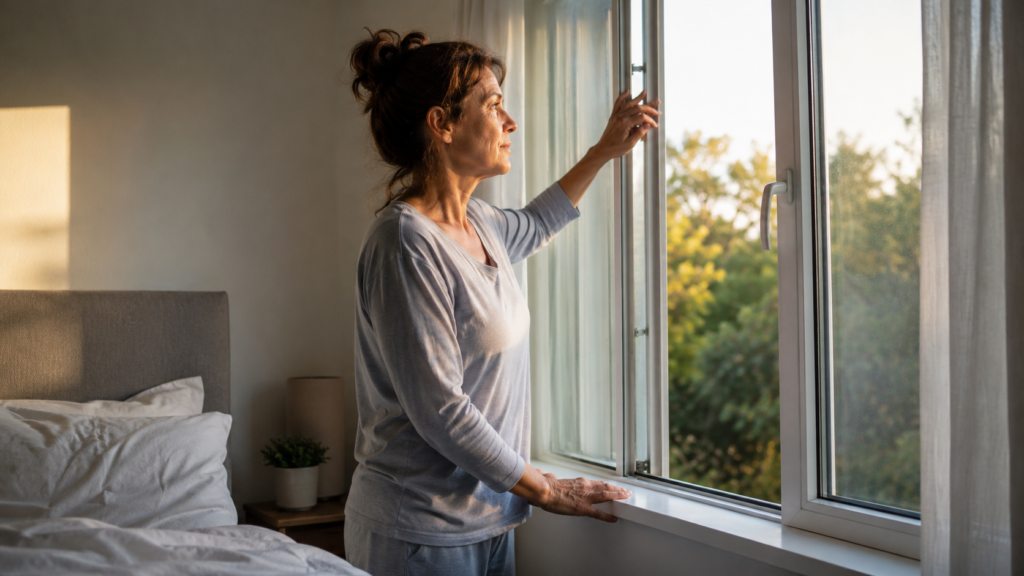
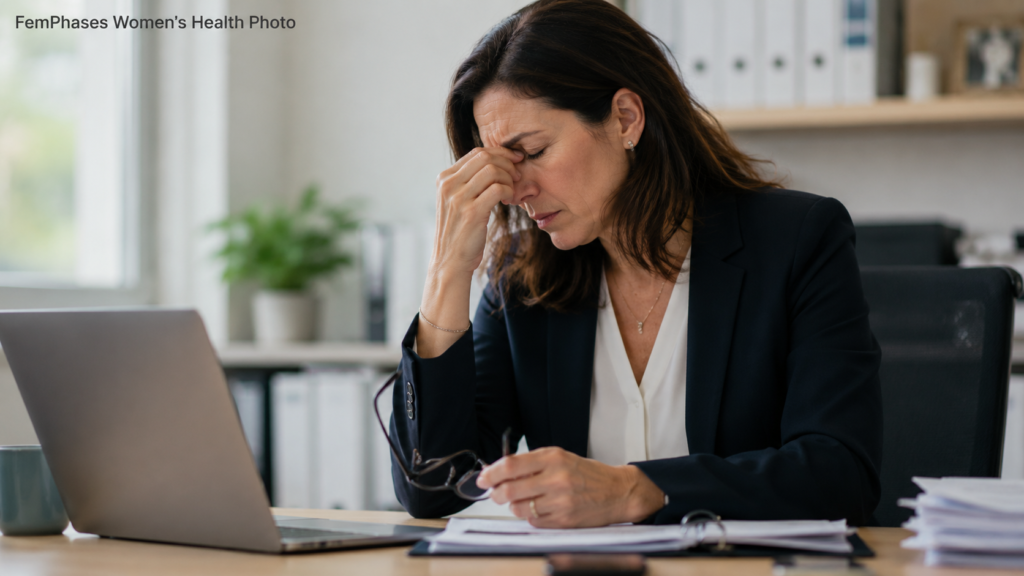
Introduction You wake up already tired. Before your feet even touch the floor, your mind is running through emails, school runs, deadlines, forgotten laundry, appointments, bills, symptoms, and the strange sense that your body no longer feels like your own. By mid-afternoon, your heart feels fluttery, your patience is thinner than usual, and your shoulders have crept up around your ears without you noticing. Many women have lived in this state for years. And often, they blame themselves for it. But chronic stress is not simply “being bad at coping.” It is a real physiological experience that affects hormones, sleep, mood, appetite, energy, memory, and even physical symptoms during perimenopause and menopause. The good news is that simple daily habits that help reduce stress hormones can genuinely support your nervous system over time — not by making life perfect, but by helping your body feel safer and more regulated. You do not need a complete life overhaul. You do not need to meditate for an hour at sunrise or become a different person overnight. Sometimes the most effective changes are surprisingly small, gentle, and sustainable. What Are Stress Hormones, Exactly? When people talk about “stress hormones,” they usually mean cortisol and adrenaline. These hormones are not bad. In fact, they are essential for survival. Your body releases cortisol to help you wake up, respond to challenges, regulate inflammation, and maintain energy. Problems tend to occur when stress becomes chronic, and your nervous system rarely receives the signal that it is safe to settle fully. Over time, prolonged stress can contribute to symptoms such as: Poor sleep Anxiety or irritability Brain fog Fatigue Sugar cravings Increased abdominal weight Digestive issues Headaches Muscle tension Feeling emotionally “wired but exhausted” For women in perimenopause and menopause, fluctuating oestrogen and progesterone can also make the nervous system feel more sensitive to stress. Many women notice that they suddenly feel less resilient than they used to — and that experience is incredibly common. According to the NHS, long-term stress can affect both physical and mental health, including sleep, immunity, mood, and heart health. Why Small Habits Matter More Than Extreme Fixes One of the biggest myths around stress management is that you need dramatic routines to feel better. In reality, the nervous system responds best to consistency, predictability, and repetition. That means simple daily habits that help reduce stress hormones are often more effective than occasional “wellness resets” that are impossible to maintain in real life. Your body is constantly scanning for cues of danger or safety. Tiny daily experiences — eating regularly, sleeping consistently, moving gently, feeling emotionally supported — quietly influence those signals. This is especially important for women who have spent years in survival mode. 1. Eat Regularly — Especially in the Morning Many women unintentionally go long periods without eating, especially when life is busy. Coffee becomes breakfast. Lunch gets delayed. Dinner happens late. But irregular eating can place additional stress on the body, particularly if blood sugar levels fluctuate dramatically throughout the day. When blood sugar drops too low, cortisol rises to help compensate. That can leave you feeling shaky, anxious, irritable, dizzy, or suddenly exhausted. A balanced breakfast does not need to be elaborate. Even simple combinations can help support steadier energy: Eggs on toast Greek yoghurt with nuts and berries Porridge with seeds Peanut butter on wholegrain toast Protein smoothie with fruit Women often feel guilty for needing regular nourishment, especially if diet culture has taught them to ignore hunger. But eating consistently is not a weakness. It is biological care. The Office on Women’s Health explains that chronic stress can affect eating patterns, sleep, digestion, and hormone regulation. 2. Stop Treating Rest Like a Reward Many women only allow themselves to rest once everything is done. The problem is: everything is never done. Rest is not laziness. It is a biological need. When the nervous system remains activated for too long, the body can struggle to recover fully. This is why exhaustion often feels deeper than simply “being tired.” One of the most powerful, simple daily habits that helps reduce stress hormones is intentionally building small moments of rest into the ordinary course of life. That might look like: Sitting quietly in the car for five minutes before going inside Taking a proper lunch break away from screens Saying no to one unnecessary commitment Lying down earlier instead of pushing through exhaustion Reading instead of doom-scrolling before bed These moments may seem small, but they tell the nervous system: you are allowed to pause now. 3. Get Morning Light Exposure This habit sounds almost too simple to matter, but it genuinely helps regulate the body’s stress response. Morning sunlight helps support the circadian rhythm — the internal body clock that influences cortisol, melatonin, sleep, mood, and energy. Even 10–20 minutes of morning daylight exposure can help the brain recognise when it is time to feel alert and when to wind down later. You do not need perfect weather or a complicated routine. Try: Drinking tea outside Walking around the block Opening curtains immediately after waking Standing near natural light while getting ready The body often responds better to gentle consistency than intensity. 4. Move Your Body in a Way That Feels Supportive, Not Punishing Exercise can absolutely help regulate stress hormones — but there is an important nuance many women are not told. More is not always better. Intense exercise may temporarily increase cortisol, especially if you are already depleted, under-eating, sleep-deprived, or navigating hormonal changes. That does not mean exercise is harmful. It means your body may need a different type of movement during stressful seasons. Supportive movement can include: Walking Stretching Strength training Swimming Dancing Yoga Gardening Gentle cycling The goal is not punishment. It is a regulation. The World Health Organisation (WHO) highlights that regular physical activity supports mental well-being, sleep quality, stress management, and overall health. 5. Reduce “Invisible Stress Load” Where You Can Not all stress is dramatic. Some stress is
Simple Daily Habits That Help Lower Stress Hormones Read More »