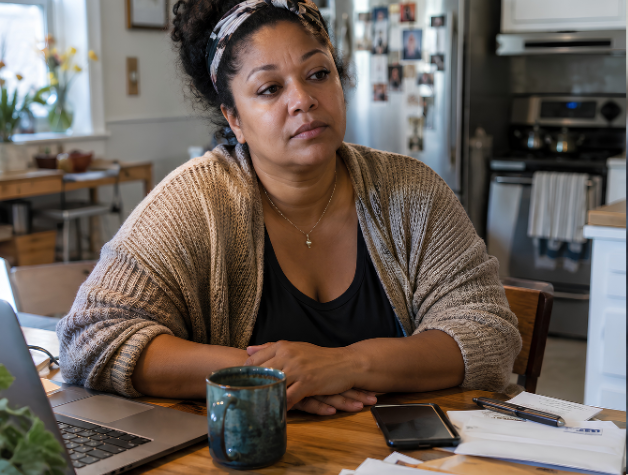
Why Women Feel More Emotionally Sensitive in Their 40s
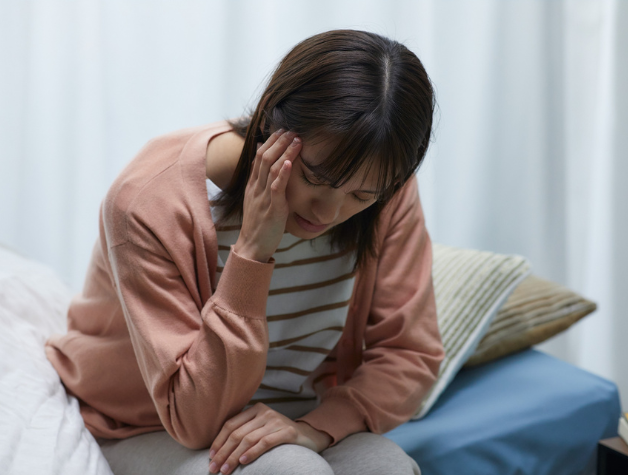
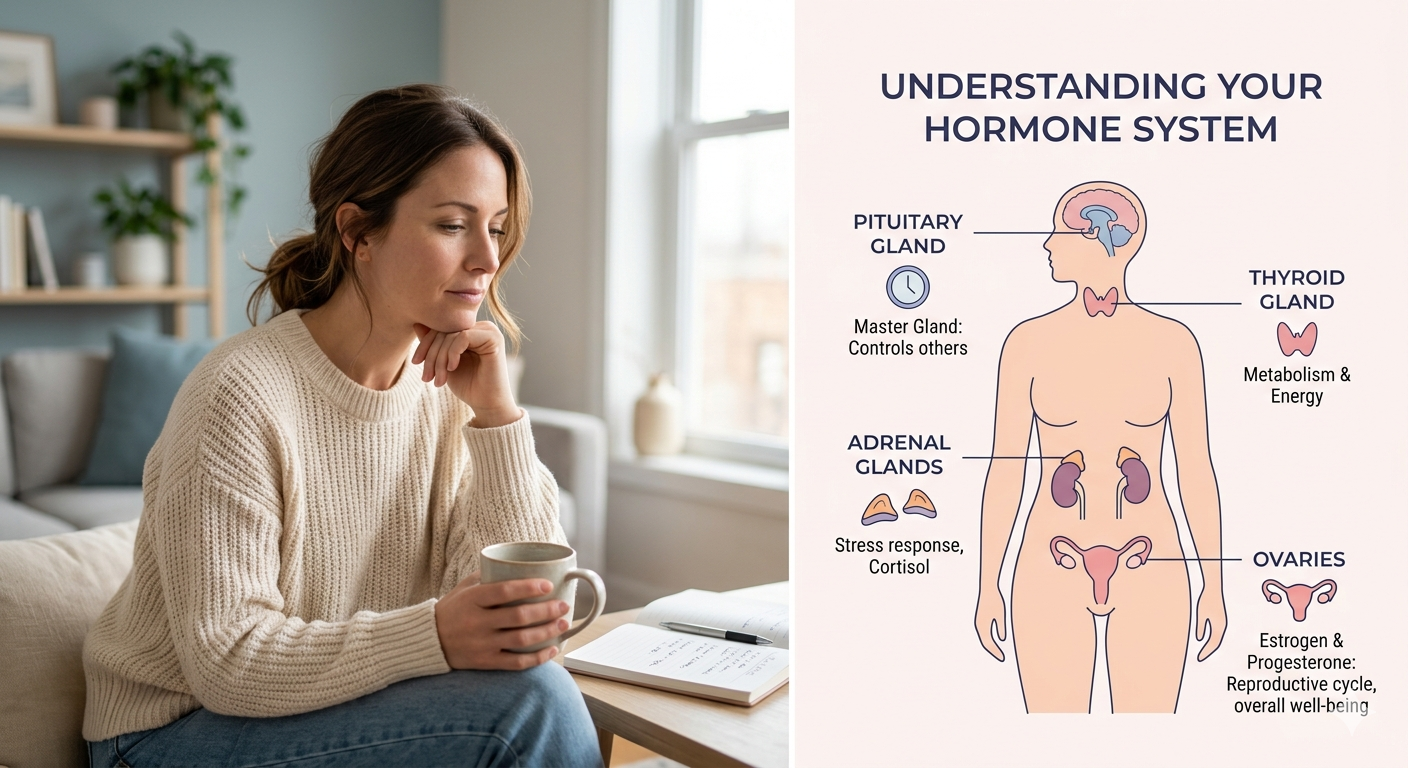
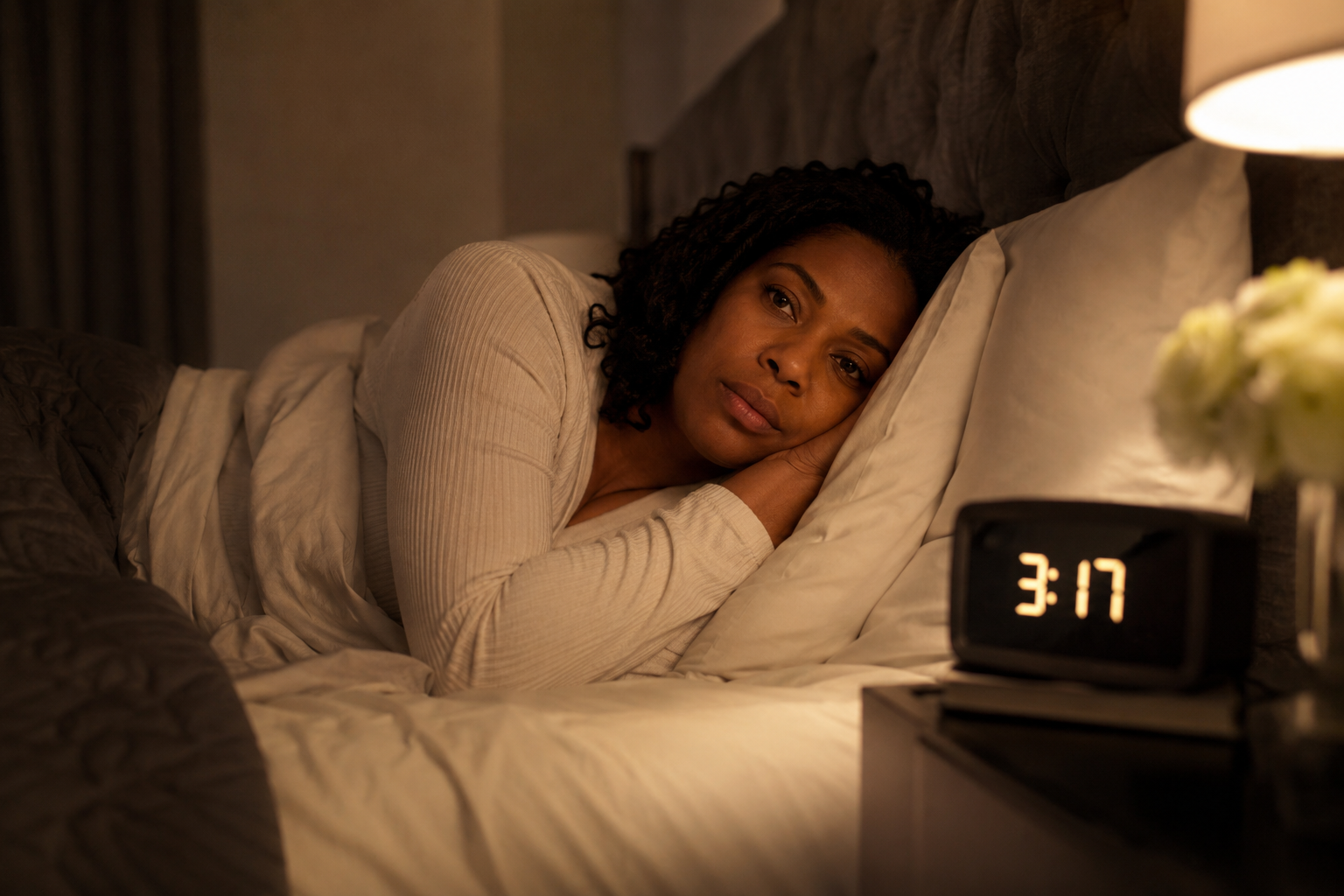
Introduction You’re standing in the kitchen, holding a coffee you forgot to drink, trying not to cry because somebody asked you a simple question. Or maybe you snap at your partner over something tiny, then sit in the bathroom five minutes later wondering, What is wrong with me lately? Perhaps you feel emotionally “thin,” as though everything hits harder than it used to. Sad stories stay with you longer. Stress feels heavier. Small disappointments suddenly feel enormous. Even joyful moments can bring unexpected tears. Remember, these emotional shifts are common and part of your body’s natural response during this phase. If this sounds familiar, you are far from alone. Many women notice emotional shifts during perimenopause, often before menopause begins, and understanding these changes can help validate their experiences. What makes this especially difficult is that many women are told they are “stressed,” “too emotional,” or “getting older,” when in reality there are genuine biological, neurological, psychological, and life-stage reasons behind these changes. This does not mean you are weak, unstable, or “losing yourself.” It means your body and brain are navigating a major transition while you are often carrying enormous emotional responsibilities. Emotional Sensitivity in Your 40s Is More Common Than Most Women Realise Perimenopause can begin in the late 30s or early 40s, although timing varies from woman to woman. During this phase, hormone levels fluctuate unpredictably rather than declining smoothly and steadily. These hormonal shifts can affect: Mood Stress tolerance Emotional regulation Sleep Memory and concentration Anxiety levels Emotional resilience The NHS recognises mood changes, anxiety, irritability, and low mood as common symptoms of perimenopause and menopause. (nhs.uk) For many women, emotional symptoms are harder than physical ones. Some describe feeling: unusually tearful, emotionally reactive, emotionally numb, overwhelmed by noise or demands, deeply anxious, or disconnected from themselves. Others say they no longer feel emotionally “buffered” as they once did. That experience is real. Daily Mood & Hormone Checker Hormones Affect the Brain More Than Many People Realise When people hear the word “hormones,” they often think only about periods or fertility. However, hormones also influence brain chemistry, nervous system regulation, and emotional processing. Oestrogen, in particular, interacts with neurotransmitters such as: serotonin, dopamine, and GABA, which all play important roles in mood, calmness, motivation, sleep, and emotional balance. During perimenopause, oestrogen levels can fluctuate dramatically. One week, levels may be relatively stable; the next week, they may dip sharply. This instability can affect how emotionally steady you feel. Some women notice: increased anxiety, sudden crying, irritability, emotional overwhelm, panic sensations, heightened sensitivity to criticism, or difficulty coping with normal stress. The important thing to understand is this: These emotions are not “imaginary.” They are connected to genuine physiological changes happening inside the body and brain. Your feelings are valid and understandable given the biological shifts occurring during this time. Research also suggests menopause can affect brain function, sleep quality, and emotional well-being more broadly. (British Menopause Society) Sleep Disruption Quietly Intensifies Emotional Sensitivity Many women do not realise how strongly sleep and emotional regulation are connected. By the time women reach their 40s, sleep often becomes lighter and more fragmented due to: hormonal changes, night sweats, anxiety, increased cortisol, or waking during the night. Even subtle sleep deprivation can reduce emotional resilience. Suddenly: patience becomes shorter, stress feels louder, emotions feel harder to manage, and ordinary responsibilities can feel overwhelming. Poor sleep is strongly linked with anxiety, irritability, low mood, and cognitive fog during perimenopause. (Mind) Sometimes women believe they are becoming emotionally unstable when, in reality, their nervous system is profoundly exhausted. Midlife Often Brings Emotional Pressure From Every Direction Understanding why women feel more emotionally sensitive in their 40s requires looking beyond hormones alone. For many women, this decade coincides with enormous emotional load. You may be: caring for children, supporting ageing parents, managing career pressure, navigating relationship strain, dealing with financial stress, grieving changing identity, or carrying years of emotional burnout without rest. Many women in midlife become the emotional centre of everyone else’s lives. Eventually, the nervous system starts signalling that it cannot keep operating at full capacity forever. This is partly why emotions can suddenly feel closer to the surface. Sometimes the tears are not “overreactions.” Sometimes they accumulate exhaustion, finally becoming visible. Emotional Sensitivity Does Not Always Mean Depression This distinction matters. Feeling emotionally sensitive does not automatically mean you have clinical depression. However, emotional changes during perimenopause can sometimes overlap with: anxiety disorders, depression, burnout, ADHD, trauma responses, thyroid conditions, or chronic stress. Because emotional symptoms can overlap with conditions like anxiety or depression, seeking medical support is crucial if symptoms persist or worsen. Seek medical support if you experience: persistent hopelessness, severe anxiety, panic attacks, inability to function, loss of pleasure in life, suicidal thoughts, or rapidly worsening mental health. Women with previous histories of anxiety or depression may be more vulnerable during hormonal transitions. (British Menopause Society) At the same time, many women experience milder emotional changes that improve with proper support, sleep, stress management, therapy, lifestyle changes, or menopause treatment. You can take active steps to feel more balanced and in control. The Emotional Experience Can Feel Deeply Confusing One of the hardest parts is that emotional sensitivity often arrives alongside a sense of unfamiliarity. Women frequently say: “I don’t feel like myself.” “I used to cope better.” “everything suddenly feels harder.” “I cry over things that never affected me before.” “I feel emotionally fragile.” “I don’t recognise myself anymore.” This can feel frightening, especially for women who have spent decades being highly capable, dependable, and emotionally controlled. However, emotional sensitivity in midlife is not necessarily a sign that you are “falling apart.” Sometimes it is the nervous system asking for: rest, support, boundaries, treatment, emotional processing, or a different pace of life. Why Some Women Feel Rage, Irritability, or Sudden Anger Not all emotional sensitivity looks like sadness. For many women, it shows up as: rage, irritability, low frustration tolerance, sensory overwhelm, or intense
Why Women Feel More Emotionally Sensitive in Their 40s Read More »