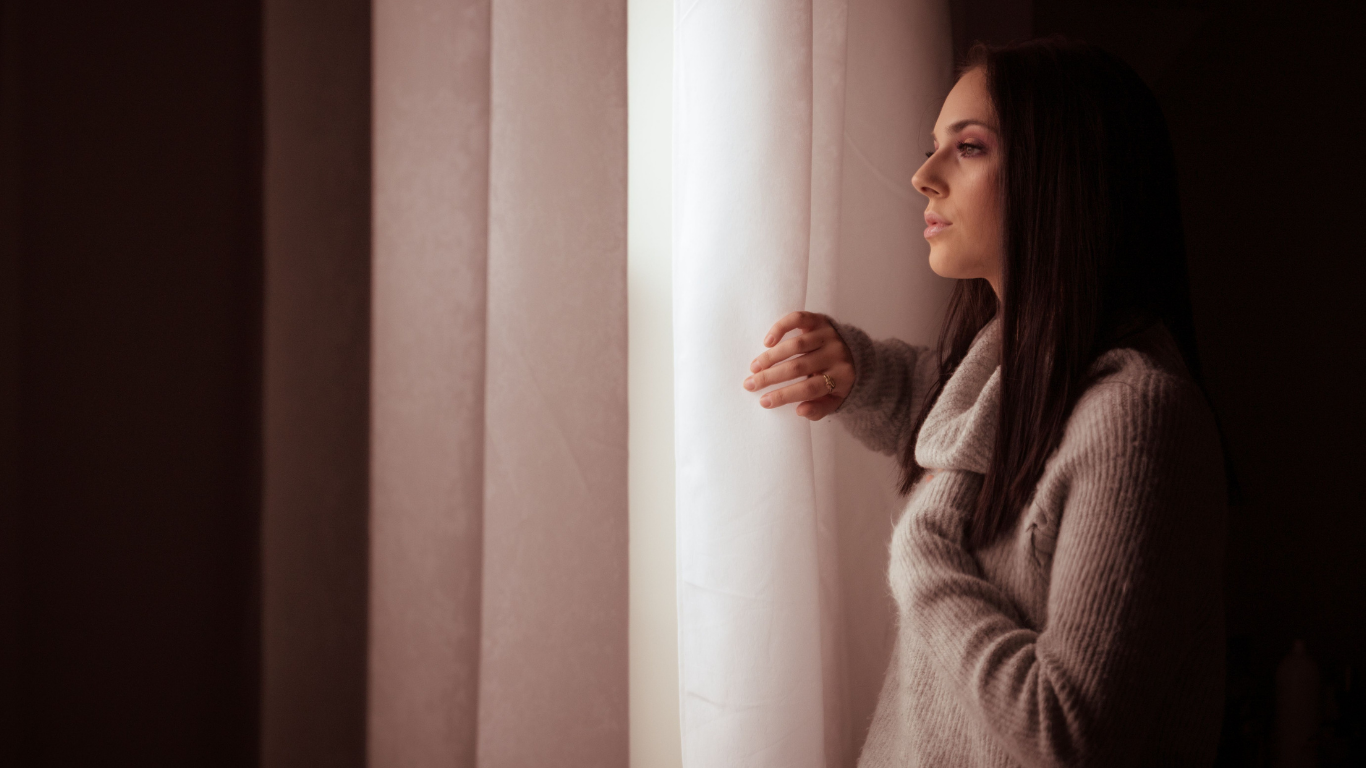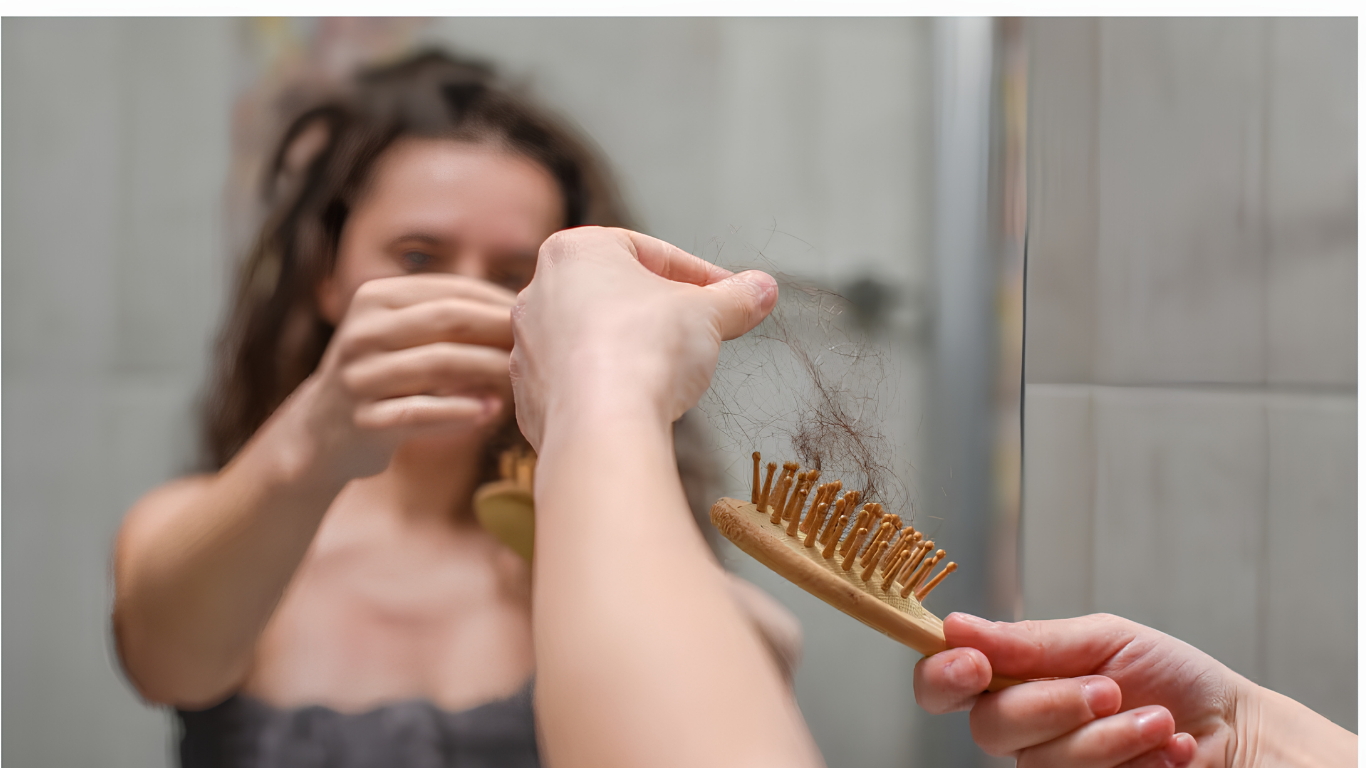

Age: 41
My Story
It started with the school run. Not anything specific about it, just that I couldn’t make myself care about being on time anymore. I’d hear the alarm and lie there, staring at the ceiling, counting the minutes until it became a problem. My daughter would be downstairs eating cereal in her uniform, and I’d still be under the duvet, bargaining with myself. Five more minutes. Just five.
I’d always been a morning person. The kind who set out clothes the night before, who had lunches packed by half seven. My friends used to joke about it. “You make the rest of us look bad,” my neighbour Sarah once said, passing me a coffee over the garden fence. That version of me felt like someone I’d read about in a book.
At first, I blamed the winter. Then I blamed work I’m a teaching assistant, and the year had been relentless. Then I blamed my phone, my sleep, my diet, the news, the rain. I had a running list of reasons, and every single one of them pointed to the same conclusion: I wasn’t trying hard enough.
My husband noticed before I did, in his own quiet way. He started putting the kettle on before I came downstairs. He stopped asking if I wanted to go for a walk after dinner. One evening, while I was folding laundry on the sofa, which had become the only place I wanted to be, he sat down next to me and said, “You don’t seem like yourself lately.”
I told him I was fine. Just tired. Just busy. Just getting through it.
But I wasn’t getting through it. I was falling behind. The laundry sat in the machine for days. I forgot to sign permission slips. I started cancelling plans: a coffee with a friend, a weekend trip to see my sister, not because I didn’t want to go, but because even thinking about getting ready felt like lifting something very heavy.
The guilt was the worst part. I’d look at other women my age colleagues, school-gate mums, women on the internet and they seemed to be managing. They were exercising, batch-cooking, and redecorating their spare rooms. And I was sitting in my car in the Tesco car park, unable to go in for milk.
I remember one afternoon, maybe March or April, sitting in that car park for a good twenty minutes. The engine was off. I wasn’t on my phone. I was just sitting there, hands in my lap, with this low, flat feeling that I couldn’t name. It wasn’t sadness, exactly. It was more like someone had turned the volume down on everything. Colours looked duller. Food tasted like nothing. Even the things I loved reading, gardening, a Friday night film with my daughter felt like items on a list I was supposed to tick off.
I genuinely thought I was becoming lazy. That I was weak. That other women handled this stage of life with more grace, and I was the one who couldn’t keep up.
It was my doctor who first mentioned hormones. I’d gone in for something else — a recurring headache, I think — and she asked how I’d been sleeping. I said badly. She asked about my periods. I said they’d been all over the place for about a year. Heavier some months, barely there the next. She asked about my mood. And I started crying in a way I hadn’t expected the kind where your voice goes thin, and you can’t finish the sentence.
She didn’t rush me. She said something I still think about: “What you’re describing is really common, and it’s not a character flaw.”
That sentence cracked something open.
I wasn’t lazy. My body was changing quietly, without warning, without anyone preparing me for what it might feel like. The fatigue, the flatness, the foggy thinking, the weeks where I couldn’t summon enthusiasm for anything none of it meant I was failing. It meant something was shifting beneath the surface, and I hadn’t known to look for it.
Looking Back
When I think about that period now, what strikes me most is how long I spent blaming myself. Months and months of quiet shame. I’d lie awake at night making mental lists of all the things I hadn’t done, all the ways I was falling short. I compared myself constantly to a version of me that no longer existed the one who bounced out of bed, who ran the household like clockwork, who never needed to sit in a car park and stare at nothing.
I didn’t talk about it because I didn’t have the words. “I’m tired all the time” doesn’t begin to capture it. And tired is what everyone is, isn’t it? Tired is normal. So, I assumed I was just handling normal badly.
Looking back, I can see that the signs were there much earlier than I realised. The irritability that would flare up over nothing, snapping at my daughter for leaving her shoes in the hallway, then feeling wretched about it afterwards. The brain fog that made me lose track of conversations. The strange new anxiety that crept in around four in the afternoon, every day, like clockwork. My body had been trying to tell me something for a long time. I just didn’t have the framework to understand what I was hearing.
What Helped Me
The first thing that helped was simply being told it wasn’t my fault. That sounds small, but it changed everything. Once I stopped spending all my energy on self-blame, I had a little bit left over actually to look after myself.
My doctor referred me for blood work, and we talked through my options. I’m not going to go into specifics because every woman’s situation is different, but having a conversation with someone who took me seriously and didn’t dismiss what I was feeling as “just stress” was the turning point.
I started being honest with the people around me. I told my husband what I’d been going through, properly, not just the shorthand version. I told my sister. I told Sarah over the garden fence one morning, and she put down her coffee and said, “Oh my God, me too. Last year. I thought I was losing my mind.” That conversation alone was worth more than I can say.
I also got slower, on purpose. I stopped trying to match my old pace. I let the house be messier. I said no to things. I gave myself permission to rest without earning it first, which is harder than it sounds when you’ve spent your whole life measuring your worth by your output.
Walking helped not power-walking, not hitting step targets, just walking. Around the block after dinner. Through the park on a Saturday morning while my daughter rode her bike. Moving my body without any agenda attached.
And I started reading. Not self-help books I couldn’t face; those were stories from other women who’d been through something similar. Just knowing I wasn’t alone in this made the ground feel steadier under my feet.
What I Wish I’d Known
I wish I’d known that fatigue can be more than tiredness. That it can sit in your bones, change how you see the world, and make you feel like a stranger in your own life, and that none of that means you’re broken.
I wish I’d known that hormonal shifts don’t always announce themselves with hot flushes and night sweats. Sometimes they arrive as flatness. As fog. As a slow, quiet withdrawal from the life you used to live without thinking about it.
I wish someone had told me earlier that this is a phase many women go through, not to minimise it, but so I could have recognised it for what it was instead of spending months believing I was simply not good enough.
And I wish I’d been kinder to myself sooner. I wasted so much time on guilt.
Reflection
I’m not going to pretend everything is perfect now. Some days I still feel that heaviness, that pull towards the sofa. Some mornings the alarm still feels like an unreasonable demand. But the difference is that I understand it now. I can name it, or at least get close. And on the hard days, I don’t add a layer of shame on top.
Last week, I was in the garden pulling up weeds while my daughter sat on the back step doing her homework. The sun was low and warm, and I had soil under my fingernails, and I thought: this is good. Not in a grand, life-changing way. Just in a small, Tuesday-evening way. The kind of good I’d stopped noticing for a while.
I’m still here. I’m still me just a different version. Quieter in some ways but paying closer attention.
And I’m not lazy. I never was.
Every woman’s experience is different. This story is shared to help others feel less alone and is not intended to replace professional medical advice